

 Podgląd w skali 1:1
 Wyślij jako kartkę
 Udostępnij
 Szczegóły dzieła
 Przewodnik

 Pobierz obraz
 Podobne obiekty
 RTG
RTG Pokaz slajdów
 Statystyki
Still Life. Orchids.
 Oil On Canvas
- WallArt
- Post-Impressionism
 1928
1928 85.0 x 72.0 cm
 Rozwiń treść
Ręcznie malowana reprodukcja olejowa
Ręcznie malowany obraz olejny na płótnie, wykonany na zamówienie przez naszych artystów w wybranym przez Ciebie wymiarze i oprawie. ( Przełącz na wydania drukowane Przejdź do wersji cyfrowej)




































Wybierz spośród naszych standardowych rozmiarów, które zachowują oryginalne proporcje dzieła sztuki.

Wpisz wymaganą szerokość i wysokość, aby obraz pasował do Twojej ramy lub ściany. Ponieważ jest to dzieło malowane ręcznie, w przypadku rozmiaru o innych proporcjach artysta może domalować nieco więcej wokół obrazu lub przyciąć jego fragmenty — wybór należy do Ciebie. Przed rozpoczęciem pracy prześlemy Ci cyfrową wizualizację do zatwierdzenia. Obraz widoczny na tej stronie nie przedstawia rzeczywistego efektu — jedynie wizualizacja oddaje realny rezultat.
Po złożeniu zamówienia zespół OriginalUniqueArt.com skontaktuje się z klientem drogą mailową w celu uzyskania instrukcji i prześle wizualizację projektu
Dostawa na całym świecie () w ciągu 3–4 tygodni zamiast standardowych 5 tygodni. (25 Październik). Bez kompromisów w kwestii jakości.

Bezpłatna ekspresowa wysyłka na cały świat

Wysokiej jakości płótno lniane

Pełne ubezpieczenie przesyłki

Gwarancja zwrotu należności celnych i podatków importowych

Gwarancja wiernego odwzorowania kolorów

100-dniowa polityka zwrotów (tylko w przypadku wad)

Gwarancja 100% zwrotu pieniędzy

Zniżka przy zakupie wielu sztuk
 Opcja ze szkłem jest dostępna wyłącznie w rozmiarach poniżej 110 cm

Still Life. Orchids.
Technika reprodukcji
Wymiary reprodukcji
-


Cena całkowita
zł 1151
A Symphony of Color and Texture: Exploring Pyotr Konchalovsky’s Still Life
Pyotr Petrovich Konchalovsky (1876-1956) stands as a cornerstone of Russian avant-garde art, a painter who relentlessly pursued innovation while simultaneously grounding his vision in the traditions of Impressionism. His oeuvre encompasses landscapes, portraits, and monumental canvases—yet it is “Still Life. Orchids.” (1928), housed within the Fond Petr Konchalovsky, that exemplifies his distinctive approach: a masterful blend of stylistic influences resulting in an unforgettable visual experience. This artwork isn’t merely representation; it's a deliberate orchestration of color, texture, and form designed to evoke emotion and capture the essence of fleeting beauty.Composition and Technique – Fauvist Boldness Meets Delicate Observation
The painting’s composition is deceptively simple—three orchids nestled within terracotta pots upon a weathered wooden table—yet Konchalovsky imbues it with dynamism through masterful brushwork. Characteristic of the Fauvist movement, he abandons naturalistic color palettes in favor of vibrant hues that prioritize expressive impact over accurate depiction. Thick impasto strokes dominate the canvas, particularly around the orchid blossoms and foliage, creating palpable texture and conveying a sense of immediacy. The placement of the orchids—clustered predominantly on the left—introduces asymmetry, subtly guiding the viewer’s gaze across the scene. A window with a cerulean curtain serves as a luminous backdrop, casting diffused light that illuminates the flowers and contributes to the overall atmosphere. Adding to this visual richness is a perched bird, symbolizing freedom and mirroring Konchalovsky's own restless spirit—a detail reflecting his lifelong fascination with nature’s vitality.Color Palette – Purple Passion and Earthy Harmony
Konchalovsky’s color palette pulsates with energy yet maintains an underlying sense of harmony. Dominant shades of emerald green represent the orchid foliage, juxtaposed against fiery magenta and pastel pink hues that highlight the blooms themselves. The terracotta pots introduce grounding browns, anchoring the composition while simultaneously referencing traditional ceramic craftsmanship. A subtle beige tone emanates from the wooden table, providing warmth and balance to the cooler blues of the curtain. This careful consideration of color demonstrates Konchalovsky’s understanding of how hue interacts with light and contributes to emotional resonance—a hallmark of Fauvist aesthetics.Symbolism – Orchids as Vessels of Refinement and Beauty
Beyond its formal qualities, “Still Life. Orchids.” resonates with symbolic significance rooted in the cultural context of its time. Orchids have long been associated with elegance, luxury, and spiritual purity—qualities Konchalovsky sought to convey through his artistic endeavors. The bird perched upon a branch serves as an emblem of liberation and represents Konchalovsky’s own unwavering pursuit of creative expression. Taken together, these elements elevate the painting beyond mere visual pleasure, inviting contemplation on themes of beauty, freedom, and transcendence.Concluding Reflection – A Legacy of Impressionistic Vision
“Still Life. Orchids.” stands as a testament to Pyotr Konchalovsky's enduring legacy—a painter who bravely embraced innovation while honoring artistic tradition. His masterful technique, coupled with his profound sensitivity to color and composition, secures its place among the most compelling works of Russian Fauvist art. Reproductions offer an opportunity to appreciate this captivating image and immerse oneself in the spirit of a bygone era – a moment captured forever on canvas by one of Russia’s foremost artists.Pytania i odpowiedzi
Gdzie mogę kupić wydruk „Still Life. Orchids.” – Piotr Konchalowski?
Aby zamówić wydruk dzieła „Still Life. Orchids.” – Piotr Konchalowski, wystarczy przejść na jego stronę Wydruk artystyczny premium: szlachetna odbitka na płótnie bawełnianym lub archiwalnym papierze o strukturze płótna.
Jaka jest technika i wymiary dzieła „Still Life. Orchids.” – Piotr Konchalowski?
Oryginalny utwór „Still Life. Orchids.” – Piotr Konchalowski to praca wykonana w technice Oil On Canvas, o wymiarach 85 x 72 cm. Technika i rozmiar odnoszą się do obiektu oryginalnego.
Jaki rozmiar i orientacja są zalecane dla wydruku dzieła „Still Life. Orchids.” – Piotr Konchalowski?
Zalecany rozmiar wydruku dzieła „Still Life. Orchids.” – Piotr Konchalowski to Large w orientacji Portrait.
Biografia artysty
A Life Immersed in the Russian Artistic Spirit
Pyotr Petrovich Konchalovsky, born February 21, 1876, in the village of Slavianka near Kharkiv, was more than just a painter; he was a visual chronicler of a Russia undergoing profound transformation. His artistic journey mirrored the nation’s own tumultuous passage through revolution and ideological shifts, marked by a relentless search for new forms of expression. Konchalovsky's upbringing steeped him in an atmosphere rich with intellectual and creative currents. His father, Petr Petrovich Konchalovsky, was a respected translator and art publisher whose Moscow home became a vibrant hub frequented by leading artists of the era—Valentin Serov, Mikhail Vrubel, Vasily Surikov all graced their residence after the family’s move to the capital in 1889. This early exposure wasn't merely observational; it instilled within young Pyotr a deep appreciation for artistic expression and laid the foundation for his future path. Weekends spent absorbing the masterpieces at the Tretyakov Gallery proved formative, shaping his aesthetic sensibilities with the power of Russian masters.From Parisian Influences to Avant-Garde Innovation
Konchalovsky’s formal training began at the Moscow School of Painting, Sculpture and Architecture, but a pivotal period followed in Paris from 1896 to 1898 at the Académie Julian. This immersion in the French art world proved transformative. He encountered the groundbreaking work of Paul Cézanne and Vincent van Gogh, artists who challenged conventional representation and explored new ways of perceiving form and color. A subsequent journey to Arles allowed him a deeper understanding of Van Gogh’s artistic vision—a pilgrimage into the heart of expressive intensity. Returning to Russia, he continued his studies at the Imperial Academy of Arts in Saint Petersburg, graduating in 1907. However, it was upon his return that Konchalovsky truly began to forge his own distinctive style. He became a central figure in the Russian avant-garde movement, co-founding the influential “Jack of Diamonds” (Knave of Diamonds) society in 1910. This group rejected academic traditions and championed experimentation, seeking inspiration not only from Western European modernism but also from Russia’s own folk art traditions—icons, tavern signs, and colorful popular prints known as *lubok*. The society aimed to break free from the constraints of traditional artistic conventions and explore new possibilities in composition, color, and subject matter. Konchalovsky's role as its chairman was crucial in shaping its direction and promoting its radical ideas.Navigating Shifting Ideologies: Style and Subject Matter
Konchalovsky’s artistic style evolved throughout his career, reflecting both personal exploration and the changing political climate of Russia. Initially influenced by Fauvism and Cézanne, his early works were characterized by bold colors, simplified forms, and a focus on structure. Paintings like “Still Life with a Coffeepot” exemplify this period, showcasing a vibrant palette and a dynamic composition. He was particularly drawn to the expressive potential of color, often employing intense hues and contrasting tones to create visual drama. Following service in the Russian army during World War I, Konchalovsky’s style began to shift. The rise of Socialist Realism under the Soviet regime demanded art that served ideological purposes, celebrating socialist ideals and portraying prominent figures. While this represented a departure from his earlier avant-garde explorations, Konchalovsky adapted, becoming known for his ceremonial portraits. Despite these changes, he maintained a distinctive artistic voice, infusing even his more politically charged works with a sense of solidity and monumentality. He skillfully blended elements of traditional Russian painting techniques with the demands of the new regime, creating images that were both aesthetically pleasing and ideologically aligned. His work during this period often featured grand compositions and heroic figures, reflecting the Soviet emphasis on collective effort and national pride.A Prolific Output: Key Themes & Subjects
Konchalovsky’s vast body of work reveals recurring themes and subjects that demonstrate his artistic preoccupations. Still lifes were a constant throughout his career, allowing him to explore form, color, and composition in a controlled environment. He often depicted everyday objects—fruits, flowers, dishes—imbuing them with a sense of weight and presence. His still lifes weren’t merely representations of objects; they were carefully constructed arrangements designed to evoke specific emotions and ideas. Landscapes, particularly those inspired by his travels, also held a special place in his oeuvre, capturing the beauty and grandeur of the natural world. However, it was perhaps in portraiture that Konchalovsky truly excelled, creating compelling likenesses of his contemporaries, often imbued with psychological depth. His portraits ranged from intimate depictions of family members to grand ceremonial representations of Soviet officials. He also experimented with genre scenes and historical subjects, demonstrating a willingness to tackle diverse artistic challenges. The sheer volume of his work—over 5,000 pieces—is a testament to his tireless dedication and unwavering commitment to the art of painting. He was a master of observation, capable of transforming the mundane into something extraordinary through the power of his vision.Legacy and Enduring Significance
Pyotr Konchalovsky’s contribution to Russian art is undeniable. He bridged the gap between early modernism and Socialist Realism, navigating complex political currents while remaining a significant artistic force. His first solo exhibition at the Tretyakov Gallery in 1922 solidified his reputation as one of Russia's leading artists. Beyond his own work, Konchalovsky fostered a family deeply involved in the arts; his son, Mikhail Petrovich Konchalovsky, became a renowned film director, and his daughter, Natalia Konchalovskaya, was an accomplished artist herself. His paintings are not merely aesthetically pleasing objects but historical documents, reflecting the tumultuous period in which they were created. They offer valuable insights into the evolution of Russian art and the challenges faced by artists operating within a rapidly changing society. Konchalovsky’s ability to adapt while maintaining a distinctive style cemented his place as a key figure in Russian art history, leaving behind a legacy that continues to inspire and captivate audiences today. His work stands as a testament to the resilience of artistic expression in the face of political upheaval, and his influence can still be seen in contemporary Russian art.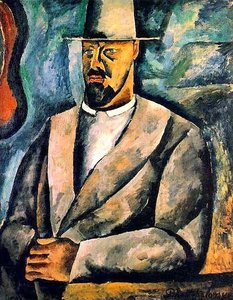
Piotr Konchalowski
1876 - 1956 , Rosja
Krótka nota
- Artistic Movement Or Style: Postimpresjonizm, Realizm
- Artists Or Movements Influenced By This Artist: ['Mir Iskusstva']
- Artists Who Influenced This Artist:
- Paul Cézanne
- Van Gogh
- Date Of Birth: 21 lutego 1876
- Date Of Death: 2 lutego 1956
- Full Name: Pyotr Petrovich Konchalovsky
- Nationality: Rosyjski
- Notable Artworks:
- Niebory
- Kawałek
- Portret
- Place Of Birth: Charków, Rosja
Powiązane artykuły

Ivan Bilibin: A Synthesis of Folklore, Modernism & National Identity in Russian Illustration
Explore the enchanting world of Ivan Bilibin, a master Russian illustrator who synthesized folklore, Art Nouveau & national identity. Discover his iconic fairy tale illustrations and legacy with OriginalUniqueArt.
Martwa natura w sztuce: od starożytności do współczesności – historia, symbolika i trwały urok
Odkryj fascynującą historię martwej natury w sztuce – od antycznych początków po współczesne reinterpretacje. Poznaj mistrzów, symbolikę i techniki malarskie. Ekskluzywne artykuły na OriginalUniqueArt.com!

Victor Vasnetsov: Myth, Nationalism & the Revival of Russian Fairy Tale Painting
Explore the captivating world of Victor Vasnetsov, a co-founder of Russian folklorist painting. Discover his iconic works, influence on national identity, and lasting legacy in this expert guide.

Silent Narratives: Exploring the Enduring Appeal of Still Life Painting Across Centuries
Explore the rich history of still life painting with OriginalUniqueArt. Discover Dutch Masters, decode vanitas symbolism & learn about collecting timeless art. Expert insights and museum-quality reproductions.
Od Klasycznej Natury Martwej do Współczesnej Abstrakcji: Podnoszenie Prestiżu Przestrzeni Rezydencji Poprzez Artystyczne Reprodukcje
Odkryj historię martwej natury i jak artystyczne reprodukcje podnoszą prestiż Twojej rezydencji. Eksperckie porady, najwyższa jakość obrazów od OriginalUniqueArt.com – Cézanne, Matisse i inni mistrzowie.
