
 Podgląd w skali
 Wyślij jako kartkę
 Udostępnij
 Szczegóły dzieła

 Pobierz
 Podobne obiekty
 RTG
RTG Pokaz slajdów
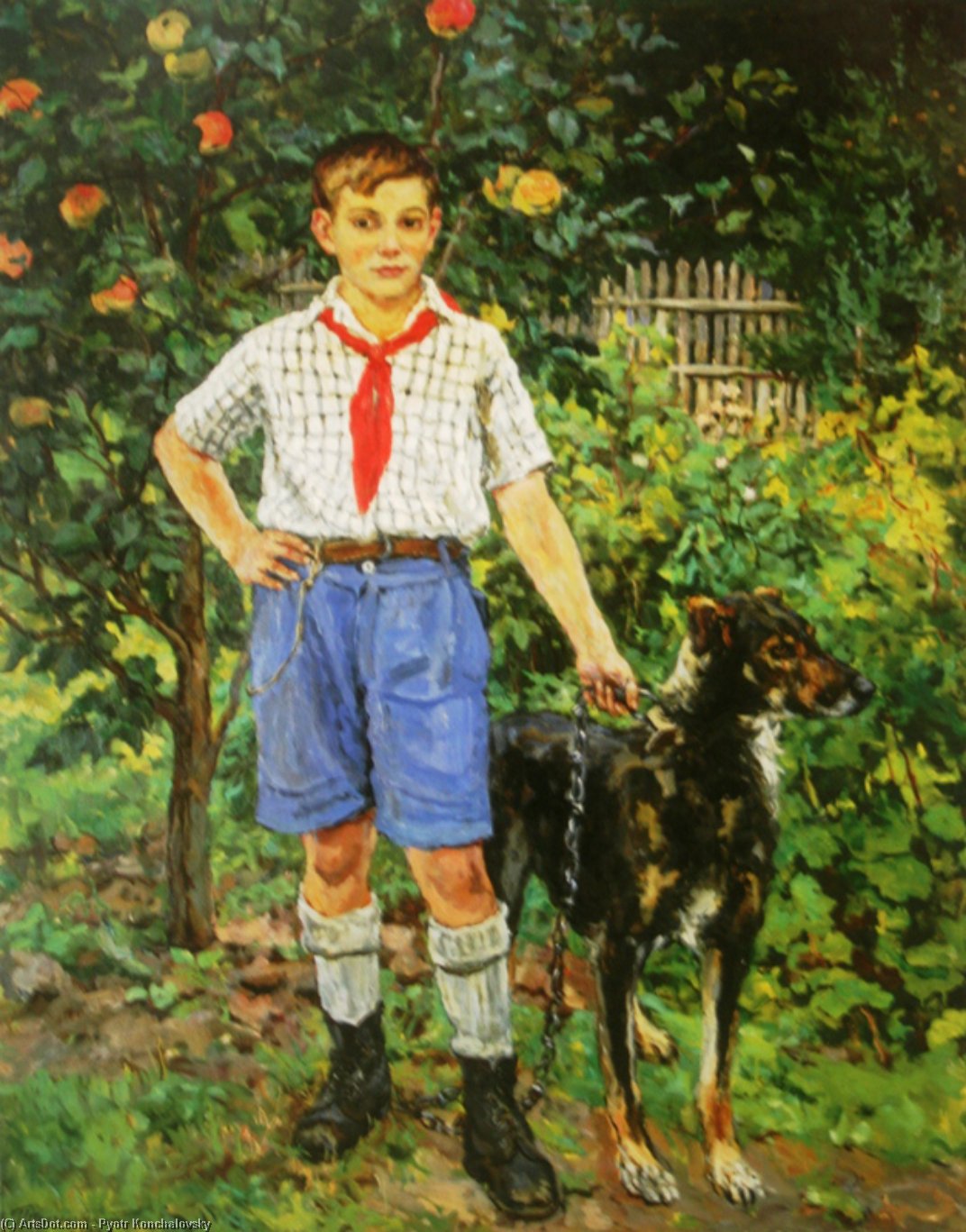
Andron with a dog
 Oil On Canvas
- WallArt
- Impressionism
 1949
1949 183.0 x 145.0 cm
 Rozwiń treść
Ręcznie malowana reprodukcja olejowa
Ręcznie malowany obraz olejny na płótnie, wykonany na zamówienie przez naszych artystów w wybranym przez Ciebie wymiarze i oprawie. ( Zamów wydruk Kup obraz wysokiej rozdzielczości)




P118B $10

P118H $10

P118W $10

P438Z $10

P508JH $12

P508YH $12

P805H $10

P805Z $10

P919BZ $10

P919G $10

P919XJ $10

P959ZH $10

P968JZ $12

W106C $8

W218G $10

W218JH $8

W218Y $10

W307PJ $10

W316G $10

W316PJ $8

W316Y $10

W398PJ $8

W4111J $10

W500HY $15

W500JH $15

W692G $12

W849H $8

W940BG $15

W953PJ $8




Wybierz spośród naszych standardowych rozmiarów, które zachowują oryginalne proporcje dzieła sztuki.

Możesz wprowadzić własne wymiary, aby dopasować obraz do konkretnej ramy lub przestrzeni. Jeśli wybrany rozmiar nie będzie odpowiadał proporcjom oryginału, przytniecie dzieło sztuki lub rozszerzymy je o dodatkowe elementy, ręcznie domalowane przez artystę. Przed rozpoczęciem produkcji wyślemy projekt cyfrowy do Twojej akceptacji.
Należy pamiętać, że podgląd na ekranie nie odzwierciedla rzeczywistego przycinania ani rozszerzania obrazu. Tylko projekt dokładnie pokaże ostateczną kompozycję.
Choć oferujemy możliwość zamówienia niestandardowych rozmiarów, zalecamy wybór wymiaru z gotowej listy, aby zachować oryginalne proporcje dzieła.
Po złożeniu zamówienia zespół OriginalUniqueArt.com skontaktuje się z klientem drogą mailową w celu uzyskania instrukcji i prześle wizualizację projektu
Dostawa na całym świecie () w ciągu 3–4 tygodni zamiast standardowych 5 tygodni. (15 Sierpień). Bez kompromisów w kwestii jakości.

Bezpłatna ekspresowa wysyłka na cały świat

Wysokiej jakości płótno lniane

Pełne ubezpieczenie przesyłki

Gwarancja zwrotu należności celnych i podatków importowych

Gwarancja wiernego odwzorowania kolorów

Polityka 60-dniowego zwrotu (tylko w przypadku wad)

Gwarancja 100% zwrotu kosztów

Zniżka przy zamówieniu wielu produktów
 Opcja ze szkłem jest dostępna wyłącznie w rozmiarach poniżej 110 cm

Andron with a dog
Technika reprodukcji
Wymiary reprodukcji
-


Cena całkowita
$ 300
Opis dzieła
A Pastoral Dream in Oil: Exploring Andron with a Dog
To gaze upon Pyotr Konchalovsky’s depiction of Andron with a dog is to step through a veil into a sun-drenched memory. This painting is not merely a record of an afternoon spent in an orchard; it is an immersion into the very essence of childhood companionship and rural tranquility. The composition centers on a young boy, Andron, accompanied by his loyal canine friend, set against a backdrop bursting with life—apple trees heavy with fruit, dense foliage, and the rustic suggestion of a wooden fence. Konchalovsky masterfully captures a moment suspended in time, allowing the viewer to feel the warmth of natural daylight filtering through the leaves.
The Brushwork of Impressionism
Technically, this piece sings with the visible energy of the artist’s hand. The style leans into an impressionistic realism, a beautiful marriage where the structure of reality is filtered through the subjective lens of feeling. Notice how the lines are loose and expressive; they do not seek to define every leaf or strand of hair with rigid precision, but rather suggest form and movement. This technique allows the rich textures—the velvety depth of the bushes, the varied tones of the bark, the soft drape of Andron’s clothing—to emerge through layered strokes of oil paint on canvas. The overall effect is one of palpable richness, a tactile surface that invites close contemplation.
Symbolism and the Spirit of Place
Beyond the immediate beauty of the scene lies a profound emotional resonance. The pairing of the boy and the dog speaks eloquently to themes of innocence and unwavering companionship—a universal human bond rendered with tender grace. The orchard itself, laden with fruit, often symbolizes bounty, life cycles, and simple pleasures. While the painting dates from 1949, its subject matter transcends specific historical moments, tapping into a timeless yearning for pastoral simplicity. It evokes that deep, nostalgic ache for uncomplicated times spent under an open sky.
A Touch of Russian Artistic History
Konchalovsky’s career was deeply intertwined with the vibrant, often turbulent currents of Russian art history. Though some sources place his work within the context of Socialist Realism, Andron with a dog retains a personal, almost lyrical quality that speaks to enduring human emotion rather than strict doctrine. His ability to capture the spirit of a people and their connection to the land remains evident here. For collectors and designers alike, this piece offers not just decoration, but a narrative anchor—a window into an idealized, deeply felt moment from Russian life.
Bringing the Orchard Home
Whether you are curating a gallery wall or seeking a focal point for a sunlit room, the depth and color palette of this reproduction offer immediate warmth. The dominant greens and earthy browns, punctuated by vibrant pops of red—from the boy’s scarf to the ripe apples—create an instantly uplifting atmosphere. Owning a piece like this allows one to bring the quiet majesty of a summer afternoon orchard into the modern sanctuary of home.
O artyście
A Life Immersed in the Russian Artistic Spirit
Pyotr Petrovich Konchalovsky, born February 21, 1876, in the village of Slavianka near Kharkiv, was more than just a painter; he was a visual chronicler of a Russia undergoing profound transformation. His artistic journey mirrored the nation’s own tumultuous passage through revolution and ideological shifts, marked by a relentless search for new forms of expression. Konchalovsky's upbringing steeped him in an atmosphere rich with intellectual and creative currents. His father, Petr Petrovich Konchalovsky, was a respected translator and art publisher whose Moscow home became a vibrant hub frequented by leading artists of the era—Valentin Serov, Mikhail Vrubel, Vasily Surikov all graced their residence after the family’s move to the capital in 1889. This early exposure wasn't merely observational; it instilled within young Pyotr a deep appreciation for artistic expression and laid the foundation for his future path. Weekends spent absorbing the masterpieces at the Tretyakov Gallery proved formative, shaping his aesthetic sensibilities with the power of Russian masters.From Parisian Influences to Avant-Garde Innovation
Konchalovsky’s formal training began at the Moscow School of Painting, Sculpture and Architecture, but a pivotal period followed in Paris from 1896 to 1898 at the Académie Julian. This immersion in the French art world proved transformative. He encountered the groundbreaking work of Paul Cézanne and Vincent van Gogh, artists who challenged conventional representation and explored new ways of perceiving form and color. A subsequent journey to Arles allowed him a deeper understanding of Van Gogh’s artistic vision—a pilgrimage into the heart of expressive intensity. Returning to Russia, he continued his studies at the Imperial Academy of Arts in Saint Petersburg, graduating in 1907. However, it was upon his return that Konchalovsky truly began to forge his own distinctive style. He became a central figure in the Russian avant-garde movement, co-founding the influential “Jack of Diamonds” (Knave of Diamonds) society in 1910. This group rejected academic traditions and championed experimentation, seeking inspiration not only from Western European modernism but also from Russia’s own folk art traditions—icons, tavern signs, and colorful popular prints known as *lubok*. The society aimed to break free from the constraints of traditional artistic conventions and explore new possibilities in composition, color, and subject matter. Konchalovsky's role as its chairman was crucial in shaping its direction and promoting its radical ideas.Navigating Shifting Ideologies: Style and Subject Matter
Konchalovsky’s artistic style evolved throughout his career, reflecting both personal exploration and the changing political climate of Russia. Initially influenced by Fauvism and Cézanne, his early works were characterized by bold colors, simplified forms, and a focus on structure. Paintings like “Still Life with a Coffeepot” exemplify this period, showcasing a vibrant palette and a dynamic composition. He was particularly drawn to the expressive potential of color, often employing intense hues and contrasting tones to create visual drama. Following service in the Russian army during World War I, Konchalovsky’s style began to shift. The rise of Socialist Realism under the Soviet regime demanded art that served ideological purposes, celebrating socialist ideals and portraying prominent figures. While this represented a departure from his earlier avant-garde explorations, Konchalovsky adapted, becoming known for his ceremonial portraits. Despite these changes, he maintained a distinctive artistic voice, infusing even his more politically charged works with a sense of solidity and monumentality. He skillfully blended elements of traditional Russian painting techniques with the demands of the new regime, creating images that were both aesthetically pleasing and ideologically aligned. His work during this period often featured grand compositions and heroic figures, reflecting the Soviet emphasis on collective effort and national pride.A Prolific Output: Key Themes & Subjects
Konchalovsky’s vast body of work reveals recurring themes and subjects that demonstrate his artistic preoccupations. Still lifes were a constant throughout his career, allowing him to explore form, color, and composition in a controlled environment. He often depicted everyday objects—fruits, flowers, dishes—imbuing them with a sense of weight and presence. His still lifes weren’t merely representations of objects; they were carefully constructed arrangements designed to evoke specific emotions and ideas. Landscapes, particularly those inspired by his travels, also held a special place in his oeuvre, capturing the beauty and grandeur of the natural world. However, it was perhaps in portraiture that Konchalovsky truly excelled, creating compelling likenesses of his contemporaries, often imbued with psychological depth. His portraits ranged from intimate depictions of family members to grand ceremonial representations of Soviet officials. He also experimented with genre scenes and historical subjects, demonstrating a willingness to tackle diverse artistic challenges. The sheer volume of his work—over 5,000 pieces—is a testament to his tireless dedication and unwavering commitment to the art of painting. He was a master of observation, capable of transforming the mundane into something extraordinary through the power of his vision.Legacy and Enduring Significance
Pyotr Konchalovsky’s contribution to Russian art is undeniable. He bridged the gap between early modernism and Socialist Realism, navigating complex political currents while remaining a significant artistic force. His first solo exhibition at the Tretyakov Gallery in 1922 solidified his reputation as one of Russia's leading artists. Beyond his own work, Konchalovsky fostered a family deeply involved in the arts; his son, Mikhail Petrovich Konchalovsky, became a renowned film director, and his daughter, Natalia Konchalovskaya, was an accomplished artist herself. His paintings are not merely aesthetically pleasing objects but historical documents, reflecting the tumultuous period in which they were created. They offer valuable insights into the evolution of Russian art and the challenges faced by artists operating within a rapidly changing society. Konchalovsky’s ability to adapt while maintaining a distinctive style cemented his place as a key figure in Russian art history, leaving behind a legacy that continues to inspire and captivate audiences today. His work stands as a testament to the resilience of artistic expression in the face of political upheaval, and his influence can still be seen in contemporary Russian art.
Piotr Konchalowski
1876 - 1956 , Rosja
Krótka nota
- Artistic Movement Or Style: Postimpresjonizm, Realizm
- Artists Or Movements Influenced By This Artist: ['Mir Iskusstva']
- Artists Who Influenced This Artist:
- Paul Cézanne
- Van Gogh
- Date Of Birth: 21 lutego 1876
- Date Of Death: 2 lutego 1956
- Full Name: Pyotr Petrovich Konchalovsky
- Nationality: Rosyjski
- Notable Artworks:
- Niebory
- Kawałek
- Portret
- Place Of Birth: Charków, Rosja
Powiązane artykuły

Paul Cézanne: 25 Arcydzieł, które Zrewolucjonizowały Świat Sztuki | OriginalUniqueArt
Odkryj 25 arcydzieł Paula Cézanne'a – od impresjonizmu po postimpresjonizm. Poznaj historie, techniki i inspiracje malarza, który zrewolucjonizował sztukę. Reprodukcje obrazów najwyższej jakości na OriginalUniqueArt.com!
Krajobraz w sztuce: 10 arcydzieł, które inspirują (malarstwo, dekoracje wnętrz)
Odkryj 10 arcydzieł krajobrazu w sztuce! Poznaj historie Moneta, van Gogha i Turnera. Inspiracje pejzażami, techniki malarskie i reprodukcje najwyższej jakości na OriginalUniqueArt.com. Znajdź idealny obraz do Twojego wnętrza!

John Constable: 25 Najlepszych Obrazów Mistrza Angielskiego Krajobrazu | OriginalUniqueArt
Odkryj 25 arcydzieł Johna Constable'a – mistrza angielskiego krajobrazu! Poznaj romantyczne pejzaże, technikę malarską i inspiracje z Dedham Vale. Reprodukcje obrazów najwyższej jakości na OriginalUniqueArt.com. Eksploruj pełną kolekcję online!

Echa Miejsca: Historyczna Podróż przez Sztukę Krajobrazu
Odkryj historię sztuki krajobrazu – od romantycznych wizji Friedricha po surrealistyczne pejzaże Dalego. Analizy, inspiracje i reprodukcje obrazów najwyższej jakości na OriginalUniqueArt.com.

Evocations of Place: A Historical Journey Through Landscape Art
Explore the rich history of landscape art with OriginalUniqueArt. Discover renowned artists, movements like Impressionism & Romanticism, and expert guidance for collecting timeless pieces. Find your perfect serene escape today!


