

 Wyślij jako kartkę
 Udostępnij
 Szczegóły dzieła

 Pobierz
 Podobne obiekty
 Pokaz slajdów
ALLEGORIE CHRETIENNE


 Rozwiń treść
Ręcznie malowana reprodukcja olejowa
Ręcznie malowany obraz olejny na płótnie, wykonany na zamówienie przez naszych artystów w wybranym przez Ciebie wymiarze i oprawie. ( Zamów wydruk Przełącz na obraz)




































Wybierz spośród naszych standardowych rozmiarów, które zachowują oryginalne proporcje dzieła sztuki.

Możesz wprowadzić własne wymiary, aby dopasować obraz do konkretnej ramy lub przestrzeni. Jeśli wybrany rozmiar nie będzie odpowiadał proporcjom oryginału, przytniecie dzieło sztuki lub rozszerzymy je o dodatkowe elementy, ręcznie domalowane przez artystę. Przed rozpoczęciem produkcji wyślemy projekt cyfrowy do Twojej akceptacji.
Należy pamiętać, że podgląd na ekranie nie odzwierciedla rzeczywistego przycinania ani rozszerzania obrazu. Tylko projekt dokładnie pokaże ostateczną kompozycję.
Choć oferujemy możliwość zamówienia niestandardowych rozmiarów, zalecamy wybór wymiaru z gotowej listy, aby zachować oryginalne proporcje dzieła.
Po złożeniu zamówienia zespół OriginalUniqueArt.com skontaktuje się z klientem drogą mailową w celu uzyskania instrukcji i prześle wizualizację projektu
Dostawa na całym świecie () w ciągu 3–4 tygodni zamiast standardowych 5 tygodni. (9 Sierpień). Bez kompromisów w kwestii jakości.

Bezpłatna ekspresowa wysyłka na cały świat

Wysokiej jakości płótno lniane

Pełne ubezpieczenie przesyłki

Gwarancja zwrotu należności celnych i podatków importowych

Gwarancja wiernego odwzorowania kolorów

Polityka 60-dniowego zwrotu (tylko w przypadku wad)

Gwarancja 100% zwrotu kosztów

Zniżka przy zamówieniu wielu produktów
 Opcja ze szkłem jest dostępna wyłącznie w rozmiarach poniżej 110 cm

ALLEGORIE CHRETIENNE
Technika reprodukcji
Wymiary reprodukcji
-


Cena całkowita
$ 325
Opis dzieła
The Tapestry of Faith: An Encounter with Allegorie Chretienne
To stand before Allegorie Chretienne by Provost Jan is to step across the threshold of time and into a meticulously crafted vision of divine narrative. This painting does not merely depict a scene; it weaves an intricate theological argument using the rich, resonant language of Northern Renaissance art. The overall impression is one of profound solemnity mixed with breathtaking opulence. One is immediately drawn into the deep pools of color—the velvety reds, the celestial blues, and the burnished golds—that cloak the central figures, suggesting a sacred drama unfolding under an eternal gaze.
Mastery in Technique: The Glow of Early Netherlandish Oil
The technical brilliance evident in this work speaks volumes about Provost Jan’s mastery. Characteristic of the Early Netherlandish tradition, the painting showcases an almost microscopic attention to detail. Observe how the light seems to emanate from within the robes and the very surface of the globe; this luminosity is achieved through the painstaking layering of thin glazes of oil paint over a prepared wooden panel. The artist’s hand is visible in every precise line defining the figures, yet these lines serve only to support the overall illusion of depth and texture. While the perspective remains relatively shallow, typical of the period's focus on symbolic immediacy, the overlapping forms create a convincing sense of sacred space.
Decoding the Symbolism: A Journey Through Christian Doctrine
At the heart of Allegorie Chretienne lies its rich symbolic vocabulary. This is an artwork meant to instruct as much as it is meant to inspire awe. The central grouping, featuring Christ and a figure reminiscent of the Virgin Mary, anchors the narrative in salvation history. Yet, the surrounding elements invite deeper contemplation: the lamb, universally understood as the sacrifice of Christ; the globe, symbolizing the universal reach of Christian doctrine; and most arresting, the all-seeing eye, which serves as a potent emblem of divine omniscience. These objects are not mere decorations; they are theological anchors, inviting the viewer to meditate upon themes of faith, redemption, and God’s pervasive watchfulness.
A Legacy for the Modern Collector
For the contemporary collector or designer seeking an object imbued with historical gravitas and artistic depth, this reproduction offers a unique connection to the intellectual fervor of the 15th and 16th centuries. The painting’s blend of meticulous realism with profound allegory makes it a captivating focal point for any grand interior space. Owning a piece echoing Provost Jan's genius is not simply acquiring art; it is curating a conversation piece that speaks to enduring human questions—questions of belief, authority, and the eternal promise of grace. It promises an emotional resonance that transcends mere aesthetics.
O artyście
Jan Provoost: A Flemish Pioneer Bridging Art and Science
Jan Provoost (c. 1465 – January 1529) stands as a remarkable figure in the artistic landscape of the Early Netherlandish Renaissance, embodying not only masterful painting but also significant contributions to cartography, engineering, and architecture—a testament to his intellectual curiosity and multifaceted talents. Born in Mons, Belgium, Provoost’s formative years were marked by exposure to humanist ideals and burgeoning scientific inquiry, shaping his artistic vision and fostering a collaborative spirit that would define his career.- Early Life & Artistic Training: Provoost's initial training took place under the tutelage of Gerard David in Valenciennes, where he honed his skills in oil painting—a technique championed by artists like Hans Memling and Albrecht Dürer—absorbing influences from both Flemish Primitives and Italian Renaissance masters. This early exposure instilled a meticulous attention to detail and a profound understanding of perspective, elements that would permeate his subsequent works.
- Bruges & Antwerp: Two Centers of Innovation Provoost established workshops simultaneously in Bruges and Antwerp, capitalizing on the city’s thriving commercial activity and artistic patronage. Bruges, renowned for its guild system and aristocratic clientele, provided fertile ground for devotional paintings—particularly altarpieces—while Antwerp attracted ambitious craftsmen eager to engage with new ideas and technologies.
Religious Painting & Artistic Style
Provoost’s artistic style is characterized by a harmonious blend of realism and idealism, reflecting the humanist preoccupation with human anatomy and naturalism alongside spiritual contemplation. His paintings frequently depict biblical narratives with striking clarity and emotional depth, utilizing subtle color palettes and masterful draughtsmanship to convey profound theological themes. Notably, his monumental altarpiece for Sint Jans Hospital in Bruges—a masterpiece completed in 1525—demonstrates Provoost’s exceptional skill in conveying emotion and capturing the grandeur of religious iconography. The influence of Hans Memling is palpable in Provoost's meticulous rendering of drapery folds and facial expressions, highlighting the shared artistic sensibilities of these prominent Flemish artists.Collaboration with Albrecht Dürer & Cartographic Achievements
A pivotal moment in Provoost’s career arrived in 1520 when he encountered Albrecht Dürer during his visit to Antwerp—a meeting that sparked a fruitful artistic partnership. Together, they embarked on ambitious projects aimed at disseminating knowledge and celebrating humanist ideals. Provoost's involvement in Dürer’s engraving commissions underscored the importance of interdisciplinarity within Renaissance culture, demonstrating how artistic creativity could intersect with scientific endeavor. Furthermore, Provoost excelled as a cartographer, producing detailed maps that accurately reflected the geographical realities of his time—a skill invaluable for facilitating trade and exploration.The Lost Crucifixion & Rediscovery
Perhaps Provoost’s most enduring legacy resides in ‘The Crucifixion,’ an anonymous panoramic crucifixion painting discovered in 1971 at Koolkerke village church. This monumental artwork—a testament to Provoost's artistic prowess and innovative compositional techniques—was initially dismissed as a forgery but was subsequently authenticated through scientific analysis, revealing its remarkable provenance and captivating viewers with its emotive depiction of Christ’s suffering. Currently housed at the Groeningemuseum in Bruges, ‘The Crucifixion’ continues to inspire admiration for Provoost’s artistry and serves as a poignant reminder of the enduring power of visual art to convey spiritual truth.Concluding Remarks
Jan Provoost's artistic output represents a cornerstone of Flemish Renaissance art—a synthesis of humanist ideals, scientific observation, and masterful technique. His multifaceted talents extended beyond painting into cartography and engineering, reflecting the broader intellectual currents shaping Europe during his lifetime. Through works like ‘The Crucifixion’ and collaborations with Dürer, Provoost cemented his place as a visionary artist who championed innovation and enriched the cultural heritage of Belgium and beyond.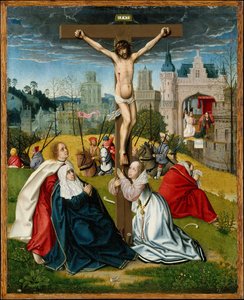
Krótka nota
- Artistic Movement Or Style: Flemish Primitive
- Artists Or Movements Influenced By This Artist: ['Albrecht Dürer']
- Artists Who Influenced This Artist:
- Gerard David
- Hans Memling
- Date Of Birth: c. 1462/65
- Date Of Death: January 1529
- Full Name: Jan Provost
- Nationality: Flemish
- Notable Artworks:
- Abraham, Sarah
- The Crucifixion
- Place Of Birth: Mons, Belgium
Powiązane artykuły

Jan van Eyck: Innovation, Symbolism & the Dawn of Early Netherlandish Painting
Explore the revolutionary art of Jan van Eyck! Discover his groundbreaking oil painting techniques, hidden symbolism, and lasting impact on the Early Netherlandish Renaissance. A deep dive for art enthusiasts.

10 Arcydzieł Wczesnoniderlandzkiego Malarstwa, które Zdefiniowały Epokę | Reprodukcje Obrazów
Odkryj 10 arcydzieł wczesnoniderlandzkiego malarstwa! Poznaj historie van Eycka, Weydena i Memlinga. Reprodukcje obrazów najwyższej jakości dla Twojego wnętrza. Inspiracje i dekoracje ścienne na OriginalUniqueArt.com

10 Arcydzieł Wczesnego Renesansu Niderlandzkiego: Sztuka i Dekoracja Domu
Odkryj 10 arcydzieł wczesnego renesansu niderlandzkiego! Poznaj historie van Eycka, Rogiera van der Weydena i innych mistrzów. Reprodukcje obrazów najwyższej jakości dla Twojego wnętrza – OriginalUniqueArt.com
Mastering Realism: A Definitive Guide to the Precision and Symbolism of the Early Netherlandish Renaissance
Discover the profound beauty of the Early Netherlandish Renaissance. Explore the revolutionary oil techniques, intricate symbolism, and masterful realism of Northern masters like Jan van Eyck in this expert-led guide for classical art enthusiasts.
Arcydzieła Północnego Renesansu: 10 Obrazów, które Zmieniły Sztukę | OriginalUniqueArt.com
Poznaj 10 arcydzieł Północnego Renesansu! Odkryj historie van Eycka, Dürera i Holbeina. Reprodukcje obrazów najwyższej jakości dla Twojego wnętrza. Inspiracje i zakup dzieł sztuki na OriginalUniqueArt.com.


