

 Podgląd w skali 1:1
 Wyślij jako kartkę
 Udostępnij
 Szczegóły dzieła
 Przewodnik

 Pobierz obraz
 Podobne obiekty
 RTG
RTG Pokaz slajdów
 Statystyki
Diana and Cupid
 Oil On Canvas
- WallArt
- Baroque Classicism
 1761
1761- Early Modern
 125.0 x 173.0 cm
 Metropolitan Museum of Art
 Rozwiń treść
Giclée / Wydruk artystyczny
Wydruki giclée lub płótna o jakości muzealnej, szybka realizacja i szeroki wybór opcji wykończenia. ( Zamów ręcznie malowaną reprodukcję Przejdź do wersji cyfrowej)




P118B zł10

P118H zł10

P118W zł10

P438Z zł10

P508JH zł12

P508YH zł12

P805H zł10

P805Z zł10

P919BZ zł10

P919G zł10

P919XJ zł10

P959ZH zł10

P968JZ zł12

W106C zł8

W218G zł10

W218JH zł8

W218Y zł10

W307PJ zł10

W316G zł10

W316PJ zł8

W316Y zł10

W398PJ zł8

W4111J zł10

W500HY zł15

W500JH zł15

W692G zł12

W849H zł8

W940BG zł15

W953PJ zł8




Wybierz spośród naszych standardowych rozmiarów, które zachowują oryginalne proporcje dzieła sztuki.

Wpisz wymaganą szerokość i wysokość, aby dopasować grafikę do ramy lub ściany. Wydruk można jedynie przyciąć, nigdy nie powiększając go poza oryginalny obraz, dlatego format o innych proporcjach spowoduje utratę części kompozycji. Przed rozpoczęciem druku prześlemy Ci cyfrowy podgląd do zatwierdzenia. Obraz wyświetlany na tej stronie nie pokazuje rzeczywistego przycięcia — jedynie podgląd oddaje ten efekt.
Dostawa na cały świat () w ciągu 2 tygodni zamiast standardowych 4/5 tygodni. (25 Październik)

Bezpłatna ekspresowa wysyłka na cały świat

Wysokiej jakości płótno lniane

Pełne ubezpieczenie przesyłki

Gwarancja zwrotu należności celnych i podatków importowych

Gwarancja wiernego odwzorowania kolorów

100-dniowa polityka zwrotów (tylko w przypadku wad)

Gwarancja 100% zwrotu pieniędzy

Zniżka przy zakupie wielu sztuk
 Opcja ze szkłem jest dostępna wyłącznie w rozmiarach poniżej 110 cm

Diana and Cupid
Giclée / Wydruk artystyczny
Wymiary reprodukcji
-


Cena całkowita
zł 307
The Divine Encounter: Diana and Cupid
To gaze upon this depiction of Diana and Cupid is to step directly into the luminous embrace of classical mythology filtered through the refined sensibilities of the Rococo era. Pompeo Batoni, master chronicler of aristocratic life and antiquity, captures a moment suspended between divine grace and tender domesticity. The goddess of the hunt, Diana, stands as an embodiment of wild, untamed beauty, yet here she is portrayed with a gentle intimacy as she regards her young son, Cupid. This painting transcends a mere portrait; it is a carefully orchestrated tableau vivant, rich with implied narrative tension that has captivated connoisseurs for generations.
A Study in Neoclassical Grace
Batoni’s artistic vocabulary is deeply indebted to the grandeur of classical antiquity, yet his execution retains the airy elegance characteristic of French Rococo influences. His style positions him as a crucial bridge figure—a precursor to the stark clarity of Neoclassicism while retaining a palpable warmth. Observe the handling of the drapery and the idealized forms; they speak to an academic refinement learned from masters like Raphael, yet imbued with a distinctly Italian luminosity. The composition itself is masterful, balancing the verticality of Diana’s stance against the grounded presence of her kneeling son and the watchful companionship of the two dogs flanking them. This careful arrangement ensures that every element contributes to a harmonious, almost breathless sense of poise.
Symbolism Woven into the Bow
The symbolism within this work is as potent as its visual beauty. Diana’s bow, elegantly held and seemingly paused mid-gesture, is not merely an accessory; it represents her dominion over nature and passion itself. The subtle tension Batoni introduces—the moment she withholds the weapon from Cupid—suggests a profound control over primal forces. Furthermore, the inclusion of the dogs adds a layer of pastoral warmth, grounding the divine subject matter in relatable companionship. It invites the viewer to contemplate the delicate balance between wild instinct and cultivated affection.
Historical Resonance and Decorative Appeal
Commissioned during a period when aristocratic patrons sought to visually link their modern status with the timeless virtues of ancient Rome, this piece served as more than mere decoration; it was a statement of cultured pedigree. For the contemporary collector or designer, owning a reproduction of Diana and Cupid offers an unparalleled opportunity to infuse a space with historical depth and sophisticated narrative flair. The scale (125 x 173 cm) allows it to function as a breathtaking focal point in a grand salon or library, echoing the stately elegance that defined the Enlightenment period.
Pytania i odpowiedzi
Dla kogo „Diana and Cupid” – Pompeo Batoni będzie idealnym prezentem?
„Diana and Cupid” to doskonały pomysł na prezent dla Anniversary.
Czy dzieło "Diana and Cupid" posiada podgląd w rozszerzonej rzeczywistości?
Strona Podgląd w AR dzieła „Diana and Cupid” – Pompeo Batoni wykorzystuje rozszerzoną rzeczywistość, aby dzięki kompatybilnemu urządzeniu pokazać obraz w Twojej własnej przestrzeni.
Skąd pochodzą odwiedzający „Diana and Cupid” – Pompeo Batoni?
Statystyki dotyczące „Diana and Cupid” – Pompeo Batoni znajdują się na stronie Statystyki wyświetleń dzieła: obejmują one miesięczną liczbę odwiedzin danego dzieła, wizyty przy pracach artysty oraz podział ostatnich odwiedzających według krajów i języków.
Biografia artysty
Wczesne lata i kształcenie
- Urodzony: Lucca, Włochy (1708)
- Zmarł: 1787
- Pompeo Batoni przeprowadził się do Rzymu w 1727 roku.
- Praktykował pod okiem Agostino Masucciego, Sebastiano Conca oraz Francesco Imperialiego.
- Jego pierwsze niezależne zlecenie pojawiło się w wyniku ulewnych deszczy, które nawiedziły Rzym w kwietniu 1732 roku.
- Obraz „Ekstaza świętej Katarzyny ze Sieny” ilustruje jego akademickie wyrafinowanie późnobarokowego stylu.
Styl artystyczny i wpływy
- Styl Batoniego czerpał inspirację z antyku, francuskiego rokoka, bolońskiego klasycyzmu oraz twórczości takich artystów jak Nicolas Poussin, Claude Lorrain, a w szczególności Rafael.
- Uznaje się go za prekursora klasycyzmu.
- Jego dzieła można odnaleźć w różnych muzeach, w tym w Pinacoteca di Brera w Mediolanie we Włoszech.
Wyróżniające się dzieła i zlecenia
- Dziewica z Dzieciątkiem i świętymi
- Rycerz w Rzymie: Charles Cecil Roberts – słynny portret brytyjskiego podróżnika, osadzony na tle rzymskich ruin.
- Triumf Wenecji
- Liczne ołtarze dla kościołów we Włoszech, takich jak Duomo w Sienie.
- Cieszył się ogromnym popytem na portrety, szczególnie wśród brytyjskich podróżnych odbywających Grand Tour, którzy zamawiali portrety pełnej postaci na tle antycznych scenerii.
Rozwój i znaczenie historyczne
- Batoni stał się niezwykle modnym malarzem w Rzymie po tym, jak jego rywal, Anton Raphael Mengs, wyjechał do Hiszpanii w 1761 roku.
- Zaprzyjaźnił się z Winckelmannem i dążył do powściągnięcia klasycyzmu w swoim malarstwie.
- Jego portrety oddawały ducha epoki Grand Tour, odzwierciedlając fascynację antykiem wśród europejskich elit.
- Zdolność Batoniego do łączenia technik barokowych z rodzącymi się ideałami neoklasycyzmu pozycjonowała go jako postać przejściową w historii sztuki włoskiej.
Dziedzictwo
- Pompeo Batoni zmarł 4 lutego 1787 roku w Rzymie.
- Pozostawił po sobie dziedzictwo jednego z najsłynniejszych włoskich malarzy swoich czasów.
- Jego twórczość nadal budzi podziw ze względu na kunszt techniczny, eleganckie kompozycje oraz przenikliwe portretowanie jednostek w ich kontekście historycznym.

Pompeo Batoni
1708 - 1787 , Włochy
Krótka nota
- Artistic Movement Or Style: Neoklasycyzm
- Artists Who Influenced This Artist:
- Nicolas Poussin
- Claude Lorrain
- Rafael
- Date Of Birth: 1708
- Date Of Death: 1787
- Full Name: Pompeo Batoni
- Nationality: Włoska
- Notable Artworks:
- Dziewica z Dzieciątkiem ze świętymi
- Rycerz w Rzymie
- Triumf Wenecji
- Place Of Birth (City And Country): Lukka, Włochy
Powiązane artykuły

Top 10 arcydzieł epoki rokoka: artyści, historia i dekoracje wnętrz | OriginalUniqueArt.com
Odkryj 10 arcydzieł epoki rokoka! Poznaj Watteau, Boucher’a i Fragonarda – artystów, którzy zdefiniowali ten styl. Inspiracje wnętrzarskie, pastelowe kolory i reprodukcje obrazów najwyższej jakości na OriginalUniqueArt.com. Eksploruj kolekcję online!

Rokokowy przepych: Bunt i rozkosz w sztuce XVIII wieku
Poznaj fascynujący świat rokoka – stylu pełnego wdzięku i przepychu! Odkryj historię, charakterystykę oraz wpływ tego nurtu na sztukę XVIII wieku. Ekspercka analiza i inspiracje dla miłośników historii sztuki.

Urok Elegancji w Sztuce: Historyczna i Estetyczna Eksploracja Wzniosłości i Gracji
Odkryj historię elegancji w sztuce – od rokoka po neoklasycyzm. Analiza dzieł Sir Joshua Reynoldsa i wpływu estetyki XVIII wieku na współczesne wnętrza. Ekskluzywne reprodukcje obrazów na OriginalUniqueArt.com.
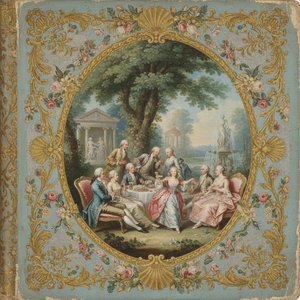
Rokokowy Styl: Arystokratyczne Przestrzenie Rozkoszy i Poszukiwanie Piękna w Sztuce XVIII Wieku
Odkryj świat rokoka – elegancji, luksusu i subtelności XVIII wieku. Poznaj mistrzów malarstwa, charakterystyczne cechy stylu oraz wpływ na sztukę i kulturę. Ekskluzywne reprodukcje obrazów na OriginalUniqueArt.com.
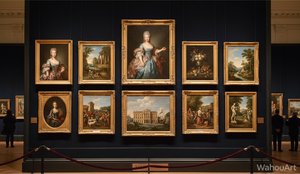
Arcydzieła XVIII Wieku: 10 Obrazów, Które Zdefiniowały Epokę | OriginalUniqueArt
Odkryj 10 arcydzieł XVIII wieku! Poznaj historie Watteau, Fragonarda i Canaletta. Reprodukcje obrazów w stylu rokoko i klasycyzmu idealne do Twojego wnętrza. Inspiracje artystyczne na OriginalUniqueArt.com
