
 Podgląd w skali
 Wyślij
 Udostępnij
 Szczegóły

 Pobierz plik obrazu
 Podobne obiekty
 RTG
RTG Pokaz slajdów
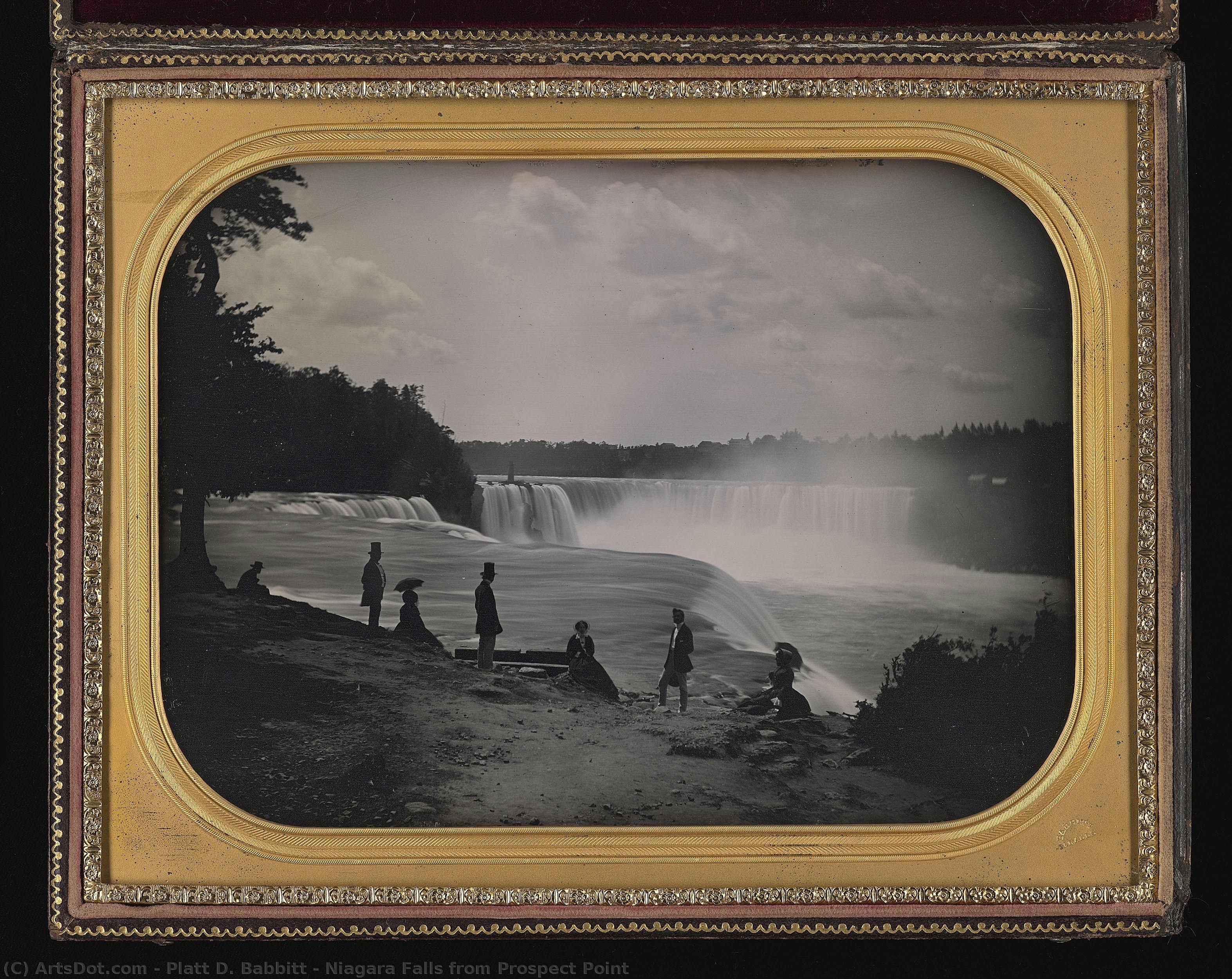
Niagara Falls from Prospect Point
 Acrylic On Canvas
- WallArt
- American Romanticism
 1855
1855 16.0 x 21.0 cm
 Narodowa Galeria Kanady
 Czytaj więcej
Giclée / Wydruk artystyczny
Druk giclée lub płótno o jakości muzealnej, szybka realizacja i szeroki wybór opcji wykończenia. ( Zamów ręcznie malowaną reprodukcję Przełącz na obraz)




P118B $10

P118H $10

P118W $10

P438Z $10

P508JH $12

P508YH $12

P805H $10

P805Z $10

P919BZ $10

P919G $10

P919XJ $10

P959ZH $10

P968JZ $12

W106C $8

W218G $10

W218JH $8

W218Y $10

W307PJ $10

W316G $10

W316PJ $8

W316Y $10

W398PJ $8

W4111J $10

W500HY $15

W500JH $15

W692G $12

W849H $8

W940BG $15

W953PJ $8




Wybierz spośród naszych standardowych rozmiarów, które zachowują oryginalne proporcje dzieła sztuki.

Możesz wprowadzić własne wymiary, aby dopasować dzieło do konkretnej ramy lub przestrzeni. Jeśli wybrany rozmiar nie będzie odpowiadał proporcjom oryginalnego obrazu, przytniecie dzieło lub rozszerzymy obraz za pomocą odbicia lustrzanego lub jednolitego wypełnienia krawędzi. Przed rozpoczęciem produkcji prześlemy cyfrową wizualizację do Twojej akceptacji.
Prosimy pamiętać, że podgląd na ekranie nie odzwierciedla faktycznego przycinania ani rozszerzania. Tylko wizualizacja dokładnie pokaże końcową kompozycję.
Mimo dostępności niestandardowych rozmiarów, zalecamy wybór wymiaru z listy zdefiniowanej, aby zachować oryginalne proporcje.
Dostawa na cały świat () w ciągu 2 tygodni zamiast standardowych 4/5 tygodni. (6 Sierpień)

Bezpłatna ekspresowa wysyłka na cały świat

Wysokiej jakości płótno lniane

Pełne ubezpieczenie transportowe

Gwarancja zwrotu należności celnych i podatków importowych

Gwarancja pełnego odwzorowania kolorów

Polityka 60-dniowego zwrotu (tylko w przypadku wad)

Gwarancja 100% zwrotu pieniędzy

Oferta rabatowa przy większych zamówieniach
 Opcja ze szkłem jest dostępna wyłącznie w rozmiarach poniżej 110 cm

Niagara Falls from Prospect Point
Giclée / Wydruk artystyczny
Rozmiar reprodukcji
-


Suma do zapłaty
$ 80
Opis obiektu
A Panoramic Vision of Natural Majesty: Niagara Falls from Prospect Point by Platt D. Babbitt
Platt D. Babbitt’s “Niagara Falls from Prospect Point,” created in 1855, stands as a testament to the burgeoning fascination with landscape photography during the Victorian era and exemplifies Babbitt's pioneering approach to capturing the grandeur of American wilderness.
The Photographer's Bold Innovation
Born in Lanesborough, Massachusetts, in 1822, Babbitt wasn’t merely documenting a scenic vista; he was actively shaping its representation. Recognizing the limitations of conventional daguerreotypes—particularly their sensitivity to light and difficulty in achieving accurate color—Babbitt employed an ambrotype process, utilizing a pewter plate coated with bitumen varnish and sensitized with collodion. This technique allowed for sharper detail and greater tonal range than traditional methods, resulting in an image that retains remarkable clarity despite its monochrome palette.
A Snapshot of Victorian Curiosity
The photograph depicts Niagara Falls from Prospect Point, offering a breathtaking panorama of Horseshoe Falls and the surrounding gorge. The composition is carefully framed, emphasizing the sheer scale of the waterfall and highlighting the presence of several visitors enjoying the spectacle. Notably, Babbitt’s meticulous attention to detail included positioning a bench strategically within the frame—a deliberate gesture intended to convey the experience of witnessing this monumental natural wonder.
Competition and Collaboration: The Rivalry at Niagara
Babbitt's success wasn’t achieved in isolation. He faced competition from other photographers eager to capture Niagara Falls, including William Thompson, who attempted to photograph the falls from Prospect Point himself. Accounts detail a spirited contest between Babbitt and Thompson, where Babbitt employed large umbrellas to shield his camera from direct sunlight—a tactic reflecting the competitive spirit of the time and demonstrating Babbitt’s determination to secure the best possible image.
Symbolism of Scale and Observation
"Niagara Falls from Prospect Point" transcends mere visual representation; it embodies the Victorian preoccupation with sublime landscapes. The immense scale of the waterfall evokes feelings of awe and humility, prompting contemplation on humanity's place within the natural world. Furthermore, Babbitt’s inclusion of human figures underscores the importance of observation and experience—the photograph invites viewers to immerse themselves in the beauty and grandeur of Niagara Falls.
- Artist: Platt D. Babbitt (1853 - 1870s)
- Medium: Ambrotype
- Dimensions: 85 x 120 mm (3 3/8 x 4 3/4 in.)
- Credit Line: Museum purchase, Achenbach Foundation for Graphic Arts Endowment Fund
- Accession Number: 2000.58
Biografia artysty
the pioneering spirit in american photography
platt d. babbitt, an american photographer, left an indelible mark on the world of photography with his captivating images of niagara falls. born on may 22, 1822, in lanesborough, massachusetts, babbitt's life was a testament to his passion for capturing the beauty of nature through the lens.early career and notable works
platt d. babbitt began his photographic journey by opening a gallery on ridout street in london, ontario, in november 1850. his work soon gained popularity, particularly among tourists visiting niagara falls. some of his most notable works include:- scene at niagara falls, a daguerreotype (circa 1855), showcasing the breathtaking scenery and capturing the essence of the falls.
- bridge to goat island, another iconic piece, highlighting babbitt's ability to frame the beauty of the area.
- man stranded on rocks in the niagara river, a poignant image that showcases his skill in capturing the human element amidst the natural wonder.
photographic innovations and business ventures
babbitt's photographic monopoly on the american side of niagara falls, awarded in 1853, allowed him to capture customized tourist daguerreotypes. his use of glass stereo view images and diapositive "window hanger" images demonstrates his innovative approach to photography. key achievements:- correspondence with southworth & hawes, leading to the purchase of one or two parlor stereoscopes.
- collaboration with concession owner saul davis and other novelty shop owners to enhance his business.
legacy and tragic end
tragically, platt d. babbitt's life ended in suicide on august 21, 1879, at south wales, new york. despite this, his photographic legacy endures, with many of his works preserved by institutions like the metropolitan museum of art and national galleries of scotland.- explore more of babbitt's works at OriginalUniqueArt.com.
- learn about the history of photography and its evolution at the art media photography.
- discover the collection of artworks, including those by platt d. babbitt, at OriginalUniqueArt studios, where you can also commission paintings from your photos.
remembering a pioneering spirit in american photography
platt d. babbitt's life and work serve as a reminder of the power of photography to capture the essence of nature and human experience. his legacy, preserved through his photographs, continues to inspire artists and photographers alike.
platt d. babbitt
1822 - 1879 , United States of America
Najważniejsze informacje
- Artistic Movement Or Style: Animal Painting/Sculpture
- Artists Or Movements Influenced By This Artist: ['Neoclassicism']
- Artists Who Influenced This Artist: ['Her father (landscape painter)']
- Date Of Birth: 1822
- Date Of Death: 1899
- Full Name: Rosa Bonheur
- Nationality: French
- Notable Artworks:
- Plowing in Nivernais
- The Horse Fair
- Place Of Birth: Bordeaux, France
Zobacz także powiązane artykuły

Monochromatyczne Wizje: Estetyka i Historyczne Znaczenie Fotografii Czarno-Białej
Odkryj fascynujący świat fotografii czarno-białej! Poznaj historię, techniki i arcydzieła monochromatycznej sztuki. Inspiracje, porady i analiza wpływu na współczesną estetykę. OriginalUniqueArt.com.

Beyond the Lens: Photography's Enduring Influence on Modern & Contemporary Art
Explore photography's pivotal role in shaping modern & contemporary art. Discover key movements, influential artists like Stieglitz, and expert collecting advice from OriginalUniqueArt.

Piktorializm w Polsce: Poszukiwanie Duszy Fotografii i Estetyki Malarskiej
Poznaj historię piktorializmu w Polsce – nurtu fotografii artystycznej dążącego do estetyki malarskiej. Odkryj kluczowe postacie, techniki i wpływ na polską sztukę. Ekspercka analiza i fascynujące fakty!

The Lens of Truth: A Comprehensive History and Legacy of Documentary Photography
Explore the profound history of documentary photography. From early daguerreotypes to social reform movements, discover how the lens captures truth, preserves vanishing cultures, and shapes our global visual narrative through an expert art-historical lens.

Witnessing History Through Lens & Light: Documentary Photography's Enduring Legacy
Explore the powerful history of documentary photography – from its origins to contemporary masters like Gordon Parks & W. Eugene Smith. Discover how this art form shapes our understanding of society and witness pivotal moments in time.

