

 Wyślij jako kartkę
 Udostępnij
 Szczegóły dzieła

 Pobierz
 Podobne obiekty
 Pokaz slajdów
Triumph of a Warrior
 Fresco
- Italian Renaissance
 1509
1509- Renaissance
 77.0 x 71.0 cm
 Rozwiń treść
Ręcznie malowana reprodukcja olejowa
Ręcznie malowany obraz olejny na płótnie, wykonany na zamówienie przez naszych artystów w wybranym przez Ciebie wymiarze i oprawie. ( Zamów wydruk Kup obraz wysokiej rozdzielczości)




































Wybierz spośród naszych standardowych rozmiarów, które zachowują oryginalne proporcje dzieła sztuki.

Możesz wprowadzić własne wymiary, aby dopasować obraz do konkretnej ramy lub przestrzeni. Jeśli wybrany rozmiar nie będzie odpowiadał proporcjom oryginału, przytniecie dzieło sztuki lub rozszerzymy je o dodatkowe elementy, ręcznie domalowane przez artystę. Przed rozpoczęciem produkcji wyślemy projekt cyfrowy do Twojej akceptacji.
Należy pamiętać, że podgląd na ekranie nie odzwierciedla rzeczywistego przycinania ani rozszerzania obrazu. Tylko projekt dokładnie pokaże ostateczną kompozycję.
Choć oferujemy możliwość zamówienia niestandardowych rozmiarów, zalecamy wybór wymiaru z gotowej listy, aby zachować oryginalne proporcje dzieła.
Po złożeniu zamówienia zespół OriginalUniqueArt.com skontaktuje się z klientem drogą mailową w celu uzyskania instrukcji i prześle wizualizację projektu
Dostawa na całym świecie () w ciągu 3–4 tygodni zamiast standardowych 5 tygodni. (22 Sierpień). Bez kompromisów w kwestii jakości.

Bezpłatna ekspresowa wysyłka na cały świat

Wysokiej jakości płótno lniane

Pełne ubezpieczenie przesyłki

Gwarancja zwrotu należności celnych i podatków importowych

Gwarancja wiernego odwzorowania kolorów

Polityka 60-dniowego zwrotu (tylko w przypadku wad)

Gwarancja 100% zwrotu kosztów

Zniżka przy zamówieniu wielu produktów
 Opcja ze szkłem jest dostępna wyłącznie w rozmiarach poniżej 110 cm

Triumph of a Warrior
Technika reprodukcji
Wymiary reprodukcji
-


Cena całkowita
$ 300
Opis dzieła
A Vision of Renaissance Splendor
In the delicate dance of light and pigment that defines the Italian Renaissance, few works capture the era's celebratory spirit as exquisitely as Pinturicchio’s Triumph of a Warrior. Created in 1509, this breathtaking fresco serves as a window into a world where classical antiquity and contemporary grandeur converged. The scene unfolds with a sense of rhythmic motion, centered upon a woman poised regally within a chariot. Pulled by two spirited horses, the chariot moves through a landscape populated by figures that seem to emerge from the very fabric of history itself. There is an undeniable theatricality to the composition; it is not merely a depiction of a moment, but a staged spectacle of victory and grace, designed to evoke awe in all who behold it.
The artistry of Bernardino di Betto, known affectionately as Pinturicchio, shines through in the meticulous attention to decorative detail. Unlike the starker realism found in some of his contemporaries, Pinturicchio embraced a vibrant, ornamental sensibility that breathes life into every corner of the fresco. The technique reflects a masterful command of the fresco medium, where pigments are applied to wet plaster to become an inseparable part of the wall. This method lends the work a luminous quality, particularly in the way the figures interact with the surrounding architectural elements and stuccowork. For the discerning collector or interior designer, this piece offers a sophisticated layer of historical texture, bringing the opulent atmosphere of a 16th-century Italian palace into a modern living space.
Historical Echoes and Symbolic Depth
To understand the profound impact of this masterpiece, one must look to its origins within the Palazzo del Magnifico in Siena. Commissioned for the powerful Pandolfo Petrucci, the work was part of an ambitious decorative program intended to mirror the splendor of ancient Rome. Pinturicchio was deeply inspired by his explorations of Nero’s Golden House, and this influence is palpable in the way he integrates mythological themes with classical motifs. The chariot, a symbol of triumph and divine movement, serves as a powerful metaphor for the ascent of greatness. The surrounding figures—some kneeling in reverence, others observing from the periphery—create a narrative depth that suggests a larger, epic celebration of power and virtue.
The emotional resonance of Triumph of a Warrior lies in its ability to balance movement with stillness. While the horses suggest forward momentum and the energy of a parade, there is an underlying sense of eternal grace provided by the artist's refined line work. This duality makes the artwork an exceptional choice for those seeking to infuse their environments with a sense of timelessness and prestige. Whether viewed as a historical document of the High Renaissance or as a purely aesthetic triumph of color and form, the painting remains a captivating testament to Pinturicchio’s ability to transform plaster and pigment into a lasting legacy of human achievement.
O artyście
Bernardino di Betto, Known as Pinturicchio
Bernardino di Betto, known to the world as Pinturicchio – a nickname affectionately bestowed upon him for his diminutive stature – emerged from the artistic heartland of Perugia in 1454. His life unfolded during a period of immense cultural ferment, the High Renaissance blossoming across Italy, yet Pinturicchio carved out a unique path, one that blended the lingering elegance of Gothic traditions with the burgeoning innovations of the era. While giants like Leonardo da Vinci and Michelangelo strove for anatomical perfection and dramatic realism, Pinturicchio cultivated a style characterized by refined grace, intricate detail, and a vibrant, decorative sensibility. His journey wasn’t one of revolutionary upheaval, but rather of exquisite refinement – a testament to his skill in transforming established forms into something uniquely captivating.Early Years and Training
Little is known about Pinturicchio's formative years, though it’s believed he honed his artistic skills under the guidance of lesser-known Perugian masters like Bonfigli and Fiorenzo di Lorenzo. These early influences undoubtedly instilled in him a foundational understanding of Gothic aesthetics—a preference for elongated figures, rich drapery, and symbolic ornamentation—which would subtly permeate his later works. Giorgio Vasari recounts that Pinturicchio served as an assistant to Pietro Perugino, a leading figure of the Umbrian school, a collaboration that undeniably shaped his artistic development. This connection proved crucial in securing a commission for the Sistine Chapel in Rome during the early 16th century.The Sistine Chapel Frescoes: A Collaborative Effort
Pinturicchio’s participation in the Sistine Chapel project represents one of the most significant achievements of his career. Alongside Botticelli, Ghirlandaio, and Signorelli—artists who were pushing the boundaries of artistic innovation—he contributed to this monumental undertaking. Tragically, Pinturicchio's frescoes were subsequently destroyed to make way for Michelangelo’s *Last Judgement*, a devastating loss for art history but one that cemented his reputation as a master of decorative fresco technique. The project exposed him to new influences and demonstrated his ability to integrate classical ideals with the stylistic conventions of his time.Rome and the Borgia Apartments: Decorative Splendor
Following the Sistine Chapel commission, Pinturicchio flourished in Rome between 1484 and 1492, receiving commissions from prominent families like the Della Rovere. His frescoes adorning chapels within Santa Maria del Popolo showcased his mastery of color and composition—elements that would become hallmarks of his distinctive style. However, it was his work for Pope Alexander VI – Rodrigo Borgia – that truly elevated Pinturicchio’s artistic stature. Commissioned to decorate the Borgia Apartments within the Vatican Palace between 1492 and 1494, he created a suite of rooms lavishly adorned with frescoes depicting mythological scenes, portraits, and allegorical representations. These apartments—though controversial due to their association with the Borgia family’s notorious reputation—stand as an unparalleled exemplar of Renaissance decorative art, revealing Pinturicchio’s exceptional talent for blending classical motifs with his own unique aesthetic sensibility. The extensive use of gold leaf, vibrant hues, and illusionistic techniques conjured an atmosphere of opulent splendor, reflecting the ambition and power of the papal court.Legacy and Influence
Pinturicchio's artistic legacy is one characterized by refined elegance and meticulous craftsmanship—a legacy that continues to inspire artists today. While he may not have achieved the fame of Leonardo or Michelangelo, his influence on subsequent generations was considerable. His distinctive style—a harmonious blend of Gothic grace and Renaissance innovation—resonated with those who appreciated subtlety and detail. He demonstrated an unparalleled ability to transform established artistic traditions into something profoundly beautiful and intellectually stimulating. Notably, Pinturicchio’s contribution to the Piccolomini Library in Siena—completed shortly before his death in 1513—offers a poignant glimpse into his final creative period. The frescoes depicting scenes from Pope Pius II's life exemplify a clarity of form and color that foreshadowed the High Renaissance style, securing his place as an enduring figure in Italian art history.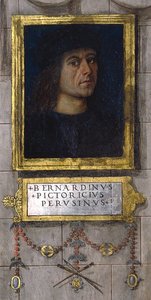
Bernardino di Betto
1454 - 1513 , Włochy
Krótka nota
- Artistic Movement Or Style: Renaissance Umbrian School
- Artists Or Movements Influenced By This Artist: ['Raphael']
- Artists Who Influenced This Artist:
- Pietro Perugino
- Bonfigli
- Fiorenzo di Lorenzo
- Date Of Birth: Ok. 1454 Perugia
- Date Of Death: 1513 Siena
- Full Name: Bernardino di Betto
- Nationality: Italian
- Notable Artworks:
- Sistine Chapel frescoes
- Borgia Apartments decor.
- Saint Augustine
- Place Of Birth: Perugia Italy
Powiązane artykuły

Fresk jako Rodzinna Spuścizna: Utrwalenie Dziedzictwa na Ścianach
Odkryj sztukę fresku! Poznaj historię, technikę i inspiracje. Zamów spersonalizowany fresk rodzinny – trwałe dzieło sztuki dla przyszłych pokoleń. Profesjonalna konserwacja i ochrona.

The Enduring Legacy of Fresco Painting: Techniques, History & Contemporary Relevance
Explore the rich history & enduring artistry of fresco painting – from Giotto to Michelangelo! Discover techniques, conservation efforts, & modern applications. Learn how OriginalUniqueArt brings this timeless art form to your home.

Trwała Spuścizna Fresku: Technika, Historia i Wyraz Artystyczny w Różnych Kulturach
Odkryj fascynujący świat fresków! Poznaj historię, technikę tworzenia i wybitnych artystów. Ekspercka analiza konserwacji i współczesne zastosowania malowideł ściennych. Inspiracje dla wnętrz i pasjonatów sztuki.

Sztuka, która ożywia przestrzeń: Emocjonalna siła fresku we wnętrzu
Poznaj fascynujący świat fresków! Ekspercka wiedza o technice, historii i konserwacji malowideł ściennych. Inspiracje dla wnętrz i możliwość zamówienia unikalnego dzieła sztuki.

Fresk: Technika, Historia i Artystyczna Ekspresja – Od Antyku do Współczesności
Poznaj historię i technikę fresku – od antycznych korzeni po współczesne zastosowania. Ekspercka analiza, konserwacja i inspiracje dla miłośników sztuki. Odkryj trwałość i piękno malowideł ściennych!

