

 Zobacz w skali 1:1
 Wyślij
 Udostępnij
 Szczegóły
 Przewodnik

 Pobierz plik obrazu
 Podobne obiekty
 RTG
RTG Pokaz slajdów
 Statystyki
Galatea (?)
 1509
1509 63.0 x 100.0 cm
 Czytaj więcej
Kup wysokiej rozdzielczości, ulepszony obraz cyfrowy o jakości znacznie przewyższającej podgląd online.
Każdy plik jest starannie przygotowywany przez naszych specjalistów przy użyciu zaawansowanych narzędzi oraz profesjonalnej, ręcznej retuszy. Dbamy o to, aby każdy obraz cechował się wyjątkową ostrością, precyzyjnym odwzorowaniem kolorów i subtelnymi detalami.
Ostateczny plik dostarczany jest drogą mailową w ciągu 72 godzin, zoptymalizowany do natychmiastowego wykorzystania w profesjonalnych zastosowaniach redakcyjnych i poligraficznych. To ta sama jakość, której ufają czołowe studia projektowe, wydawnictwa oraz galerie sztuki.
Obraz cyfrowy
Pobierz plik o wysokiej rozdzielczości do osobistego użytku, druku oraz projektów kreatywnych. ( Przełącz na wersję drukowaną Kup ręcznie malowany obraz)
W każdym zamówieniu na obraz cyfrowy znajduje się
Profesjonalna dostawa cyfrowa z gwarancją
Wybierając OriginalUniqueArt.com, nie otrzymujesz jedynie obrazu – otrzymujesz profesjonalnie udoskonalone cyfrowe dzieło sztuki, stworzone z najwyższą precyzją i objęte gwarancją satysfakcji. Oto wszystko, co automatycznie dołączane jest do Twojego zamówienia:

Błyskawiczna dostawa e-mailowa
Plik z obrazem cyfrowym w wysokiej rozdzielczości zostanie przesłany na Twój adres e-mail w ciągu 72 godzin od złożenia zamówienia – gotowy do natychmiastowego użycia.

Plik cyfrowy ulepszony przez AI
Twoja grafika została profesjonalnie zoptymalizowana przy użyciu zaawansowanych narzędzi AI oraz ręcznej edycji, co zapewnia maksymalną szczegółowość, klarowność i wierność kolorów.

Bezpłatna dożywotnia ponowna dostawa
Przypadkowo usunąłeś lub zgubiłeś swój plik? Bez obaw – prześlemy go Tobie ponownie w dowolnym momencie, bez żadnych opłat.

Bez opłat importowych – zawsze
Ciesz się swoją sztuką natychmiast, bez żadnych opłat celnych, należności ani kosztów dostawy – pliki cyfrowe są zawsze wolne od podatku.

Gwarancja odwzorowania kolorów
Dzięki zastosowaniu profesjonalnych narzędzi i procesów zarządzania barwą zapewniamy, że Twoje cyfrowe zdjęcie odzwierciedla oryginalne kolory tak wiernie, jak to tylko możliwe.

100 dni na satysfakcję
Jeśli nie będziesz zadowolony ze swojego cyfrowego obrazu, poprawimy go lub zwrócimy 100% kosztów w ciągu 100 dni – bez zbędnych pytań.

100% Gwarancja zwrotu pieniędzy
Nie jesteś zadowolony? Otrzymaj pełny zwrot kosztów w ciągu 100 dni od otrzymania pliku cyfrowego – bez zbędnych pytań.

Rabaty przy zamówieniach hurtowych
Kup 3 obrazy, oszczędź 10% - Kup 5, oszczędź 15% - Kup 10+, oszczędź 20%. Idealne do projektów kreatywnych, galerii i agencji.
Pytania i odpowiedzi
Czy mogę przyjrzeć się bliżej dziełu "Galatea (?)"?
Widok rentgenowski dzieła „Galatea (?)” autorstwa Bernardino di Betto znajduje się na stronie Prześwietlenie utworu: to interaktywna analiza obrazu poprzez jedenaście warstw optycznych.
Gdzie mogę kupić wydruk „Galatea (?)” autorstwa Bernardino di Betto?
„Galatea (?)” jest dostępny jako szlachetna odbitka na płótnie bawełnianym lub archiwalnym papierze płótnopodobnym. Zamówienia można składać na stronie Wydruk artystyczny, wybierając dowolny rozmiar.
Jak mogę odkryć dzieła zbliżone do „Galatea (?)” autorstwa Bernardino di Betto?
Dzieła podobne do „Galatea (?)” autorstwa Bernardino di Betto zostały zgromadzone na stronie Podobne dzieła danego dzieła.
Biografia artysty
Bernardino di Betto, Known as Pinturicchio
Bernardino di Betto, known to the world as Pinturicchio – a nickname affectionately bestowed upon him for his diminutive stature – emerged from the artistic heartland of Perugia in 1454. His life unfolded during a period of immense cultural ferment, the High Renaissance blossoming across Italy, yet Pinturicchio carved out a unique path, one that blended the lingering elegance of Gothic traditions with the burgeoning innovations of the era. While giants like Leonardo da Vinci and Michelangelo strove for anatomical perfection and dramatic realism, Pinturicchio cultivated a style characterized by refined grace, intricate detail, and a vibrant, decorative sensibility. His journey wasn’t one of revolutionary upheaval, but rather of exquisite refinement – a testament to his skill in transforming established forms into something uniquely captivating.Early Years and Training
Little is known about Pinturicchio's formative years, though it’s believed he honed his artistic skills under the guidance of lesser-known Perugian masters like Bonfigli and Fiorenzo di Lorenzo. These early influences undoubtedly instilled in him a foundational understanding of Gothic aesthetics—a preference for elongated figures, rich drapery, and symbolic ornamentation—which would subtly permeate his later works. Giorgio Vasari recounts that Pinturicchio served as an assistant to Pietro Perugino, a leading figure of the Umbrian school, a collaboration that undeniably shaped his artistic development. This connection proved crucial in securing a commission for the Sistine Chapel in Rome during the early 16th century.The Sistine Chapel Frescoes: A Collaborative Effort
Pinturicchio’s participation in the Sistine Chapel project represents one of the most significant achievements of his career. Alongside Botticelli, Ghirlandaio, and Signorelli—artists who were pushing the boundaries of artistic innovation—he contributed to this monumental undertaking. Tragically, Pinturicchio's frescoes were subsequently destroyed to make way for Michelangelo’s *Last Judgement*, a devastating loss for art history but one that cemented his reputation as a master of decorative fresco technique. The project exposed him to new influences and demonstrated his ability to integrate classical ideals with the stylistic conventions of his time.Rome and the Borgia Apartments: Decorative Splendor
Following the Sistine Chapel commission, Pinturicchio flourished in Rome between 1484 and 1492, receiving commissions from prominent families like the Della Rovere. His frescoes adorning chapels within Santa Maria del Popolo showcased his mastery of color and composition—elements that would become hallmarks of his distinctive style. However, it was his work for Pope Alexander VI – Rodrigo Borgia – that truly elevated Pinturicchio’s artistic stature. Commissioned to decorate the Borgia Apartments within the Vatican Palace between 1492 and 1494, he created a suite of rooms lavishly adorned with frescoes depicting mythological scenes, portraits, and allegorical representations. These apartments—though controversial due to their association with the Borgia family’s notorious reputation—stand as an unparalleled exemplar of Renaissance decorative art, revealing Pinturicchio’s exceptional talent for blending classical motifs with his own unique aesthetic sensibility. The extensive use of gold leaf, vibrant hues, and illusionistic techniques conjured an atmosphere of opulent splendor, reflecting the ambition and power of the papal court.Legacy and Influence
Pinturicchio's artistic legacy is one characterized by refined elegance and meticulous craftsmanship—a legacy that continues to inspire artists today. While he may not have achieved the fame of Leonardo or Michelangelo, his influence on subsequent generations was considerable. His distinctive style—a harmonious blend of Gothic grace and Renaissance innovation—resonated with those who appreciated subtlety and detail. He demonstrated an unparalleled ability to transform established artistic traditions into something profoundly beautiful and intellectually stimulating. Notably, Pinturicchio’s contribution to the Piccolomini Library in Siena—completed shortly before his death in 1513—offers a poignant glimpse into his final creative period. The frescoes depicting scenes from Pope Pius II's life exemplify a clarity of form and color that foreshadowed the High Renaissance style, securing his place as an enduring figure in Italian art history.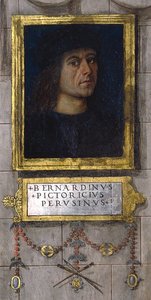
Bernardino di Betto
1454 - 1513 , Włochy
Najważniejsze informacje
- Artistic Movement Or Style: Renaissance Umbrian School
- Artists Or Movements Influenced By This Artist: ['Raphael']
- Artists Who Influenced This Artist:
- Pietro Perugino
- Bonfigli
- Fiorenzo di Lorenzo
- Date Of Birth: Ok. 1454 Perugia
- Date Of Death: 1513 Siena
- Full Name: Bernardino di Betto
- Nationality: Italian
- Notable Artworks:
- Sistine Chapel frescoes
- Borgia Apartments decor.
- Saint Augustine
- Place Of Birth: Perugia Italy