

 Zobacz w skali 1:1
 Wyślij
 Udostępnij
 Szczegóły

 Pobierz plik obrazu
 Podobne obiekty
 RTG
RTG Pokaz slajdów
 Statystyki
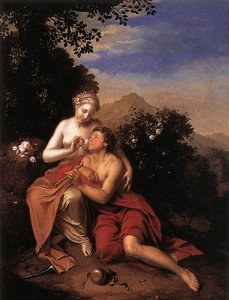
Granida and Diafilo


 Czytaj więcej
Giclée / Wydruk artystyczny
Wydruki giclée lub płótna o jakości muzealnej, szybka realizacja i szeroki wybór opcji wykończenia. ( Kup ręcznie malowany obraz Przełącz na wersję cyfrową)




P118B $10

P118H $10

P118W $10

P438Z $10

P508JH $12

P508YH $12

P805H $10

P805Z $10

P919BZ $10

P919G $10

P919XJ $10

P959ZH $10

P968JZ $12

W106C $8

W218G $10

W218JH $8

W218Y $10

W307PJ $10

W316G $10

W316PJ $8

W316Y $10

W398PJ $8

W4111J $10

W500HY $15

W500JH $15

W692G $12

W849H $8

W940BG $15

W953PJ $8




Wybierz spośród naszych standardowych rozmiarów, które zachowują oryginalne proporcje dzieła sztuki.

Możesz wprowadzić własne wymiary, aby dopasować dzieło do konkretnej ramy lub przestrzeni. Jeśli wybrany rozmiar nie będzie odpowiadał proporcjom oryginalnego obrazu, przytniecie dzieło lub rozszerzymy obraz za pomocą odbicia lustrzanego lub jednolitego wypełnienia krawędzi. Przed rozpoczęciem produkcji prześlemy cyfrową wizualizację do Twojej akceptacji.
Prosimy pamiętać, że podgląd na ekranie nie odzwierciedla faktycznego przycinania ani rozszerzania. Tylko wizualizacja dokładnie pokaże końcową kompozycję.
Mimo dostępności niestandardowych rozmiarów, zalecamy wybór wymiaru z listy zdefiniowanej, aby zachować oryginalne proporcje.
Dostawa na cały świat () w ciągu 2 tygodni zamiast standardowych 4/5 tygodni. (18 Wrzesień)

Bezpłatna ekspresowa wysyłka na cały świat

Wysokiej jakości płótno lniane

Pełne ubezpieczenie transportowe

Gwarancja zwrotu należności celnych i podatków importowych

Gwarancja idealnego odwzorowania barw

100-dniowy okres na zwrot dzieła w przypadku wykrycia wad produkcyjnych

Gwarancja 100% zwrotu pieniędzy

Oferta przy zakupie wielu sztuk
 Opcja ze szkłem jest dostępna wyłącznie w rozmiarach poniżej 110 cm

Granida and Diafilo
Giclée / Wydruk artystyczny
Rozmiar reprodukcji
-


Suma do zapłaty
$ 80
A Tender Encounter in the Golden Glow of the Baroque
In the delicate interplay of light and shadow, Pieter van der Werff’s 1711 masterpiece, Granida and Diafilo, invites the viewer into a world of profound intimacy and pastoral romance. This exquisite painting captures a fleeting, breathless moment between two lovers, set against a backdrop that feels both timeless and deeply atmospheric. The composition centers on a seated figure, draped in rich, crimson fabrics that command attention, gently offering a small token—perhaps a flower or an apple—to her reclining companion. As the light of a setting sun or rising dawn washes over the scene, it illuminates the soft textures of skin and silk, creating a sense of palpable warmth. The figures are nestled within a lush, natural sanctuary where the foliage breathes with life, and the sky transitions through a dreamlike spectrum of azure and amber, evoking the quiet magic of a twilight encounter.
The artistry of Van der Werff is on full display through his masterful command of the Baroque style, characterized by a refined realism that borders on the porcelain. Unlike the more rugged textures found in some of his contemporaries, Van der Werff’s technique is marked by an extraordinary smoothness and meticulous attention to detail. Every fold of the heavy red drapery, every strand of hair, and the subtle luminosity of the figures' complexions are rendered with a precision that suggests a deep reverence for classical beauty. This smooth, almost enamel-like finish allows light to dance across the surface of the canvas, lending a three-dimensional volume to the bodies and a lifelike vitality to the surrounding landscape. For the discerning collector or interior designer, this level of technical sophistication offers a centerpiece that radiates elegance and a sense of historical prestige.
Symbolism and the Language of Courtly Love
Beyond its visual splendor, Granida and Diafilo serves as a narrative window into the themes of courtship and destiny. The title itself points toward a legendary tale of pastoral romance, where characters often represent the purity of emotion amidst the complexities of fate. The act of presenting a small object—a symbol of affection and a peace offering—acts as the emotional fulcrum of the piece, bridging the space between the seated and reclining figures. This gesture, combined with the soft, adoring gaze of Diafilo, speaks to the universal language of devotion. The setting, a secluded grove at the edge of day and night, symbolizes a liminal space where the boundaries between the human heart and the natural world dissolve, making the painting not just a depiction of a story, but an exploration of the very essence of romantic longing.
For those looking to integrate such a profound work into a curated space, this reproduction offers more than mere decoration; it provides an emotional anchor. The painting’s ability to evoke nostalgia and tranquility makes it an ideal choice for sophisticated living areas or quiet study retreats. It carries with it the weight of the Dutch Golden Age's refined sensibilities, bringing a touch of 18th-century courtly grace into the modern home. Whether viewed as a triumph of light and color or as a poetic meditation on love, Van der Werff’s work remains a captivating testament to the enduring power of classical storytelling through art.
Biografia artysty
A Refined Vision of the Dutch Golden Age: Pieter van der Werff
Pieter van der Werff, a name perhaps less immediately recognized than those of Rembrandt or Vermeer, nevertheless occupies a significant and fascinating niche within the pantheon of Dutch Golden Age painters. Born in The Hague in 1665 and passing away in Rotterdam in 1722, his career unfolded during a period of immense artistic flourishing in the Netherlands, yet he carved out a distinctive style characterized by elegance, meticulous detail, and an early embrace of innovative pigments. His life was deeply intertwined with that of his older brother, Adriaen van der Werff, who served as both mentor and foundational influence, shaping Pieter’s trajectory from its earliest stages. While Adriaen achieved considerable renown – even securing a prestigious position at the court of the Elector Palatine – Pieter established himself primarily in Rotterdam, becoming the favored portraitist of the city's affluent citizenry and leaving behind a legacy that offers invaluable insights into the social fabric and aesthetic sensibilities of his time.Early Life and Artistic Training
Pieter’s formative years were profoundly shaped by familial connections. Adriaen van der Werff, already an established painter with considerable experience in portraiture and genre painting, instilled in Pieter a dedication to artistic excellence from a young age. This mentorship extended beyond mere technical instruction; it encompassed a crucial introduction to the prevailing artistic currents of the Baroque era – specifically the dramatic compositions, rich color palettes, and emotional intensity championed by artists like Rubens and Caravaggio. Recognizing Pieter’s innate talent, Adriaen encouraged him to pursue his artistic ambitions with unwavering determination, fostering a style that would become synonymous with Dutch Baroque painting. The influence of Flemish masters was palpable in Pieter's early works, demonstrating the breadth of his artistic education and establishing the groundwork for his future stylistic development.Style and Technique: Precision and Psychological Depth
Pieter van der Werff’s artistic signature is defined by remarkable precision combined with a profound understanding of human psychology. Unlike many of his contemporaries who prioritized spectacle over subtlety, he cultivated a style characterized by meticulous observation and painstaking detail—a hallmark that distinguishes him from artists like Rembrandt. His portraits weren't merely representations of physical appearance; they were carefully constructed portrayals designed to convey not only likeness but also character, status, and inner emotions. He achieved this feat through masterful brushwork, utilizing chiaroscuro – the dramatic interplay of light and shadow—to sculpt form and imbue his subjects with palpable presence. This technique allowed him to capture fleeting expressions and subtle nuances of personality, elevating portraiture beyond mere likeness into a powerful medium for psychological exploration. Furthermore, Pieter’s pioneering use of Prussian blue—a pigment newly synthesized in Europe—added depth and luminosity to his canvases, reflecting the artistic spirit of his time and establishing him as one of the foremost innovators of his generation.Notable Works and Artistic Achievements
Pieter van der Werff produced a substantial body of work spanning portraiture, mythological scenes, historical narratives, and genre paintings. Among his most celebrated achievements are “Expulsion of Adam and Eve,” a monumental depiction of biblical drama imbued with dramatic emotion; “Granida and Diafilo,” a poignant portrayal of classical mythology conveying profound pathos; and “Johan de Vries portrait,” a masterful likeness capturing the dignified countenance of Rotterdam’s prominent citizen. These paintings exemplify Van der Werff's ability to synthesize technical virtuosity with artistic vision, demonstrating his mastery of composition, color theory, and psychological rendering. His works are housed in museums across Europe, testifying to their enduring aesthetic appeal and historical significance.Legacy and Influence
Pieter van der Werff’s contribution to Dutch Baroque painting extends beyond the individual masterpieces he created. He served as a pivotal figure within Rotterdam's artistic community, fostering a tradition of refined portraiture and elevating the standards of artistic excellence. His influence can be discerned in the works of subsequent generations of painters who admired his meticulous technique and psychological insight. More broadly, Van der Werff’s legacy embodies the spirit of the Dutch Golden Age—a period characterized by intellectual curiosity, artistic innovation, and a commitment to capturing the complexities of human experience. He remains an artist whose work continues to inspire admiration for its beauty, precision, and profound understanding of the human condition.- His meticulous attention to detail and masterful use of Prussian blue cemented his reputation as one of the most innovative painters of his era.
- The enduring fascination with biblical narratives and classical mythology reflects Van der Werff’s engagement with the intellectual currents of his time.
Pieter van der Werff
1665 - 1722 , Holandia
Najważniejsze informacje
- Artistic Movement Or Style: Baroque
- Artists Who Influenced This Artist: Adriaen van der Werff
- Date Of Birth: 1665
- Date Of Death: 1722
- Full Name: Pieter van der Werff
- Nationality: Dutch
- Notable Artworks:
- Expulsja Adama i Ewę
- Granida i Diafilo
- Bellen blazen (Bublowanie)
- Portret Jana de Vries
- Place Of Birth: The Hague, Netherlands
Zobacz także powiązane artykuły

Barokowy Klasycyzm: Synteza Dramatu i Porządku w Sztuce XVII Wieku
Poznaj fascynujący świat barokowego klasycyzmu! Analiza ideologii kontrreformacji, syntezy antyku z dramatyzmem oraz mistrzowskich technik malarskich. Ekspercka wiedza o sztuce XVII wieku.

Crimson Threads of Narrative: Exploring Symbolism & Representation in Artworks Featuring the Red Dress
Explore the rich symbolism of the red dress in art history! From ancient power displays to iconic portraits like Cézanne’s 'Madame Cezanne', discover the cultural and artistic significance behind this captivating color. Expert analysis & insights.

Baroque Classicism: The Grandeur of Order and Drama in 17th-Century Art History
Explore the profound elegance of Baroque Classicism. Discover how 17th-century masters synthesized dramatic emotion with classical order through the lens of the Counter-Reformation and the works of legends like Carlo Maratta and Andrea Sacchi.
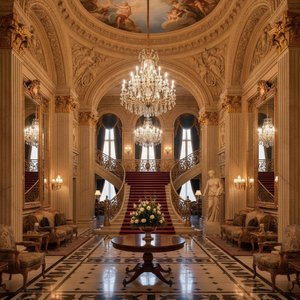
Baroque Classicism: A Professional Guide to Integrating Timeless Grandeur into Luxury Hotel Interiors
Elevate luxury hospitality with Baroque Classicism. Our guide for hotel designers explores integrating grand, classical oil reproductions into professional interiors. Discover efficient bulk procurement, custom sizing, and large-format murals to create timeless, high-impact spaces.

Barokowy Dramat we Wnętrzach: Sztuka Przepychu i Elegancji w Twoim Domu
Odkryj świat barokowego przepychu! Porady ekspertów jak wprowadzić elegancję i dramat do Twojego wnętrza. Inspiracje, charakterystyka stylu i praktyczne wskazówki.
