 Podgląd w skali 1:1
 Wyślij jako kartkę
 Udostępnij
 Szczegóły dzieła
 Przewodnik

 Pobierz obraz
 Podobne obiekty
 RTG
RTG Pokaz slajdów
 Pytania i odpowiedzi
 Statystyki
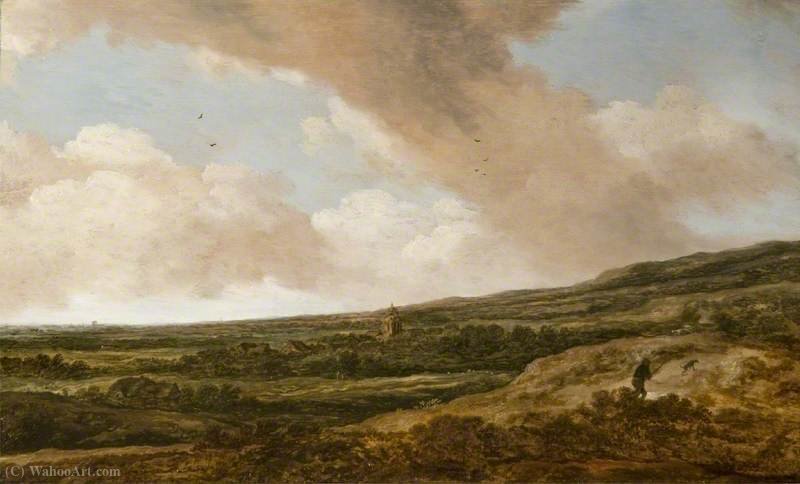
Landscape with a Huntsman
 Rozwiń treść
Otrzymaj plik gotowy do druku, którego jakość znacznie przewyższa podgląd internetowy. Każdy sprzedawany przez nas obraz cyfrowy pochodzi z wysokorozdzielczego pliku wzorcowego w naszej bazie — zazwyczaj o szerokości od 5 000 do 15 000 pikseli — dzięki czemu możesz drukować w dużym formacie, mocno kadrować lub z pełnym przekonaniem odwzorowywać najdrobniejsze detale.
Żaden plik nie opuszcza naszego studia bez odpowiedniej obróbki. Ekspert ds. cyfrowej edycji sprawdza zgodność kolorów z oryginałem i w razie potrzeby je koryguje, a następnie za pomocą profesjonalnych narzędzi do retuszu poprawia ostrość oraz szczegółowość — zawsze zachowując wierność pociągnięciom pędzla i stylowi artysty. Rezultatem jest obraz, który wygląda jak prawdziwe dzieło, a nie jak przefiltrowany skan.
Zatwierdzasz przed finalizacją zamówienia: nasz ekspert prześle obraz drogą mailową w ciągu 72 godzin do Twojego wglądu. Nie jesteś zadowolony? Poproś o poprawki lub korektę, bądź o zwrot kosztów, jeśli jakość nie spełnia oczekiwań.
To jakość, na której polegają wydawcy, studia projektowe, galerie oraz drukarnie.
Obraz cyfrowy
Pobierz plik o wysokiej rozdzielczości do osobistego użytku, druku oraz projektów kreatywnych. ( Przełącz na wydania drukowane Zamów ręcznie malowaną reprodukcję)
W każdym zamówieniu na obraz cyfrowy znajduje się
Profesjonalna dostawa cyfrowa z gwarancją
Wybierając OriginalUniqueArt.com, nie otrzymujesz jedynie obrazu – otrzymujesz profesjonalnie udoskonalone cyfrowe dzieło sztuki, stworzone z najwyższą precyzją i objęte gwarancją satysfakcji. Oto wszystko, co automatycznie dołączane jest do Twojego zamówienia:

Błyskawiczna wysyłka e-mailowa
Plik z obrazem cyfrowym w wysokiej rozdzielczości zostanie przesłany na Twój adres e-mail w ciągu 72 godzin od złożenia zamówienia – gotowy do natychmiastowego użycia.

Plik cyfrowy wzbogacony przez AI
Twoja grafika została profesjonalnie zoptymalizowana przy użyciu zaawansowanych narzędzi AI oraz ręcznej edycji, co zapewnia maksymalną szczegółowość, klarowność i wierność kolorów.

Darmowe ponowne przesyłki dożywotnio
Przypadkowo usunąłeś lub zgubiłeś swój plik? Bez obaw – prześlemy go Tobie ponownie w dowolnym momencie, bez żadnych opłat.

Bez opłat importowych – zawsze
Ciesz się swoją sztuką natychmiast, bez żadnych opłat celnych, należności ani kosztów dostawy – pliki cyfrowe są zawsze wolne od podatku.

Gwarancja wierności kolorów
Dzięki zastosowaniu profesjonalnych narzędzi i procesów zarządzania barwą zapewniamy, że Twoje cyfrowe zdjęcie odzwierciedla oryginalne kolory tak wiernie, jak to tylko możliwe.

Gwarancja satysfakcji przez 100 dni
Jeśli nie będziesz zadowolony ze swojego cyfrowego obrazu, dokonamy jego poprawki lub zwrócimy 100% kosztów w ciągu 100 dni – bez zbędnych pytań.

100% Gwarancja zwrotu pieniędzy
Nie jesteś zadowolony? Otrzymaj pełny zwrot kosztów w ciągu 100 dni od otrzymania pliku cyfrowego – bez zbędnych pytań.

Rabaty przy zamówieniach hurtowych
Kup 3 obrazy, oszczędź 10% - Kup 5, oszczędź 15% - Kup 10+, oszczędź 20%. Idealne do projektów kreatywnych, galerii i agencji.
Biografia artysty
A Life Between Borders
The story of Pieter de Molyn is one of movement and cultural intersection, reflecting the very fluidity of the Dutch Golden Age. Born in London to a Flemish father from Ghent and a mother from Brussels, his early life was shaped by the shifting tides of Europe. Though baptized in the Dutch Reformed Austin Friars church in London, his roots were deeply embedded in the Low Countries. This unique heritage—English birth with Flemish descent—provided him with a cosmopolitan perspective that would later inform his versatile approach to painting and engraving.
His journey likely took him through the artistic heart of Italy, an experience common among ambitious painters of his era seeking to refine their craft. By 1616, he had established himself within the prestigious Haarlem Guild of St. and Luke, marking his official entry into the professional artistic community of the Netherlands. His career saw him moving between significant artistic hubs, including a period spent in Delft between 1616 and 1627, where he navigated both personal transitions and new creative inspirations.
Mastery of the Dutch Landscape
De Molyn’s true legacy lies in his ability to capture the soul of the Dutch countryside. He was a master of the landscape, yet his oeuvre was far from limited to a single subject. While he is most celebrated for his serene vistas, he was a true jack-of-all-trades, producing genre pieces, marine scenes, portraits, and architectural works. This versatility allowed him to capture the diverse rhythms of 17th-century life, from the quietude of rural cottages to the bustling energy of travelers on a road.
In his most renowned works, such as Landscape with a Cottage, one finds a profound sense of tranquility. He utilized a masterful command of light and texture, employing delicate brushstrokes to render lush foliage and expansive, luminous skies. His landscapes often serve as more than mere topographical records; they are emotional sanctuaries. Through the use of warm earth tones—ochres, siennas, and burnt umbers—he imbued his canvases with a palpable warmth, inviting viewers into a world of pastoral peace and quiet contemplation.
Technique and Artistic Influence
The technical prowess of De Molyn is characterized by an extraordinary attention to detail that borders on the immersive. Whether it is the meticulous rendering of a horse's harness in A Party of Riders Resting beside an Inn or the subtle, soft grayish-blue washes used to create fluffy white clouds, his work reflects a deep commitment to realism. His style was deeply influenced by the broader Baroque movement, which sought to portray life with emotional depth and grounded accuracy, moving away from idealized representations.
As a teacher, his influence extended far beyond his own brushstrokes. He mentored several notable artists, including:
- Gerard ter Borch the Elder
- Jan Coelenbier
- Allart van Everdingen
- Christian de Hulst
- Anthony Molijn
- Jan Wils
Through these students, De Molyn’s dedication to the nuances of light, shadow, and natural texture helped shape the trajectory of Dutch landscape painting. His ability to blend the dramatic potential of the Baroque with the quiet, atmospheric realism of the Dutch tradition ensures his place as a vital figure in the history of the Golden Age.

Pieter De Molyn
1595 - 1661