Zobacz w skali 1:1
 Wyślij
 Udostępnij
 Szczegóły
 Przewodnik

 Pobierz plik obrazu
 Podobne obiekty
 RTG
RTG Pokaz slajdów
 Statystyki
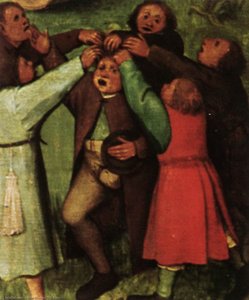
Desidia (Sloth), 1557


 Czytaj więcej
Giclée / Wydruk artystyczny
Wydruki giclée lub płótna o jakości muzealnej, szybka realizacja i szeroki wybór opcji wykończenia. ( Kup ręcznie malowany obraz Przełącz na wersję cyfrową)




P118B zł10

P118H zł10

P118W zł10

P438Z zł10

P508JH zł12

P508YH zł12

P805H zł10

P805Z zł10

P919BZ zł10

P919G zł10

P919XJ zł10

P959ZH zł10

P968JZ zł12

W106C zł8

W218G zł10

W218JH zł8

W218Y zł10

W307PJ zł10

W316G zł10

W316PJ zł8

W316Y zł10

W398PJ zł8

W4111J zł10

W500HY zł15

W500JH zł15

W692G zł12

W849H zł8

W940BG zł15

W953PJ zł8




Wybierz spośród naszych standardowych rozmiarów, które zachowują oryginalne proporcje dzieła sztuki.

Wpisz wymaganą szerokość i wysokość, aby dopasować grafikę do ramy lub ściany. Wydruk można jedynie przyciąć, nigdy nie powiększając go poza oryginalny obraz, dlatego format o innym proporcji spowoduje utratę części kompozycji. Przed rozpoczęciem druku prześlemy Ci cyfrowy podgląd do zatwierdzenia. Obraz wyświetlany na tej stronie nie pokazuje rzeczywistego przycięcia — jedynie podgląd oddaje ten efekt.
Dostawa na cały świat () w ciągu 2 tygodni zamiast standardowych 4/5 tygodni. (23 Październik)

Bezpłatna ekspresowa wysyłka na cały świat

Wysokiej jakości płótno lniane

Pełne ubezpieczenie transportowe

Gwarancja zwrotu należności celnych i podatków importowych

Gwarancja idealnego odwzorowania barw

100-dniowy okres na zwrot dzieła w przypadku wykrycia wad produkcyjnych

Gwarancja 100% zwrotu pieniędzy

Oferta przy zakupie wielu sztuk
 Opcja ze szkłem jest dostępna wyłącznie w rozmiarach poniżej 110 cm

Desidia (Sloth), 1557
Giclée / Wydruk artystyczny
Rozmiar reprodukcji
-


Suma do zapłaty
zł 307
A Tapestry of Inertia: The World Within Bruegel’s Desidia
In the vast, swirling landscape of Pieter Bruegel the Elder’s 1557 masterpiece, Desidia (Sloth), the viewer is not merely presented with a painting, but rather invited into a profound psychological state. At first glance, the composition appears to be a bustling tableau of Northern Renaissance life, yet beneath the surface of this lively scene lies a biting critique of human stagnation. Bruegel, a master of capturing the intricate dance between the mundane and the moral, utilizes a sprawling landscape to house a multitude of figures—men, women, animals, and even aquatic life—all caught in various states of aimless existence. It is a world where movement exists without purpose, and activity serves only to mask a deeper, more unsettling stillness.
The technique employed by Bruegel is nothing short of miraculous, showcasing a meticulous attention to detail that draws the eye through an endless labyrinth of narrative threads. Every brushstroke contributes to a sense of overwhelming abundance; one might find themselves mesmerized by the texture of a distant boat laden with goods or the subtle, weary expression on a figure lost in thought. This level of precision creates a sensory experience that is both immersive and exhausting, mirroring the very concept of sloth—a heavy, inescapable weight that settles over the landscape. For the collector or designer, this complexity offers an unparalleled depth, as the artwork reveals new secrets upon every subsequent viewing.
Symbolism and the Weight of the Human Condition
To gaze upon Desidia is to engage with the intellectual ferment of the mid-16th century. Created during a period where the High Renaissance was transitioning into the more stylized Mannerism, Bruegel’s work stands as a humanist observation of vice and virtue. The painting serves as a moralizing mirror, reflecting the anxieties of a society grappling with newfound wealth and the temptations of material luxury. The central personification of Sloth—often depicted through dozing figures or sluggish animals like the iconic donkey—acts as a focal point for a broader commentary on the loss of spiritual and civic purpose. Bruegel masterfully weaves visual proverbs into the scenery, where even a man stuck in a house or a group of gamblers at a tavern becomes a symbol of the soul's inertia.
There is an undeniable emotional resonance in how Bruegel balances the grotesque with the beautiful. He does not shy away from portraying the unpolished or the unsightly, yet he imbues the entire composition with a rhythmic, almost musical quality. This duality makes the piece particularly compelling for modern interiors; it possesses the gravitas of a historical document while maintaining a vibrant, living energy. It is an artwork that demands contemplation, challenging the viewer to reflect on their own relationship with ambition, productivity, and the quiet, often dangerous, allure of doing nothing at all.
An Eternal Masterpiece for the Discerning Eye
For those seeking to curate a space with profound narrative power, a high-quality reproduction of Desidia offers more than just decoration; it provides a window into the Renaissance mind. The painting’s ability to anchor a room with its historical weight and intricate storytelling makes it an ideal centerpiece for libraries, studies, or sophisticated living areas. It is a piece that speaks to the intellect and stirs the imagination, bridging the gap between the 16th-century Flemish landscape and the contemporary aesthetic of thoughtful, curated living.
Owning a tribute to Bruegel’s genius allows one to preserve the legacy of Northern European expression. Whether viewed as a study in Renaissance technique or as a profound philosophical statement on the nature of human behavior, Desidia remains an enduring icon of art history—a timeless reminder that even in our most idle moments, there is a complex and beautiful story unfolding.
Pytania i odpowiedzi
Jakie wnętrze najlepiej współgra z kolorystyką „Desidia (Sloth), 1557” autorstwa Pieter Bruegel Starszy?
Dzięki swojej palecie barw Neutrals, dzieło „Desidia (Sloth), 1557” autorstwa Pieter Bruegel Starszy jest polecane do Living Room. Kolorystyka stanowi jedną z przyczyn tej sugestii.
Czy „Desidia (Sloth), 1557” autorstwa Pieter Bruegel Starszy to dzieło o jasnej czy ciemnej kolorystyce?
Jasność dzieła „Desidia (Sloth), 1557” autorstwa Pieter Bruegel Starszy wynosi brilliant, przy luminancji na poziomie Bright Balance.
Jakie są prawa do reprodukcji dzieła "Desidia (Sloth), 1557" znajdującego się w Albertina?
Status praw autorskich do dzieła „Desidia (Sloth), 1557” autorstwa Pieter Bruegel Starszy jest jasny: utwór znajduje się w stanowi domenę publiczną – autorskie prawa majątkowe wygasły. Jego obecność w Albertina nie zmienia tego stanu rzeczy.
Biografia artysty
A Life Rooted in Renaissance Transformation
Pieter Bruegel the Elder emerged during a period of profound transformation, a time when the artistic landscape of Europe was shifting from the High Renaissance ideals of Italy towards the burgeoning complexities of Northern European expression. Born sometime between 1525 and 1530, likely in Breda – though details surrounding his early life remain somewhat elusive – Bruegel’s formative years unfolded amidst religious upheaval and a flourishing merchant culture. He began his artistic journey around 1545 as an apprentice to Pieter Coecke van Aelst, a respected Antwerp painter known for both his artistry and his designs for tapestries. This apprenticeship provided Bruegel with a solid grounding in the technical skills of oil painting and drawing, but perhaps more importantly, it exposed him to the humanist currents that were beginning to permeate intellectual circles. Van Aelst’s workshop was not merely a place of artistic instruction; it was a crucible where traditional techniques met new ideas, shaping Bruegel's future vision.Wanderings and the Forging of a Unique Vision
Following his apprenticeship, Bruegel embarked on extensive travels that would indelibly mark his artistic development. Between 1551 and 1553, he journeyed through France, Switzerland, and Italy, sketching landscapes and immersing himself in diverse cultures. These were not mere sightseeing trips; they were expeditions of observation and learning. While in Italy, Bruegel encountered the works of Renaissance masters – Michelangelo, Raphael, and Titian – yet his artistic temperament remained distinctly Northern European. He didn’t simply adopt Italianate styles but rather absorbed their influence and filtered them through his own unique sensibility. The Alps, with their dramatic peaks and valleys, left a lasting impression, influencing the compositional structure and atmospheric perspective found in many of his later landscapes. He was particularly struck by the way Italian artists depicted light and shadow, which he would later masterfully employ in his own work. Upon returning to Antwerp in 1553, he was admitted as a free master into the Guild of Saint Luke, signifying his professional independence and establishing him as a recognized artist within the vibrant artistic community of the city. This marked a significant step towards establishing himself as an independent creator, moving beyond the patronage system that had previously dictated much of his early career.Beyond Myth and Religion: A New Focus for Art
Bruegel’s true innovation lay in his subject matter. He boldly departed from the established conventions of Renaissance painting, which often focused on religious narratives or classical mythology. Instead, he turned his attention to the everyday lives of ordinary people – peasants laboring in fields, villagers celebrating festivals, hunters traversing snowy landscapes. This wasn't a rejection of traditional themes but rather an elevation of the mundane to the level of high art. His landscapes were not merely backdrops; they were active participants in the narrative, often imbued with symbolic meaning and reflecting a deep understanding of nature’s power and beauty. *The Triumph of Death*, for example, is a haunting and apocalyptic vision of mortality, filled with grotesque imagery and a sense of impending doom. Paintings like *Peasant Wedding* offer remarkably detailed and nuanced portrayals of rural life, capturing the boisterous energy and social customs of a Flemish village. He masterfully employed chiaroscuro – the dramatic interplay of light and shadow – to create depth, realism, and emotional resonance in his compositions. His scenes weren’t necessarily critical; they were realistic observations, capturing both the humor and hardship inherent in human existence.Technique and Style: A Master of Detail
Bruegel's artistic style evolved significantly throughout his career. Initially influenced by the meticulous detail of Pieter Coecke van Aelst, he gradually developed a more expressive and dynamic approach. His early works are characterized by a precise rendering of objects and figures, often executed with remarkable accuracy. However, as he matured, he began to prioritize composition and narrative over technical perfection. He employed a technique known as *trompe-l'oeil*, creating the illusion of three-dimensionality on a two-dimensional surface, particularly in his landscapes. This heightened realism was further enhanced by his masterful use of color – earthy tones contrasted with vibrant hues to create visual interest and convey mood. He also developed a distinctive style of engraving, characterized by intricate detail and a remarkable ability to capture the nuances of human expression. His work is often described as "peasant art" due to its focus on rural life, but it transcends simple genre painting; it’s a profound meditation on humanity's place in the world.Lasting Legacy: An Influence Across Centuries
Pieter Bruegel the Elder's influence on subsequent generations of artists is undeniable. He laid the groundwork for the Dutch Golden Age painters, inspiring artists like Isaac van Ostade and Adriaen Brouwer with his realistic depictions of peasant life. His innovative approach to landscape painting also paved the way for later developments in the genre, influencing artists who sought to capture the beauty and grandeur of the natural world. Beyond painting, Bruegel’s work has continued to resonate with modern audiences, appearing in films like Andrei Tarkovsky's *Solaris* (1972) and Lars von Trier’s *Melancholia* (2011), demonstrating the enduring power of his imagery. His paintings offer a timeless reflection on the human condition – our relationship with nature, our struggles with mortality, and our capacity for both joy and sorrow. He died in Brussels in 1569 at the relatively young age of forty-three, leaving behind a body of work that continues to captivate and inspire, solidifying his place as one of the most important figures in the history of art.Notable Works and Enduring Themes
- Landscape with the Flight into Egypt: A serene yet subtly symbolic depiction of the Holy Family’s journey, showcasing Bruegel's mastery of atmospheric perspective.
- The Triumph of Death: A haunting and apocalyptic vision of mortality, filled with grotesque imagery and a sense of impending doom.
- Peasant Wedding: A vibrant and detailed portrayal of rural life, capturing the boisterous energy and social customs of a Flemish village.
- Hunters in the Snow: Part of a series depicting the seasons, this iconic painting is celebrated for its atmospheric beauty and realistic depiction of winter landscapes.
- The Tower of Babel: A monumental work illustrating human ambition and divine judgment, showcasing Bruegel’s skill in creating complex compositions with intricate details.

Pieter Bruegel Starszy
1525 - 1569 , Belgia
Najważniejsze informacje
- Artistic Movement Or Style: Renesans flamand
- Artists Or Movements Influenced By This Artist: ['Złota Era Holandia']
- Artists Who Influenced This Artist: ['Bosch Hieronymus']
- Date Of Birth: c. 1525
- Date Of Death: 1569
- Full Name: Pieter Bruegel the Elder
- Nationality: Flamand
- Notable Artworks:
- Peasant Wedding
- Triumph Mort
- Hunters Śnież.
- Wieża Babel
- Place Of Birth: Breda, Holandia
Zobacz także powiązane artykuły

Pieter Bruegel the Elder: A Master of Genre, Landscape & Social Commentary
Explore the life & art of Pieter Bruegel the Elder, a pivotal figure of the Renaissance. Discover his groundbreaking genre scenes, symbolic landscapes, and lasting influence on art history. Learn more at OriginalUniqueArt.

10 Arcydzieł Wczesnoniderlandzkiego Malarstwa, które Zdefiniowały Epokę | Reprodukcje Obrazów
Odkryj 10 arcydzieł wczesnoniderlandzkiego malarstwa! Poznaj historie van Eycka, Weydena i Memlinga. Reprodukcje obrazów najwyższej jakości dla Twojego wnętrza. Inspiracje i dekoracje ścienne na OriginalUniqueArt.com

Idylliczne Wizje: Pastoralna Scena w Sztuce – Od Arkadii do Współczesności
Odkryj fascynującą historię sztuki pastoralnej – od arkadyjskich wizji po współczesne interpretacje. Analiza symboliki, wpływ na malarstwo i rysunek. Ekspercka wiedza o renesansie, baroku i rokoko.
Jan Brueghel the Elder: A Master of Flemish Landscape & Allegory – Exploring Innovation & Influence
Explore the captivating world of Jan Brueghel the Elder, a Flemish Baroque master renowned for his stunning landscapes & allegorical paintings. Discover his collaborations with Rubens and lasting artistic legacy.
Idyllic Visions: Exploring the Pastoral Tradition in Western Art – Themes, Techniques & Enduring Appeal
Explore the rich history of pastoral art from classical Arcadia to contemporary interpretations. Discover key artists, themes & collecting tips at OriginalUniqueArt.