
 Podgląd w skali 1:1
 Wyślij jako kartkę
 Udostępnij
 Szczegóły dzieła
 Przewodnik

 Pobierz obraz
 Podobne obiekty
 RTG
RTG Pokaz slajdów
 Pytania i odpowiedzi
 Statystyki
View on the Sea

- 27.0 x 44.0 cm


 Rozwiń treść
Giclée / Wydruk artystyczny
Wydruki giclée lub płótna o jakości muzealnej, szybka realizacja i szeroki wybór opcji wykończenia. ( Zamów ręcznie malowaną reprodukcję Przejdź do wersji cyfrowej)




P118B zł10

P118H zł10

P118W zł10

P438Z zł10

P508JH zł12

P508YH zł12

P805H zł10

P805Z zł10

P919BZ zł10

P919G zł10

P919XJ zł10

P959ZH zł10

P968JZ zł12

W106C zł8

W218G zł10

W218JH zł8

W218Y zł10

W307PJ zł10

W316G zł10

W316PJ zł8

W316Y zł10

W398PJ zł8

W4111J zł10

W500HY zł15

W500JH zł15

W692G zł12

W849H zł8

W940BG zł15

W953PJ zł8




Wybierz spośród naszych standardowych rozmiarów, które zachowują oryginalne proporcje dzieła sztuki.

Wpisz wymaganą szerokość i wysokość, aby dopasować grafikę do ramy lub ściany. Wydruk można jedynie przyciąć, nigdy nie powiększając go poza oryginalny obraz, dlatego format o innych proporcjach spowoduje utratę części kompozycji. Przed rozpoczęciem druku prześlemy Ci cyfrowy podgląd do zatwierdzenia. Obraz wyświetlany na tej stronie nie pokazuje rzeczywistego przycięcia — jedynie podgląd oddaje ten efekt.
Dostawa na cały świat () w ciągu 2 tygodni zamiast standardowych 4/5 tygodni. (5 Listopad)

Bezpłatna ekspresowa wysyłka na cały świat

Wysokiej jakości płótno lniane

Pełne ubezpieczenie przesyłki

Gwarancja zwrotu należności celnych i podatków importowych

Gwarancja wiernego odwzorowania kolorów

100-dniowa polityka zwrotów (tylko w przypadku wad)

Gwarancja 100% zwrotu pieniędzy

Zniżka przy zakupie wielu sztuk
 Opcja ze szkłem jest dostępna wyłącznie w rozmiarach poniżej 110 cm

View on the Sea
Giclée / Wydruk artystyczny
Wymiary reprodukcji
-


Cena całkowita
zł 315
A Vision of the Open Water: Unveiling Pierre Puget’s “View on the Sea”
Pierre Puget's "View on the Sea," created around 1670, isn’t merely a depiction of three ships navigating a hazy horizon; it’s a meticulously crafted tableau brimming with Baroque drama and an intimate understanding of human scale. Born in Marseille during a period of intense maritime activity, Puget’s life was inextricably linked to the sea – initially as a craftsman shaping the hulls of galleys, later as a celebrated sculptor, architect, and painter. This early immersion profoundly shaped his artistic vision, imbuing “View on the Sea” with an unparalleled sense of realism and emotional intensity. The drawing itself, rendered in fine pen and ink on vellum, possesses a remarkable immediacy, capturing a fleeting moment of naval preparation against a backdrop that simultaneously suggests vastness and quiet anticipation.
The composition immediately draws the eye to the central warship, dominating the scene with its imposing size and intricate rigging. Puget masterfully employs linear perspective, subtly diminishing the scale of the smaller vessels in the distance – a technique that convincingly conveys depth and the boundless expanse of the sea. The diagonal arrangement of these ships guides the viewer’s gaze across the canvas, creating a dynamic flow and reinforcing the sense of movement. Beyond mere representation, Puget sought to capture not just what he saw, but also the *feeling* of being at sea – the weight of responsibility, the potential for both glory and peril, all subtly conveyed through the posture of the ships and the atmospheric haze.
The Language of Line and Shadow: A Study in Baroque Technique
Puget’s mastery lies not only in his understanding of perspective but also in his exceptional command of line. The drawing is a testament to his meticulous technique, characterized by an astonishing level of detail achieved through the careful application of hatching and cross-hatching. These subtle variations in shading create a remarkable sense of texture – one can almost feel the roughness of the ship’s timbers, the tautness of the sails, and the shimmering surface of the water. The monochromatic palette, born from the limitations of pen and ink on vellum, paradoxically intensifies the drama; the absence of color forces the viewer to focus entirely on form, line, and light.
The lighting is remarkably soft and diffused, avoiding harsh contrasts and instead creating a sense of atmospheric depth. This deliberate choice contributes significantly to the painting’s overall mood – a blend of tranquility and latent tension. The artist's use of hatching creates an illusion of volume and form, particularly evident in the depiction of the ships’ rigging, which appears both complex and remarkably solid.
Symbolism and the Human Spirit at Sea
“View on the Sea” transcends a simple maritime scene; it’s imbued with symbolic resonance. The three ships represent not just vessels engaged in trade or warfare, but also embody the ambitions, challenges, and inherent risks associated with human endeavor. The central warship, with its imposing size and intricate details, speaks to the power of naval dominance, while the smaller boats hint at the diverse activities that sustained coastal communities. The hazy horizon suggests both the unknown possibilities of the future and the humbling vastness of nature – a potent reminder of humanity’s place within the larger world.
Furthermore, Puget's depiction of the ships’ crews—implied rather than explicitly shown—evokes a sense of human presence. The subtle gestures and postures suggest activity, anticipation, and perhaps even a touch of apprehension. This focus on the human element elevates the painting beyond mere topographical representation, transforming it into a powerful meditation on the relationship between humanity and the sea.
A Timeless Masterpiece: Reproduction and Beyond
Created over three centuries ago, “View on the Sea” remains a remarkably evocative work of art. Today, high-quality reproductions offer an accessible way to experience Puget’s genius in your own home or office. Whether adorning a grand salon or a more intimate space, this Baroque masterpiece continues to captivate and inspire with its dramatic composition, masterful technique, and profound exploration of the human spirit at sea. Consider it not just a painting, but a window into a bygone era—a testament to the enduring power of art to transport us across time and space.
Pytania i odpowiedzi
Czy "View on the Sea" wpisuje się w typową tematykę twórczości Pjer Puget?
Powracające motywy w twórczości Pjer Puget obejmują baroque maritime scene, puget's dynamic brushwork, french naval influence, classical ship design, royal patronage art, religious undertones", early 17th-century style, marseille artistic legacy; „View on the Sea” koncentruje się na maritime, ships, sea, landscape, baroque, france, puget, vessels.
Ile lat miał Pjer Puget, gdy powstało dzieło „View on the Sea”?
Pjer Puget miał 50 lat w momencie powstania „View on the Sea” w 1670. Wiek ten obliczono na podstawie roku urodzenia artysty, 1620.
Jakie są rzeczywiste wymiary dzieła „View on the Sea” – Pjer Puget?
Oryginalny utwór „View on the Sea” – Pjer Puget ma wymiary 27 x 44 cm.
Biografia artysty
Pierre Puget: Życie w służbie sztuki i inżynierii
- Urodzony: Marsylia, Francja (1620)
- Zmarł: 1694
Wczesne lata i włoskie inspiracje
- Terminowanie: Puget rozpoczął swoją karierę w wieku czternastu lat, rzeźbiąc ornamenty dla galer budowanych w Marsylii. Ta wczesna styczność z rzemiosłem położyła fundament pod jego późniejsze dążenia artystyczne.
- Podróż do Włoch (1640): Szukając nowych możliwości, udał się do Włoch, najpierw do Livorno, a następnie do Florencji, gdzie szlifował swoje umiejętności jako snycerz i malarz. 려
- Rzym i Pietro da Cortona: Przełomowy moment nastąpił w Rzymie, kiedy znalazł się pod opieką Pietro da Cortony. Puget pomagał przy malowaniu bogato zdobionych sufitów w Palazzo Barberini oraz Palazzo Pitti, chłonąc dynamizm i przepych rzymskiego baroku.
- Powrót do Marsylii (1643): Po trzech latach spędzonych we Włoszech powrócił do Marsylii, niosąc ze sobą wyrafinowaną wrażliwość artystyczną ukształtowaną przez włoskich mistrzów.
Główne dzieła i rozwój artystyczny
- Wczesne zlecenia: Po powrocie Puget otrzymywał zamówienia na obrazy i ołtarze, prezentując ewoluujący styl pod wpływem Annibale Carracci i Rubensa.
- Przełomy w rzeźbie: Coraz bardziej koncentrował się na rzeźbie, tworząc dzieła takie jak medaliony na rufach francuskich okrętów wojennych, co ukazywało jego rosnące mistrzostwo w operowaniu formą i detalem.
- Vaux-le-Vicomte (lata 60. XVII wieku): Nicolas Fouquet zlecił Pugetowi wyrzeźbienie Herkulesa dla swojego zamku w Vaux-le-Vicomte, co stanowiło istotny moment w jego karierze i dowód na mecenat potężnych postaci epoki.
- Okres genueński: Po upadku Fouqueta, Puget przeniósł się do Genui, gdzie stworzył znaczące dzieła, takie jak „Hercule Gaulois” (obecny w Luwrze) oraz rzeźby dla kościołów, m.in. Santa Maria di Carignano.
- Zlecenia wersalskie: Colbert sprowadził Pugeta z powrotem do Francji, co zaowocowało zamówieniami na Wersal, w tym słynnymi grupami „Miłon z Krotonu” oraz „Perseusz i Andromeda”. Dzieła te charakteryzują się dramatycznym natężeniem i ekspresyjnym realizmem.
Styl i wpływy
- Barokowy dramat: Styl Pugeta jest głęboko zakorzeniony w tradycji baroku, kładąc nacisk na ruch, emocje i teatralność.
- Klasyczna inspiracja: Choć przyjmował barokowy dynamizm, jego twórczość ujawnia również uznanie dla klasycznych form i ideałów.
- Michelangelo i Bernini: Jego rzeźby wykazują wpływy potężnych postaci Michała Anioła oraz dynamicznych kompozycji Berniniego.
- Unikalna ekspresja: Mimo tych wpływów, Puget wypracował własny, odrębny styl, charakteryzujący się surową energią i intensywnością wyrazu, co odróżniało go od bardziej konwencjonalnych artystów barokowych.
Dziedzictwo i znaczenie historyczne
- Pomost między sztuką a inżynierią: Zdolność Pugeta do płynnego łączenia talentu artystycznego z umiejętnościami inżynieryjnymi była unikalna. Jego prace nad architekturą okrętową i fortyfikacjami świadczą o praktycznej pomysłowości obok jego osiągnięć artystycznych.
- Dręczony geniusz: Théophile Gautier słynnie opisał go jako „melancholijnego cesarza skazańców”, co oddaje intensywność, a być może i trudności wpisane w jego proces twórczy.
- Trwały wpływ: Rzeźby Pugeta, w szczególności „Miłon z Krotonu” oraz „Perseusz i Andromeda”, pozostają ikonicznymi przykładami francuskiej rzeźby barokowej, podziwianymi za siłę wyrazu i techniczną wirtuozerię.
- Uznanie współcześnie: Jego twórczość jest celebrowana w muzeach na całym świecie, w tym w Luwrze oraz Musée des Beaux-Arts w Marsylii, co utwierdza jego miejsce jako znaczącej postaci w historii sztuki.
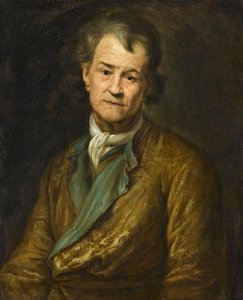
Pjer Puget
1620 - 1694 , Francja
Krótka nota
- Artistic Movement Or Style: Barok
- Artists Who Influenced This Artist:
- Annibale Carracci
- Rubens
- Michał Anioł
- Bernini
- Date Of Birth: 1620
- Date Of Death: 1694
- Full Name: Pierre Puget
- Nationality: Francuz
- Notable Artworks:
- Odpoczywający Herkules
- Terakota Fauna
- Drzwi Hôtel de Ville
- Ukamienowanie św. Piotra
- Fregata na morzu
- Place Of Birth: Marsylia, Francja
Powiązane artykuły

Pierre-Auguste Renoir: 25 Arcydzieł Pełnych Światła i Uroków | OriginalUniqueArt.com
Odkryj 25 najpiękniejszych obrazów Pierre’a-Auguste Renoir! Poznaj historię impresjonizmu, światło w jego malarstwie i arcydzieła takie jak 'Taniec w Le Moulin de la Galette'. Reprodukcje najwyższej jakości na OriginalUniqueArt.com – inspiracje dla Twojego wnętrza.

Dramatyczny Rozkwit Baroku: Dziedzictwo Sztuki Kontrreformacji i Mistrzowie Chiaroscuro
Odkryj dramatyczny świat baroku! Poznaj historię sztuki kontrreformacji, mistrzów chiaroscuro i weneckich arcydzieł. Reprodukcje najwyższej jakości na OriginalUniqueArt.com.

Barokowy Dramat we Wnętrzach: Sztuka Przepychu i Elegancji w Twoim Domu
Odkryj świat barokowego przepychu! Porady ekspertów jak wprowadzić elegancję i dramat do Twojego wnętrza. Inspiracje, charakterystyka stylu i praktyczne wskazówki.

Barokowe arcydzieła: 10 obrazów, które zdefiniowały epokę | OriginalUniqueArt.com
Odkryj 10 arcydzieł baroku! Caravaggio, Rembrandt, Rubens i inni artyści, którzy zdefiniowali epokę. Poznaj historie, techniki i inspiracje tych niezwykłych obrazów. Reprodukcje najwyższej jakości na OriginalUniqueArt.com – idealne do Twojego wnętrza!

Baroque Classicism: The Grandeur of Order and Drama in 17th-Century Art History
Explore the profound elegance of Baroque Classicism. Discover how 17th-century masters synthesized dramatic emotion with classical order through the lens of the Counter-Reformation and the works of legends like Carlo Maratta and Andrea Sacchi.


