Przełącz na wydania drukowane
 Rozwiń treść







































 W przypadku dzieł sztuki lub reprodukcji, których którykolwiek z boków przekracza 105 cm (około 41 cali), rama zostanie wysłana w formie zestawu do samodzielnego montażu. Metoda ta zapewnia bezpieczną dostawę i zapobiega uszkodzeniom podczas transportu.


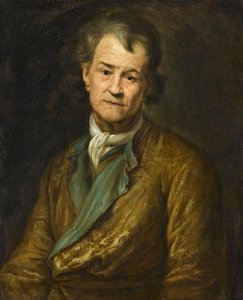
Bust of Young August – A Renaissance Reverie Sculpted by Pierre Puget
Pierre Puget’s “Bust of Young August” stands as a testament to the enduring power of classical sculpture and the humanist ideals that flourished in 17th-century Italy. Created around 1689, this marble masterpiece resides within the Museo di Sant'Agostino in Rome, offering visitors an intimate glimpse into a pivotal moment in artistic history.
The Artist’s Vision: Puget’s Baroque Mastery
Born in Marseille in 1620 and passing away in 1694, Pierre Puget (1620-1694) was more than just a sculptor; he was an engineer, architect, and innovator who seamlessly blended artistic expression with technical prowess. His formative years were spent mastering the craft of woodcarving under the tutelage of Giovanni Battista Falconetto in Genoa, preparing him for his transformative journey to Florence and subsequently Rome.
Rome’s Influence: Embracing Baroque Dynamism
Puget's encounter with Pietro da Cortona proved instrumental in shaping his artistic trajectory. Collaborating on monumental ceiling frescoes at Palazzo Barberini and Palazzo Pitti – projects emblematic of the Roman Baroque – Puget absorbed the stylistic principles championed by Cortona, prioritizing movement, dramatic lighting, and emotional intensity. This immersion profoundly impacted his subsequent works.
A Portrait of Dignified Grace
The bust itself embodies a remarkable fusion of realism and idealized beauty. Crafted from Carrara marble—a material prized for its purity and translucence—Puget meticulously rendered the youthful visage of Count Lamberg, capturing not merely physical likeness but also conveying an aura of noble composure. The subtle drapery folds accentuate the contours of the torso, creating a harmonious interplay between form and texture.
Symbolism and Emotion: Reflections of Renaissance Ideals
The laurel wreath encircling the head serves as a potent symbol of victory and honor—a harkening back to classical traditions that celebrated intellectual achievement and moral virtue. Beyond its formal ornamentation, however, “Bust of Young August” resonates with an emotional depth characteristic of Baroque art: serenity, dignity, and perhaps even contemplation. Puget’s masterful technique—characterized by precise carving and subtle polishing—elevates the sculpture beyond mere representation, transforming it into a conduit for conveying profound human experience.
Technical Considerations
Puget's skill as an engineer is evident in his meticulous attention to detail and his innovative approach to material manipulation. The sculptor skillfully utilized hand tools – chisels, hammers, rasps—to achieve remarkable accuracy and finesse. Furthermore, the choice of Carrara marble ensured that the sculpture would retain its luster and luminosity for centuries to come.
Pytania i odpowiedzi
Jaki rozmiar wydruku „Bust of Young August” – Pjer Puget będzie odpowiedni do zalecanego pomieszczenia?
Dla Salon lub strefa dzienna zalecany rozmiar wydruku dzieła „Bust of Young August” – Pjer Puget to Duży format.
Co wyjaśnia sytuację prawną dotyczącą praw autorskich do „Bust of Young August” – Pjer Puget?
Status praw autorskich do dzieła „Bust of Young August” – należy do domeny publicznej – autorskie prawa majątkowe wygasły – wynika z faktu, że artysta zmarł w 1694.
Gdzie mogę znaleźć dzieła sztuki podobne do „Bust of Young August” – Pjer Puget?
Dzieła podobne do „Bust of Young August” – Pjer Puget można znaleźć na stronie Podobne dzieła danego dzieła.
 Wyślij jako kartkę
 Udostępnij
 Szczegóły dzieła
 Przewodnik

 Pobierz obraz
 Podobne obiekty
 Pokaz slajdów
 Pytania i odpowiedzi
 Statystyki