

 Podgląd w skali 1:1
 Wyślij jako kartkę
 Udostępnij
 Szczegóły dzieła
 Przewodnik

 Pobierz obraz
 Podobne obiekty
 RTG
RTG Pokaz slajdów
 Statystyki
David Jonston
 Oil On Canvas
- WallArt
- Romanticism
 1808
1808- 19th Century
 55.0 x 46.0 cm
 Rozwiń treść
Giclée / Wydruk artystyczny
Wydruki giclée lub płótna o jakości muzealnej, szybka realizacja i szeroki wybór opcji wykończenia. ( Zamów ręcznie malowaną reprodukcję Przejdź do wersji cyfrowej)




P118B zł10

P118H zł10

P118W zł10

P438Z zł10

P508JH zł12

P508YH zł12

P805H zł10

P805Z zł10

P919BZ zł10

P919G zł10

P919XJ zł10

P959ZH zł10

P968JZ zł12

W106C zł8

W218G zł10

W218JH zł8

W218Y zł10

W307PJ zł10

W316G zł10

W316PJ zł8

W316Y zł10

W398PJ zł8

W4111J zł10

W500HY zł15

W500JH zł15

W692G zł12

W849H zł8

W940BG zł15

W953PJ zł8




Wybierz spośród naszych standardowych rozmiarów, które zachowują oryginalne proporcje dzieła sztuki.

Wpisz wymaganą szerokość i wysokość, aby dopasować grafikę do ramy lub ściany. Wydruk można jedynie przyciąć, nigdy nie powiększając go poza oryginalny obraz, dlatego format o innych proporcjach spowoduje utratę części kompozycji. Przed rozpoczęciem druku prześlemy Ci cyfrowy podgląd do zatwierdzenia. Obraz wyświetlany na tej stronie nie pokazuje rzeczywistego przycięcia — jedynie podgląd oddaje ten efekt.
Dostawa na cały świat () w ciągu 2 tygodni zamiast standardowych 4/5 tygodni. (25 Październik)

Bezpłatna ekspresowa wysyłka na cały świat

Wysokiej jakości płótno lniane

Pełne ubezpieczenie przesyłki

Gwarancja zwrotu należności celnych i podatków importowych

Gwarancja wiernego odwzorowania kolorów

100-dniowa polityka zwrotów (tylko w przypadku wad)

Gwarancja 100% zwrotu pieniędzy

Zniżka przy zakupie wielu sztuk
 Opcja ze szkłem jest dostępna wyłącznie w rozmiarach poniżej 110 cm

David Jonston
Giclée / Wydruk artystyczny
Wymiary reprodukcji
-


Cena całkowita
zł 307
A Glimpse into Romantic Introspection
In the quiet depths of Pierre-Paul Prud'hon’s 1808 masterpiece, David Jonston, viewers are invited into a private moment of profound contemplation. This exquisite oil on canvas serves as a quintessential window into the heart of the Romantic era, capturing far more than a mere likeness of a young man. Through his masterful command of the medium, Prud'hon presents a subject whose gaze, directed slightly away from the viewer, suggests a soul lost in thought, perhaps reflecting on the fleeting nature of youth or the weight of personal destiny. The portrait is not simply a record of a face, but an exploration of the internal landscape, where a subtle, enigmatic smile dances on the lips, hinting at a hidden narrative known only to the sitter.
The technical brilliance of the work lies in Prud'hon’s sophisticated use of chiaroscuro, a technique that defines much of his celebrated legacy. By emerging from an indistinct, shadowy background, the figure of David Jonston gains a remarkable three-dimensionality, as if he were stepping forward from the darkness into the light of the viewer's presence. The soft, diffused lighting plays delicately across the subject’s fair skin and the intricate textures of his attire, creating a sense of palpable realism. This interplay of light and shadow does more than provide depth; it imbues the painting with a melancholic, dreamy atmosphere that is the hallmark of Prud'hon’s unique transition from Neoclassical precision to Romantic emotion.
Elegance and Historical Resonance
Every detail within the frame contributes to the painting's aura of refined elegance. The subject is dressed in the formal fashion of the early 19th century, featuring a high-collared black coat that frames his face with stark, dignified contrast. Beneath this, the delicate ruffles of a white shirt add a touch of softness and aristocratic grace, showcasing the artist's ability to render varied textures—from the heavy weight of fine wool to the light, airy quality of linen. These sartorial elements do not merely ground the portrait in its historical moment; they serve as symbols of status and the structured social graces of the era, even as the subject's expression suggests a departure from such rigid formalities.
For the discerning collector or interior designer, David Jonston offers an unparalleled opportunity to introduce a sense of historical gravity and emotional depth into a space. As a high-quality reproduction, this piece brings the prestige of the French Romantic movement into the modern home, acting as a sophisticated focal point that sparks conversation and invites quiet reflection. Whether placed in a curated gallery wall or standing alone as a statement piece in a study, the painting’s ability to evoke nostalgia and timeless beauty makes it an enduring treasure for those who appreciate art that speaks to the complexities of the human spirit.
Pytania i odpowiedzi
Z jakiej techniki wykorzystano "David Jonston"?
Technika wykonania dzieła „David Jonston” – Pierre-Paul Prud’hon to Oil On Canvas. Reprodukcje mają na celu wierne oddanie wyglądu tej techniki.
Jak można wykorzystać „David Jonston” – Pierre-Paul Prud’hon w dekoracji wnętrz?
Zalecane zastosowanie (Mood) oraz przestrzeń (Living Room) to dwie rekomendacje dla dzieła „David Jonston” – Pierre-Paul Prud’hon.
Jaką harmonię kolorów prezentuje „David Jonston” – Pierre-Paul Prud’hon?
Kolory dzieła „David Jonston” – Pierre-Paul Prud’hon wykazują Softly Mixed Palette harmonię. Harmonia ta opisuje wzajemne relacje między barwami.
Biografia artysty
Pierre-Paul Prud'hon: Życie w sztuce
- Urodzony: Cluny, Francja (1758)
- Zmarł: 1823
- Narodowość: Francuska
Pierre-Paul Prud’hon był postacią kluczową dla francuskiej sztuki, stanowiąc pomost między neoklasycyzmem a romantyzmem. Urodzony w Cluny, w departamencie Saône-et-Loire, przeszedł artystyczną drogę, która odzwierciedlała zmieniający się krajobraz estetyczny Europy przełomu XVIII i XIX wieku. Sławę przyniosły mu zarówno malarstwo alegoryczne, jak i portrety, w których wykazał się mistrzostwem w operowaniu światłocieniem oraz realizmem, co zachwycało ówczesnych widzów i wywarło głęboki wpływ na kolejne pokolenia twórców.
Wczesne lata i kształcenie
- Prowincjonalne początki: Pierwsze kroki w edukacji artystycznej Prud’hon stawiał na francuskiej prowincji.
- Stypendium w Dijon: W 1774 roku otrzymał miejskie stypendium, które pozwoliło mu studiować w École de Dessin w Dijon, co stanowiło przełomowy moment w jego formalnym kształceniu.
- Rzym i wpływy neoklasyczne: Podróż do Rzymu w 1784 roku stała się czasem głębokiego zanurzenia w sztuce antycznej; artysta z podziwem studiował dzieła Canovy i Correggia. Ten okres trwale ukształtował jego wczesny styl, nadając mu elegancję oraz idealizację formy charakterystyczną dla epoki neoklasycyzmu.
Kariera artystyczna i mecenat królewski
- Rewolucyjne alegorie: Twórczość Prud’hona zyskała na znaczeniu w dobie Rewolucji Francuskiej, kiedy to tworzył winiety, ilustracje książkowe oraz obrazy alegoryczne, które silnie rezonowały z ideałami republikańskimi.
- Malarz dworu Napoleona: Jego niezwykły talent przyciągnął uwagę samego Napoleona Bonaparte, który zlecił mu namalowanie portretów zarówno Joséphine de Beauharnais, jak i Marie-Louise d’Autriche. Portret Joséphine, przedstawiający ją nie jako cesarzową, lecz jako urzekającą kobietę, stał się zarzewiem spekulacji na temat możliwego romansu między artystą a dawną królową.
- Łączenie stylów: Prud'hon z niezwykłą biegłością poruszał się między ewoluującymi trendami swoich czasów, umiejętnie wplatając elementy neoklasycyzmu i romantyzmu w swoje dzieła. Choć zachowywał klasyczne fundamenty kompozycji i formy, nasycał swoje płótna emocjonalną głębią oraz dramatycznym światłem, które zwiastowało nadchodzący nurt romantyczny.
Najważniejsze dzieła i dziedzictwo artystyczne
- Madame Georges Anthony i jej dwaj synowie (1796): Wczesny przykład jego kunsztu portretowego, prezentujący wyrafinowaną elegancję.
- Dusza zrywająca więzy łączące ją z ziemią: Potężne dzieło alegoryczne, ukazujące zdolność artysty do przekazywania złożonych emocji poprzez symboliczną obrazowość.
- Sen o szczęściu: Poruszająca eksploracja ludzkich aspiracji i pragnień.
- Ukrzyżowanie (1822): Zamówione do katedry św. Etienne w Metz, obecnie znajdujące się w Luwrze; dzieło to uznaje się za jedno z jego najważniejszych osiągnięć.
- Sprawiedliwość i Boska Zemsta ścigająca Zbrodnię: Monumentalne arcydzieło, które antycypuje dramatyzm znany z późniejszego „Tratwy Meduzy” Géricault.
Wpływ i znaczenie historyczne
Prud'hon wywarł niebagatelny wpływ na kolejne pokolenia francuskich artystów. Jego biegłość w posługiwaniu się światłocieniem, umiejętność nadania portretom psychologicznej głębi oraz synteza stylów neoklasycznego i romantycznego uczyniły go postacią niezwykle szanowaną w świecie sztuki. Twórcy tacy jak Théodore Géricault czy Eugène Delacroix przyznawali, że czerpali inspirację z jego dramatycznych kompozycji i emocjonalnej ekspresji. Warto również wspomnieć, że wybitne postaci literatury i malarstwa, jak Stendhal, Millet czy Baudelaire, dostrzegali artystyczną wartość dzieł Prud'hona, co ostatecznie ugruntowało jego miejsce w historii kultury francuskiej.

Pierre-Paul Prud’hon
1758 - 1823 , Francja
Krótka nota
- Artistic Movement Or Style: Neoklasycyzm i romantyzm
- Artists Or Movements Influenced By This Artist: ['Théodore Géricault']
- Artists Who Influenced This Artist:
- Antonio Canova
- Leonardo da Vinci
- Correggio
- Date Of Birth: 4 kwietnia 1758
- Date Of Death: 16 lutego 1823
- Full Name: Pierre-Paul Prud’hon
- Nationality: Francuz
- Notable Artworks:
- Andromacha i Astyanaks
- Portret Józefiny z 1805
- Chrystus na krzyżu
- Place Of Birth: Cluny, Francja
Powiązane artykuły
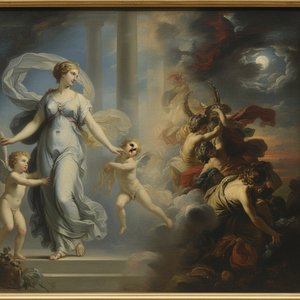
Pierre-Paul Prud'hon: Exploring Neoclassical Sensibility & Romantic Precursors
Explore the captivating world of Pierre-Paul Prud'hon, a pivotal French painter bridging Neoclassicism & Romanticism. Discover his allegorical masterpieces and lasting influence on 19th-century art history.
Paul Klee: 25 Arcydzieł Koloru i Formy | Reprodukcje Obrazów Online - OriginalUniqueArt
Odkryj 25 arcydzieł Paula Klee – od abstrakcji po ekspresjonizm. Poznaj historie, techniki i inspiracje malarza. Reprodukcje obrazów najwyższej jakości na OriginalUniqueArt.com. Eksploruj pełną kolekcję online!

Pierre-Auguste Renoir: 25 Arcydzieł Pełnych Światła i Uroków | OriginalUniqueArt.com
Odkryj 25 najpiękniejszych obrazów Pierre’a-Auguste Renoir! Poznaj historię impresjonizmu, światło w jego malarstwie i arcydzieła takie jak 'Taniec w Le Moulin de la Galette'. Reprodukcje najwyższej jakości na OriginalUniqueArt.com – inspiracje dla Twojego wnętrza.

Romantic Realism's Finest: 10 Masterpieces for Your Home | OriginalUniqueArt
Explore 10 defining masterpieces of Romantic Realism! Discover Courbet, Millet & Daumier's powerful paintings—capturing emotion and social realities. Find museum-quality reproductions for your home at OriginalUniqueArt.com.

Paul Cézanne: 25 Arcydzieł, które Zrewolucjonizowały Świat Sztuki | OriginalUniqueArt
Odkryj 25 arcydzieł Paula Cézanne'a – od impresjonizmu po postimpresjonizm. Poznaj historie, techniki i inspiracje malarza, który zrewolucjonizował sztukę. Reprodukcje obrazów najwyższej jakości na OriginalUniqueArt.com!

