
() ·
 On your wall: 4 m wide, sofa 2 m
A painting made for you, by hand
Ręcznie malowana reprodukcja olejowa
Ręcznie malowany obraz olejny na płótnie, wykonany na zamówienie przez naszych artystów w wybranym przez Ciebie wymiarze i oprawie. ( Przełącz na wydania drukowane Przejdź do wersji cyfrowej)
Opis obiektu
Experience 'The First Communion' by Pierre-Édouard Frère – a poignant scene of faith & family in rustic interiors. Hand-painted reproductions capture this realistic, detailed French masterpiece.
Biografia artysty
Explore the charming domestic scenes of Pierre Édouard Frère! A 19th-century French painter known for his heartwarming depictions of daily life, family, and childhood.
 Rozwiń treść
from ·
Chapter 1
How large should it be?
Slide to change the size; the wall on the left shows it at its real scale. The proportions of the original are kept.
Wybierz spośród naszych standardowych rozmiarów, które zachowują oryginalne proporcje dzieła sztuki.

Wpisz wymaganą szerokość i wysokość, aby obraz pasował do Twojej ramy lub ściany. Ponieważ jest to dzieło malowane ręcznie, w przypadku rozmiaru o innych proporcjach artysta może domalować nieco więcej wokół obrazu lub przyciąć jego fragmenty — wybór należy do Ciebie. Przed rozpoczęciem pracy prześlemy Ci cyfrową wizualizację do zatwierdzenia. Obraz widoczny na tej stronie nie przedstawia rzeczywistego efektu — jedynie wizualizacja oddaje realny rezultat.
Chapter 2
How should it arrive?
Choose the edges of the stretched canvas
Choose your frame

White zł1

Blurside zł1

Extended zł1

P118B zł10

P118H zł10

P118W zł10

P438Z zł10

P508JH zł12

P508YH zł12

P805H zł10

P805Z zł10

P919BZ zł10

P919G zł10

P919XJ zł10

P959ZH zł10

P968JZ zł12

W106C zł8

W218G zł10

W218JH zł8

W218Y zł10

W307PJ zł10

W316G zł10

W316PJ zł8

W316Y zł10

W398PJ zł8

W4111J zł10

W500HY zł15

W500JH zł15

W692G zł12

W849H zł8

W940BG zł15

W953PJ zł8

H24-GOLD zł30

H24-SILVER zł30

H36-GOLD zł45

H36-SILVER zł45
W oprawie
Moulding: . Overall size with the frame: .
Chapter 3
Who paints it, and should anything change?
After order, OriginalUniqueArt.com team will email client for instructions and provide a mockup preview
Dostawa na całym świecie () w ciągu 3–4 tygodni zamiast standardowych 5 tygodni. (29 Październik). Bez kompromisów w kwestii jakości.
Chapter 4
The finishing touches
A nameplate, as in a museum?
Szczegóły grawerowanej brązowej tabliczki
This elegant plaque features the artist's name and the title of the artwork, finely engraved for a timeless presentation.
It is made from bronze with a refined, elegant finish. The text is precisely laser-engraved for a sharp and permanent result. Measuring 9x2 cm, the plaque is compact yet easy to read. It's built to be durable and scratch-resistant, offering a professional, museum-quality look. Mounting is simple thanks to the included adhesive backing.
Szczegóły przezroczystej tabliczki akrylowej
The plaque includes essential engraved details such as the artist's name, the title of the artwork, the date it was created, the type of media used-like oil on canvas or watercolor-a brief description of the piece, and a QR code that links to the complete artwork information.
It is crafted from clear acrylic, offering a sleek, modern appearance. The text is UV-engraved in black to ensure strong visual contrast. With a size of 10x15 cm, it ensures optimal readability. It comes equipped with two metal hooks for secure wall mounting. The plaque is designed to be weather-resistant, making it suitable for various environments, and it includes interactive features that work seamlessly with smartphone scanning.
Szczegóły czarnej tabliczki akrylowej
This elegant plaque includes engraved information such as the artist's name, the title of the artwork, the date it was created, the type of media used (like oil on canvas or watercolor), a short description of the artwork, and a QR code for quick access to more information.
The plaque itself is made from refined black acrylic with a premium finish. The text is laser-engraved in white for high contrast and readability. Its size is 10x15 cm, designed to be easy to read. It comes with two metal hooks for professional mounting. The design is sleek and fits any interior style. It is also weather-resistant and durable, with built-in digital integration for mobile compatibility.
A protective varnish?
When do you need it?
Chapter 5
Your painting, as you ordered it

The First Communion
Technika reprodukcji
Wymiary reprodukcji
-

Wybitny mistrz artystyczny
Większa szczegółowość, finezja i dodatkowy czas na realizację
-

Opcje oprawy reprodukcji
-
-
W przypadku dzieł sztuki lub reprodukcji, których którykolwiek z boków przekracza 105 cm (około 41 cali), rama zostanie wysłana w formie zestawu do samodzielnego montażu. Metoda ta zapewnia bezpieczną dostawę i zapobiega uszkodzeniom podczas transportu.
Wymagany profesjonalny montaż – nie jest to produkt typu DIY.
Zestaw musi zostać złożony, a płótno naciągnięte przez doświadczonego profesjonalnego ramiarza, przy użyciu kleju do drewna (brak w zestawie), kleszczy do naciągania płótna oraz ścisków, które utrzymają krosna w równej pozycji podczas schnięcia kleju. Nieprawidłowy montaż lub nierównomierne napięcie płótna może trwale uszkodzić dzieło sztuki i nie podlega naszej gwarancji.
 W przypadku dzieł sztuki lub reprodukcji, których którykolwiek z boków przekracza 105 cm (około 41 cali), rama zostanie wysłana w formie zestawu do samodzielnego montażu. Metoda ta zapewnia bezpieczną dostawę i zapobiega uszkodzeniom podczas transportu.
W zestawie znajdują się wszystkie listwy z litego drewna, precyzyjnie docięte do wymiarów.
Montaż odbywa się przy użyciu dołączonych wkrętów oraz kleju do drewna do łączenia narożników, którego zestaw nie zawiera i który musi zostać dostarczony przez ramiarza.
Wymagane są profesjonalne narzędzia, których nie ma w zestawie: kleszcze do naciągania płótna (napinacz) oraz zaciski, które pozwolą utrzymać listwy w równej pozycji podczas schnięcia kleju.
Ważne:
Do połączenia narożników niezbędny jest klej do drewna, listwy należy unieruchomić za pomocą ścisków do momentu całkowitego wyschnięcia kleju, a naciągnięcie płótna na złożoną ramę wymaga użycia kleszczy do naciągania płótna. Żaden z tych elementów nie jest dołączony do zestawu. Przed zamówieniem tego rozmiaru zalecamy konsultację z doświadczonym ramiarzem.

Etykieta obiektu
-
-

Lakier ochronny
Lakier z połyskiem (pogłębia kolory, chroni przed światłem i wilgocią)
-

Personalizacja dzieła
Przykłady możliwości personalizacji: zastąp twarz zdjęciem klienta; dodaj zwierzę domowe (np. zamień kota na psa); umieść ukrytą wiadomość w tle; zmień krajobraz lub elementy tła.
-

Ekspresowa
Dostawa na cały świat () w ciągu 3–4 tygodni zamiast standardowych 5 tygodni. (29 Październik). Bez kompromisów w kwestii jakości.
-
Przesyłka ekspresowa
Dostawa na cały świat () w ciągu 5 tygodni. (5 Listopad).
W cenie
Cena całkowita
zł 1155
Opcja ze szkłem jest dostępna wyłącznie w rozmiarach poniżej 110 cm
Included with every order
- Bezpłatna ekspresowa wysyłka na cały świat
- Wysokiej jakości płótno lniane
- Pełne ubezpieczenie przesyłki
- Gwarancja zwrotu należności celnych i podatków importowych
- Gwarancja wiernego odwzorowania kolorów
- 100-dniowa polityka zwrotów (tylko w przypadku wad)
- Gwarancja 100% zwrotu pieniędzy
- Zniżka przy zakupie wielu sztuk


In numbers
- 29frames to choose from
- standard sizes, in its own proportions
- 5weeks to paint and deliver it
About the original


Pierre Edouard Frère
1819 - 1886, France
Krótka nota
- Full Name: Pierre Édouard Frère
- Nationality: French
- Date Of Birth: 1819
- Date Of Death: 1886
- Place Of Birth: France
- Notable Artworks:
- Good Friday in Notre-Dame Church
- A Girl
- Artistic Movement Or Style: Domestic genre, Realism/Impressionism
- Artists Who Influenced This Artist: ['Paul Delaroche']
- Artists Or Movements Influenced By This Artist: ["École d'Écouen"]
Biografia artysty
Pierre Édouard Frère: A Window into the Heart of 19th-Century French Life
Pierre Édouard Frère, born in Paris in 1819 and passing away in Écouen in 1886, remains a quietly significant figure within the landscape of 19th-century French painting. While he may not command the immediate recognition afforded to some of his more flamboyant contemporaries, Frère’s work offers a remarkably intimate and deeply human portrayal of everyday life – a world largely unseen by grand historical or mythological narratives. His paintings aren't filled with dramatic events or heroic figures; instead, they capture the subtle joys, quiet struggles, and simple routines of rural families and domestic scenes, revealing a profound empathy for the lives of the humble.
Frère’s artistic journey began under the tutelage of Paul Delaroche, a prominent academic painter known for his historical works. This early training instilled in him a solid technical foundation, but it was his relocation to Écouen, a small village north of Paris, that truly shaped his artistic vision and established what would become a thriving artist’s colony. Around 1847, he settled into a modest house with his family, creating a haven for himself and a burgeoning group of fellow artists – including his brother, Charles-Théodore Frère, and later, his son, Charles Édouard Frère. This community fostered an atmosphere of collaboration and mutual inspiration, contributing significantly to the distinctive character of Écouen’s artistic output.
Frère's subject matter largely revolved around domestic scenes – kitchens bustling with activity, workshops filled with the sounds of craftsmanship, and the everyday lives of young children. He possessed a remarkable ability to capture fleeting moments of tenderness, humor, and quiet contemplation. His paintings aren’t merely depictions; they are imbued with a palpable sense of warmth and affection. Works like “A Girl,” depicting a child lost in the pleasure of simple activities, exemplify this approach perfectly. The details—the worn fabrics, the humble furnishings, the expressions on the faces—speak volumes about the realities of rural French life during his time.
Interestingly, Frère’s artistic trajectory included a brief foray into Orientalist painting following a journey to Egypt in 1860. This period produced a small series of works showcasing scenes from the Middle East, demonstrating an openness to exploring diverse cultures and subjects. However, he quickly returned to his beloved domestic genre, solidifying his reputation as one of the foremost painters of this style in France. His work was highly regarded during his lifetime, earning him recognition at the prestigious Salon exhibitions and attracting the attention of notable collectors like John Jacob Astor. A fascinating article by Cornelia W. Conant in Harper’s Magazine in 1885 further documented the vibrant artistic community centered around Frère's home in Écouen, highlighting its importance as a center for artistic development.
The École d’Écouen: A Hub of Artistic Innovation
The significance of Pierre Édouard Frère extends beyond his individual paintings; he played a pivotal role in establishing the École d’Écouen – an informal artist's colony that profoundly influenced French painting in the late 19th century. His home became a gathering place for aspiring artists, fostering a spirit of experimentation and collaboration. The school wasn’t formally structured, lacking official accreditation or curriculum, yet it provided a crucial space for young painters to hone their skills, exchange ideas, and develop their unique artistic voices.
Cornelia W. Conant's 1885 article in Harper’s Magazine vividly described the atmosphere within Frère’s studio – a chaotic but stimulating environment filled with easels, canvases, and the lively discussions of artists working side-by-side. The presence of American visitors like Henry Bacon and Mary Cassatt further enriched this artistic exchange, bringing fresh perspectives and contributing to the colony's growing reputation. The École d’Écouen represented a departure from the rigid academic traditions of the time, embracing a more relaxed and intuitive approach to painting.
Family Legacy: Charles Édouard Frère and the Continuation of Tradition
Pierre Édouard Frère’s artistic legacy was further cemented through his son, Charles Édouard Frère. Charles inherited not only his father's technical skills but also his deep appreciation for depicting everyday life. While sharing a similar style and subject matter, Charles developed his own distinctive approach, often focusing on the depiction of horses and blacksmithing – scenes that resonated with the rural landscape surrounding Écouen.
The relationship between father and son is particularly noteworthy. Both artists were deeply rooted in the traditions of French genre painting, yet they each brought their own unique sensibilities to their work. Charles’s paintings often exhibit a greater sense of dynamism and movement compared to his father's more contemplative scenes. Despite these subtle differences, both men contributed significantly to the enduring appeal of domestic life as a subject for artistic exploration.
A Lasting Impression: Frère’s Enduring Significance
Pierre Édouard Frère may not be a household name, but his paintings continue to resonate with viewers today. His ability to capture the quiet beauty and inherent dignity of ordinary lives has earned him a place among the most beloved figures in 19th-century French art. His work offers a poignant reminder that true artistic greatness lies not in grand gestures or dramatic narratives, but in the simple act of observing and portraying the world around us with empathy and sincerity.
Frère’s legacy extends beyond his individual paintings; he helped to shape the artistic landscape of Écouen and fostered a vibrant community of artists. His influence can be seen in the work of his son, Charles Édouard Frère, and in the broader development of French genre painting. Today, his paintings are treasured for their warmth, intimacy, and enduring depiction of the joys and sorrows of everyday life.
Powiązane artykuły
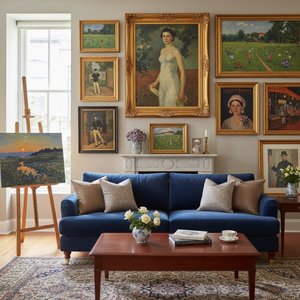
Édouard Manet: 25 Arcydzieł Impressionizmu dla Kolekcjonerów i Miłośników Sztuki
Odkryj 25 arcydzieł Édouarda Maneta – ikony impresjonizmu i realizmu. Poznaj historie, techniki i inspiracje francuskiego malarstwa XIX wieku. Reprodukcje obrazów najwyższej jakości na OriginalUniqueArt.com! Eksploruj kolekcję online.
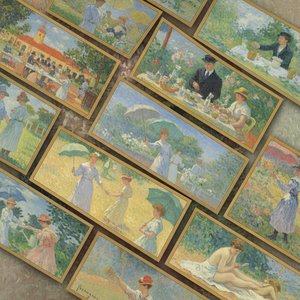
Pierre-Auguste Renoir: 25 Arcydzieł Pełnych Światła i Uroków | OriginalUniqueArt.com
Odkryj 25 najpiękniejszych obrazów Pierre’a-Auguste Renoir! Poznaj historię impresjonizmu, światło w jego malarstwie i arcydzieła takie jak 'Taniec w Le Moulin de la Galette'. Reprodukcje najwyższej jakości na OriginalUniqueArt.com – inspiracje dla Twojego wnętrza.
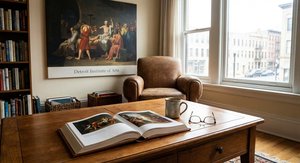
25 Arcydzieł Detroit Institute of Arts: Historia, Sztuka i Dekoracja Domu
Odkryj 25 arcydzieł Detroit Institute of Arts! Poznaj historie Van Gogha, Moneta i Rembrandta. Inspiracje do dekoracji wnętrz z reprodukcjami najwyższej jakości na OriginalUniqueArt.com – sztuka dla Twojego domu.

Bring Home Rustic Charm: A Newlywed's Guide to Selecting Warm & Cozy Artworks for Your First Home
Transform your new home with warm, rustic charm. Discover our expert guide for newlyweds on selecting cozy landscape paintings and custom hand-painted portraits that turn your first house into a soulful, timeless sanctuary of comfort and elegance.

Georges Seurat: 25 Arcydzieł Punktalizmu dla Twojego Domu | OriginalUniqueArt.com
Odkryj 25 arcydzieł Georges'a Seurata! Poznaj historię punktalizmu, impresjonistyczne pejzaże i fascynującą technikę malarską. Reprodukcje obrazów najwyższej jakości na OriginalUniqueArt.com – inspiracje do Twojego wnętrza. Eksploruj pełną kolekcję online!
More about this painting
 Podgląd w skali 1:1
 Wyślij jako kartkę
 Udostępnij
 Szczegóły dzieła
 Przewodnik

 Pobierz obraz
 Podobne obiekty
 RTG
RTG Pokaz slajdów
 Q&A
Q&A Statystyki