

 Podgląd w skali
 Wyślij jako kartkę
 Udostępnij
 Szczegóły dzieła

 Pobierz
 Podobne obiekty
 RTG
RTG Pokaz slajdów
 Statystyki
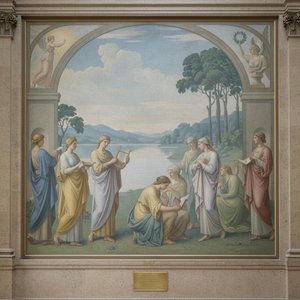
Le Travail


 Rozwiń treść
Ręcznie malowana reprodukcja olejowa
Ręcznie malowany obraz olejny na płótnie, wykonany na zamówienie przez naszych artystów w wybranym przez Ciebie wymiarze i oprawie. ( Przełącz na wydruki Przełącz na obraz cyfrowy)




P118B $10

P118H $10

P118W $10

P438Z $10

P508JH $12

P508YH $12

P805H $10

P805Z $10

P919BZ $10

P919G $10

P919XJ $10

P959ZH $10

P968JZ $12

W106C $8

W218G $10

W218JH $8

W218Y $10

W307PJ $10

W316G $10

W316PJ $8

W316Y $10

W398PJ $8

W4111J $10

W500HY $15

W500JH $15

W692G $12

W849H $8

W940BG $15

W953PJ $8




Wybierz spośród naszych standardowych rozmiarów, które zachowują oryginalne proporcje dzieła sztuki.

Możesz wprowadzić własne wymiary, aby dopasować obraz do konkretnej ramy lub przestrzeni. Jeśli wybrany rozmiar nie będzie odpowiadał proporcjom oryginału, przytniecie dzieło sztuki lub rozszerzymy je o dodatkowe elementy, ręcznie domalowane przez artystę. Przed rozpoczęciem produkcji wyślemy projekt cyfrowy do Twojej akceptacji.
Należy pamiętać, że podgląd na ekranie nie odzwierciedla rzeczywistego przycinania ani rozszerzania obrazu. Tylko projekt dokładnie pokaże ostateczną kompozycję.
Choć oferujemy możliwość zamówienia niestandardowych rozmiarów, zalecamy wybór wymiaru z gotowej listy, aby zachować oryginalne proporcje dzieła.
Po złożeniu zamówienia zespół OriginalUniqueArt.com skontaktuje się z klientem drogą mailową w celu uzyskania instrukcji i prześle wizualizację projektu
Dostawa na całym świecie () w ciągu 3–4 tygodni zamiast standardowych 5 tygodni. (13 Wrzesień). Bez kompromisów w kwestii jakości.

Bezpłatna ekspresowa wysyłka na cały świat

Wysokiej jakości płótno lniane

Pełne ubezpieczenie przesyłki

Gwarancja zwrotu należności celnych i podatków importowych

Gwarancja wiernego odwzorowania kolorów

100-dniowa polityka zwrotów (tylko w przypadku wad)

Gwarancja 100% zwrotu kosztów

Zniżka przy zamówieniu wielu produktów
 Opcja ze szkłem jest dostępna wyłącznie w rozmiarach poniżej 110 cm

Le Travail
Technika reprodukcji
Wymiary reprodukcji
-


Cena całkowita
$ 300
Le Travail: Une Symphonie de Couleur et d'Idéalisme National
Pierre Cécile Puvis de Chavannes, un artiste dont le nom résonne avec une puissance esthétique particulière, est bien plus qu’un peintre; il est un véritable architecte de la mémoire visuelle française au début du règne de Louis Philippe III. Né à Lyon en 1824, Puvis de Chavannes consacra sa vie à explorer les profondeurs de l'âme humaine et à traduire ses aspirations les plus nobles dans des œuvres monumentales qui continuent d’inspirer aujourd’hui. Son travail transcende la simple décoration intérieure; il incarne une philosophie artistique profondément ancrée dans les préoccupations morales et esthétiques de son époque, une époque marquée par les bouleversements politiques et sociaux qui allaient façonner l'histoire du XIXe siècle. Il ne cherchait pas seulement à représenter le monde extérieur avec précision, mais à donner forme aux idéaux nationaux et à transmettre une émotion universelle : celle du travail acharné et de la coopération humaine. Une Vision Monumentale et Symbolique Les premières années de Puvis de Chavannes furent marquées par une passion pour l’ingénierie civile, une vocation qu'il abandonna progressivement au profit d'une véritable obsession artistique. Cette décision fut déterminante dans son parcours créatif et lui permit de se consacrer pleinement à la création de peintures aux dimensions extraordinaires, capables de capturer l'esprit même du temps. Il était influencé par les idées esthétiques dominantes de son époque, notamment le romantisme et le mouvement néo-classiciste, mais il développa une sensibilité propre qui lui valut une reconnaissance internationale. Puvis de Chavannes considérait la peinture comme un moyen d’exprimer les valeurs morales et spirituelles essentielles à l'identité nationale, une conviction qu'il partageait avec les artistes et intellectuels de son temps. Ses œuvres sont caractérisées par une maîtrise technique exceptionnelle et une recherche constante de beauté idéale, une beauté qui vise à inspirer l'âme humaine et à susciter la contemplation esthétique. "Le Travail", Une Œuvre Marquée par la Lumière et la Couleur La peinture "Le Travail," réalisée en 1863, est un exemple emblématique du style Puvis de Chavannes et témoigne de sa capacité à traduire les préoccupations morales et esthétiques de son époque dans une œuvre d'une puissance émotionnelle remarquable. Cette fresque monumentale représente une scène de travail dans les bois, où une équipe masculine travaille ensemble pour abattre des arbres avec détermination et efficacité. La lumière naturelle joue un rôle essentiel dans la composition, créant une atmosphère chaleureuse et dynamique qui souligne la beauté des formes naturelles et l'énergie humaine. Les couleurs sont utilisées avec parcimonie mais avec grande précision afin de renforcer les effets émotionnels et esthétiques de la peinture. L’artiste privilégie une palette chaude et lumineuse pour évoquer la puissance physique du travail et la richesse des paysages naturels. Au-delà de la Représentation Littérale Bien que "Le Travail" soit une œuvre réaliste dans son souci de détails anatomiques et environnementaux, elle dépasse largement les limites du réalisme traditionnel. Puvis de Chavannes utilise la peinture pour exprimer une idée philosophique profonde : celle de l'unité humaine et de la coopération nécessaire à la réalisation des grands projets nationaux. Les hommes représentés dans la fresque sont nus, ce qui souligne leur vulnérabilité et leur liberté physique, mais aussi leur capacité à affronter les défis de la vie avec courage et détermination. Cette esthétique particulière reflète les valeurs morales et spirituelles dominantes au XIXe siècle : l'honneur, la dignité humaine et la croyance en une destinée commune. Un Héritage Durable pour l’Art Moderne L'influence de Puvis de Chavannes sur les artistes modernes est considérable. Il fut notamment un précurseur du mouvement symboliste, qui cherchait à exprimer les états d'âme humains avec une sensibilité nouvelle et une esthétique raffinée. Ses œuvres sont considérées comme des modèles d’équilibre entre forme et contenu, entre beauté idéale et réalité quotidienne. Puvis de Chavannes demeure aujourd'hui un artiste incontournable pour tous ceux qui souhaitent comprendre l'histoire de l'art français et européen au XIXe siècle, une histoire marquée par les grandes transformations sociales et politiques qui allaient donner naissance à la modernité artistique.O artyście
Pierre Cécile Puvis de Chavannes: The Painter for France
Pierre Cécile Puvis de Chavannes, a name often simply rendered as Puvis de Chavannes, occupies a unique and pivotal position in 19th-century French art. Born in Lyon in 1824, he rose to become known as “the painter for France,” a testament to his profound impact on public art during the early years of the Third Republic. His legacy extends far beyond mere decoration; Puvis de Chavannes crafted visual narratives that embodied national ideals and resonated with a generation grappling with political and social transformation. He wasn’t merely illustrating history, but actively shaping its visual memory for the future. His influence on subsequent artists, particularly those aligned with Symbolism and Art Nouveau, is undeniable, and his collaborative spirit extended to working alongside medallists, offering designs and insightful suggestions.Early Life and Artistic Beginnings
The early life of Pierre-Cécile Puvis was marked by a trajectory that initially diverged from the world of art. Born into a family of modest means – his father an engineer descended from Burgundy nobility – he received an education at Amiens College and Lycée Henri IV in Paris, preparing him for a career following in his father’s footsteps. However, a serious illness proved to be a turning point, forcing a period of convalescence that allowed space for introspection and the burgeoning of artistic inclinations. A transformative journey to Italy ignited within him a passion for painting, prompting a decisive shift away from engineering and towards a life dedicated to creative expression. He embraced his ancestral heritage by incorporating “de Chavannes” into his name, a subtle assertion of identity and lineage. His formal training included brief mentorships under luminaries like Eugène Delacroix, Henri Scheffer, and Thomas Couture, yet he ultimately favored independent study, establishing a spacious studio near the Gare de Lyon that became a hub for artistic exploration. He diligently honed his understanding of anatomy through classes at the Académie des Beaux Arts, laying a solid foundation for his later monumental works.The Genesis of a Symbolist Style
Puvis de Chavannes’s artistic style is generally categorized as Symbolist, though it evolved from roots in Romanticism. His work is instantly recognizable by its simplified forms, rhythmic linear compositions, and a distinctive, muted palette reminiscent of fresco painting. He wasn't interested in photographic realism; instead, he sought to distill essence, to capture the underlying spirit of his subjects. He frequently drew inspiration from classical antiquity and idealized landscapes, weaving allegorical themes into grand narratives. His early commissions, beginning in the 1860s at the Musée de Picardie in Amiens – including *Concordia*, *Bellum*, *Le Travail* (Work), and *Le Repos* (Rest) – established his reputation for large-scale mural paintings. These weren’t simply decorative elements; they were carefully considered statements about civic virtue, labor, and the pursuit of harmony. Notable works like *The Woodcutters* (1873), currently housed at the San Antonio Museum of Art, demonstrate his ability to imbue everyday scenes with symbolic weight and poetic grace. Paintings such as *Massilia, Greek Colony*, and *Sacred Grove* exemplify his characteristic style and thematic interests, showcasing nude figures within evocative landscapes that invite contemplation.Collaborations and Public Commissions
Puvis de Chavannes’s career was marked by a remarkable blend of independent artistic pursuits and significant public commissions. He wasn't merely a painter; he was an active participant in the cultural life of Paris, contributing to the development of decorative arts and shaping the visual identity of important civic spaces. His involvement with the Société Nationale des Beaux-Arts, as its president, solidified his position as a leading figure in the artistic community. He collaborated extensively with medallists, providing designs and insightful suggestions for their works, enriching their output with his distinctive aesthetic sensibilities. The monumental murals he created for the Panthéon in Paris – illustrating the life of St. Geneviève – stand as enduring testaments to his skill and vision, reflecting a deep understanding of both artistic technique and historical narrative. His willingness to undertake challenging projects, often at his own expense, underscored his commitment to public service and his belief in the transformative power of art.A Lasting Legacy: Influence and Historical Significance
The impact of Puvis de Chavannes on the artistic landscape of France – and beyond – was profound. He is credited with influencing an entire generation of painters and sculptors, particularly those associated with Modernism. His emphasis on simplified forms, decorative patterns, and allegorical themes resonated deeply with artists seeking to break away from traditional academic constraints. Georges de Feure was among his notable protégés, benefiting directly from his guidance and mentorship. Beyond painting, Puvis actively collaborated with medallists, providing designs and suggestions that enriched their work. Émile Zola eloquently lauded his art as “an art made of reason, passion, and will,” capturing the intellectual and emotional depth inherent in his creations. His most celebrated achievement lies in his contribution to the development of public art during a period of significant political and social change in France. His murals weren’t merely aesthetic enhancements; they were intended to embody national ideals and provide visual narratives for civic spaces, fostering a sense of collective identity and shared values. The monumental murals at the Panthéon in Paris, illustrating the life of St. Geneviève, stand as enduring testaments to his skill and vision. Puvis de Chavannes remains an important figure in 19th-century French art, bridging the gap between Romanticism and Symbolism and paving the way for the artistic innovations of the modern era. His work continues to inspire awe and admiration, reminding us of the power of art to shape our understanding of history, culture, and the human condition.
Puvis de Chavannes
1824 - 1898 , Francja
Krótka nota
- Artistic Movement Or Style: Symbolizm
- Artists Or Movements Influenced By This Artist:
- Genin
- Art Nouveau
- Modernizm
- Artists Who Influenced This Artist:
- Delakroix
- Scheffer
- Couture
- Date Of Birth: 14 grudzień 1824
- Date Of Death: 24 październik 1898
- Full Name: Pierre Cécile Puvis de Chavannes
- Nationality: Francuz
- Notable Artworks:
- Wykutnicy
- Massilia
- Święta Grota
- Place Of Birth: Lyon, Francja
Powiązane artykuły

O nas
Odkryj naszą historię! Wprowadzamy światowej klasy sztukę do Twojego życia dzięki starannie dobranym dziełom, personalizowanym kreacjom i bezpłatnym podglądom. Cenione przez osoby prywatne i firmy od 2000 roku.

Paul Cézanne: 25 Arcydzieł, które Zrewolucjonizowały Świat Sztuki | OriginalUniqueArt
Odkryj 25 arcydzieł Paula Cézanne'a – od impresjonizmu po postimpresjonizm. Poznaj historie, techniki i inspiracje malarza, który zrewolucjonizował sztukę. Reprodukcje obrazów najwyższej jakości na OriginalUniqueArt.com!

Impressionizm w Obrazach: 10 Arcydzieł Pełnych Światła i Koloru | OriginalUniqueArt
Odkryj 10 arcydzieł impresjonizmu! Poznaj historie Claude Moneta, Degasa i Van Gogha. Reprodukcje obrazów najwyższej jakości – pejzaże pełne światła i koloru do Twojego wnętrza. OriginalUniqueArt.

Francisco Goya: 25 Arcydzieł Genialnego Malarza Hiszpańskiego | OriginalUniqueArt.pl
Odkryj 25 arcydzieł Francisco Goyi – od portretów królewskich po dramatyczne 'Czarne Malowidła'. Poznaj historię, technikę i emocje hiszpańskiego mistrza. Reprodukcje obrazów najwyższej jakości na OriginalUniqueArt.com! Eksploruj kolekcję online.
Pierre Puvis de Chavannes: Symbolism, Mural Painting, and the Pursuit of Ideal Beauty
Explore the life & work of Pierre Puvis de Chavannes, a pivotal Symbolist painter renowned for his monumental murals. Discover his aesthetic principles, key artworks like 'Hope,' and lasting influence on modern art. A deep dive into 19th-century French painting.
