

 Zobacz w skali 1:1
 Wyślij
 Udostępnij
 Szczegóły
 Przewodnik

 Pobierz plik obrazu
 Podobne obiekty
 RTG
RTG Pokaz slajdów
 Statystyki
Bitwa na koniu
 Akryl na płótnie
- Sztuka ścienna
- Dutch Baroque
 1645
1645 98.0 x 122.0 cm
 Academy of Fine Arts Vienna
 Czytaj więcej
Ręcznie malowana reprodukcja olejowa
Ręcznie malowany obraz olejny na płótnie, wykonany na zamówienie przez naszych artystów w wybranym przez Ciebie wymiarze i oprawie. ( Przełącz na wersję drukowaną Przełącz na wersję cyfrową)




P118B $10

P118H $10

P118W $10

P438Z $10

P508JH $12

P508YH $12

P805H $10

P805Z $10

P919BZ $10

P919G $10

P919XJ $10

P959ZH $10

P968JZ $12

W106C $8

W218G $10

W218JH $8

W218Y $10

W307PJ $10

W316G $10

W316PJ $8

W316Y $10

W398PJ $8

W4111J $10

W500HY $15

W500JH $15

W692G $12

W849H $8

W940BG $15

W953PJ $8




Wybierz spośród naszych standardowych rozmiarów, które zachowują oryginalne proporcje dzieła sztuki.

Możesz wprowadzić własne wymiary, aby dopasować obraz do konkretnej ramy lub przestrzeni. Jeśli wybrany rozmiar nie będzie odpowiadał proporcjom oryginału, przytniecie dzieło sztuki lub rozszerzymy je o dodatkowe elementy, ręcznie domalowane przez artystę. Przed rozpoczęciem produkcji wyślemy projekt cyfrowy do Twojej akceptacji.
Należy pamiętać, że podgląd na ekranie nie odzwierciedla rzeczywistego przycinania ani rozszerzania obrazu. Tylko projekt dokładnie pokaże ostateczną kompozycję.
Choć oferujemy możliwość zamówienia niestandardowych rozmiarów, zalecamy wybór wymiaru z gotowej listy, aby zachować oryginalne proporcje dzieła.
Po złożeniu zamówienia zespół OriginalUniqueArt.com skontaktuje się z klientem drogą mailową w celu uzyskania instrukcji i prześle wizualizację projektu
Dostawa na całym świecie () w ciągu 3–4 tygodni zamiast standardowych 5 tygodni. (26 Wrzesień). Bez kompromisów w kwestii jakości.

Bezpłatna ekspresowa wysyłka na cały świat

Wysokiej jakości płótno lniane

Pełne ubezpieczenie transportowe

Gwarancja zwrotu należności celnych i podatków importowych

Gwarancja idealnego odwzorowania barw

100-dniowy okres na zwrot dzieła w przypadku wykrycia wad produkcyjnych

Gwarancja 100% zwrotu pieniędzy

Oferta przy zakupie wielu sztuk
 Opcja ze szkłem jest dostępna wyłącznie w rozmiarach poniżej 110 cm

Bitwa na koniu
Technika wykonania
Rozmiar reprodukcji
-


Suma do zapłaty
$ 300
A Dramatic Tableau of Warfare: Examining Philips Wouwerman’s “Battle on Horseback”
Philips Wouwerman, a prolific painter hailing from Haarlem during the zenith of Dutch artistic achievement—the Golden Age—stands as an unforgettable testament to the period's fascination with realism and theatrical storytelling. His masterpiece, "Battle on Horseback," painted circa 1645/1646, transcends mere depiction; it’s a visceral immersion into the brutal realities of military conflict, skillfully rendered with meticulous detail and imbued with profound symbolic resonance. This stunning reproduction captures not only the visual spectacle but also the psychological drama inherent in such confrontations.The Scene Unfolds: Composition and Detail
The painting immediately commands attention with its dynamic arrangement. Dominating the canvas is a squadron of horses engaged in furious combat, their riders wielding swords and spears with unwavering determination. Wouwerman’s masterful use of perspective creates an illusion of depth, drawing the viewer into the heart of the action. Notice the careful positioning of the horses—some rearing defiantly, others maneuvering strategically—reflecting the chaotic energy of battle. Furthermore, a smaller group of figures stands in the background, observing the unfolding drama with palpable apprehension and perhaps even anticipation. Two dogs are strategically placed within the composition, adding an element of unsettling realism and subtly emphasizing the primal instincts at play. The artist’s painstaking attention to detail—from the textures of armor to the glint of sunlight on weapons—elevates this artwork beyond a simple representation; it aspires to capture the very essence of the moment.Style and Technique: Baroque Drama Embodied
Wouwerman's style firmly anchors itself within the Baroque tradition, characterized by dramatic lighting, heightened emotion, and an emphasis on theatrical presentation. He employs chiaroscuro—the skillful manipulation of light and shadow—to sculpt the figures and heighten their impact. The artist’s brushstrokes are bold and expressive, conveying movement and energy with remarkable fluency. Unlike many artists of his time who favored idealized portrayals, Wouwerman opted for unflinching realism, prioritizing accuracy over aesthetic embellishment. This approach is particularly evident in the depiction of the horses—their musculature meticulously rendered to convey their power and stamina—a hallmark of Wouwerman’s distinctive artistic vision.Historical Context: Reflections of Military Conflict
“Battle on Horseback” emerged during a turbulent period marked by ongoing conflicts between European powers, notably France and Spain. The painting reflects the anxieties and uncertainties prevalent at the time, capturing the fervor of patriotic zeal and the grim consequences of warfare. Wouwerman’s work aligns with broader artistic trends exploring themes of heroism, courage, and mortality—subjects frequently addressed in Baroque art. Examining this artwork alongside contemporary accounts of battles provides invaluable insight into the cultural milieu that shaped its creation and continues to resonate with viewers today.Symbolism: Beyond Mere Representation
Beyond its immediate visual impact, “Battle on Horseback” carries symbolic weight. The horses themselves represent strength, nobility, and martial prowess—qualities revered in aristocratic society during the seventeenth century. The dogs serve as emblems of loyalty and vigilance, mirroring the role played by military personnel in safeguarding their nation’s interests. Moreover, the overall composition speaks to the universal human experience of confronting adversity with unwavering resolve. Wouwerman's masterful execution ensures that these symbolic layers remain perceptible even within a reproduction, enriching its aesthetic and intellectual value.Emotional Resonance: Capturing the Intensity of Combat
Ultimately, “Battle on Horseback” succeeds in conveying the profound emotional impact of battlefield violence. The artist’s skillful use of color—particularly reds and browns—intensifies the drama and evokes feelings of urgency and danger. The viewer is transported back to a moment of intense confrontation, experiencing alongside the figures depicted the palpable tension and visceral horror inherent in armed struggle. This artwork remains a powerful reminder of the human cost of conflict and serves as an enduring testament to Wouwerman’s artistic genius—a genius capable of capturing not just what was seen but also what was felt.Biografia artysty
Philips Wouwerman: A Master of Dutch Dynamism
Philips Wouwerman, born in Haarlem in 1619 and tragically passing away in the same city in 1668, stands as a pivotal figure within the vibrant tapestry of the Dutch Golden Age. More than just a painter, he was a keen observer of human life – a chronicler of bustling marketplaces, spirited hunts, and the quiet dramas unfolding amidst landscapes both familiar and fantastical. His prolific output, encompassing over a thousand works (though many attributed to his numerous followers), reveals an artist constantly evolving, yet always rooted in the traditions of Haarlem and deeply influenced by the artistic currents of his time.
Early Influences and Artistic Training
Wouwerman’s early life offers intriguing glimpses into his formative years. Born into a family connected to the art world – his father, Pouwels Joostsz Wouwerman, was a painter specializing in historical scenes – he likely received some initial instruction from his father. However, details regarding his formal training remain somewhat elusive. A significant influence on his early work appears to have been the *bamboccianti* tradition, a movement originating in Rome that focused on depicting everyday life and genre scenes populated by peasants, soldiers, and laborers. Artists like Pieter van Laer (1592/99–after 1642), known for his lively depictions of tavern scenes and street life, undoubtedly shaped Wouwerman’s initial approach to composition and subject matter. It's believed that he also studied under Frans Hals (1581/85–1666), a prominent Haarlem portraitist, though the direct impact of Hals’ distinctive style on Wouwerman’s mature work is subtle.
The Emergence of a Unique Style
Wouwerman's artistic development witnessed a remarkable transformation throughout his career. Initially emulating the *bamboccianti*, he gradually developed a distinctly personal style, characterized by a masterful command of light and shadow, dynamic compositions, and an unparalleled ability to render horses in motion. A key element of this evolution was the introduction of the diagonal slope of land – often featuring a strategically placed tree acting as a repoussoir (a device used to create depth and drama) – which became a hallmark of his landscapes. His mid-career works are particularly notable for their carefully constructed scenes, populated by figures engaged in various activities: hunting parties, military encampments, festive gatherings of peasants, and travelers pausing at inns. These compositions were not merely static representations; they conveyed a sense of movement, energy, and narrative complexity.
Mastery of the Horse and Expanding Subject Matter
Perhaps Wouwerman’s most enduring legacy lies in his extraordinary skill as an equestrian painter. He possessed an almost uncanny ability to capture the power, grace, and dynamism of horses – from majestic warhorses charging into battle to spirited hunters pursuing their quarry. Art historian Frederik J. Duparc famously declared him “undoubtedly the most accomplished and successful 17th-century Dutch painter of horses,” a testament to his meticulous observation, anatomical accuracy, and understanding of equine movement. Beyond his equestrian paintings, Wouwerman broadened his subject matter considerably, venturing into landscapes with travelers, cavalry battles, military encampments, and even depictions of everyday life – all rendered with remarkable detail and a keen eye for storytelling. His later works often featured a softer palette and a more subdued atmosphere, reflecting a shift in artistic sensibilities.
Historical Significance and Lasting Influence
Philips Wouwerman’s paintings enjoyed immense popularity during his lifetime, securing him a prominent place within the Dutch art market. His work was highly sought after by collectors throughout Europe, including princely houses in Dresden and St. Petersburg, demonstrating its enduring appeal. The fact that many of his works were copied and imitated by artists like Jan van Huchtenburgh and Pieter van Bredael underscores his significant influence on subsequent generations of painters. Wouwerman’s legacy extends beyond individual masterpieces; he represents a pivotal moment in the development of Dutch painting – a synthesis of observation, technique, and narrative skill that continues to captivate viewers today. His paintings offer a vibrant window into the social, cultural, and artistic landscape of the Dutch Golden Age.

Philips Wouwermański
1619 - 1668 , Holandia
Najważniejsze informacje
- Artistic Movement Or Style: Złota Era Holenderska
- Artists Or Movements Influenced By This Artist: ['Jan Wijnants']
- Artists Who Influenced This Artist:
- Frans Hals
- Pieter van Laer
- Date Of Birth: 24 maja 1619
- Date Of Death: 19 maja 1668
- Full Name: Philips Wouwerman
- Nationality: Holender
- Notable Artworks:
- Dwie konie
- Dwoje jeźdźców na psach
- Krajobraz z wydm
- Place Of Birth: Haarlem, Holandia
Zobacz także powiązane artykuły

John Constable: 25 Najlepszych Obrazów Mistrza Angielskiego Krajobrazu | OriginalUniqueArt
Odkryj 25 arcydzieł Johna Constable'a – mistrza angielskiego krajobrazu! Poznaj romantyczne pejzaże, technikę malarską i inspiracje z Dedham Vale. Reprodukcje obrazów najwyższej jakości na OriginalUniqueArt.com. Eksploruj pełną kolekcję online!

Złoty Wiek Niderlandów: Światło, Realizm i Kulturowe Innowacje w Malarstwie Barokowym
Odkryj fascynujący świat malarstwa holenderskiego Złotego Wieku! Poznaj arcydzieła Rembrandta, Vermeera i innych mistrzów. Analiza technik, gatunków i wpływu na sztukę europejską.

Golden Light & Dutch Skies: The Timeless Magic of Dutch Golden Age Landscapes
Discover the breathtaking beauty of Dutch Golden Age landscapes. Explore the mastery of light, chiaroscuro, and 17th-century realism through an expert art history lens, celebrating the enduring legacy of the Dutch Masters for discerning collectors and art lovers.
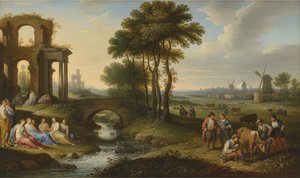
Cornelis van Poelenburch: Bridging Mannerism & the Dutch Baroque Landscape
Discover Cornelis van Poelenburch, a pivotal Dutch Baroque landscape painter bridging Mannerism & Italianate styles. Explore his life, key works, and lasting influence on 17th-century art with OriginalUniqueArt.

Holenderski Barok: 10 Arcydzieł, Które Zdefiniowały Epokę | OriginalUniqueArt
Poznaj 10 arcydzieł holenderskiego baroku! Odkryj historie Rembrandta, Vermeera i innych mistrzów XVII wieku. Reprodukcje obrazów najwyższej jakości – idealne do Twojego wnętrza. OriginalUniqueArt.com

