- Strona główna

- Reprodukcja obrazu olejnego
- peugeot
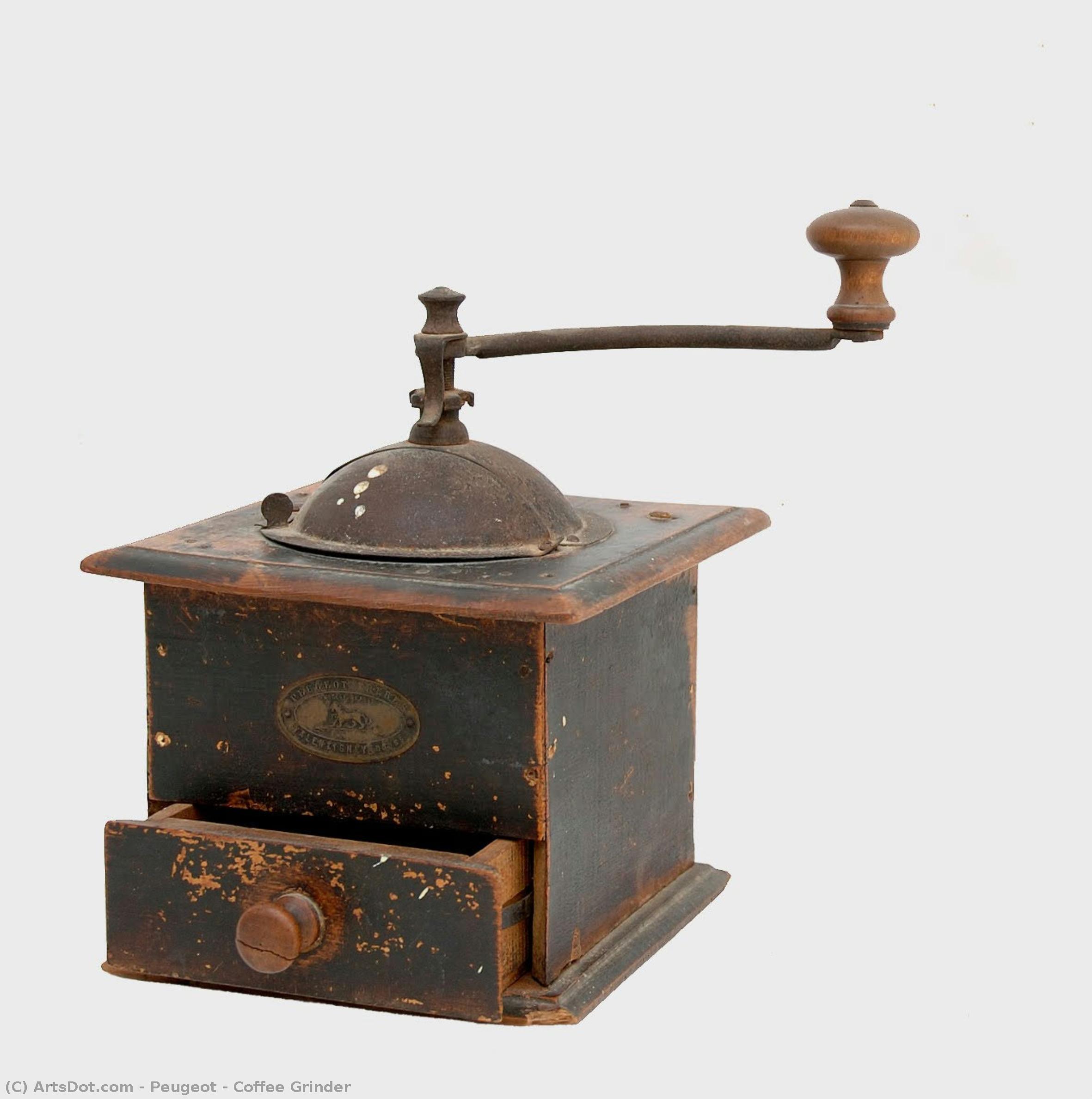
- Coffee Grinder
 Preview
 Zamów wydruk Kup cyfrowy obraz
 Udostępnij
 Udostępnij
 Szczegóły dzieła
 Dodaj do ulubionych

 Pobierz
 Podobne obiekty
 RTG
RTG
 Pokaz slajdów
Coffee Grinder

 Rozwiń treść
Ręcznie malowana reprodukcja olejowa
Ręcznie malowany olej na płótnie w Twoim wymiarze i ramie, tworzony na zamówienie przez naszych artystów.




































Wybierz spośród naszych predefiniowanych rozmiarów, które zachowują oryginalne proporcje dzieła sztuki.

Możesz wprowadzić własne wymiary, aby dopasować obraz do konkretnej ramy lub przestrzeni. Jeśli wybrany rozmiar nie będzie odpowiadał proporcjom oryginału, przytniecie dzieło sztuki lub rozszerzymy je o dodatkowe elementy, ręcznie domalowane przez artystę. Przed rozpoczęciem produkcji wyślemy projekt cyfrowy do Twojej akceptacji.
Należy pamiętać, że podgląd na ekranie nie odzwierciedla rzeczywistego przycinania ani rozszerzania obrazu. Tylko projekt dokładnie pokaże ostateczną kompozycję.
Choć oferujemy możliwość zamówienia niestandardowych rozmiarów, zalecamy wybór wymiaru z gotowej listy, aby zachować oryginalne proporcje dzieła.
Po złożeniu zamówienia zespół OriginalUniqueArt.com skontaktuje się z klientem drogą mailową w celu uzyskania instrukcji i prześle wizualizację projektu
Dostawa na całym świecie () w ciągu 3/4 tygodni zamiast standardowych 5 tygodni. (26 Lipiec). Bez kompromisów w kwestii jakości.

Bezpłatna ekspresowa wysyłka na cały świat

Wysokiej jakości płótno lniane

Pełne ubezpieczenie przesyłki

Gwarancja zwrotu należności celnych

Gwarancja pełnego zgodności kolorystycznej

Polityka 60-dniowego zwrotu (tylko w przypadku wad)

Gwarancja 100% zwrotu pieniędzy

Zniżka przy większych zamówieniach
 Opcja szkła jest dostępna wyłącznie w rozmiarach poniżej 110 cm

Coffee Grinder
Technika reprodukcji
Wymiary reprodukcji
-


Cena całkowita
-
Opis dzieła
Biografia artysty
The Enduring Lion: Exploring the Legacy of Peugeot
Peugeot, a name synonymous with automotive innovation and French design heritage, possesses a surprisingly rich artistic lineage often overshadowed by its mechanical prowess. While primarily recognized as a manufacturer, the company’s history is inextricably linked to a vibrant tradition of illustration and painting, particularly during the Belle Époque and beyond. This article delves into the lesser-known world of Peugeot’s artistic endeavors, revealing a family legacy of creativity that shaped not only the brand's visual identity but also offered a captivating glimpse into Parisian life at the turn of the 20th century.
The story begins in 1858 with Émile Peugeot, who secured the iconic lion trademark – a symbol that would become inextricably linked to the family’s automotive empire. However, the Peugeot family's artistic roots extend far beyond this foundational moment. Armand Peugeot, Émile’s brother, was a passionate inventor and artist himself, commissioning elaborate illustrations for the company’s early catalogues and promotional materials. These weren’t mere advertisements; they were meticulously crafted scenes depicting the burgeoning world of automobiles, showcasing their capabilities and appealing to a growing audience of enthusiasts. This initial artistic direction established a precedent – that Peugeot would not only build vehicles but also visually represent its ambition and technological advancements.
The Rise of the Artistic Peugeot: A Family Affair
Throughout the late 19th and early 20th centuries, several generations of Peugeot men continued to nurture this artistic tradition. Armand’s son, Émile II, further expanded the company's visual presence, employing a team of illustrators who captured the glamour and excitement surrounding early automobiles. These artists weren’t simply documenting vehicles; they were creating evocative narratives – depicting elegant couples embarking on journeys, showcasing the sophistication of Peugeot cars in opulent settings, and subtly conveying the brand’s commitment to quality and innovation. Notably, these illustrations often featured a distinctly Parisian aesthetic, reflecting the family's deep connection to the city.
Crucially, this artistic endeavor wasn’t confined solely to commissioned work. The Peugeot family actively fostered an environment of creativity within the company. They recognized that visual communication was paramount in shaping public perception and driving sales. This led to a deliberate cultivation of talent – encouraging employees with artistic inclinations to pursue their passions, often providing them with opportunities to develop their skills.
A Shift Towards Automotive Art: The Late 19th & Early 20th Centuries
As Peugeot transitioned into the automotive industry in earnest, its artistic output evolved. The late 1890s and early 1900s saw a surge in detailed illustrations of the company’s pioneering vehicles – the Panhard-Peugeot, the Peugot, and later, the renowned Type 32. These images weren't just technical drawings; they were imbued with a sense of dynamism and excitement, capturing the spirit of innovation that defined the era. The artists employed techniques reminiscent of Orientalist painting—a style popular at the time—using rich colors, dramatic lighting, and evocative compositions to create visually arresting scenes.
Furthermore, Peugeot began collaborating with prominent Parisian artists, including Léon Serpollet, a visionary architect and engineer who played a pivotal role in the development of early automobiles. These collaborations resulted in stunning illustrations that showcased both the technological advancements and the artistic sensibilities of the Peugeot brand. The influence of these partnerships extended beyond mere visual representation; they fostered a shared understanding of design principles and a commitment to pushing the boundaries of innovation.
Beyond the Automobile: Julius LeBlanc Stewart & The Legacy Continues
While the core of Peugeot’s artistic output remained firmly rooted in automotive illustration, the family's interest in visual arts continued into the 20th century. The name Julius LeBlanc Stewart is particularly noteworthy. Though not directly employed by Peugeot, Stewart’s evocative Belle Époque portraits and Orientalist scenes—capturing the glamour of Parisian life—demonstrate a lineage of artistic talent within the Peugeot family. His work reflects a similar aesthetic sensibility to earlier Peugeot illustrations – a blend of elegance, sophistication, and a keen eye for detail.
Today, Peugeot’s artistic legacy is often overlooked amidst its automotive achievements. However, by examining this lesser-known chapter in the company's history, we gain a deeper appreciation for the family’s commitment to innovation, design, and visual communication. The lion emblem, initially a symbol of branding, has become inextricably linked to a rich tradition of artistic expression—a testament to the enduring power of creativity within the Peugeot family.

peugeot
France
Kluczowe informacje
- Artistic Movement Or Style: Automotive Design
- Artists Or Movements Influenced By This Artist:
- Citroën
- Mercedes-Benz
- Artists Who Influenced This Artist:
- Panhard-Daimler
- Léon Serpollet
- Full Name: Peugeot
- Nationality: French
- Notable Artworks:
- Legendary French Designer Paints Vivid Automotive Art
- Peugeot 206
- Peugeot 208
- Place Of Birth: Paris, France

