

 Podgląd w skali 1:1
 Wyślij jako kartkę
 Udostępnij
 Szczegóły dzieła
 Przewodnik

 Pobierz obraz
 Podobne obiekty
 RTG
RTG Pokaz slajdów
 Statystyki
The storm
 Acrylic On Canvas
- WallArt
- Biedermeier
 1837
1837 50.0 x 67.0 cm
 Austrian Gallery Belvedere
 Rozwiń treść
Giclée / Wydruk artystyczny
Wydruki giclée lub płótna o jakości muzealnej, szybka realizacja i szeroki wybór opcji wykończenia. ( Zamów ręcznie malowaną reprodukcję Przejdź do wersji cyfrowej)




P118B zł10

P118H zł10

P118W zł10

P438Z zł10

P508JH zł12

P508YH zł12

P805H zł10

P805Z zł10

P919BZ zł10

P919G zł10

P919XJ zł10

P959ZH zł10

P968JZ zł12

W106C zł8

W218G zł10

W218JH zł8

W218Y zł10

W307PJ zł10

W316G zł10

W316PJ zł8

W316Y zł10

W398PJ zł8

W4111J zł10

W500HY zł15

W500JH zł15

W692G zł12

W849H zł8

W940BG zł15

W953PJ zł8




Wybierz spośród naszych standardowych rozmiarów, które zachowują oryginalne proporcje dzieła sztuki.

Wpisz wymaganą szerokość i wysokość, aby dopasować grafikę do ramy lub ściany. Wydruk można jedynie przyciąć, nigdy nie powiększając go poza oryginalny obraz, dlatego format o innych proporcjach spowoduje utratę części kompozycji. Przed rozpoczęciem druku prześlemy Ci cyfrowy podgląd do zatwierdzenia. Obraz wyświetlany na tej stronie nie pokazuje rzeczywistego przycięcia — jedynie podgląd oddaje ten efekt.
Dostawa na cały świat () w ciągu 2 tygodni zamiast standardowych 4/5 tygodni. (27 Październik)

Bezpłatna ekspresowa wysyłka na cały świat

Wysokiej jakości płótno lniane

Pełne ubezpieczenie przesyłki

Gwarancja zwrotu należności celnych i podatków importowych

Gwarancja wiernego odwzorowania kolorów

100-dniowa polityka zwrotów (tylko w przypadku wad)

Gwarancja 100% zwrotu pieniędzy

Zniżka przy zakupie wielu sztuk
 Opcja ze szkłem jest dostępna wyłącznie w rozmiarach poniżej 110 cm

The storm
Giclée / Wydruk artystyczny
Wymiary reprodukcji
-


Cena całkowita
zł 307
A Window to a Turbulent Soul: Exploring Peter Fendi’s “The Storm”
Peter Fendi's "The Storm," painted in 1837, isn’t merely a depiction of a tempestuous sky; it’s a profound meditation on domesticity, vulnerability, and the quiet drama unfolding within a family’s sanctuary. This intimate scene, rendered with the characteristic warmth and realism of Biedermeier painting, immediately draws the viewer into a tableau of contained chaos – a woman cradling her child before a window that frames both the fury of nature and the steadfastness of home. The composition is deceptively simple: a mother and child, bathed in soft light, facing an exterior world rendered with dramatic brushstrokes and swirling clouds. Yet, within this apparent tranquility lies a palpable tension, a suggestion of unease that speaks volumes about the anxieties inherent in family life.
Fendi’s masterful use of color is crucial to conveying this emotional complexity. The palette leans heavily on muted browns, grays, and blues – colors associated with storm clouds and introspection. However, these somber tones are punctuated by flashes of warm light emanating from the interior, highlighting the figures and creating a subtle contrast between safety and the unknown. The woman’s posture is particularly telling; she isn't actively shielding her child, nor does she appear panicked. Instead, she gazes out with a thoughtful expression, suggesting an acceptance of the storm both outside and within. The inclusion of other family members – two children playing near the window and another figure on the right – subtly expands the narrative, hinting at a larger household grappling with shared experiences.
The Biedermeier Aesthetic: Intimacy and Observation
“The Storm” is a quintessential example of the Biedermeier style, which flourished in Austria during the early 19th century. This artistic movement prioritized realism and domestic scenes, often depicting everyday life with an emphasis on intimacy and observation. Unlike the grand historical or mythological subjects favored by earlier periods, Biedermeier artists sought to capture the beauty and simplicity of the ordinary – a shift reflecting the growing middle class’s desire for comfort and connection within their own homes. Fendi's work embodies this ethos perfectly; he doesn’t attempt to glorify the storm itself but rather focuses on how it affects those closest to him, creating a deeply personal and relatable image.
Fendi’s technical skill is evident in his meticulous attention to detail – from the texture of the fabrics to the subtle nuances of expression on the figures' faces. He employed a technique known as “pointillé,” using small, closely spaced brushstrokes to create an illusion of depth and texture, particularly noticeable in the depiction of the clouds. This method allowed him to capture the dynamic movement of the storm while maintaining a sense of realism and warmth. Furthermore, his use of light is masterful, creating a soft, diffused glow that illuminates the figures and imbues the scene with a feeling of quiet dignity.
Symbolism and Emotional Resonance
The window itself serves as a powerful symbol in “The Storm.” It represents not only a physical barrier between the interior and exterior but also a metaphorical one – separating the family from the uncertainties of the world. The storm raging outside can be interpreted as a representation of life’s challenges, anxieties, and hardships. However, within the confines of the home, the family finds solace and strength in their connection to one another. The child, nestled securely in his mother's arms, embodies innocence and hope, suggesting that even amidst turmoil, new beginnings are possible.
Fendi’s painting resonates with a timeless emotional truth. It speaks to the universal experience of navigating difficult times while cherishing the bonds of family. “The Storm” is more than just a beautiful artwork; it's a poignant reminder of the resilience of the human spirit and the enduring power of love in the face of adversity. Reproductions of this evocative piece offer a captivating glimpse into a bygone era, inviting viewers to contemplate their own relationships and find beauty amidst life’s inevitable storms.
Pytania i odpowiedzi
Jaka paleta i dominujący kolor definiują "The storm"?
„The storm” charakteryzuje się paletą Earthy, w której dominuje Clay (#8c6a3a).
Czy dzieło „The storm” – Peter Fendi, znajdujące się w zbiorach Austrian Gallery Belvedere, może być legalnie reprodukowane?
Oryginał dzieła „The storm” znajduje się w Austrian Gallery Belvedere, a utwór jest należy do domeny publicznej – autorskie prawa majątkowe wygasły.
Jak mogę pobrać obraz „The storm” – Peter Fendi?
Możliwość pobrania dzieła „The storm”: strona Pobierz plik cyfrowy oferuje wysokiej rozdzielczości cyfrowe zdjęcie do pobrania.
Biografia artysty
Peter Fendi: Pionier wiedeńskiego Biedermeier
Peter Fendi, urodzony w samym sercu Wiednia 4 września 1796 roku, był kimś znacznie więcej niż tylko malarzem; stanowił kluczową postać dla rozwoju sztuki austriackiej w okresie Biedermeier. Jego życie, naznaczone wczesnym wyzwaniem fizycznym – upadkiem z przewijaka w niemowlęctwie, który pozostawił trwałe problemy z kręgosłupem – w sposób ironiczny rozbudziło niezwykły talent do rysunku i ostatecznie ukształtowało jego artystyczną wizję. Jego ojciec, nauczyciel, dostrzegł tę wrodzoną zdolność i zapisał młodego Petera do prestiżowej Akademii Sztuk Pięknych św. Anny w 1810 roku. Tam, pod okiem szanowanych artystów, takich jak Johann Martin Fischer, Hubert Maurer oraz Johann Baptist von Lampi starszy, Fendi doskonalił swoje umiejętności, kładąc fundamenty pod płodną karierę obejmującą malarstwo olejne, akwarele, grafiki, miedzioryty, litografie, a nawet rzeźbę w drewnie. Wczesne życie zawodowe Fendiego rozpoczęło się w 1818 roku w Cesarskiej Galerii Monet i Antyków, gdzie pracował jako rysownik i rytownik pod okiem Josepha Bartha, wpływowego kolekcjonera sztuki oraz osobistego okulisty cesarza Józefa II. Stanowisko to zapewniło mu bezcenny dostęp do kręgów artystycznych i wystawiło na kontakt z niezwykłą precyzją, jakiej wymagały zamówienia cesarskie. Ważnym kamieniem milowym był rok 1821, kiedy Fendi otrzymał złoty medal za swój obraz olejny Vilenica, co ugruntowało jego reputację na wiedeńskiej scenie artystycznej. To uznanie doprowadziło do wyboru go na członka Wiedeńskiej Akademii Sztuk Pięknych w 1836 roku, jeszcze mocniej pieczętując jego pozycję wśród rówieśników.Holenderskie wpływy i wenecka inspiracja
Styl artystyczny Fendiego był głęboko zakorzeniony w dwóch odmiennych, lecz uzupełniających się źródłach: mistrzostwie holenderskim oraz renesansie włoskim. Realizm i sceny rodzajowe obecne w dziełach takich artystów jak Adriaen Brouwer, Adriaen van Ostade czy Rembrandt, głęboko rezonowały z duszą Fendiego, kształtując jego przedstawienia codzienności – tętniących życiem targowisk, scen karczemnych i intymnych momentów domowych. Obrazy te charakteryzują się przenikliwą obserwacją ludzkich zachowań, często przesyconą subtelnym poczuciem humoru lub społecznym komentarzem. Jednocześnie podróż Fendiego do Wenecji w 1821 roku okazała się przełomowa. Zanurzony w bogatych kolekcjach dzieł Giovanniego Belliniego, Tintoretta, Tycjana i Paolo Veronese, chłonął ich dramatyczne kompozycje, nasycone barwy oraz mistrzowskie operowanie światłem – elementy te, w późniejszym czasie, tchnęły w jego własną twórczość poczucie wielkości i teatralności.Innowacja litograficzna i portret
Poza tradycyjnymi technikami malarskimi, Fendi był prawdziwym innowatorem w dziedzinie litografii. Jego wielobarwne odbitki, szczególnie te powstałe w latach 30. i 40. XIX wieku, były na owe czasy przełomowe, demonstrując niezwykłą biegłość techniczną i artystyczną wrażliwość. Te grafiki nie były jedynie reprodukcjami; stanowiły niezależne dzieła sztuki, często przedstawiające sceny z życia Wiednia za pomocą żywej palety barw i dynamicznej kompozycji. Co więcej, Fendi był niezwykle pożądanym portrecistą, uwieczniającym wizerunki zarówno szlachty, jak i prostego ludu. Jego portrety wyróżniają się głębią psychologiczną oraz zdolnością do oddania osobowości modeli – co jest świadectwem jego bystrego oka i zrozumienia ludzkiego charakteru. Warto wspomnieć, że wykonał on również serię pięciu austriackich banknotów wydanych w 1841 roku, prezentując swoją wszechstronność jako rytownik.Dziedzictwo i znaczenie artystyczne
Dziedzictwo Petera Fendiego wykracza daleko poza poszczególne dzieła noszące jego sygnaturę. Odegrał on kluczową rolę w kształtowaniu estetyki Biedermeier – charakteryzującej się kameralną skalą, realistycznym przedstawieniem codzienności i subtelnym komentarzem społecznym. Jego wpływ jest widoczny w pracach kolejnych pokoleń austriackich artystów. Skrupulatna dbałość o detal, połączona z nowatorskim podejściem do litografii, zapewniła mu miejsce jako jednej z najważniejszych postaci epoki Biedermeier. Dziś malarstwo Fendiego jest chronione w prestiżowych kolekcjach, takich jak Muzeum Albertina, Galeria Belvedere czy kolekcja księcia Liechtensteina w Vaduz, co gwarantuje, że jego artystyczny wkład będzie doceniany i badany przez kolejne pokolenia. Jego twórczość oferuje bezcenną podróż do wnętrza austriackiego społeczeństwa XIX wieku, chwytając zarówno jego piękno, jak i złożoność z niezwykłą biegłością oraz wrażliwością.
Peter Fendi
1796 - 1842 , Austria
Krótka nota
- Artistic Movement Or Style: Biedermeier
- Artists Or Movements Influenced By This Artist:
- Holenderscy malarze
- Renesans włoski
- Artists Who Influenced This Artist:
- Rembrandt
- Adriaen Brouwer
- Giovanni Bellini
- Date Of Birth: 4 września 1796
- Date Of Death: 28 sierpnia 1842
- Full Name: Peter Fendi
- Nationality: Austriacki
- Notable Artworks:
- Księżniczki Elise i Fanny Liechtenstein
- Wzlot
- Smutna wiadomość
- Place Of Birth: Wiedeń, Austria
Powiązane artykuły

Biedermeier Style: The Elegant Art of Comfort, Simplicity, and Bourgeois Sophistication
Discover the refined elegance of Biedermeier style. Explore how this 19th-century movement blended simplicity with comfort, shaping the art and design of the middle class through Romanticism and functional beauty. An expert guide for classic art enthusiasts.

Ewolucja portretów rodzinnych: Personalizowane dzieła sztuki jako kronika życia przez pokolenia
Odkryj historię portretu rodzinnego i zamów spersonalizowane dzieło sztuki! Profesjonalne malarstwo portretowe, od renesansu po współczesność. Inwestycja w emocje i trwałą pamiątkę dla przyszłych pokoleń.

Biedermeier: Sztuka, Społeczeństwo i Intymność w Europie Restauracji
Poznaj fascynujący świat Biedermeieru – epoki elegancji i intymności w Europie Restauracji. Analiza sztuki, architektury, życia codziennego i dziedzictwa mieszczańskiej kultury. Ekspercka wiedza dla pasjonatów historii i kolekcjonerów.
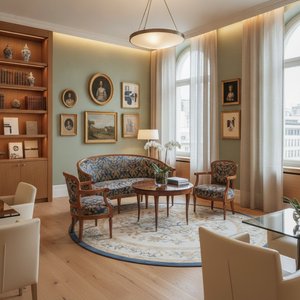
Biedermeier Style Guide: Integrating Elegant, Functional 19th-Century Art into Modern Hotel & Hospitality Interiors
Master the Biedermeier style for hospitality design. Our professional guide explores integrating 19th-century elegance and functional simplicity into modern hotel interiors through expert art procurement and large-scale custom reproductions.
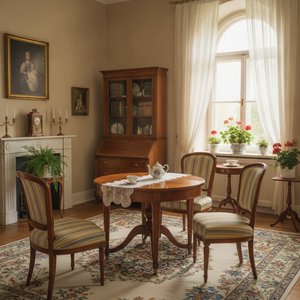
Biedermeier Style: The Art of Comfort, Elegance, and Home Harmony in 19th-Century Europe
Discover the soulful elegance of Biedermeier style. Explore how 19th-century Europe turned to domestic comfort and refined simplicity through art and design. A deep dive into the era of bourgeois sophistication for the true classic art enthusiast.