
 Podgląd w skali 1:1
 Wyślij jako kartkę
 Udostępnij
 Szczegóły dzieła
 Przewodnik

 Pobierz obraz
 Podobne obiekty
 RTG
RTG Pokaz slajdów
 Q&A
Q&A Statystyki
Autoportrait


 Rozwiń treść
Giclée / Wydruk artystyczny
Wydruki giclée lub płótna o jakości muzealnej, szybka realizacja i szeroki wybór opcji wykończenia. ( Zamów ręcznie malowaną reprodukcję Przejdź do wersji cyfrowej)




P118B zł10

P118H zł10

P118W zł10

P438Z zł10

P508JH zł12

P508YH zł12

P805H zł10

P805Z zł10

P919BZ zł10

P919G zł10

P919XJ zł10

P959ZH zł10

P968JZ zł12

W106C zł8

W218G zł10

W218JH zł8

W218Y zł10

W307PJ zł10

W316G zł10

W316PJ zł8

W316Y zł10

W398PJ zł8

W4111J zł10

W500HY zł15

W500JH zł15

W692G zł12

W849H zł8

W940BG zł15

W953PJ zł8




Wybierz spośród naszych standardowych rozmiarów, które zachowują oryginalne proporcje dzieła sztuki.

Wpisz wymaganą szerokość i wysokość, aby dopasować grafikę do ramy lub ściany. Wydruk można jedynie przyciąć, nigdy nie powiększając go poza oryginalny obraz, dlatego format o innych proporcjach spowoduje utratę części kompozycji. Przed rozpoczęciem druku prześlemy Ci cyfrowy podgląd do zatwierdzenia. Obraz wyświetlany na tej stronie nie pokazuje rzeczywistego przycięcia — jedynie podgląd oddaje ten efekt.
Dostawa na cały świat () w ciągu 2 tygodni zamiast standardowych 4/5 tygodni. (31 Październik)

Bezpłatna ekspresowa wysyłka na cały świat

Wysokiej jakości płótno lniane

Pełne ubezpieczenie przesyłki

Gwarancja zwrotu należności celnych i podatków importowych

Gwarancja wiernego odwzorowania kolorów

100-dniowa polityka zwrotów (tylko w przypadku wad)

Gwarancja 100% zwrotu pieniędzy

Zniżka przy zakupie wielu sztuk
 Opcja ze szkłem jest dostępna wyłącznie w rozmiarach poniżej 110 cm

Autoportrait
Giclée / Wydruk artystyczny
Wymiary reprodukcji
-


Cena całkowita
zł 311
Biografia artysty
Perignon Alexis Joseph: A Visionary of 19th-Century French Portraiture
Alexis-Joseph Pérignon (1806 – 1882) stands as a quietly significant figure within the landscape of 19th-century French art, a painter whose evocative portraits and landscapes offer a glimpse into the social fabric and artistic sensibilities of his time. Born in Paris, Pérignon’s early life remains somewhat shrouded in mystery, yet it is clear that he possessed an innate talent for capturing the nuances of human expression and the beauty of the natural world. His career unfolded primarily during the Romantic and Realist periods, a time marked by both fervent emotion and a growing desire to depict reality with increasing accuracy – a tension that profoundly shaped his artistic approach. Pérignon’s formal training is not extensively documented, suggesting he may have initially pursued art independently before entering established studios. However, his work demonstrates a sophisticated understanding of composition, color theory, and the subtle interplay of light and shadow. He was particularly influenced by the Barbizon School, known for its focus on plein air painting and its celebration of rural life, though he never fully embraced the school’s rustic aesthetic. Instead, he skillfully integrated elements of Romanticism – a heightened sense of drama, emotional intensity, and an appreciation for the sublime – into his portraits, imbuing them with a captivating psychological depth.A Palette of Emotion: Style and Technique
Pérignon’s artistic style is characterized by a remarkable sensitivity to detail and a masterful command of tonal values. He favored a muted palette—earthy browns, soft grays, and subtle greens—that allowed his subjects to emerge from the background with an almost ethereal quality. His brushwork was generally smooth and blended, creating a sense of fluidity and movement within the painted surface. He wasn’t interested in flamboyant displays of virtuosity; rather, he sought to capture the essence of his subjects through carefully observed details and subtle gestures. A key element of his technique involved layering thin glazes of paint, building up color gradually to achieve remarkable depth and luminosity. This approach is particularly evident in portraits like “Portrait de Madame Arnould Plessis,” where the delicate rendering of fabric and the nuanced expression on the subject’s face reveal a profound understanding of human psychology.Notable Works and Subjects
Pérignon's oeuvre encompasses both portraiture and landscape painting, though his portraits are undoubtedly his most celebrated achievements. He frequently depicted members of Parisian society—aristocrats, merchants, and intellectuals—capturing their individual personalities with remarkable accuracy. “Autoportrait” offers a particularly intimate glimpse into the artist’s own self-awareness, revealing a thoughtful and introspective gaze. Beyond portraiture, Pérignon produced numerous landscapes, often depicting scenes from rural France – rolling hills, verdant forests, and tranquil waterways. These works demonstrate his ability to translate the beauty of nature onto canvas with sensitivity and precision. “Hortense Schneider dans le rôle de la Folie” is a particularly striking example, blending portraiture with theatricality and hinting at the artist’s interest in exploring themes of identity and performance.Historical Context and Legacy
Pérignon's work reflects the broader cultural shifts occurring during the 19th century. The rise of industrialization and urbanization led to a growing sense of alienation and social unrest, while simultaneously fostering a renewed interest in tradition and the natural world. His art can be seen as a response to these complex forces—a desire to preserve beauty and human connection amidst a rapidly changing society. While he never achieved widespread fame during his lifetime, Pérignon’s work has been increasingly recognized for its quiet elegance, psychological depth, and technical mastery. His paintings are now housed in several museums across France, offering viewers a rare opportunity to connect with the artistic vision of this often-overlooked 19th-century painter. His legacy lies not in grand pronouncements or revolutionary innovations, but rather in his ability to capture the subtle beauty of everyday life and the enduring power of human emotion—a testament to the quiet strength of his art.
Perignon Alexis Joseph
1808 - 1882
Krótka nota
- Full Name: Alexis Joseph Perignon
- Nationality: French
- Date Of Birth: 1808
- Date Of Death: 1882
- Place Of Birth: Paris, France
- Notable Artworks:
- Autoportrait
- Portrait de Madame Arnould Plessis
- Hortense Schneider dans le rôle de la Folie
- Artistic Movement Or Style: French Impressionism
Powiązane artykuły

Arcydzieła XIX Wieku: 10 Obrazów Opowiadających Epokę | OriginalUniqueArt
Odkryj 10 arcydzieł XIX wieku! Poznaj historię Monet, Van Gogha i Courbeta. Imesjonizm, realizm, romantyzm – obrazy pełne emocji i piękna czekają na OriginalUniqueArt.com. Znajdź idealny obraz do swojego wnętrza!

The Enduring Power of Painting: A Historical & Contemporary Exploration of Form and Emotion
Explore the rich history & enduring techniques of oil painting with OriginalUniqueArt. Discover masterpieces, learn about art collecting, and find authentic handmade reproductions crafted by skilled artists.

Trwała Spuścizna Malarstwa Olejnego: Technika, Historia i Estetyczny Wpływ
Poznaj historię i technikę malarstwa olejnego! Eksperckie artykuły o konserwacji, renowacji oraz współczesnych zastosowaniach. Dowiedz się więcej o mistrzach i trwałości obrazów olejnych.
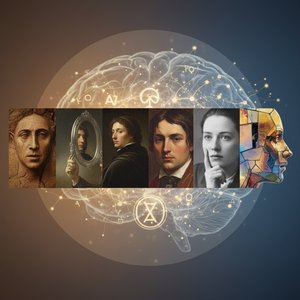
Reflecting the Self: A History of Portraiture & Psychological Insight
Explore the fascinating history of self-portraiture from Renaissance masters like Dürer & Rembrandt to modern interpretations. Discover the psychological insights and artistic techniques behind these iconic works. Expert analysis for art enthusiasts.

Olej na płótnie: Historia, techniki i ponadczasowy urok malarskiego medium
Poznaj historię i techniki malarstwa olejowego! Od renesansowych mistrzów po współczesne zastosowania – wszystko o oleju na płótnie. Poradniki, konserwacja i inspiracje dla pasjonatów sztuki.