
 Podgląd w skali
 Wyślij jako kartkę
 Udostępnij
 Szczegóły dzieła

 Pobierz
 Podobne obiekty
 RTG
RTG Pokaz slajdów
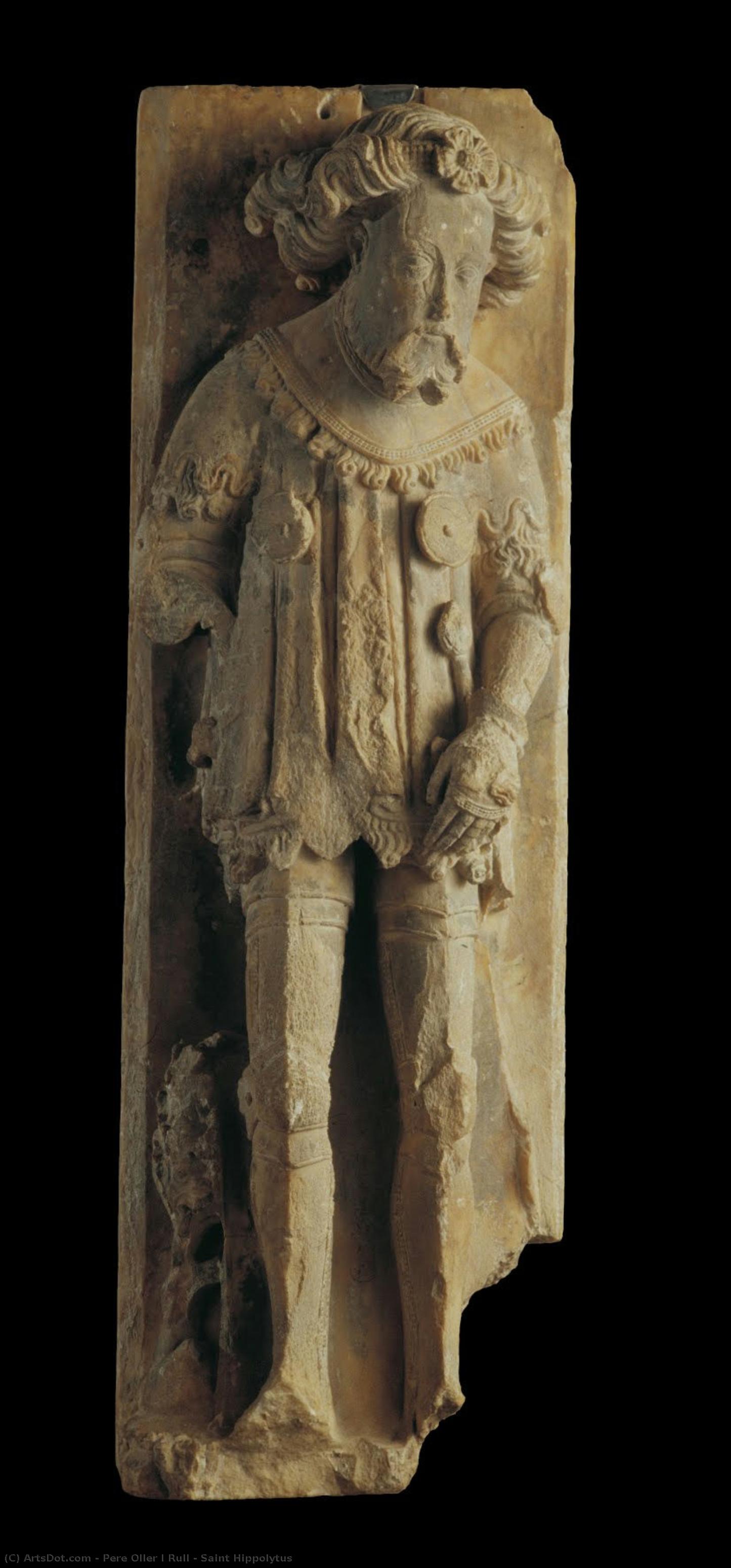
Saint Hippolytus
 1430
1430 22.0 x 66.0 cm
 Museu Episcopal de Vic
 Rozwiń treść
Ręcznie malowana reprodukcja olejowa
Ręcznie malowany obraz olejny na płótnie, wykonany na zamówienie przez naszych artystów w wybranym przez Ciebie wymiarze i oprawie. ( Zamów wydruk Kup obraz wysokiej rozdzielczości)




































Wybierz spośród naszych standardowych rozmiarów, które zachowują oryginalne proporcje dzieła sztuki.

Możesz wprowadzić własne wymiary, aby dopasować obraz do konkretnej ramy lub przestrzeni. Jeśli wybrany rozmiar nie będzie odpowiadał proporcjom oryginału, przytniecie dzieło sztuki lub rozszerzymy je o dodatkowe elementy, ręcznie domalowane przez artystę. Przed rozpoczęciem produkcji wyślemy projekt cyfrowy do Twojej akceptacji.
Należy pamiętać, że podgląd na ekranie nie odzwierciedla rzeczywistego przycinania ani rozszerzania obrazu. Tylko projekt dokładnie pokaże ostateczną kompozycję.
Choć oferujemy możliwość zamówienia niestandardowych rozmiarów, zalecamy wybór wymiaru z gotowej listy, aby zachować oryginalne proporcje dzieła.
Po złożeniu zamówienia zespół OriginalUniqueArt.com skontaktuje się z klientem drogą mailową w celu uzyskania instrukcji i prześle wizualizację projektu
Dostawa na całym świecie () w ciągu 3–4 tygodni zamiast standardowych 5 tygodni. (14 Sierpień). Bez kompromisów w kwestii jakości.

Bezpłatna ekspresowa wysyłka na cały świat

Wysokiej jakości płótno lniane

Pełne ubezpieczenie przesyłki

Gwarancja zwrotu należności celnych i podatków importowych

Gwarancja wiernego odwzorowania kolorów

Polityka 60-dniowego zwrotu (tylko w przypadku wad)

Gwarancja 100% zwrotu kosztów

Zniżka przy zamówieniu wielu produktów
 Opcja ze szkłem jest dostępna wyłącznie w rozmiarach poniżej 110 cm

Saint Hippolytus
Technika reprodukcji
Wymiary reprodukcji
-


Cena całkowita
$ 300
Opis dzieła
O artyście
A Sculptor of Stone and Sorrow: The Life and Art of Pere Oller
Pere Oller, a name resonating softly through the annals of Catalan Gothic sculpture, remains an enigmatic figure despite his undeniable impact on the artistic landscape of 14th and 15th-century Spain. Active between approximately 1394 and 1442, Oller’s career unfolded during a period of significant political and religious change, reflected in the increasingly refined emotionality and naturalism of his work. While biographical details are scarce—a common fate for artisans of the medieval era—the surviving sculptures attributed to him offer compelling glimpses into the life of a master craftsman deeply attuned to the spiritual currents of his time. His journey began as an apprentice at Barcelona Cathedral from 1395 to 1399, laying the foundational skills that would later distinguish him in Girona and beyond. This early training instilled not only technical proficiency but also a familiarity with the grand scale and devotional purpose inherent in cathedral art.From Barcelona’s Choir to Royal Tombs
Following his apprenticeship in Barcelona, Oller relocated to Girona, where he quickly established himself as a sculptor of considerable talent. Early commissions included the keystone for the chapel of Pia Almoina and, most notably, the tomb of Bishop Berenguer de Anglesola within the Girona Cathedral. These works demonstrate an emerging mastery of stone carving and a growing ability to imbue his figures with a sense of dignity and solemnity. However, it was a commission received in 1417 that would cement Oller’s reputation: King Alfonso V of Aragon entrusted him with the creation of the tomb for his father, Ferdinand I, at the royal pantheon of Poblet Abbey. This project represented not merely an artistic undertaking but a profound political statement—a visual testament to the power and lineage of the Aragonese crown. The tomb itself is sadly no longer extant, lost to the ravages of time or deliberate destruction, yet fragments survive, offering tantalizing clues to its original grandeur.The Poignancy of Mourning: Style and Technique
Oller’s style is characterized by a delicate balance between Gothic tradition and an emerging International Gothic sensibility. His figures are not merely representations of form but vessels of emotion, particularly evident in the *pleurants*—mourning figures—that adorned Ferdinand I's tomb. These sculptures, now held in prestigious collections like The Metropolitan Museum of Art and the Loyola University Museum of Art, showcase Oller’s exceptional skill in alabaster carving. He possessed a remarkable ability to render realistic drapery, conveying both weight and texture with astonishing precision. More importantly, he captured a profound sense of grief and sorrow in the faces and postures of his mourners—a sensitivity that sets his work apart from earlier, more stylized representations. The figures are not simply lamenting a loss; they *feel* it, drawing viewers into their shared experience of mourning. The subtle modeling of facial features, combined with the flowing lines of the garments, creates an atmosphere of quiet contemplation and spiritual depth.Legacy and Historical Significance
Pere Oller’s influence extended beyond the immediate impact of his commissions. His work bridged the gap between late medieval sculpture and the burgeoning Renaissance elements that would soon transform Iberian art. He exemplifies a generation of Catalan artists who skillfully blended technical expertise with an increasingly humanistic approach to religious representation. Although documentation regarding his life remains limited, the surviving sculptures—particularly those from the tomb of Ferdinand I—offer invaluable insights into the artistic and cultural climate of 15th-century Spain. His ability to convey emotion through stone, coupled with his mastery of alabaster carving, established him as a leading figure in Catalan Gothic sculpture. The fragments that endure serve as poignant reminders of a talent lost to time but not forgotten—a testament to the enduring power of art to transcend generations and speak to the universal human experience of loss, faith, and remembrance.- Apprenticeship at Barcelona Cathedral (1395-1399)
- Commission for Bishop Berenguer de Anglesola’s tomb in Girona
- Royal commission from Alfonso V of Aragon for Ferdinand I's tomb at Poblet Abbey (1417)
- Masterful carving of alabaster *pleurants* expressing profound emotion.

pere oller i rull
1442 , Spain
Krótka nota
- Artistic Movement Or Style: Gothic sculpture
- Date Of Death: 1442
- Full Name: Pere Oller i Rull
- Nationality: Catalan
- Notable Artworks:
- Saint Hippolytus
- Tomb of Berenguer de Anglesola
- Mourner (Ferdinand I tomb)
- Tomb of Pere Roure
- Place Of Birth: Barcelona, Spain

