 Podgląd w skali 1:1
 Wyślij jako kartkę
 Udostępnij
 Szczegóły dzieła
 Przewodnik

 Pobierz obraz
 Podobne obiekty
 RTG
RTG Pokaz slajdów
 Q&A
Q&A Statystyki
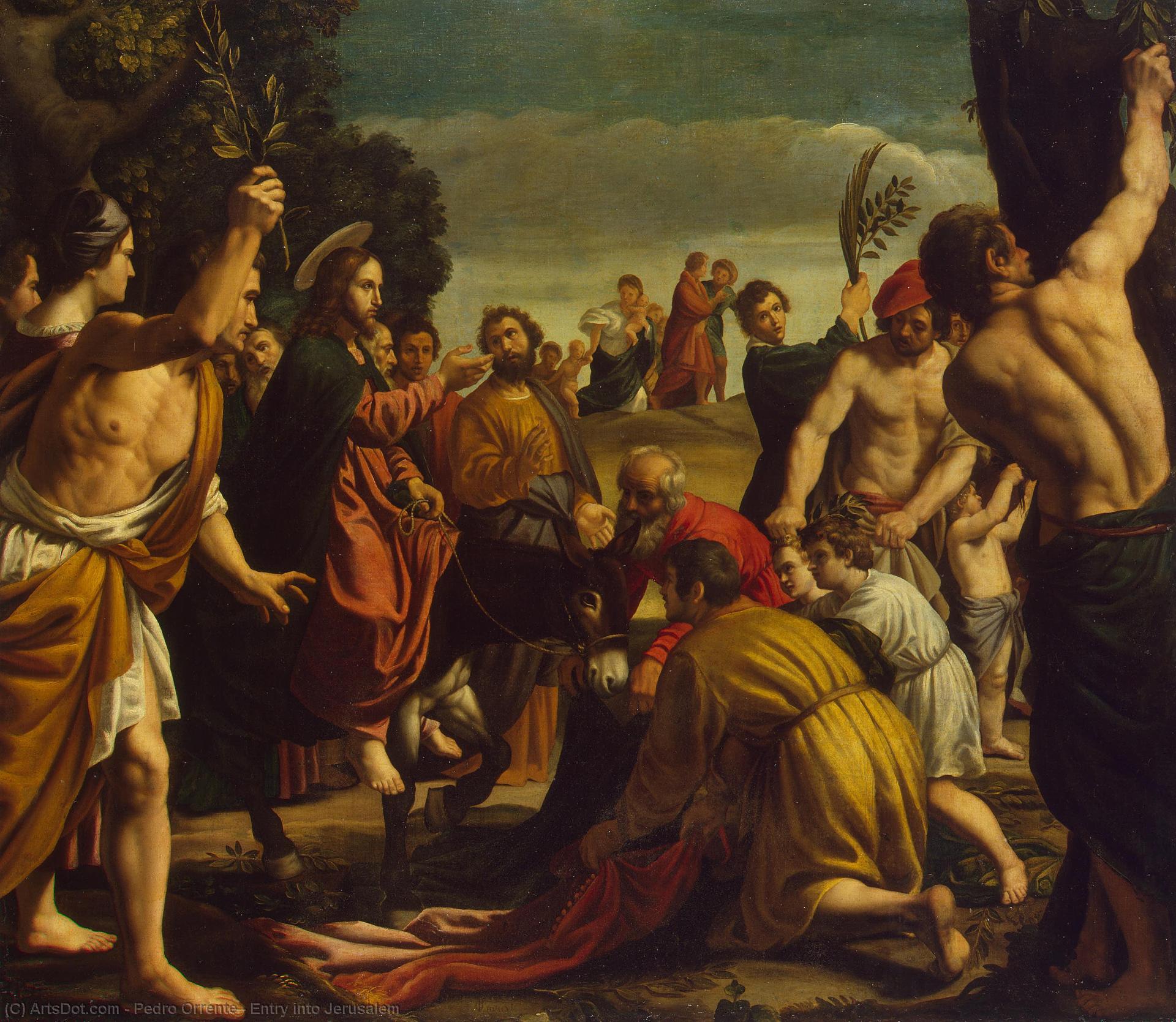
Wejście do Jerozolimi

- 112.0 x 127.0 cm


 Rozwiń treść
Giclée / Wydruk artystyczny
Wydruki giclée lub płótna o jakości muzealnej, szybka realizacja i szeroki wybór opcji wykończenia. ( Zamów ręcznie malowaną reprodukcję Przejdź do wersji cyfrowej)




P118B zł10

P118H zł10

P118W zł10

P438Z zł10

P508JH zł12

P508YH zł12

P805H zł10

P805Z zł10

P919BZ zł10

P919G zł10

P919XJ zł10

P959ZH zł10

P968JZ zł12

W106C zł8

W218G zł10

W218JH zł8

W218Y zł10

W307PJ zł10

W316G zł10

W316PJ zł8

W316Y zł10

W398PJ zł8

W4111J zł10

W500HY zł15

W500JH zł15

W692G zł12

W849H zł8

W940BG zł15

W953PJ zł8




Wybierz spośród naszych standardowych rozmiarów, które zachowują oryginalne proporcje dzieła sztuki.

Wpisz wymaganą szerokość i wysokość, aby dopasować grafikę do ramy lub ściany. Wydruk można jedynie przyciąć, nigdy nie powiększając go poza oryginalny obraz, dlatego format o innych proporcjach spowoduje utratę części kompozycji. Przed rozpoczęciem druku prześlemy Ci cyfrowy podgląd do zatwierdzenia. Obraz wyświetlany na tej stronie nie pokazuje rzeczywistego przycięcia — jedynie podgląd oddaje ten efekt.
Dostawa na cały świat () w ciągu 2 tygodni zamiast standardowych 4/5 tygodni. (2 Listopad)

Bezpłatna ekspresowa wysyłka na cały świat

Wysokiej jakości płótno lniane

Pełne ubezpieczenie przesyłki

Gwarancja zwrotu należności celnych i podatków importowych

Gwarancja wiernego odwzorowania kolorów

100-dniowa polityka zwrotów (tylko w przypadku wad)

Gwarancja 100% zwrotu pieniędzy

Zniżka przy zakupie wielu sztuk
 Opcja ze szkłem jest dostępna wyłącznie w rozmiarach poniżej 110 cm

Wejście do Jerozolimi
Giclée / Wydruk artystyczny
Wymiary reprodukcji
-


Cena całkowita
zł 311
Wprowadzenie do Jerozolimy: Symboliczna Chwila z Latencji
Obraz „Wprowadzenie do Jerozolimy” autorstwa Pedra Orrentiego, namalowany w 1620 roku, to więcej niż tylko scenografia religijna; to fascynujące okno na ducha epoki, a zarazem wyraz nowatorskiego podejścia do malarstwa. W centrum dzieła znajduje się scena, która od wieków wzbudza podziw i refleksję – Jezus Chrystus w drodze do Jerozolimy, otoczony tłumem wiernych. Orrente, żyjący na przełomie XVI i XVII wieku, był artystą, który z gracją łączył tradycje barokowe z naturalizmem, stając się jednym z pierwszych w Hiszpanii, kto priorytetowo traktował realistyczne przedstawienie obrazu, zachowując jednocześnie dramatyczną kompozycję i intensywność emocjonalną. Praca ta emanuje spokojem i powagą, a jej siłą tkwi w subtelnym oddaniu atmosfery religijnego wydarzenia.

Technika i Styl: Naturalizm w Baroku
Pedro Orrente, urodzony w Murcji w 1580 roku i tragicznie zmarły w Walencji w 1645 roku, był artystą, który zrewolucjonizował hiszpańskie malarstwo. Jego „Wprowadzenie do Jerozolimy” jest przykładem jego naturalistycznego stylu, charakterystycznego dla baroku. Zauważalna jest dbałość o detale – od tekstur szat, po subtelne wyraz twarzy uczestników tłumu. Orrente wykorzystuje miękkie, rozmyte kolory i delikatne cieniowanie, co nadaje obrazowi atmosfery ciepła i blasku. Zwróć uwagę na sposób, w jaki malarz oddaje światło – nie jest to ostre, bezpośrednie światło barokowe, lecz raczej miękkie, rozproszone, tworzące wrażenie głębi i przestrzeni. Wykorzystanie impasto, czyli grubej warstwy farby, szczególnie widoczne w postaci szat Jezusa i niektórych uczestników tłumu, dodaje obrazowi faktury i trójwymiarowości.
Symbolika i Kontekst Historyczny
Scena ta, przedstawiająca Wprowadzenie do Jerozolimy, ma głębokie znaczenie symboliczne. Jezus, na pomarańczowym koniu, symbolizującym pokój i zwycięstwo, wjeżdża do miasta, otoczony tłumem, który go powitał palmami i szatami. To odniesienie do triumfalnego wejścia królewskiego, ale również do proroctw o Mesjaszu. Obecność krzyza w centrum kompozycji podkreśla religijny charakter wydarzenia i jego związek z cierpieniem i ofiarą Jezusa. Dwa ptaki na niebie dodają obrazowi elementu natury, symbolizując duchowość i nadzieję. W kontekście historycznym, dzieło to odzwierciedla ducha epoki – okres transformacji religijnej i artystycznej w Hiszpanii, a także rosnące znaczenie religii w życiu społecznym.
Reprodukcja z Ręką Malującą: Odtwórcza Piękno Klasyki
W OriginalUniqueArt.com oferujemy ręcznie malowane reprodukcje „Wprowadzenia do Jerozolimy” Pedra Orrentiego, wiernie oddające ducha oryginału. Nasze artyści wykorzystują tradycyjne techniki barokowe, pracując na prawdziwym płótnie z użyciem najwyższej jakości farb olejnych. Każda reprodukcja jest tworzona od zera, zachowując widoczne tekstury i pociągnięcia pędzla, które są charakterystyczne dla dzieł Orrentiego. Dzięki temu, że nasze obrazy powstają ręcznie, a nie są generowane komputerowo, zapewniamy wyjątkową autentyczność i głębię emocjonalną. Oferujemy reprodukcje w różnych rozmiarach, aby dopasować się do każdego wnętrza. Zamów swoją ręcznie malowaną reprodukcję „Wprowadzenia do Jerozolimy” już dziś!
Pytania i odpowiedzi
W jakim wieku Pedro Orrente stworzył(a) "Wejście do Jerozolimi"?
Pedro Orrente stworzył/a "Wejście do Jerozolimi" w wieku 40 lat. Artysta urodził/a się w 1580, a datowanie dzieła to 1620.
Czy dzieło "Wejście do Jerozolimi" znajduje się w kraju swojego twórcy?
Nie – dzieło znajduje się poza granicami kraju artysty. Pedro Orrente urodził(a) się w Spain, a oryginał dzieła „Wejście do Jerozolimi” znajduje się w muzeum w Russia.
W jakiej technice wykonano "Wejście do Jerozolimi" i jakie są jego wymiary?
Technika wykonania dzieła „Wejście do Jerozolimi” – Pedro Orrente to Farba olejna, a jego wymiary to 112 x 127 cm.
Biografia artysty
The Spanish Bassano: The Life and Legacy of Pedro Orrente
In the vibrant tapestry of the Spanish Golden Age, few threads are as intricately woven yet subtly colored as those left by Pedro Orrente. Born in Murcia in 1580, Orrente emerged during a transformative era when the dramatic tensions of the Baroque were beginning to coalesce with a burgeoning interest in naturalism. While history often shines its brightest spotlight on more flamboyant figures like El Greco, Orrente carved out a profound niche by bridging these two worlds. His life was one of movement and adaptation, traveling from his native Murcia to the artistic hubs of Toledo and eventually settling in Valencia, where he would pass away in 1645. This nomadic existence allowed him to absorb the diverse artistic currents of Spain, creating a body of work that feels both deeply rooted in Spanish tradition and breathlessly connected to the broader European landscape.
The foundations of Orrente’s mastery were laid in his early years, likely under the tutelage of the Murcia painter Juan de Arizmendi. However, it was his time in Toledo around 1600 that truly ignited his professional ascent. It was here that he encountered Jorge Manuel Theotocóp_uli, the son of El Greco, a friendship that undoubtedly exposed him to the lingering echoes of Mannerism. Yet, Orrente’s true artistic soul found its resonance elsewhere. His travels took him to Venice, where the influence of the Bassano family became an indelible part of his visual vocabulary. Often referred to as "the Spanish Bassano," Orrente adopted their unique ability to transform biblical narratives into dynamic genre scenes. He learned to populate his canvases with lively figures set against lush, detailed landscapes, moving away from stiff, idealized compositions toward a more visceral, human experience of the divine.
A Mastery of Naturalism and Dramatic Light
Orrente’s technical prowess is most evident in his ability to manipulate light and shadow to evoke profound emotional responses. He was a pioneer of naturalism within the Spanish Baroque framework, prioritizing an accurate, almost tactile representation of the world around him. In masterpieces such as "The Sacrifice of Isaac" (1616), one can witness this tension between the sacred and the earthly. The composition is charged with an urgent, palpable anxiety, where the intervention of the angel provides a moment of divine grace amidst the raw, human terror of the scene. His use of chiaroscuro—the dramatic interplay of light and dark—serves not merely as a stylistic flourish but as a narrative tool to anchor the viewer’s eye to the most poignant emotional beats of his stories.
This skill is further illuminated in works like "Entry into Jerusalem" (c. 1620), where the biblical event is stripped of distant abstraction and rendered as a vibrant, crowded tableau. Through his brush, Jesus does not arrive merely as a theological icon but as a figure moving through a real, breathing world, surrounded by a diverse crowd of worshippers, skeptics, and onlookers. Orrente had a remarkable gift for detail; whether it was the texture of a donkey's coat, the fluttering of birds in a vast sky, or the subtle expressions of devotion on a disciple's face, his work invites a slow, meditative gaze that rewards the observer with endless layers of meaning.
Historical Significance and Artistic Triumph
The enduring significance of Pedro Orrente lies in his role as a transitional architect of Spanish art. He stood at the crossroads of eras, helping to steer the Spanish aesthetic away from the elongated, spiritualized forms of the late Renaissance toward the grounded, dramatic realism that would define much of the 17th century. His ability to synthesize the Venetian approach to landscape and genre with the intense religious fervor of Spain created a unique visual language that resonated across the regions where he worked.
Reflecting on his contributions, several key elements define his artistic triumph:
- Pioneering Naturalism: He was among the first in his region to prioritize realistic, human-centric representations within religious subjects.
- The Venetian Connection: His successful integration of the Bassano family's style allowed him to introduce a new sense of landscape and movement to Spanish altarpieces.
- Emotional Depth: Through masterful use of light and composition, he transformed static biblical stories into living, breathing dramas.
- Cultural Bridge: His work served as a vital link between the fading influence of El Greco's Mannerism and the rising tide of the Baroque.
Though his name may not always command the immediate recognition of the most famous masters, the impact of Pedro Orrente is felt in every shadow and every sun-drenched landscape of his canvases. He remains a vital figure for any student of art history, representing a moment of profound change where the divine was brought down to earth through the lens of breathtaking realism.

Pedro Orrente
1580 - 1645 , Spain
Krótka nota
- Full Name: Pedro de Orrente
- Nationality: Spanish
- Date Of Birth: 1580
- Date Of Death: 1645
- Place Of Birth: Murcia, Spain
- Notable Artworks:
- The Sacrifice of Isaac
- El bateig de Crist
- Saint Leocadia
- Artistic Movement Or Style: Baroque
- Artists Who Influenced This Artist: ['El Greco']
- Artists Or Movements Influenced By This Artist:
- Esteban March
- Valencian art
Powiązane artykuły

Barokowy Dramat we Wnętrzach: Sztuka Przepychu i Elegancji w Twoim Domu
Odkryj świat barokowego przepychu! Porady ekspertów jak wprowadzić elegancję i dramat do Twojego wnętrza. Inspiracje, charakterystyka stylu i praktyczne wskazówki.

Baroque Classicism: The Grandeur of Order and Drama in 17th-Century Art History
Explore the profound elegance of Baroque Classicism. Discover how 17th-century masters synthesized dramatic emotion with classical order through the lens of the Counter-Reformation and the works of legends like Carlo Maratta and Andrea Sacchi.

The Visceral Stage: Exploring Dramatic Narratives & Emotional Intensity in Baroque Art
Explore the dramatic world of Baroque art! Discover iconic masters like Caravaggio & Rembrandt, their techniques, and the movement's lasting impact. Expert insights for collectors & enthusiasts at OriginalUniqueArt.

Dramatyczny Rozkwit Baroku: Dziedzictwo Sztuki Kontrreformacji i Mistrzowie Chiaroscuro
Odkryj dramatyczny świat baroku! Poznaj historię sztuki kontrreformacji, mistrzów chiaroscuro i weneckich arcydzieł. Reprodukcje najwyższej jakości na OriginalUniqueArt.com.

Barokowe arcydzieła: 10 obrazów, które zdefiniowały epokę | OriginalUniqueArt.com
Odkryj 10 arcydzieł baroku! Caravaggio, Rembrandt, Rubens i inni artyści, którzy zdefiniowali epokę. Poznaj historie, techniki i inspiracje tych niezwykłych obrazów. Reprodukcje najwyższej jakości na OriginalUniqueArt.com – idealne do Twojego wnętrza!