

 Podgląd w skali
 Wyślij jako kartkę
 Udostępnij
 Szczegóły dzieła

 Pobierz
 Podobne obiekty
 RTG
RTG Pokaz slajdów
Vardøhus Fortress
 Oil
Oil- WallArt
- Romanticism
 1832
1832- 19th Century
 16.0 x 30.0 cm
 Nordnorsk Kunstmuseum
 Rozwiń treść
Kup wysokiej rozdzielczości, ulepszony obraz cyfrowy o znacznie wyższej jakości niż podgląd online.
Każdy plik jest starannie przygotowywany przez naszych specjalistów przy użyciu zaawansowanych narzędzi oraz profesjonalnej, ręcznej retuszy. Dbamy o to, aby każdy obraz cechował się wyjątkową ostrością, precyzyjnym odwzorowaniem kolorów i subtelnymi detalami.
Ostateczny plik dostarczany jest drogą mailową w ciągu 72 godzin, zoptymalizowany do natychmiastowego wykorzystania w profesjonalnych zastosowaniach redakcyjnych i poligraficznych. To ta sama jakość, której ufają czołowe studia projektowe, wydawnictwa oraz galerie sztuki.
Obraz cyfrowy
Pobierz plik o wysokiej rozdzielczości do osobistego wyświetlania, druku oraz projektów kreatywnych. ( Zamów wydruk Zamów ręcznie malowaną reprodukcję)
W każdym zamówieniu na obraz cyfrowy znajduje się
Profesjonalna dostawa cyfrowa z gwarancją
Wybierając OriginalUniqueArt.com, nie otrzymujesz jedynie obrazu – otrzymujesz profesjonalnie udoskonalone cyfrowe dzieło sztuki, stworzone z najwyższą precyzją i objęte gwarancją satysfakcji. Oto wszystko, co automatycznie dołączane jest do Twojego zamówienia:

Błyskawiczna wysyłka e-mailowa
Plik z obrazem cyfrowym w wysokiej rozdzielczości zostanie przesłany na Twój adres e-mail w ciągu 72 godzin od złożenia zamówienia – gotowy do natychmiastowego użycia.

Plik cyfrowy wzbogacony przez AI
Twoja grafika została profesjonalnie zoptymalizowana przy użyciu zaawansowanych narzędzi AI oraz ręcznej edycji, co zapewnia maksymalną szczegółowość, klarowność i wierność kolorów.

Dożywotnia darmowa ponowna dostawa
Przypadkowo usunąłeś lub zgubiłeś swój plik? Bez obaw – prześlemy go Tobie ponownie w dowolnym momencie, bez żadnych opłat.

Bez opłat importowych – zawsze
Ciesz się swoją sztuką natychmiast, bez żadnych opłat celnych, należności ani kosztów dostawy – pliki cyfrowe są zawsze wolne od podatku.

Gwarancja wierności kolorów
Dzięki zastosowaniu profesjonalnych narzędzi i procesów zarządzania barwą zapewniamy, że Twoje cyfrowe zdjęcie odzwierciedla oryginalne kolory tak wiernie, jak to tylko możliwe.

60-dniowa gwarancja satysfakcji
Jeśli nie będziesz zadowolony ze swojego cyfrowego obrazu, dokonamy jego poprawki lub zwrócimy 100% kosztów w ciągu 60 dni – bez żadnych pytań.

100% Gwarancja zwrotu pieniędzy
Nie jesteś zadowolony? Otrzymaj pełny zwrot kosztów w ciągu 60 dni od otrzymania pliku cyfrowego – bez zbędnych pytań.

Rabaty przy zamówieniach hurtowych
Kup 3 obrazy, oszczędź 10% - Kup 5, oszczędź 15% - Kup 10+, oszczędź 20%. Idealne do projektów kreatywnych, galerii i agencji.
A Vision of the Arctic Frontier
In the quiet, evocative strokes of Peder Balke’s 1832 masterpiece, Vardøhus Fortress, we are transported to the rugged, windswept edges of the Norwegian coast. This painting serves as a profound window into the Romantic era, capturing a moment where the human presence meets the untamed majesty of the North. The scene unfolds within a bustling harbor, where the rhythmic movement of various vessels—ranging from small, intimate boats tucked near the shore to larger ships navigating the deeper waters—creates a sense of maritime vitality. Above this industrious landscape, birds drift through the sky, their flight adding a layer of organic grace to the composition. It is a painting that breathes with life, capturing the delicate balance between the structured world of man and the boundless energy of the sea.
The artistry of Balke is on full display through his masterful command of atmosphere and light. As a pioneer of the Norwegian Romantic tradition, Balke possessed an uncanny ability to imbue landscapes with a sense of the sublime. In this work, the technique allows for a palpable texture; one can almost feel the salt spray in the air and the cool breeze sweeping across the harbor. The way the figures are scattered throughout the scene—likely locals attending to their vessels or simply pausing to witness the day's progress—adds a narrative depth that invites the viewer to step into the frame. For the collector, this piece offers more than just a depiction of a location; it offers an immersive experience of a bygone era, rendered with a precision that honors both the historical reality and the emotional resonance of the Arctic frontier.
Symbolism and the Romantic Spirit
Beyond its literal depiction of a harbor, Vardøhus Fortress carries deep symbolic weight. The fortress itself stands as a silent sentinel, representing human resilience and the attempt to establish order within a wild, unpredictable environment. This tension between the permanence of stone architecture and the fluid, ever-changing nature of the ocean is a hallmark of Balke’s visionary style. The presence of the boats and the bustling activity suggests a community deeply intertwined with the rhythms of the sea, finding sustenance and purpose in the very elements that pose their greatest challenges. This theme of endurance and harmony with nature resonates powerfully with modern sensibilities, making the work an enduring inspiration for those who find beauty in strength and solitude.
For interior designers and art enthusiasts alike, this painting serves as a sophisticated focal point that brings a sense of historical gravity and tranquil movement to any space. The muted yet rich palette, characteristic of 19th-century landscape painting, allows it to integrate seamlessly into both classic and contemporary decor. Whether placed in a sunlit gallery or a moody, library-style study, the work commands attention through its quiet intensity. Owning a high-quality reproduction of this piece is an opportunity to possess a fragment of Norway's artistic soul, inviting the timeless, dramatic spirit of Peder Balke into the modern home.
Biografia artysty
Peder Balke: A Visionary of the Nordic Sublime
Peder Andersen Balke, born in 1804 on the remote island of Helgøya in Hedmark, Norway, stands as a uniquely powerful voice within the landscape tradition of the 19th century. His life was one profoundly shaped by both artistic ambition and the harsh realities of rural existence – a duality that deeply informed his evocative paintings. From humble beginnings, marked by poverty and familial struggles, Balke’s innate talent for capturing the essence of nature ultimately propelled him to become a celebrated artist, recognized today as a pivotal figure in Norwegian art history.
Early Life and Artistic Foundations
Balke's childhood was far from idyllic. His family, simple farmers on the island of Helgøya, struggled with poverty, compounded by the devastating famine of 1812 following a blockade of Norwegian ports during the Napoleonic Wars. His father abandoned the family when Peder was young, leaving his mother to raise him and his brother amidst hardship. Despite these challenges, Balke’s maternal grandfather, an artisan and painter, instilled in him a love for art and provided early encouragement. Recognizing his son's potential, he secured him an apprenticeship with Heinrich August Grosch, a renowned engraver and artist in Christiania (now Oslo). Later, Balke studied under Jacob Munch, further honing his skills before embarking on formal training at the Royal Swedish Academy of Fine Arts in Stockholm, where he was influenced by the dramatic landscapes of Johan Christian Dahl. This diverse artistic education laid the foundation for Balke’s distinctive style – a synthesis of Romanticism and a deeply personal connection to the Norwegian wilderness.
The Shaping of a Unique Style: Light, Atmosphere, and Emotion
Balke's artistic development was characterized by an intense exploration of technique and expression. He wasn’t merely interested in replicating what he saw; instead, he sought to capture the *feeling* of nature – its power, its mystery, and its sublime beauty. His paintings are immediately recognizable for their dramatic use of light, often depicting scenes bathed in ethereal moonlight or shrouded in atmospheric darkness. This fascination with fleeting effects—particularly the interplay of light and shadow during twilight hours—became a defining feature of his work. His brushwork is notably textured and unconventional, creating a dreamlike quality that sets him apart from more conventional Romantic landscape painters. As he himself expressed, “I don’t paint what I see, but what I feel.” This emphasis on emotional resonance elevated his landscapes beyond mere depictions of scenery; they became windows into the soul of Norway.
Landscapes of Norway: A National Identity
Balke is most celebrated for his evocative portrayals of the Norwegian landscape – a subject he revisited repeatedly throughout his career. Works such as Vue de Christiania (1872) offer glimpses into the urban life of Oslo, yet even here, the natural world remains dominant, framing the cityscape and reminding viewers of its inextricable connection to the surrounding wilderness. The painting *The Harbor at Skjervøy* (1846) showcases his meticulous attention to detail alongside an ability to capture the bustling energy of a coastal port. Perhaps most powerfully, paintings like Old Trees (1840) and *Seascape* (1845), and especially *The North Cape by Moonlight* (1848), exemplify his mastery of mood and atmosphere – conveying the rugged beauty and untamed spirit of Norway’s coastline and northern reaches. These weren't simply picturesque views; they were statements about national identity, a passionate celebration of Norway’s unique natural heritage.
Beyond the Canvas: Social Activism and Legacy
Peder Balke was more than just an artist; he was a committed social reformer deeply invested in improving the lives of his fellow Norwegians. He recognized the vital role that art could play in society, advocating for financial support for artists – both men and women – arguing that creativity should be accessible to all. His most significant social initiative was the Balkeby project – a new suburb of Oslo designed to provide decent living conditions for workers. Balke personally oversaw the construction, enforcing strict building regulations and providing loans, demonstrating a practical commitment to social justice. Despite his considerable contributions, Balke’s work remained largely overlooked after his death in 1887. However, in recent decades, a renewed appreciation for his unique vision has emerged, culminating in major exhibitions at institutions like the National Gallery in London and the Metropolitan Museum of Art in New York. Today, Peder Balke is recognized as a pivotal figure in Norwegian art history – an artist whose dramatic landscapes and profound emotional depth continue to resonate with audiences worldwide.
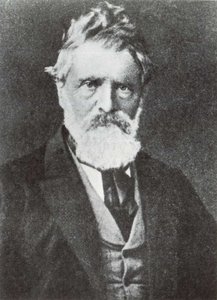
Peder Balke
1804 - 1887 , Norwegia
Krótka nota
- Artistic Movement Or Style: Krajobraz romantyczny
- Artists Or Movements Influenced By This Artist:
- Sztuka nordycka
- Romantyzm
- Artists Who Influenced This Artist:
- Heinrich Grosch
- Jacob Munch
- Carl Fahlcrantz
- Date Of Birth: 1804
- Date Of Death: 1887
- Full Name: Peder Andersen Balke
- Nationality: Norweskie
- Notable Artworks:
- Vue Christiania
- Port Skjervøy
- Drzewa stare
- Place Of Birth: Hegøy, Norwegia

