
 Podgląd w skali
 Wyślij jako kartkę
 Udostępnij
 Szczegóły dzieła

 Pobierz
 Podobne obiekty
 RTG
RTG Pokaz slajdów
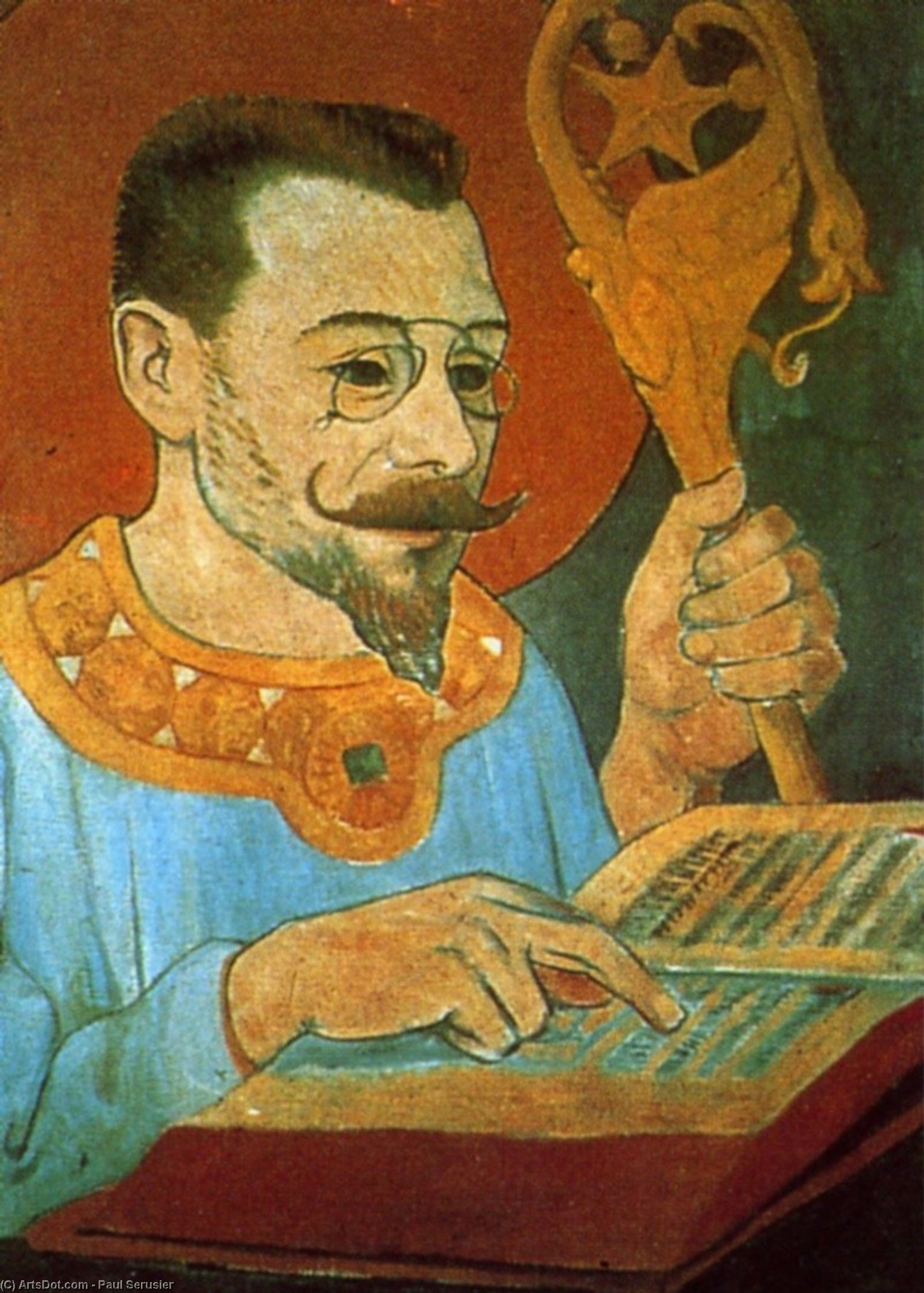
Portret Paula Ransonsa


 Rozwiń treść
Kup wysokiej rozdzielczości, ulepszony obraz cyfrowy o znacznie wyższej jakości niż podgląd online.
Każdy plik jest starannie przygotowywany przez naszych specjalistów przy użyciu zaawansowanych narzędzi oraz profesjonalnej, ręcznej retuszy. Dbamy o to, aby każdy obraz cechował się wyjątkową ostrością, precyzyjnym odwzorowaniem kolorów i subtelnymi detalami.
Ostateczny plik dostarczany jest drogą mailową w ciągu 72 godzin, zoptymalizowany do natychmiastowego wykorzystania w profesjonalnych zastosowaniach redakcyjnych i poligraficznych. To ta sama jakość, której ufają czołowe studia projektowe, wydawnictwa oraz galerie sztuki.
Obraz cyfrowy
Pobierz plik o wysokiej rozdzielczości do osobistego wyświetlania, druku oraz projektów kreatywnych. ( Zamów wydruk Przełącz na obraz ręcznie malowany)
W każdym zamówieniu na obraz cyfrowy znajduje się
Profesjonalna dostawa cyfrowa z gwarancją
Wybierając OriginalUniqueArt.com, nie otrzymujesz jedynie obrazu – otrzymujesz profesjonalnie udoskonalone cyfrowe dzieło sztuki, stworzone z najwyższą precyzją i objęte gwarancją satysfakcji. Oto wszystko, co automatycznie dołączane jest do Twojego zamówienia:

Błyskawiczna wysyłka e-mailowa
Plik z obrazem cyfrowym w wysokiej rozdzielczości zostanie przesłany na Twój adres e-mail w ciągu 72 godzin od złożenia zamówienia – gotowy do natychmiastowego użycia.

Plik cyfrowy wzbogacony przez AI
Twoja grafika została profesjonalnie zoptymalizowana przy użyciu zaawansowanych narzędzi AI oraz ręcznej edycji, co zapewnia maksymalną szczegółowość, klarowność i wierność kolorów.

Dożywotnia darmowa ponowna dostawa
Przypadkowo usunąłeś lub zgubiłeś swój plik? Bez obaw – prześlemy go Tobie ponownie w dowolnym momencie, bez żadnych opłat.

Bez opłat importowych – zawsze
Ciesz się swoją sztuką natychmiast, bez żadnych opłat celnych, należności ani kosztów dostawy – pliki cyfrowe są zawsze wolne od podatku.

Gwarancja wierności kolorów
Dzięki zastosowaniu profesjonalnych narzędzi i procesów zarządzania barwą zapewniamy, że Twoje cyfrowe zdjęcie odzwierciedla oryginalne kolory tak wiernie, jak to tylko możliwe.

60-dniowa gwarancja satysfakcji
Jeśli nie będziesz zadowolony ze swojego cyfrowego obrazu, dokonamy jego poprawki lub zwrócimy 100% kosztów w ciągu 60 dni – bez żadnych pytań.

100% Gwarancja zwrotu pieniędzy
Nie jesteś zadowolony? Otrzymaj pełny zwrot kosztów w ciągu 60 dni od otrzymania pliku cyfrowego – bez zbędnych pytań.

Rabaty przy zamówieniach hurtowych
Kup 3 obrazy, oszczędź 10% - Kup 5, oszczędź 15% - Kup 10+, oszczędź 20%. Idealne do projektów kreatywnych, galerii i agencji.
Opis kolekcjonerski
Portrait of Paul Ranson: A Window into Nabis Symbolism
Paul Serusier’s “Portrait of Paul Ranson,” completed in 1890, stands as a cornerstone of Post-Impressionist art and a pivotal emblem of the Nabi movement. More than just a likeness of fellow artist Paul Ranson, it's an exploration of artistic identity intertwined with spiritual contemplation—a visual manifesto reflecting the burgeoning interest in occultism that permeated Parisian intellectual circles at the time.
- Subject Matter: The painting depicts Paul Ranson seated before a table laden with papers, his gaze focused intently on a manuscript. This deliberate positioning underscores the importance of scholarship and introspection within the Nabi aesthetic, mirroring Serusier’s own philosophical leanings.
- Style & Technique: Serusier employed a bold palette dominated by deep blues and yellows—a characteristic feature of Synthetism—combined with meticulous brushstrokes that convey texture and depth. The flattened perspective contributes to an overall impression of stylized realism, prioritizing expressive qualities over strict anatomical accuracy.
The artist’s masterful use of color is immediately striking. Vibrant reds serve as a dramatic backdrop, amplifying the luminosity of Ranson's attire and highlighting the golden accents adorning his ceremonial costume—a symbol of nobility and spiritual aspiration. Serusier skillfully manipulated light to sculpt the figure’s face, emphasizing contours and creating shadows that imbue the portrait with an aura of solemnity.
- Symbolism: Beyond mere representation, “Portrait of Paul Ranson” is replete with symbolic motifs. The golden crown and staff—a reference to biblical iconography—represent authority and divine grace. Furthermore, the pentagram prominently displayed on Ranson’s robe speaks to the Nabis fascination with occult symbolism, reflecting Serusier's belief in esoteric knowledge and its transformative potential.
- Historical Context: Created during the height of the Nabi movement, “Portrait of Paul Ranson” embodies the artistic spirit of its time—a rejection of academic conventions in favor of subjective expression and a preoccupation with spiritual themes. It aligns seamlessly with broader trends in European art, foreshadowing the avant-garde explorations that would characterize the early 20th century.
Currently housed in the Musée d'Orsay, Paris, “Portrait of Paul Ranson” continues to captivate viewers with its understated grandeur and profound psychological insight. Its enduring appeal lies not only in Serusier’s technical prowess but also in his ability to distill complex philosophical ideas into a visually compelling image—a testament to the transformative power of art.
Biografia artysty
Early Life and Artistic Beginnings
Paul Sérusier, a pivotal figure in the development of modern art, was born on November 9th, 1864, in the heart of Paris. His upbringing within a prosperous family instilled in him a deep appreciation for culture and learning. Unlike many artists of his time who hailed from privileged backgrounds, Sérusier’s father, a successful businessman involved in the perfume industry, provided him with an unusually comprehensive education. He studied philosophy, Greek, and Latin at Lycée Condorcet, a prestigious institution renowned for its rigorous academic standards. This classical foundation would later profoundly influence his artistic approach, shaping his understanding of form, composition, and symbolism. It was during this period that Sérusier encountered Maurice Denis and Édouard Vuillard, two fellow students who would become lifelong friends and collaborators – individuals whose shared intellectual curiosity and artistic aspirations proved to be a fertile ground for innovation. The encounter with these influential figures marked the beginning of his journey towards breaking away from traditional academic painting.The Pont-Aven Years: Cloisonnism and the Nabis
Sérusier’s artistic trajectory took a decisive turn in 1888 when he traveled to Pont-Aven, a small village nestled in Brittany – a region that would become inextricably linked with his life's work. It was here, amidst the rugged beauty of the Breton landscape and under the guidance of Paul Gauguin, that Sérusier encountered the revolutionary concept of *cloisonnism*. Gauguin encouraged him to abandon meticulous representation and instead focus on capturing the essence of a scene through bold, flat shapes delineated by dark outlines – akin to stained glass windows. This technique, characterized by its stark contrast between color and line, allowed Sérusier to distill his perceptions into their purest form, moving away from imitation towards an expressionistic approach. This period also witnessed the formation of *Les Nabis*, a small but influential group of artists who shared a common desire to break free from the constraints of Impressionism and explore new avenues for artistic expression. Alongside Maurice Denis, Pierre Bonnard, and Édouard Vuillard, Sérusier sought to create art that was both decorative and emotionally resonant – a synthesis of form and feeling.Key Works and Artistic Innovations
Sérusier’s most celebrated work, *The Talisman* (1888), exemplifies his pioneering approach to abstraction. Painted during his time in Pont-Aven, the canvas is a vibrant explosion of color and simplified forms – a radical departure from traditional landscape painting. The composition, inspired by a Breton forest, utilizes bold, non-naturalistic colors and flattened shapes to evoke a sense of atmosphere and emotion rather than a literal depiction of the scene. Other notable works include *L’Averse* (1893), a poignant portrayal of a rainy day in Brittany; *Portrait of Paul Ranson* (1890), a striking example of his ability to capture personality through simplified forms; and *Melancholy* (1890), a deeply evocative depiction of human emotion. Sérusier’s later works, such as *The Snake Eaters* (1894) and *Panneau Bretonne avec enfants* (1894), continued to explore themes of nature, spirituality, and the complexities of human experience. His work served as a bridge between Impressionism and the emerging movements of Synthetism and Cubism.Legacy and Influence
Paul Sérusier’s impact on the development of modern art is undeniable. His experimentation with abstraction, his embrace of *cloisonnism*, and his founding of *Les Nabis* paved the way for subsequent generations of artists to explore new forms of expression. His work influenced figures such as Maurice Denis, Pierre Bonnard, and Édouard Vuillard, who went on to become leading proponents of Synthetism. Sérusier’s emphasis on color and emotion, his rejection of traditional representational techniques, and his exploration of spiritual themes continue to resonate with artists today. He taught at the École Ranson, further disseminating his innovative ideas and shaping the artistic landscape of early 20th-century Paris. Paul Sérusier died on October 7, 1927, in Morlaix, leaving behind a legacy as one of the most important and influential figures in the history of modern art – a true pioneer who dared to break free from convention and forge his own unique artistic path.
Paul Sérusier
1864 - 1927 , Francja
Krótka nota
- Artistic Movement Or Style: Postimpresjonizm
- Artists Or Movements Influenced By This Artist: ['Nabis']
- Artists Who Influenced This Artist:
- Paul Gauguin
- Maurice Denis
- Date Of Birth: 9 listopada 1864
- Date Of Death: 7 października 1927
- Full Name: Louis-Paul-Henri Sérusier
- Nationality: Francuz
- Notable Artworks:
- Talizman
- Krajobraz w Bois d’Amour
- Place Of Birth: Paryż, Francja

