
 Podgląd w skali 1:1
 Wyślij jako kartkę
 Udostępnij
 Szczegóły dzieła
 Przewodnik

 Pobierz obraz
 Podobne obiekty
 RTG
RTG Pokaz slajdów
 Pytania i odpowiedzi
 Statystyki
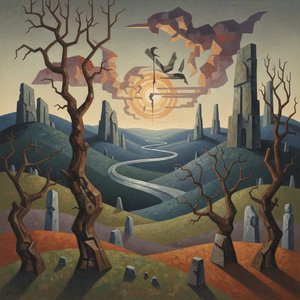
Sunrise, Inverness Copse

- 25.0 x 36.0 cm


 Rozwiń treść
Giclée / Wydruk artystyczny
Wydruki giclée lub płótna o jakości muzealnej, szybka realizacja i szeroki wybór opcji wykończenia. ( Zamów ręcznie malowaną reprodukcję Przejdź do wersji cyfrowej)




P118B zł10

P118H zł10

P118W zł10

P438Z zł10

P508JH zł12

P508YH zł12

P805H zł10

P805Z zł10

P919BZ zł10

P919G zł10

P919XJ zł10

P959ZH zł10

P968JZ zł12

W106C zł8

W218G zł10

W218JH zł8

W218Y zł10

W307PJ zł10

W316G zł10

W316PJ zł8

W316Y zł10

W398PJ zł8

W4111J zł10

W500HY zł15

W500JH zł15

W692G zł12

W849H zł8

W940BG zł15

W953PJ zł8




Wybierz spośród naszych standardowych rozmiarów, które zachowują oryginalne proporcje dzieła sztuki.

Wpisz wymaganą szerokość i wysokość, aby dopasować grafikę do ramy lub ściany. Wydruk można jedynie przyciąć, nigdy nie powiększając go poza oryginalny obraz, dlatego format o innych proporcjach spowoduje utratę części kompozycji. Przed rozpoczęciem druku prześlemy Ci cyfrowy podgląd do zatwierdzenia. Obraz wyświetlany na tej stronie nie pokazuje rzeczywistego przycięcia — jedynie podgląd oddaje ten efekt.
Dostawa na cały świat () w ciągu 2 tygodni zamiast standardowych 4/5 tygodni. (3 Listopad)

Bezpłatna ekspresowa wysyłka na cały świat

Wysokiej jakości płótno lniane

Pełne ubezpieczenie przesyłki

Gwarancja zwrotu należności celnych i podatków importowych

Gwarancja wiernego odwzorowania kolorów

100-dniowa polityka zwrotów (tylko w przypadku wad)

Gwarancja 100% zwrotu pieniędzy

Zniżka przy zakupie wielu sztuk
 Opcja ze szkłem jest dostępna wyłącznie w rozmiarach poniżej 110 cm

Sunrise, Inverness Copse
Giclée / Wydruk artystyczny
Wymiary reprodukcji
-


Cena całkowita
zł 317
A Vision of Desolation Amidst Beauty
In the hauntingly beautiful watercolor "Sunrise, Inverness Copse," painted in 1918, Paul Nash invites us into a landscape that is simultaneously devastating and transcendent. Created during the height of World War I, this masterpiece serves as a profound meditation on the scars left by conflict upon the natural world. The scene captures the Western Front near Ypres, Belgium, not through the lens of traditional combat, but through the quiet, eerie aftermath of destruction. As the sun begins to crest over the horizon, it illuminates a skeletal forest of shattered trees, their broken trunks silhouetted against a bruised and atmospheric sky. It is a work that captures a singular, breathless moment where the dawn of hope meets the heavy reality of loss.
Nash’s technical mastery is evident in his delicate yet impactful use of watercolor on paper. Eschewing the rigid lines of traditional realism, he employed a layered washing technique to achieve subtle gradations of tone and texture. This method allows for an ethereal quality to permeate the piece; the sky feels heavy with moisture and memory, while the earth appears saturated with the mud and ochre hues characteristic of the battlefield. The artist’s use of geometric shapes and fractured compositions mirrors the psychological trauma of the era, creating a visual language that speaks to the splintered psyche of a generation. For the discerning collector, this technique offers a depth of texture that makes a high-quality reproduction feel remarkably alive and atmospheric.
Symbolism and the Spirit of Resilience
Beyond its striking visual impact, "Sunrise, Inverness Copse" is rich with complex symbolism that resonates deeply with the human experience. The towering, broken trees stand as poignant metaphors for strength and endurance; though they have been violently uprooted and broken by the machinery of war, they remain stubbornly anchored to the earth, clinging to life amidst the wreckage. Nash further weaves a narrative of interconnectedness through the inclusion of a still lake, which acts as a mirror reflecting the sky, bridging the gap between the celestial and the terrestrial. Even the sparse presence of birds scattered across the canvas suggests a fragile, persistent beauty that refuses to be extinguished by darkness.
For interior designers and art enthusiasts alike, this painting offers a unique emotional resonance. It is not merely a depiction of war, but an exploration of resilience. The interplay between the somber browns of the devastated earth and the luminous light of the rising sun provides a sophisticated palette that can anchor a room with both gravity and grace. Whether placed in a quiet study or as a focal point in a contemporary living space, Nash’s work invites contemplation, offering a sense of peace found within the struggle. It is an exquisite choice for those seeking art that possesses both historical weight and a timeless, poetic soul.
Pytania i odpowiedzi
Czy "Sunrise, Inverness Copse" to jedno z najpopularniejszych dzieł Paul Nash?
Poziom popularności dla „Sunrise, Inverness Copse” – Paul Nash wynosi Iconic.
Gdzie najlepiej eksponować dzieło „Sunrise, Inverness Copse” w formacie Landscape?
Format (Landscape) oraz rekomendowana przestrzeń (Living Room) to dwa parametry dotyczące rozmieszczenia dzieła „Sunrise, Inverness Copse” – Paul Nash.
Czy „Sunrise, Inverness Copse” – Paul Nash znajduje się w domenie publicznej?
„Sunrise, Inverness Copse” – Paul Nash znajduje się w domenie publicznej (należy do domeny publicznej – autorskie prawa majątkowe wygasły). Status ten określa zasady reprodukcji obrazu tego dzieła.
Biografia artysty
Paul Nash: Wizjoner Krajobrazu i Kronikarz Wojny
Paul Nash, urodzony w 1889 roku w Londynie jako John Northcote Nash, był postacią kluczową w brytyjskim modernizmie, artystą, który z niezwykłą wrażliwością łączył tradycję krajobrazu z nowatorskimi tendencjami modernistycznymi i surrealistycznymi. Jego życie, naznaczone zarówno osobistymi tragediami – chorobami psychicznymi matki, jak i doświadczeniami wojennymi, głęboko wpłynęło na jego twórczość, nadając jej wyjątkowy charakter i głębię symboliczną. Wychowany w rodzinie, gdzie ojciec był prawnikiem, a matka wykazywała oznaki choroby psychicznej, Nash przeniósł się z rodziną do Iver Heath, co miało poprawić stan zdrowia jego matki. To właśnie tam, otoczony bujną przyrodą i starożytnymi zabytkami – grobami kurhanowymi i pozostałościami kultury epoki kamienia – kształtowały się jego wczesne inspiracje. Edukację artystyczną podjął w Parsons School of Art oraz Slade School of Fine Art, gdzie choć wykazywał talent do malarstwa krajobrazowego, z trudem radził sobie z rysunkiem figuralnym. Wczesne prace Nasha noszą ślady wpływu Williama Blake’a i J.M.W. Turnera, mistrzów romantyzmu, a także fascynacji historycznymi pejzażami, nasyconymi atmosferą minionych epok.Od Modernizmu do Surrealistycznych Inspiracji
Styl Paula Nasha stanowił unikalne połączenie modernistycznej awangardy z tradycyjną techniką malarską. Wykorzystywał odważne kolory, geometryczne kształty i elementy abstrakcji, co wyróżniało go na tle ówczesnych artystów. W 1928 roku, po obejrzeniu wystawy Giorgio de Chirico, Nash uległ wpływowi surrealizmu, choć nigdy nie uznawał się za pełnoprawnego przedstawiciela tego nurtu. Surrealistyczne inspiracje przełożyły się na jego krajobrazy, w których codzienne obiekty nabierały symbolicznego znaczenia, tworząc atmosferę tajemniczości i oniryczności. Jego prace z tego okresu charakteryzują się niezwykłą kompozycją i precyzją detalu, a jednocześnie emanują subtelną melancholią i poczuciem niepokoju. Nash był pionierem brytyjskiego modernizmu, artystą, który potrafił łączyć tradycję z nowoczesnością, tworząc dzieła o ponadczasowej wartości.Wojenne Widzienia: "The Menin Road" i "Aerial Creatures"
Doświadczenia wojenne miały fundamentalny wpływ na twórczość Paula Nasha. Służąc jako oficjalny artysta wojenny podczas I i II wojny światowej, dokumentował okrucieństwa i zniszczenia spowodowane konfliktem. Jego obrazy z pola bitwy, takie jak słynne "The Menin Road" (Droga do Menina), to nie gloryfikujące sceny walki, lecz przejmujące wizje zranionej ziemi, symbolizujące bezsens wojny i jej tragiczny wpływ na krajobraz. W czasie II wojny światowej Nash stworzył cykl "Aerial Creatures" ("Lotne Stworzenia"), przedstawiający wraki samolotów w krajobrazach – antropomorficzne obrazy maszyn śmierci, które stały się wyrazem jego rozczarowania technologią i jej destrukcyjnym potencjałem. Te prace, łączące elementy surrealizmu z realizmem, świadczą o ewolucji stylu Nasha i pogłębianiu jego symboliki.Dziedzictwo i Trwałe Znaczenie
Paul Nash zmarł w 1946 roku, pozostawiając po sobie bogate dziedzictwo artystyczne. Jego prace do dziś zachwycają widzów swoją niezwykłą siłą wyrazu, głębią symboliczną i pięknem krajobrazów. Był współzałożycielem grupy Unit One w 1933 roku, obok takich artystów jak Ben Nicholson i Barbara Hepworth, co umocniło jego pozycję w brytyjskiej awangardzie. Jego twórczość wywarła wpływ na kolejne pokolenia artystów, a jego obrazy znajdują się w prestiżowych kolekcjach muzealnych, takich jak Tate Britain, Imperial War Museum i York Art Gallery. Nash pozostaje jednym z najważniejszych przedstawicieli brytyjskiego modernizmu, artystą, który potrafił uchwycić ducha swojej epoki i przekazać go przyszłym pokoleniom w sposób niezapomniany. Jego krajobrazy, nasycone symboliką i emocjami, stanowią świadectwo głębokiej wrażliwości i niezwykłego talentu artysty.
Paul Nash
1889 - 1946 , Wielka Brytania
Krótka nota
- Artyści-Inspiracje:
- William Blake
- J.M.W. Turner
- Artyści-Wpływ: ['Nowocześni artyści']
- Data Urodzenia: 11 maja 1889
- Data Śmierci: 11 lipca 1946
- Miejsce Urodzenia: Kensington, Wielka Brytania
- Narodowość: Brytyjski
- Pełne Imię: Paul Nash
- Styl Artystyczny: Modernizm, Surrealizm
- Znaczące Dzieła:
- Droga do Menin
- Stworzenia powietrzne
Powiązane artykuły

Paul Klee: 25 Arcydzieł Koloru i Formy | Reprodukcje Obrazów Online - OriginalUniqueArt
Odkryj 25 arcydzieł Paula Klee – od abstrakcji po ekspresjonizm. Poznaj historie, techniki i inspiracje malarza. Reprodukcje obrazów najwyższej jakości na OriginalUniqueArt.com. Eksploruj pełną kolekcję online!

Paul Cézanne: 25 Arcydzieł, które Zrewolucjonizowały Świat Sztuki | OriginalUniqueArt
Odkryj 25 arcydzieł Paula Cézanne'a – od impresjonizmu po postimpresjonizm. Poznaj historie, techniki i inspiracje malarza, który zrewolucjonizował sztukę. Reprodukcje obrazów najwyższej jakości na OriginalUniqueArt.com!

10 Legendarnych Akwareli, Które Zmieniły Sztukę. Inspiracje do Dekoracji Domu.
Odkryj 10 legendarnych akwareli Turner'a, Monet'a i innych mistrzów! Poznaj historie, techniki i inspiracje tych ponadczasowych dzieł. Reprodukcje obrazów najwyższej jakości na OriginalUniqueArt.com – idealne do dekoracji wnętrz.
Paul Nash: Modernism, Myth & the British Landscape – A Visionary Artist
Explore the evocative landscapes & poignant war art of Paul Nash (1889-1946), a key figure in British Modernism. Discover his unique style and lasting impact on art history with OriginalUniqueArt.

Efemeryczne Wizje: Historia i Współczesna Praktyka Malarstwa Akwarelowego
Poznaj historię i techniki malarstwa akwarelowego! Odkryj inspiracje mistrzów, współczesne trendy oraz praktyczne porady dotyczące materiałów. Rozwiń swoją pasję z naszym przewodnikiem.
