
 Podgląd w skali 1:1
 Wyślij jako kartkę
 Udostępnij
 Szczegóły dzieła
 Przewodnik

 Pobierz obraz
 Podobne obiekty
 RTG
RTG Pokaz slajdów
 Pytania i odpowiedzi
 Statystyki
Sordello i Wergil


 Rozwiń treść
Otrzymaj plik gotowy do druku, którego jakość znacznie przewyższa podgląd internetowy. Każdy sprzedawany przez nas obraz cyfrowy pochodzi z wysokorozdzielczego pliku wzorcowego w naszej bazie — zazwyczaj o szerokości od 5 000 do 15 000 pikseli — dzięki czemu możesz drukować w dużym formacie, mocno kadrować lub z pełnym przekonaniem odwzorowywać najdrobniejsze detale.
Żaden plik nie opuszcza naszego studia bez odpowiedniej obróbki. Ekspert ds. cyfrowej edycji sprawdza zgodność kolorów z oryginałem i w razie potrzeby je koryguje, a następnie za pomocą profesjonalnych narzędzi do retuszu poprawia ostrość oraz szczegółowość — zawsze zachowując wierność pociągnięciom pędzla i stylowi artysty. Rezultatem jest obraz, który wygląda jak prawdziwe dzieło, a nie jak przefiltrowany skan.
Zatwierdzasz przed finalizacją zamówienia: nasz ekspert prześle obraz drogą mailową w ciągu 72 godzin do Twojego wglądu. Nie jesteś zadowolony? Poproś o poprawki lub korektę, bądź o zwrot kosztów, jeśli jakość nie spełnia oczekiwań.
To jakość, na której polegają wydawcy, studia projektowe, galerie oraz drukarnie.
Obraz cyfrowy
Pobierz plik o wysokiej rozdzielczości do osobistego użytku, druku oraz projektów kreatywnych. ( Przełącz na wydania drukowane Zamów ręcznie malowaną reprodukcję)
W każdym zamówieniu na obraz cyfrowy znajduje się
Profesjonalna dostawa cyfrowa z gwarancją
Wybierając OriginalUniqueArt.com, nie otrzymujesz jedynie obrazu – otrzymujesz profesjonalnie udoskonalone cyfrowe dzieło sztuki, stworzone z najwyższą precyzją i objęte gwarancją satysfakcji. Oto wszystko, co automatycznie dołączane jest do Twojego zamówienia:

Błyskawiczna wysyłka e-mailowa
Plik z obrazem cyfrowym w wysokiej rozdzielczości zostanie przesłany na Twój adres e-mail w ciągu 72 godzin od złożenia zamówienia – gotowy do natychmiastowego użycia.

Plik cyfrowy wzbogacony przez AI
Twoja grafika została profesjonalnie zoptymalizowana przy użyciu zaawansowanych narzędzi AI oraz ręcznej edycji, co zapewnia maksymalną szczegółowość, klarowność i wierność kolorów.

Darmowe ponowne przesyłki dożywotnio
Przypadkowo usunąłeś lub zgubiłeś swój plik? Bez obaw – prześlemy go Tobie ponownie w dowolnym momencie, bez żadnych opłat.

Bez opłat importowych – zawsze
Ciesz się swoją sztuką natychmiast, bez żadnych opłat celnych, należności ani kosztów dostawy – pliki cyfrowe są zawsze wolne od podatku.

Gwarancja wierności kolorów
Dzięki zastosowaniu profesjonalnych narzędzi i procesów zarządzania barwą zapewniamy, że Twoje cyfrowe zdjęcie odzwierciedla oryginalne kolory tak wiernie, jak to tylko możliwe.

Gwarancja satysfakcji przez 100 dni
Jeśli nie będziesz zadowolony ze swojego cyfrowego obrazu, dokonamy jego poprawki lub zwrócimy 100% kosztów w ciągu 100 dni – bez zbędnych pytań.

100% Gwarancja zwrotu pieniędzy
Nie jesteś zadowolony? Otrzymaj pełny zwrot kosztów w ciągu 100 dni od otrzymania pliku cyfrowego – bez zbędnych pytań.

Rabaty przy zamówieniach hurtowych
Kup 3 obrazy, oszczędź 10% - Kup 5, oszczędź 15% - Kup 10+, oszczędź 20%. Idealne do projektów kreatywnych, galerii i agencji.
A Descent into the Literary Shadows
In the hauntingly beautiful engraving Sordello and Virgil, Paul Gustave Doré invites us to step beyond the veil of reality and into the profound depths of Dante Alighieri’s Inferno. Created in 1867, this masterpiece serves as a visual poem, capturing a pivotal moment of spiritual encounter within the ninth circle of Hell. The scene is not merely an illustration of text but a visceral exploration of the human soul's struggle. As we gaze upon the interaction between Sordello da Urbino and the venerable Virgil, we are witness to a dramatic meeting where Roman wisdom meets the weight of mortal apprehension. Doré masterfully distills the essence of the Romantic movement, using the landscape of the afterlife to explore themes of guidance, judgment, and the eternal pursuit of enlightenment.
The composition is a dense, atmospheric tapestry of light and shadow. At the heart of this nocturnal encounter, Virgil stands as an imposing figure of resolve, while Sordello kneels in a posture of profound humility and supplication. This physical arrangement speaks volumes of the psychological tension inherent in their journey through the realm of traitors. Surrounding them, a group of seated figures emerges from the gloom, partially veiled by the intricate foliage and rugged rock formations that define this subterranean world. The forest backdrop is not merely scenery; it is a living, breathing entity of tangled limbs and deep recesses that mirrors the complexity of the spiritual journey being undertaken.
The Mastery of Line and Texture
Technically, Sordello and Virgil is a triumph of the engraving medium. Doré utilizes an extraordinary level of detail, achieved through the meticulous application of hatching and cross-hatching. Every element, from the rough, weathered bark of the ancient trees to the heavy folds in the figures' garments, is rendered with a precision that creates a palpable sense of texture and depth. The monochromatic palette relies entirely on varying shades of gray to build form and contrast, allowing the artist to sculpt light out of total darkness. This technique creates a soft, diffused illumination that seems to emanate from within the scene itself, casting no harsh shadows but rather a pervasive, melancholic glow.
For the discerning collector or interior designer, this artwork offers an unparalleled sense of drama and sophistication. The organic shapes and intricate linework provide a rich visual complexity that can anchor a room, offering a focal point that rewards prolonged contemplation. Whether placed in a library filled with classical literature or a contemporary space seeking a touch of historical gravity, the piece brings with it an aura of intellectual depth and timeless elegance. It is more than a reproduction; it is an invitation to inhabit the shadows and light of one of history's most visionary illustrators, making it a profound addition to any curated collection.
Pytania i odpowiedzi
Jak nasycona jest paleta kolorystyczna dzieła "Sordello i Wergil"?
Dzieło „Sordello i Wergil” – Gustaw Doro charakteryzuje się Przygaszone nasyceniem kolorów.
Czy „Sordello i Wergil” – Gustaw Doro znajduje się w domenie publicznej?
„Sordello i Wergil” – Gustaw Doro znajduje się w domenie publicznej (należy do domeny publicznej – autorskie prawa majątkowe wygasły). Status ten określa zasady reprodukcji obrazu tego dzieła.
Co przedstawia „Sordello i Wergil” – Gustaw Doro?
Tematyka dzieła "Sordello i Wergil" to literature, dante, virgil, hell, forest, engraving, symbolism, medieval.
Biografia artysty
A Life Etched in Shadow and Light: The World of Gustave Doré
Paul Gustave Louis Christophe Doré, known to the world as Gustave Doré, was a figure who straddled the worlds of illustration, painting, and sculpture with an astonishing virtuosity. Born in Strasbourg, France, on January 6th, 1832, his life unfolded during a period of immense social and artistic change, a time when Romanticism still held sway but was giving way to new currents of realism and symbolism. Even as a child, Doré displayed a precocious talent, not merely in drawing—which he began at an incredibly young age—but also in a personality that hinted at the dramatic flair which would come to define his work. Stories abound of youthful pranks demonstrating a maturity beyond his years, foreshadowing the complex and often melancholic themes that would permeate his art. He embarked on his professional career remarkably early, at just fifteen years old, as a caricaturist for the French journal *Le Journal pour rire*, honing his skills in observation and composition within the bustling world of Parisian satire.From Caricature to Literary Giants: The Rise of an Illustrator
Doré’s early commissions laid the foundation for his future renown. Works like *Les Travaux d'Hercule* (1847), *Trois artistes incompris et mécontents* (1851), and *Les Dés-agréments d'un voyage d'agrément* (1851) showcased a burgeoning talent for dynamic composition and a masterful use of light and shadow, even in these relatively modest beginnings. He was deeply influenced by the illustrations of J.J. Grandville, whose fantastical imagery and satirical edge resonated with Doré’s own developing style. However, it was through his collaborations with literary giants that Doré truly ascended to prominence. In 1853, he received a commission to illustrate the works of Lord Byron, an undertaking which opened doors to further prestigious projects. The monumental task of illustrating the Bible followed, a project that would cement his reputation and bring his art before a vast international audience. His illustrations for Cervantes’ *Don Quixote* in the 1860s were particularly impactful, profoundly influencing subsequent interpretations of the characters and narrative. He wasn't merely illustrating these stories; he was reimagining them, imbuing them with a dramatic intensity that captured the imagination of readers worldwide. The oversized edition of Edgar Allan Poe’s “The Raven,” completed in 1883, earned him an impressive 30,000 francs from Harper & Brothers, demonstrating the commercial success alongside the artistic acclaim he had achieved. His collaboration with Blanchard Jerrold on *London: A Pilgrimage* (1872) was a particularly poignant and controversial work, depicting the stark realities of Victorian London’s poverty and sparking debate about social conditions.A Master of Technique: Wood Engraving and Romantic Vision
Doré's artistic prowess lay not only in his imaginative vision but also in his technical mastery, particularly in wood engraving. He possessed an extraordinary ability to create incredibly detailed and dramatic images through this medium, a skill that allowed for the mass production and widespread dissemination of his work. His compositions are characterized by their dynamism, strong contrasts between light and shadow—a technique known as chiaroscuro—and a sense of grandeur that often evokes a feeling of awe or even terror. He frequently employed a large team of block-cutters to translate his designs into wood engravings, enabling the efficient production needed to meet the demands of publishers and readers alike. His style is firmly rooted in the Romantic tradition, emphasizing emotion, imagination, and the sublime—a fascination with the overwhelming power of nature and the human condition. He wasn’t merely recording scenes; he was interpreting them through a lens of heightened emotionality and dramatic flair. This approach, while celebrated by many, also drew criticism from some contemporaries who found his work overly theatrical or sensationalized.Notable Works and Lasting Influence
Doré's artistic output spanned a remarkable range of subjects and styles. His illustrations for Dante’s *Inferno* remain perhaps his most enduring achievement, capturing the terrifying beauty and moral complexity of the poem with unparalleled intensity. Similarly, his interpretations of Milton’s *Paradise Lost* are renowned for their grandeur and dramatic flair, transporting viewers to realms of mythic proportions. Beyond these monumental projects, Doré produced countless illustrations for popular literature, including works by Cervantes, Hugo, and Dickens. His depictions of London—particularly *London: A Pilgrimage*—offered a stark and unflinching portrayal of the city’s social inequalities. His work also included series like “Flower Sellers of London,” which powerfully depicted the lives of ordinary people amidst poverty and hardship. Despite facing some criticism during his lifetime—some found his style overly dramatic or lacking in subtlety—Doré's work is now celebrated for its artistic merit and historical importance. His illustrations continue to shape our understanding of classic literature and Victorian society, offering a powerful visual interpretation of timeless stories and enduring themes. He died on January 23rd, 1883, leaving behind an immense body of work that continues to captivate and inspire. *His art remains a testament to the power of illustration to not only depict but also to interpret and transform the world around us.*Key Figures Influencing Doré
- J.J. Grandville: Doré admired Grandville's fantastical imagery and satirical edge, which influenced his own approach to illustration.
- Lord Byron: The commission to illustrate Byron’s works was a pivotal moment in Doré’s career, providing him with significant recognition and experience.
Major Achievements
- Illustrator of *Don Quixote* (1860-1862) – A monumental achievement that established his reputation as a master illustrator.
- Illustrator of the Bible (1857-1869) – A vast and ambitious project that showcased his technical skill and dramatic vision.
- Creator of *London: A Pilgrimage* (1872) – A powerful depiction of Victorian London’s social inequalities.
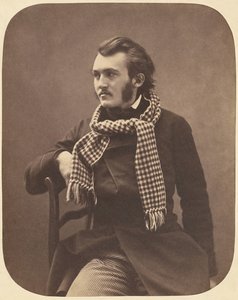
Gustaw Doro
1832 - 1883 , Francja
Krótka nota
- Artistic Movement Or Style: Romantyzm
- Artists Or Movements Influenced By This Artist: ['Vincent van Gogh']
- Artists Who Influenced This Artist: ['J.J. Grandville']
- Date Of Birth: 6 stycznia 1832
- Date Of Death: 23 stycznia 1883
- Full Name: Paul Gustave Doré
- Nationality: Francuz
- Notable Artworks:
- Don Kiszot
- Pająk
- Londyn: Pielgrzymka
- Dante Albigenski
- Place Of Birth: Strasburg, Francja