
 Podgląd w skali 1:1
 Wyślij jako kartkę
 Udostępnij
 Szczegóły dzieła
 Przewodnik

 Pobierz obraz
 Podobne obiekty
 RTG
RTG Pokaz slajdów
 Pytania i odpowiedzi
 Statystyki
Korona cierpliwości


 Rozwiń treść
Giclée / Wydruk artystyczny
Wydruki giclée lub płótna o jakości muzealnej, szybka realizacja i szeroki wybór opcji wykończenia. ( Zamów ręcznie malowaną reprodukcję Przejdź do wersji cyfrowej)




P118B zł10

P118H zł10

P118W zł10

P438Z zł10

P508JH zł12

P508YH zł12

P805H zł10

P805Z zł10

P919BZ zł10

P919G zł10

P919XJ zł10

P959ZH zł10

P968JZ zł12

W106C zł8

W218G zł10

W218JH zł8

W218Y zł10

W307PJ zł10

W316G zł10

W316PJ zł8

W316Y zł10

W398PJ zł8

W4111J zł10

W500HY zł15

W500JH zł15

W692G zł12

W849H zł8

W940BG zł15

W953PJ zł8




Wybierz spośród naszych standardowych rozmiarów, które zachowują oryginalne proporcje dzieła sztuki.

Wpisz wymaganą szerokość i wysokość, aby dopasować grafikę do ramy lub ściany. Wydruk można jedynie przyciąć, nigdy nie powiększając go poza oryginalny obraz, dlatego format o innych proporcjach spowoduje utratę części kompozycji. Przed rozpoczęciem druku prześlemy Ci cyfrowy podgląd do zatwierdzenia. Obraz wyświetlany na tej stronie nie pokazuje rzeczywistego przycięcia — jedynie podgląd oddaje ten efekt.
Dostawa na cały świat () w ciągu 2 tygodni zamiast standardowych 4/5 tygodni. (11 Listopad)

Bezpłatna ekspresowa wysyłka na cały świat

Wysokiej jakości płótno lniane

Pełne ubezpieczenie przesyłki

Gwarancja zwrotu należności celnych i podatków importowych

Gwarancja wiernego odwzorowania kolorów

100-dniowa polityka zwrotów (tylko w przypadku wad)

Gwarancja 100% zwrotu pieniędzy

Zniżka przy zakupie wielu sztuk
 Opcja ze szkłem jest dostępna wyłącznie w rozmiarach poniżej 110 cm

Korona cierpliwości
Giclée / Wydruk artystyczny
Wymiary reprodukcji
-


Cena całkowita
zł 316
Króla cierpliwości - Gustave Dore: Dramatyczna świadectwo cierpienia
Gustawa Dore’a „Króla cierpliwości”, ukończonego w 1872 roku, uznaje się za znakomite przedstawienie romantyzmu – ruchu skupionego na głębokich emocjach i narracją biblijną. Opublikowany obok Dante Alighieri’s *Inferno*, rysunek ten uchwycił dramatyczną scenę cierpienia Jezusa Chrystusa podczas Jego procesu triumfalnego – kulminacji Jego cierpliwości przed śmiercią krzyżową – pod wzgledem rzymskich żołnierzy. Nie tylko wizualne przedstawienie, lecz także doświadczenie zaprojektowane tak, aby pobudzić refleksję nad tematami poświęcenia i boskiego męczeństwa.
Mistrzowska technika Dore’a – charakteryzująca się gęstym krzyżowaniem linii i dokładnym linowaniem – jest kluczowa dla przekazania dramatycznej intensywności obrazu. Artysta zastosował skrupulatną metodę wykorzystując płytki miedziane wykaszane złożonym wzorem, co skutkowało niezwykłym zakresem tonalnym osiągniętym poprzez różnicowanie grubości linii. Ta metodyka nie była jedynie kwestią dokładności; miała na celu przekazanie emocji na obraz – lub raczej płytkę – wprawiając każdy ruch w palpujące smutek i rozpacz.
- Kompozycja: Centralnym punktem rysunku jest Jezus Chrystus, ustawiony na szczycie piramidy dominującej grupy żołnierzy. Żołnierzy ułożono warstwami nakładającymi się wzajemnie, tworząc dynamikę kompozycji która podkreśla ruch i przekazuje poczucie przytłaczającego władzy. Mocna linia diagonlalna przecina obraz od górnego prawego narożnika do dolnego lewego narożnika prowadząc wzrok widza przez rozwój dramatu.
- Kolorystyka: Dramatycznie monochromatyczny, Dore zrezygnował z kolorów całkowicie, koncentrując się wyłącznie na odcieniach szarości aby maksymalnie zwiększyć kontrast i wzmocnić emocjonalny wpływ obrazu. Ta celowa decyzja podkreśla solenność przedstawianego tematu oraz potwierdza ponadczasową jakość rysunku.
- Linia Krzyżowania i Tekstura: Największą siłę ekspresji Dore’a stanowi linia krzyżowania – technika wykorzystywana do tworzenia różnorodnych tekstur imitujących fakturę ubrania, skóry oraz kamienia – elementy niezbędne do przekazania fizycznego cierpienia Chrystusa. Angularne linie przyczyniają się do atmosfery brutalności i przemocy odzwierciedlając psychiczne męczeństwo doświadczanego przez Jezusa
- Kształty: Dominującymi kształtami obrazu są organiczne reprezentujące postaci ludzkie oraz szaty. Geometryczne kształty pojawiają się w elementach architektury takich jak kolumny i ściany.
„Króla cierpliwości” Dore’a stanowi doskonałe przykładowe przedstawienie romantyzmu – ruchu skupionego na wiernym odwzorowaniu doświadczeń ludzkich z niepokojącą szczerością i głębokim emocjonalnie przekazem. Jego wpływ trwałość można dostrzec w późniejszych dziełach sztuki eksplorujących tematy wiary, moralności oraz kondycji człowieka. Jest świadectwem niezwykłej umiejętności Dore’a przekształcenia złożonych narracji w niezapomniane impresje wizualne.
Dodatkowe informacje: The Crown Of Thorns - Gustave Dore - WikiArt.org
Pytania i odpowiedzi
Czy Gustaw Doré, twórca "Korona cierpliwości", jest znany pod innymi nazwiskami?
Gustaw Doré występuje również pod innymi nazwiskami: Doré, Gustave Dore, Paul Gustave Dore, Paul Gustave Louis Christophe Doré, Paul Gustave Doret.
Czy mogę zobaczyć podgląd „Korona cierpliwości” – Gustaw Doré przed złożeniem zamówienia?
Podgląd dzieła „Korona cierpliwości” – Gustaw Doré można znaleźć na stronie Podgląd w pomieszczeniu.
W jaki sposób tematyka dzieła "Korona cierpliwości" odnosi się do typowych motywów twórczości Gustaw Doré?
„Korona cierpliwości” przedstawia religious suffering, roman soldiers, torture imagery, dramatic narrative, biblical scene, sacrifice, fine line engraving, podczas gdy powracające motywy u Gustaw Doré to doré’s romantic vision, biblical pain, imperial power, dramatic narrative, artistic legacy. Porównanie tych dwóch elementów ukazuje, jak dzieło nawiązuje do typowej dla tego artysty tematyki.
Biografia artysty
Życie Gustawa Doré
Strasburg, Francja, 6 stycznia 1832 roku. To tutaj rozpoczyna się historia Paula Gustava Louisa Christophe’a Doré. Wkracza on w świat pełen zmieniających się prądów artystycznych, wędrując od brzegów Renu aż po tętniące życiem ulice Paryża. Już w wieku piętnastu lat porusza się w satyrycznym krajobrazie Le Journal pour rire, pracując jako karykaturzysta. Chłopiec obdarzony niezwykłym, przedwczesnym talentem do rysunku, błyskawicznie przeobraża się w profesjonalną siłę, a jego dłonie przechodzą od prostych szkiców do skomplikowanych wymagań wielkoformatowych drzeworytów.
Jego kariera nabiera nagłego, intensywnego tempa. Artysta nieustannie oscyluje między rolami projektanta, malarza i rzeźbiarza, nigdy nie dając się zamknąć w jednej, wąskiej specjalizacji. Ugruntowuje swoją pozycję w Londynie, otwierając galerię Doré przy Bond Street, a jego nazwisko staje się nieodłącznym elementem epoki wiktoriańskiej. Przebija się przez wymagający świat masowej produkcji, zatrudniając zespoły rytowników, którzy przekładają jego wizje na drzeworyty zalewające międzynarodowy rynek. Skala jego twórczości jest ogromna, napędzana nieustannym tempem pracy, które prowadzi go przez połowę i końcówkę XIX wieku.
Ten pęd zostaje przerwany w Paryżu. 23 stycznia 1883 roku Paul Gustave Doré umiera po krótkiej chorobie i ataku serca. Pozostawia po sobie monumentalny dorobek, który obejmuje całe spektrum ludzkich emocji – od tego, co boskie, aż po to, co groteskowe.
Wczesne lata i artystyczne początki
Strasburg we Francji stanowi tło dla początków życia zdefiniowanego przez wizualną precyzję. Już w wieku dziesięciu lat chłopiec jest samoukiem w dziedzinie rysunku. Nie czeka na formalne nauki, by opanować kreskę; zamiast tego rozwija biegłość techniczną, która pozwala mu ominąć tradycyjne sale lekcyjne. Ta wczesna autonomia wyznacza początek niezwykle płodnej twórczości, która z czasem obejmie wiele różnych mediów.
Przejście od prywatnych praktyk do profesjonalnej pracy następuje z nagłą intensywnością. W wieku piętnastu lat wkracza w tętniącą życiem, satyryczną atmosferę francuskiego czasopisma Le Journal pour rire. Pracuje jako karykaturzysta, wykorzystując pióro do poruszania się w gąszczu napięć społecznych i politycznych epoki. Ten okres pracy szlifuje jego zdolność do obserwacji i destylowania złożonych ludzkich ekspresji w ostre, natychmiastowe obrazy. Jest to swoiste pole treningowe w zakresie oszczędności formy i siły przekazu.
Podczas gdy jego pióro odnosi sukcesy w świecie druku, formalne kształcenie podąża w innym, bardziej namacalnym kierunku. Skupia on swoje studia na rzeźbie. To dążenie do trójwymiarowej formy kształtuje jego rozumienie objętości i ciężaru, nawet gdy jego kariera zaczyna zmierzać ku dwuwymiarowemu światu rytownictwa i ilustracji. Dyscyplina rzeźbiarska pozostaje fundamentalnym elementem jego technicznego podejścia do sztuki.
Mecenasi, warsztat i wielkie zamówienia
Skala twórczości, jaką pozostawił po sobie Gustaw Doré, wymagała funkcjonowania potężnej machiny przemysłowej. Artysta nie tworzył w odosobnieniu, w ciszy prywatnego studia; zamiast tego zarządzał wyspecjalizowanym warsztatem, który sprostał ogromnym wymaganiom światowego rynku wydawniczego. W szczytowym momencie swojej niezwykłej produktywności zatrudniał zespół około czterdziestu rytowników. Ci rzemieślnicy brali na siebie wyczerpujące zadanie przekładania jego misternych projektów na drewniane matryce, żłobiąc linie, które ostatecznie miały być powielane w milionach egzemplarzy na prasach cylindrycznych. Ta swoista linia montażowa talentu sprawiła, że jego wizualne narracje docierały do odbiorców w Paryżu, Londynie i Nowym Jorku niemal jednocześnie.
Sukces komercyjny był naturalną konsekwencją jego niezwykłej zdolności do budowania mostów między sztuką wysoką a mediami masowymi. Rok 1853, kiedy to otrzymał zlecenie na zilustrowanie dzieł Lorda Byrona, wyznaczył moment jego gwałtownego awansu zawodowego. Ten pęd kontynuował poprzez liczne współprace z największymi wydawcami, co prowadziło do prestiżowych projektów o ogromnej skali, gwarantujących wysokie honoraria. Pod koniec życia, w 1883 roku, pracował nad monumentalnym wydaniem „Kruka” Edgara Allana Poego – projektem, który przyniósł mu od Harper & Brothers niebagatelną sumę 30 000 franków. To ostatnie, gigantyczne przedsięwzięcie pozostaje świadectwem ogromnej wartości rynkowej, jaką jego wizja wnosiła do międzynarodowego przemysłu wydawniczego.
- Legenda o Wędrownym Żydzie (1856)
- Don Kichot (lata 60. XIX wieku)
- Boska Komedia (1860)
Technika i styl artystyczny
Proces drzeworytniczy stał się fundamentem jego unikalnego języka wizualnego. Gustaw Doré działał przede wszystkim jako projektant, tworząc niezwykle misterne rysunki, które zespoły rytowników przenosiły na drewniane klocki drukarskie. Ta metoda pozwalała na masową skalę reprodukcji, a aby sprostać ogromnym wymaganiom międzynarodowego rynku wydawniczego, wykorzystywano proces elektrotypowy, umożliwiający powielanie dzieł na wielką skalę. Efekty jego pracy charakteryzują się głębokim wykorzystaniem światłocienia, gdzie intensywna czerń i przenikliwa biel budują niesamowite poczucie dramatycznego napięcia. W jego pracach każda, nawet najmniejsza linia, ma swój cel, służąc budowaniu tekstury oraz niebywałej głębi.
Niezwykła dbałość o detal stanowi kotwicę jego kompozycji. Poprzez precyzyjne stosowanie kreskowania i krzyżowania linii, potrafił oddać fakturę powierzchni z niemal dotykową dokładnością – od miękkości futra stworzeń po surowość kamienia. Ta techniczna rygorystyczność wykraczała poza ramy jednego medium; podczas podróży do Szkocji w 1873 roku artysta rozwinął również wybitne umiejętności w technice akwareli. W jego podejściu ekspresja i śmiałość kompozycji często brały górę nad sztywnym, akademickim realizmem. Gustaw Doré budował całe światy poprzez nieustanną grę światła i cienia, tworząc filmową, niemal namacalną atmosferę, która zdaje się posiadać własną, ciężką fizyczność.
Kluczowe dzieła i ilustracje literackie
Rozmach twórczości Gustawa Doré często dorównywał epickiemu charakterowi podejmowanych przez niego tematów. W 1856 roku stworzył dwanaście monumentalnych, folio-rozmiarowych ilustracji do Legendy o Wędrownym Żydzie, co ugruntowało jego reputację jako artysty potrafiącego udźwignąć ciężar wielkich narracji. W latach 60. XIX wieku jego wizja artystyczna zwróciła się ku postaciom stworzonym przez Cervantesa. Jego przedstawienia Don Kichota i Sancho Panny stały się ostatecznym wzorcem wizualnym dla tych bohaterów, trwale kształtując wyobraźnię czytelników oraz artystów, którzy od tamtej pory na nowo interpretowali postać rycerza i jego giermka.
Cienie stają się coraz głębsze, gdy twórczość artysty wkracza w sfery boskości i potępienia. Gustaw Doré przełożył przerażające wizje Boskiej Komedii Dantego na język drzeworytu, oddając mroczne i przejmujące sceny z Piekła Dantego. Te projekty nie były jedynie szkicami; stanowiły one precyzyjne plany dla masowej produkcji rycin. W 1866 roku artysta skierował swoją uwagę na dzieło Miltona Raj utracony, nakładając tę samą dramatyczną intensywność na opisy upadłych aniołów i niebiańskich zmagań zawartych w tym eposie.
- Legenda o Wędrownym Żydzie (1856)
- Don Kichot (lata 60. XIX w.)
- Raj utracony (1866)
Późne lata i śmierć
Rok 1861 przyniósł przełomowy moment w jego karierze, kiedy to rząd francuski odznaczył go tytułem Kawalera Legii Honorowej. To prestiżowe wyróżnienie nadeszło w czasie, gdy jego artystyczny wpływ zaczął wykraczać daleko poza granice Francji. Do 1868 roku centrum jego zawodowego życia zaczęło przesuwać się w stronę Londynu. To właśnie tam, przy Bond Street, otworzył Doré Gallery – przestrzeń, która stała się kluczowym punktem odniesienia dla jego twórczości oraz fundamentem jego obecności na brytyjskiej scenie artystycznej.
Niezwykła wręcz płodność twórcza towarzyszyła mu aż do ostatnich chwil życia. W momencie śmierci Gustaw Doré był wciąż w pełni zaangażowany w tworzenie nowej serii ilustracji do dramatów Szekspira. Prace te wciąż pozostawały w fazie realizacji, gdy jego zdrowie gwałtownie podupadło. Artysta odszedł w Paryżu po krótkiej chorobie, a bezpośrednią przyczyną zgonu był atak serca.
Dziedzictwo i nieprzemijający wpływ
Wpływ twórczości, którą pozostawił po sobie Gustaw Doré, wykracza daleko poza ramy drukowanej strony, zajmując przestrzeń, w której sztuka wysoka spotyka się z mistrzowską narracją. Jego ilustracje do Biblii z 1866 roku odniosły kolosalny sukces, utrwalając wizualny język tekstów świętych, który wciąż żyje w zbiorowej wyobraźni. Ta niezwykła zdolność do przekładania złożonych opowieści na przejmujące, niemal namacalne obrazy, odcisnęła trwałe piętno na gigantach kolejnego pokolenia. Vincent van Gogh, na przykład, odnalazł głęboką inspirację w przedstawieniach ludzkiego cierpienia i trudów losu, które tak sugestywnie kreślił Doré.
Jego wpływ często dyktuje sposób, w jaki wizualizujemy literackie archetypy. Charakterystyczny wygląd Don Kichota i Sancho Panny, utrwalony w jego ilustracjach z lat 60. XIX wieku, stał się wzorcem dla późniejszych czytelników oraz artystów. On nie tylko ilustrował postacie; on definiował ich tożsamość wizualną dla nowoczesnej ery. To dziedzictwo trwa nadal, dzięki przetrwaniu jego oryginalnych projektów oraz nieustającej obecności jego dramatycznych kompozycji w najważniejszych kolekcjach na całym świecie.
- Legenda o Wędrownym Żydzie (1856)
- Don Kichot (lata 60. XIX w.)
- Boska Komedia (1860)
Gdzie dziś można podziwiać jego dzieła
Fizyczne ślady niezwykle płodnego dorobku, jaki pozostawił Gustaw Doré, są rozproszone na kilku kontynentach, zachowane w instytucjach przechowujących jego różnorodne techniki artystyczne. We Francji Musée de Grenoble opiekuje się kolekcją jego akwareli, które oferują zupełnie inne spojrzenie na twórczość artysty niż wysokokontrastowe drzeworyty, które zapewniły mu światową sławę. Obecność artysty w najważniejszych zbiorach publicznych sięga aż do National Gallery of Canada w Ottawie, gdzie reprezentowany jest jego bogaty katalog.
W Wielkiej Brytanii Walker Art Gallery w Liverpoolu przechowuje wybrane dzieła z jego obszernych dokonań. Jego wpływ sięga również obu Ameryk, czego dowodem jest Museo de Arte de Ponce, posiadające w swoich zasobach prace z jego dorobku. Kolekcje te stanowią niepowtarzalną okazję, by osobiście doświadczyć skali i niesamowitej szczegółowości jego kompozycji.
- Flower Sellers of London (1875)
- The Serenade (1863)
- Souvenir of Loch Lomond (1875)
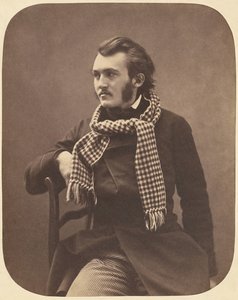
Gustaw Doré
1832 - 1883 , Francja
Krótka nota
- Artistic Movement Or Style: Romantyzm
- Artists Or Movements Influenced By This Artist: ['Vincent van Gogh']
- Artists Who Influenced This Artist: ['J.J. Grandville']
- Date Of Birth: 1832
- Date Of Death: 1883
- Full Name: Paul Gustave Louis Christophe Doré
- Nationality: Francuski
- Notable Artworks:
- Flower Sellers of London
- The Christian Martyrs
- Ilustracje do Dante's Inferno
- Ilustracje do Paradise Lost
- Wędrowny Żyd
- Place Of Birth: Strasburg, Francja
Powiązane artykuły

Beyond Monochrome: 10 Iconic Masterpieces Defined by Gray Tones
Explore the profound beauty of monochrome. From moody Impressionism to minimalist modernism, discover 10 iconic paintings mastered in gray tones. Find inspiration for your decor with museum-quality art reproductions. Explore the full collection online at OriginalUniqueArt.com.

The Silent Language of Line: Mastering Hatching and Cross-Hatching for Depth and Texture
Master the art of hatching and cross-hatching with our expert guide. Explore the historical evolution from Renaissance masters like Dürer to modern techniques for creating profound depth, texture, and light in your drawings and printmaking.

Divine Visions: Top 10 Masterpieces Exploring Religious Themes
Journey through history with 10 iconic religious masterpieces. From Renaissance classics to Baroque drama, explore the stories behind these divine works. Find museum-quality art reproductions and curated decor inspiration. Discover all masterpieces on OriginalUniqueArt.com.

Divine Visions: Top 10 Masterpieces Exploring Religious Themes
Journey through history with 10 iconic religious masterpieces. From Renaissance legends to Baroque drama, explore the stories behind these divine works. Find museum-quality art reproductions and curated decor inspiration. Discover all masterpieces on OriginalUniqueArt.com.

Beyond Monochrome: 10 Iconic Masterpieces Defined by Gray Tones
Explore the evocative power of monochrome through 10 iconic paintings defined by gray tones. From moody landscapes to minimalist masterpieces, discover the stories behind these timeless works and find museum-quality art reproductions for your decor. Explore the full collection on OriginalUniqueArt.com.


