

 Zobacz w skali 1:1
 Wyślij
 Udostępnij
 Szczegóły
 Przewodnik

 Pobierz plik obrazu
 Podobne obiekty
 RTG
RTG Pokaz slajdów
 Statystyki
Gniewy Kamień

 Czytaj więcej
Giclée / Wydruk artystyczny
Wydruki giclée lub płótna o jakości muzealnej, szybka realizacja i szeroki wybór opcji wykończenia. ( Kup ręcznie malowany obraz Przełącz na wersję cyfrową)




P118B $10

P118H $10

P118W $10

P438Z $10

P508JH $12

P508YH $12

P805H $10

P805Z $10

P919BZ $10

P919G $10

P919XJ $10

P959ZH $10

P968JZ $12

W106C $8

W218G $10

W218JH $8

W218Y $10

W307PJ $10

W316G $10

W316PJ $8

W316Y $10

W398PJ $8

W4111J $10

W500HY $15

W500JH $15

W692G $12

W849H $8

W940BG $15

W953PJ $8




Wybierz spośród naszych standardowych rozmiarów, które zachowują oryginalne proporcje dzieła sztuki.

Możesz wprowadzić własne wymiary, aby dopasować dzieło do konkretnej ramy lub przestrzeni. Jeśli wybrany rozmiar nie będzie odpowiadał proporcjom oryginalnego obrazu, przytniecie dzieło lub rozszerzymy obraz za pomocą odbicia lustrzanego lub jednolitego wypełnienia krawędzi. Przed rozpoczęciem produkcji prześlemy cyfrową wizualizację do Twojej akceptacji.
Prosimy pamiętać, że podgląd na ekranie nie odzwierciedla faktycznego przycinania ani rozszerzania. Tylko wizualizacja dokładnie pokaże końcową kompozycję.
Mimo dostępności niestandardowych rozmiarów, zalecamy wybór wymiaru z listy zdefiniowanej, aby zachować oryginalne proporcje.
Dostawa na cały świat () w ciągu 2 tygodni zamiast standardowych 4/5 tygodni. (26 Wrzesień)

Bezpłatna ekspresowa wysyłka na cały świat

Wysokiej jakości płótno lniane

Pełne ubezpieczenie transportowe

Gwarancja zwrotu należności celnych i podatków importowych

Gwarancja idealnego odwzorowania barw

100-dniowy okres na zwrot dzieła w przypadku wykrycia wad produkcyjnych

Gwarancja 100% zwrotu pieniędzy

Oferta przy zakupie wielu sztuk
 Opcja ze szkłem jest dostępna wyłącznie w rozmiarach poniżej 110 cm

Gniewy Kamień
Giclée / Wydruk artystyczny
Rozmiar reprodukcji
-


Suma do zapłaty
$ 80
A Descent Into Darkness: Analyzing Gustave Doré's "The Gluttons-Forese"
Paul Gustave Doré’s “The Gluttons--Forese,” created around 1860, stands as a haunting testament to Romanticism’s preoccupation with moral decay and the consequences of unchecked indulgence. More than just an illustration—it’s a meticulously crafted wood engraving that captures not merely a visual scene but also a profound psychological landscape. Examining its composition, technique, and symbolic resonance reveals layers of meaning that continue to captivate audiences today.Composition & Perspective: A Landscape of Despair
The artwork presents a starkly desolate vista dominated by a colossal mound or hill—a deliberate choice mirroring the biblical imagery Doré frequently employed. Scattered around this central element are figures rendered in meticulous detail, positioned with an unsettling awareness of their predicament. Two upright figures gaze down upon the scene from above, symbolizing judgment and observation; others are depicted as trapped within the mound’s embrace, conveying a palpable sense of confinement and hopelessness. The artist skillfully utilizes overlapping forms and diminishing size to establish depth, guiding the viewer's eye into the oppressive gloom of the landscape. This perspective reinforces the overarching theme of inescapable doom—a cornerstone of Romantic artistic expression.Technique & Materiality: Mastery of Engraving
Doré’s mastery is evident in every line of this engraving. The artist employed a technique known for its precision and tonal range—wood engraving—where intricate designs are etched onto wooden blocks before being inked and pressed onto paper. This process demanded immense patience and skill, resulting in textures that convey remarkable realism. Fine lines dominate the image, creating a dense network of hatching and cross-hatching to sculpt volume and shadow, particularly within the mound itself. The artist’s meticulous attention to detail—from the rough texture of the rocky terrain to the folds of draped fabric—demonstrates an unwavering commitment to capturing atmospheric perspective and conveying emotional intensity. This painstaking process ensured that every nuance of light and shade contributed to the artwork's dramatic impact.Symbolism & Narrative Resonance: Dante's Inferno Revisited
“The Gluttons-Forese” draws heavily from Dante Alighieri’s *Inferno*, specifically referencing the exercise yard (le bagne) of Newgate Prison—a place of punishment and degradation. The mound symbolizes not merely physical hardship but also spiritual corruption, representing the burden of sin and the inescapable consequences of immoral behavior. The figures' expressions – despair, anguish, and resignation – communicate a universal experience of suffering and loss. Doré’s artistic choices resonate with Romantic sensibilities, reflecting anxieties about societal decline and the human condition’s vulnerability to moral failings—a preoccupation that would define much of 19th-century art.Emotional Impact & Artistic Legacy: A Timeless Expression of Sorrow
Ultimately, “The Gluttons-Forese” succeeds in evoking a powerful emotional response from the viewer. The monochrome palette—characterized by shades of gray—intensifies the mood of gloom and reinforces the artwork’s thematic concerns. Doré's masterful rendering of texture and light contributes to an atmosphere of oppressive darkness, mirroring the psychological torment depicted within the image. This engraving remains a cornerstone of Romantic art history, influencing generations of artists and cementing Doré’s reputation as one of the foremost illustrators of his time. Its enduring power lies in its ability to convey profound sorrow and contemplation—a timeless reflection on human vulnerability and the inescapable grip of fate. It continues to inspire awe and provoke discussion about themes of morality, judgment, and the human spirit's confrontation with darkness.Biografia artysty
A Life Etched in Shadow and Light: The World of Gustave Doré
Paul Gustave Louis Christophe Doré, known to the world as Gustave Doré, was a figure who straddled the worlds of illustration, painting, and sculpture with an astonishing virtuosity. Born in Strasbourg, France, on January 6th, 1832, his life unfolded during a period of immense social and artistic change, a time when Romanticism still held sway but was giving way to new currents of realism and symbolism. Even as a child, Doré displayed a precocious talent, not merely in drawing—which he began at an incredibly young age—but also in a personality that hinted at the dramatic flair which would come to define his work. Stories abound of youthful pranks demonstrating a maturity beyond his years, foreshadowing the complex and often melancholic themes that would permeate his art. He embarked on his professional career remarkably early, at just fifteen years old, as a caricaturist for the French journal *Le Journal pour rire*, honing his skills in observation and composition within the bustling world of Parisian satire.From Caricature to Literary Giants: The Rise of an Illustrator
Doré’s early commissions laid the foundation for his future renown. Works like *Les Travaux d'Hercule* (1847), *Trois artistes incompris et mécontents* (1851), and *Les Dés-agréments d'un voyage d'agrément* (1851) showcased a burgeoning talent for dynamic composition and a masterful use of light and shadow, even in these relatively modest beginnings. He was deeply influenced by the illustrations of J.J. Grandville, whose fantastical imagery and satirical edge resonated with Doré’s own developing style. However, it was through his collaborations with literary giants that Doré truly ascended to prominence. In 1853, he received a commission to illustrate the works of Lord Byron, an undertaking which opened doors to further prestigious projects. The monumental task of illustrating the Bible followed, a project that would cement his reputation and bring his art before a vast international audience. His illustrations for Cervantes’ *Don Quixote* in the 1860s were particularly impactful, profoundly influencing subsequent interpretations of the characters and narrative. He wasn't merely illustrating these stories; he was reimagining them, imbuing them with a dramatic intensity that captured the imagination of readers worldwide. The oversized edition of Edgar Allan Poe’s “The Raven,” completed in 1883, earned him an impressive 30,000 francs from Harper & Brothers, demonstrating the commercial success alongside the artistic acclaim he had achieved. His collaboration with Blanchard Jerrold on *London: A Pilgrimage* (1872) was a particularly poignant and controversial work, depicting the stark realities of Victorian London’s poverty and sparking debate about social conditions.A Master of Technique: Wood Engraving and Romantic Vision
Doré's artistic prowess lay not only in his imaginative vision but also in his technical mastery, particularly in wood engraving. He possessed an extraordinary ability to create incredibly detailed and dramatic images through this medium, a skill that allowed for the mass production and widespread dissemination of his work. His compositions are characterized by their dynamism, strong contrasts between light and shadow—a technique known as chiaroscuro—and a sense of grandeur that often evokes a feeling of awe or even terror. He frequently employed a large team of block-cutters to translate his designs into wood engravings, enabling the efficient production needed to meet the demands of publishers and readers alike. His style is firmly rooted in the Romantic tradition, emphasizing emotion, imagination, and the sublime—a fascination with the overwhelming power of nature and the human condition. He wasn’t merely recording scenes; he was interpreting them through a lens of heightened emotionality and dramatic flair. This approach, while celebrated by many, also drew criticism from some contemporaries who found his work overly theatrical or sensationalized.Notable Works and Lasting Influence
Doré's artistic output spanned a remarkable range of subjects and styles. His illustrations for Dante’s *Inferno* remain perhaps his most enduring achievement, capturing the terrifying beauty and moral complexity of the poem with unparalleled intensity. Similarly, his interpretations of Milton’s *Paradise Lost* are renowned for their grandeur and dramatic flair, transporting viewers to realms of mythic proportions. Beyond these monumental projects, Doré produced countless illustrations for popular literature, including works by Cervantes, Hugo, and Dickens. His depictions of London—particularly *London: A Pilgrimage*—offered a stark and unflinching portrayal of the city’s social inequalities. His work also included series like “Flower Sellers of London,” which powerfully depicted the lives of ordinary people amidst poverty and hardship. Despite facing some criticism during his lifetime—some found his style overly dramatic or lacking in subtlety—Doré's work is now celebrated for its artistic merit and historical importance. His illustrations continue to shape our understanding of classic literature and Victorian society, offering a powerful visual interpretation of timeless stories and enduring themes. He died on January 23rd, 1883, leaving behind an immense body of work that continues to captivate and inspire. *His art remains a testament to the power of illustration to not only depict but also to interpret and transform the world around us.*Key Figures Influencing Doré
- J.J. Grandville: Doré admired Grandville's fantastical imagery and satirical edge, which influenced his own approach to illustration.
- Lord Byron: The commission to illustrate Byron’s works was a pivotal moment in Doré’s career, providing him with significant recognition and experience.
Major Achievements
- Illustrator of *Don Quixote* (1860-1862) – A monumental achievement that established his reputation as a master illustrator.
- Illustrator of the Bible (1857-1869) – A vast and ambitious project that showcased his technical skill and dramatic vision.
- Creator of *London: A Pilgrimage* (1872) – A powerful depiction of Victorian London’s social inequalities.
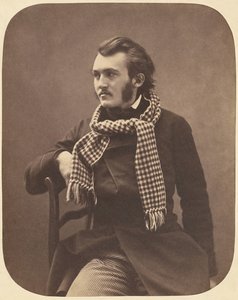
Gustaw Doro
1832 - 1883 , Francja
Najważniejsze informacje
- Artistic Movement Or Style: Romantyzm
- Artists Or Movements Influenced By This Artist: ['Vincent van Gogh']
- Artists Who Influenced This Artist: ['J.J. Grandville']
- Date Of Birth: 6 stycznia 1832
- Date Of Death: 23 stycznia 1883
- Full Name: Paul Gustave Doré
- Nationality: Francuz
- Notable Artworks:
- Don Kiszot
- Pająk
- Londyn: Pielgrzymka
- Dante Albigenski
- Place Of Birth: Strasburg, Francja
Zobacz także powiązane artykuły
Arcydzieła XIX Wieku: 10 Obrazów Opowiadających Epokę | OriginalUniqueArt
Odkryj 10 arcydzieł XIX wieku! Poznaj historię Monet, Van Gogha i Courbeta. Imesjonizm, realizm, romantyzm – obrazy pełne emocji i piękna czekają na OriginalUniqueArt.com. Znajdź idealny obraz do swojego wnętrza!

Romantic Realism's Finest: 10 Masterpieces for Your Home | OriginalUniqueArt
Explore 10 defining masterpieces of Romantic Realism! Discover Courbet, Millet & Daumier's powerful paintings—capturing emotion and social realities. Find museum-quality reproductions for your home at OriginalUniqueArt.com.

Ekspresyjny realizm XIX wieku: Emocje, obserwacja i subwersja w malarstwie
Poznaj ekspresyjny realizm XIX wieku – od Courbeta po polskich mistrzów. Analiza dzieł, krytyka społeczna i wpływ na współczesną sztukę. Ekspercka wiedza o malarstwie realistycznym.

Romantic Realism: The Masterful Fusion of Raw Emotion and Hyper-Realistic Detail for the Modern Collector
Discover the captivating world of Romantic Realism. Explore how master artists blend raw emotion with hyper-realistic detail to create timeless, museum-quality oil paintings perfect for sophisticated modern collectors and luxury home interiors.
Paul Gustave Doré: A Master of Romantic Realism & the Illustrated Imagination
Explore the captivating world of Gustave Doré, master of Romantic realism & iconic illustrator. Discover his dramatic wood engravings, paintings, and sculptures – a legacy shaping art history. Learn more at OriginalUniqueArt.


