Pop Art · 1972
Dining Recess (Patrick Caulfield, 1972)
Patrick Caulfield (1936–2005) stworzył Dining Recess. Dzieło pochodzi z 1972. Należy do nurtu Pop Art. Wykonano w technice Acrylic On Canvas. Przechowywane jest w Arts Council Collection w Londyn, Zjednoczone Królestwo. Wymiary to 274 × 213 cm.
- 1972
- Acrylic On Canvas
- 274 × 213 cm
- Arts Council Collection, Londyn

 Podgląd w skali 1:1

 Ręcznie malowany obraz olejny
 Wyślij jako kartkę
 Udostępnij
 Karta informacyjna


 Pobierz obraz
 Podobne obiekty
 RTG
 Pokaz slajdów
 Pytania i odpowiedzi

 Statystyki
Dining Recess w skrócie
- Tytuł
- Dining Recess
- Artysta
- Patrick Caulfield (1936–2005)
- Miejsce urodzenia artysty
- Londyn, Wielka Brytania
- Data powstania
- 1972
- Technika wykonania
- Acrylic On Canvas
- Wymiary
- 274 × 213 cm
- Gdzie można je zobaczyć
- Arts Council Collection, Londyn, Zjednoczone Królestwo
- Ruch
- Pop Art
- Epoka
- Modern
- Temat
- dining room, circular lamp, grey interior, eero saarinen, minimalism, social observation
Co przedstawia Dining Recess?
Patrick Caulfield’s ‘Dining Recess’: A Study in Isolation and Design
Patrick Caulfield's “Dining Recess,” completed in 1972, is more than just a depiction of a dining room; it’s a meticulously crafted meditation on loneliness, observation, and the subtle power of design. Measuring an imposing 274 x 213 cm, this large-scale work immediately commands attention with its stark simplicity – a brilliant white globe lamp dominating the center, juxtaposed against the muted grey tones of the interior space. This deliberate contrast isn’t merely aesthetic; it actively heightens the sense of mystery and unease that permeates the entire composition.
- The Iconography of Absence: Caulfield famously stated his intention to present “something that’s either happened or is about to happen,” creating a palpable feeling of anticipation and, crucially, isolation. The absence of human figures amplifies this effect, forcing the viewer into an uncomfortable role as detached observer.
- A Dialogue with Design History: The inclusion of Eero Saarinen's iconic ‘tulip’ chairs – frequently featured in design books of the era – isn’t accidental. Caulfield was deeply interested in the social implications of interior design, using these familiar objects to ground the scene in a specific historical context while simultaneously questioning their function and purpose within this unsettling tableau.
- Technique and Impact: Caulfield's signature style—characterized by flat areas of color and bold black outlines—is employed with masterful precision here. The meticulous rendering of the lamp, the chairs, and even the wall texture creates a deceptively realistic effect, further emphasizing the strangeness of the scene.
Exploring the Roots of Minimalism
Caulfield’s artistic journey was profoundly shaped by his early exposure to Surrealism and Dada movements, particularly the work of René Magritte and Marcel Duchamp. This influence is evident in “Dining Recess” through its conceptual approach – a deliberate rejection of traditional representational art in favor of exploring ideas and emotions through simplified forms and carefully considered compositions. The minimalist aesthetic, so central to Caulfield’s work, was a direct response to the burgeoning Pop Art movement of the 1960s, which sought to challenge established artistic conventions by embracing popular culture imagery.
Symbolism and Emotional Resonance
The dominant image of the lamp within “Dining Recess” is particularly evocative. It functions as a visual metaphor for illumination – both literal and metaphorical – yet its inability to dispel the gloom of the room suggests a deeper, perhaps unresolvable, sense of darkness. The empty dining table itself becomes a symbol of missed connections, lost opportunities, or simply the quiet contemplation of solitude. The clock on the wall adds another layer of complexity, hinting at the passage of time and the inevitability of change – themes frequently explored in Caulfield’s work.
Historical Context and Significance
Created in 1972, “Dining Recess” reflects a pivotal moment in British art history. Caulfield was part of a generation of artists who were pushing the boundaries of traditional painting while simultaneously engaging with the social and cultural shifts of the time. His work is now recognized as a key example of minimalist Pop Art, demonstrating a unique ability to combine conceptual rigor with striking visual impact. This piece represents a significant contribution to Caulfield’s oeuvre and offers a compelling insight into his artistic vision.
W którym muzeum znajduje się Dining Recess?
Arts Council Collection
Londyn, Zjednoczone Królestwo
Żywe dziedzictwo: Puls brytyjskiej kreatywności Spotkanie z Arts Council Collection to wejście w żywą, oddychającą narrację o ewolucji brytyjskiej sztuki. W przeciwieństwie do tradycyjnych instytucji, które więżą arcydzieła w cichych, statycznych salach muzeów przypominających fortece, ta kolekcja funkcjonuje jako „muzeum bez ścian”. Założona w 194mu46 roku, w transformujących cieniach powojennej surowości, nie została powołana jedynie jako repozytorium do estetycznej kontemplacji, lecz jako aktywny przekaźnik kulturowej witalności.


Zdjęcia w wysokiej rozdzielczości dzieła Dining Recess

Chronione prawem autorskim: pliki te służą wyłącznie do osobistego wglądu i nie stanowią licencji na ich powielanie.
Patrick Caulfield, Dining Recess (1972), Arts Council Collection.
Odpowiedzi na pytania dotyczące Dining Recess
W którym muzeum znajduje się oryginał "Dining Recess"?
„Dining Recess” – Patrick Caulfield znajduje się w zbiorach Arts Council Collection, Londyn, Zjednoczone Królestwo. Informacja o muzeum dotyczy oryginału, a nie reprodukcji.
W którym roku powstało dzieło „Dining Recess” – Patrick Caulfield?
"Dining Recess" powstało w 1972 roku. Data ta pozwala umiejscowić dzieło w kontekście twórczości Patrick Caulfield oraz epoki, w której powstało.
W jakiej technice wykonano „Dining Recess” – Patrick Caulfield?
Technika wykonania dzieła „Dining Recess” – Patrick Caulfield to Acrylic On Canvas. Reprodukcje mają na celu wierne oddanie wyglądu tej techniki.
Jakie są wymiary oryginalnego dzieła „Dining Recess” – Patrick Caulfield?
Oryginalny utwór „Dining Recess” – Patrick Caulfield ma wymiary 274 x 213 cm.
Co przedstawia "Dining Recess"?
Tematyka obecna w „Dining Recess” – Patrick Caulfield obejmuje dining room, circular lamp, grey interior, eero saarinen, minimalism, social observation, patrick caulfield. Razem stanowią one podsumowanie tematyki dzieła.
Czy obraz „Dining Recess” – Patrick Caulfield można swobodnie reprodukować?
Jeśli chodzi o prawa autorskie, "Dining Recess" znajduje się w nadal objęte ochroną prawa autorskiego.
Kto jest autorem dzieła "Dining Recess"?
Autorem dzieła „Dining Recess” jest Patrick Caulfield. Praca ta figuruje w katalogu pod nazwiskiem Patrick Caulfield.
Do jakiego nurtu należy "Dining Recess"?
Nurt związany z „Dining Recess” – Patrick Caulfield to Pop Art. Ta klasyfikacja sytuuje dzieło wśród pokrewnych artystów i dzieł sztuki.
Do którego etapu twórczości Patrick Caulfield należy dzieło „Dining Recess”?
W dorobku artystycznym Patrick Caulfield dzieło „Dining Recess” przypada na British Pop. Ten etap pozwala zestawić je z innymi pracami twórcy.
O artyście: Patrick Caulfield

1936–2005, Wielka Brytania
Patrick Caulfield
Patrick Caulfield: Minimalistyczny Maestro Odważnego Koloru Patrick Joseph Caulfield (1936-2005) jawi się jako postać kluczowa dla brytyjskiego Pop Artu, rozpoznawalna dzięki swojej niezwykle charakterystycznej estetyce – zwodniczo prostym kompozycjom, w których dominują płaskie plamy barwne, przełamane surowymi, czarnymi konturami. Urodzony w londyńskiej dzielnicy Acton, artysta rozpoczął swoją twórczą podróż od wczesnej fascynacji projektowaniem graficznym i rzeźbą, co nadało kierunek jego nowatorskiemu językowmu wizualnemu. Szlifował swój warsztat w Chelsea School of Art, by po ukończeniu Wimbledon College of Arts w 1960 roku, ugruntować swoją pozycję jako niezależny ilustrator i projektant. Wczesne inspiracje: Lata formacyjne Caulfielda zostały naznaczone kontaktem z surrealizmem oraz dadaizmem, a w szczególności z twórczością René Magritte’a i Marcela Duchampa, co zaszczepiło w nim buntowniczego ducha oraz głęboki szacunek do sztuki konceptualnej.
Inne prace Patrick Caulfield
 Still life autumn fashion
 Glazed earthenware
 Coloured still life
 Wine glasses
Eseje o Dining Recess
 The Art of the Dining Room: How Masterpiece Paintings Elevate the Culinary ExperienceDiscover how museum-quality masterpieces elevate dining experiences. Explore the intersection of fine art and gastronomy through expert cur…
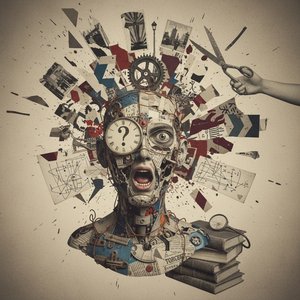 Dadaizm: Rewolucja Anty-Sztuki i Odwrócenie Logiki w Estetyce Początku XX WiekuPoznaj historię dadaizmu – radykalnego ruchu artystycznego XX wieku, który zrewolucjonizował pojęcie sztuki. Analiza twórczości Duchampa, T…
 Sztuka jako kluczowy element identyfikacji restauracji: Wpływ estetyki na narrację i atmosferę współczesnych przestrzeni gastronomicznychOdkryj, jak estetyka kształtuje identyfikację restauracji! Eksperckie porady o architekturze doświadczeń, kolorystyce i muzyce. Buduj atmos…