

 Zobacz w skali 1:1
 Wyślij
 Udostępnij
 Szczegóły
 Przewodnik

 Pobierz plik obrazu
 Podobne obiekty
 RTG
RTG Pokaz slajdów
 Statystyki
Wenus i Adonis
 Olej na płótnie
- Sztuka ścienna
- Baroque Painting
 1586
1586 68.0 x 52.0 cm
 Kunsthistorisches Museum
 Czytaj więcej
Giclée / Wydruk artystyczny
Wydruki giclée lub płótna o jakości muzealnej, szybka realizacja i szeroki wybór opcji wykończenia. ( Kup ręcznie malowany obraz Przełącz na wersję cyfrową)




P118B zł10

P118H zł10

P118W zł10

P438Z zł10

P508JH zł12

P508YH zł12

P805H zł10

P805Z zł10

P919BZ zł10

P919G zł10

P919XJ zł10

P959ZH zł10

P968JZ zł12

W106C zł8

W218G zł10

W218JH zł8

W218Y zł10

W307PJ zł10

W316G zł10

W316PJ zł8

W316Y zł10

W398PJ zł8

W4111J zł10

W500HY zł15

W500JH zł15

W692G zł12

W849H zł8

W940BG zł15

W953PJ zł8




Wybierz spośród naszych standardowych rozmiarów, które zachowują oryginalne proporcje dzieła sztuki.

Wpisz wymaganą szerokość i wysokość, aby dopasować grafikę do ramy lub ściany. Wydruk można jedynie przyciąć, nigdy nie powiększając go poza oryginalny obraz, dlatego format o innym proporcji spowoduje utratę części kompozycji. Przed rozpoczęciem druku prześlemy Ci cyfrowy podgląd do zatwierdzenia. Obraz wyświetlany na tej stronie nie pokazuje rzeczywistego przycięcia — jedynie podgląd oddaje ten efekt.
Dostawa na cały świat () w ciągu 2 tygodni zamiast standardowych 4/5 tygodni. (20 Październik)

Bezpłatna ekspresowa wysyłka na cały świat

Wysokiej jakości płótno lniane

Pełne ubezpieczenie transportowe

Gwarancja zwrotu należności celnych i podatków importowych

Gwarancja idealnego odwzorowania barw

100-dniowy okres na zwrot dzieła w przypadku wykrycia wad produkcyjnych

Gwarancja 100% zwrotu pieniędzy

Oferta przy zakupie wielu sztuk
 Opcja ze szkłem jest dostępna wyłącznie w rozmiarach poniżej 110 cm

Wenus i Adonis
Giclée / Wydruk artystyczny
Rozmiar reprodukcji
-


Suma do zapłaty
zł 303
Witajcie w świecie „Wenus i Adona” – arcydzieła Paolo Veronese
Paolo Veronese, jeden z najwybitniejszych przedstawicieli renesansu weneckiego, w swoim monumentalnym dziele „Wenus i Adonis” (1586) stworzył obraz, który zapada w pamięć na długo. To nie tylko sceniczna ilustracja mitu, ale przede wszystkim eksplozja barw, światła i bogactwa, typowa dla jego stylu. Obraz ten, prezentowany obecnie w Muzeum Prado w Madrycie, to fascynująca podróż do serca Wenecji XVI wieku – miasta pełnego splendoru, ambicji i artystycznej inspiracji. Veronese, syn kamieniarza, z niezwykłą wrażliwością uchwycił ducha epoki, tworząc dzieło, które wciąż zachwyca swoim rozmachem i dbałością o detale.Mityczny świat i bogactwo kompozycji
„Wenus i Adonis” opowiada historię miłosnego romansu Wenus, bogini piękna i miłości, z Adonem, młodym łowcą. Scena przedstawia ich w intymnej atmosferze, otoczeni przez dwójkę psów i cherubicę – symbol nowego życia. Kompozycja jest niezwykle dynamiczna i pełna ruchu, zbudowana na zasadzie piramidy, gdzie centralne postacie stanowią jej szczyt. Veronese zręcznie wykorzystuje perspektywę, tworząc iluzję głębi i przestrzeni, a tło wypełnione gęstym, ciemnym lasem dodaje obrazowi dramatyzmu i tajemniczości. Zauważmy również, że w tle widoczne są elementy architektoniczne – fragmenty pałaców i placów, które Veronese zgrabnie wplata w mitologiczny krajobraz, nawiązując do życia codziennego Wenecji.Technika malarska i dbałość o detale
Mistrzowskie umiejętności Veronese są widoczne na każdym calu tego obrazu. Zastosował on bogatą paletę barw – od głębokich, aksamitnych czerwi i błękitów po jasne, złote tony. Poczucie faktury jest niezwykle żywe; widzimy szorstkość kory drzew, miękkie tkaniny, a przede wszystkim gładką skórę Wenus. Technika malarska Veronese charakteryzuje się wielowarstwowością i precyzyjnym realizmem – każdy detal, od rysunku mięśni Adona po falujące plisy w sukni Wenus, został oddany z niezwykłą dbałością. Użycie oleju na płótnie pozwalało mu na tworzenie subtelnych przechodów kolorystycznych i głębokich cieni, co dodatkowo wzmacnia efekt dramatyzmu.Symbolika i emocje
„Wenus i Adonis” to nie tylko piękna scena mitologiczna, ale również bogata w symbole kompozycja. Wenus, ubrana w delikatną, białą szatę, symbolizuje piękno, niewinność i miłość. Adonis, silny i muskularny, reprezentuje siłę, męskość i młodzieńczą energię. Cheruba, z otwartymi ramionami, symbolizuje nowe życie i obfitość. Obraz emanuje emocjami – namiętnością, tęsknotą, a nawet nutą melancholii. Veronese umiejętnie oddaje uczucia bohaterów, tworząc obraz, który porusza widza i zapada w pamięć.Wartości kolekcjonerskie i inspiracja wnętrzarska
Dziś, jako reprodukcja „Wenus i Adona” oferowana przez OriginalUniqueArt.com, możemy przenieść się do świata Veronese bez opuszczania naszego domu. To doskonała okazja, aby podziwiać piękno tego arcydzieła w pełnym blasku, a jednocześnie cieszyć się wysoką jakością reprodukcji. Obraz ten doskonale wpisuje się w styl wnętrzarskiej elegancji i może stanowić inspirację dla miłośników sztuki renesansowej. Jego bogactwo kolorów i monumentalna kompozycja nadadzą charakteru każdemu pomieszczeniu, tworząc atmosferę luksusu i wyrafinowania. Zainwestuj w reprodukcję „Wenus i Adona” – to inwestycja w piękno, historię i artystyczną inspirację!Pytania i odpowiedzi
Jakiej kolorystyki używa "Wenus i Adonis"?
Kolory dzieła "Wenus i Adonis" tworzą Barwy ziemi paletę barw. Klasyfikacja ta opisuje dominujące rodziny kolorystyczne.
W jakim wieku Paolo Veronese stworzył(a) "Wenus i Adonis"?
Paolo Veronese stworzył/a "Wenus i Adonis" w wieku 58 lat. Artysta urodził/a się w 1528, a datowanie dzieła to 1586.
Do którego okresu twórczości Paolo Veronese należy dzieło "Wenus i Adonis"?
„Wenus i Adonis” należy do Mature Period w twórczości Paolo Veronese. Klasyfikacja ta wiąże dzieło z rozwojem artysty.
Biografia artysty
A Venetian Visionary: The Life and Art of Paolo Veronese
Paolo Caliari, universally known as Paolo Veronese, emerged from the vibrant artistic landscape of 16th-century Venice as a master of color, composition, and opulent spectacle. Born in Verona in 1528, the son of a stonecutter, his early life was deeply rooted in the visual richness of his surroundings – the classical architecture, sculpted forms, and burgeoning humanist ideals that characterized the region. His initial training under Antonio Badile and Giovanni Francesco Caroto provided him with a solid foundation in traditional techniques, but it was his move to Venice in the 1550s that truly ignited his artistic genius. The city itself became his muse, its bustling marketplaces, grand palazzi, and shimmering waterways profoundly shaping the scale and drama of his work. He quickly absorbed the influences of established Venetian masters like Titian, whose mastery of color exerted a significant impact on Veronese’s palette, yet he forged a distinctive style characterized by an unparalleled sense of theatricality and grandeur.The Painter of Feasts and Grand Narratives
Veronese's enduring reputation rests primarily upon his monumental paintings, particularly those depicting lavish feasts and biblical scenes transformed into dazzling displays of Venetian life. *The Wedding at Cana*, completed in 1563 for the Benedictine monastery of San Giorgio Maggiore, stands as a testament to his extraordinary skill. This colossal canvas transcends mere illustration; it’s a vibrant panorama of 16th-century society, teeming with elegantly dressed figures, musicians, and architectural details rendered with breathtaking precision. The painting isn't simply about what happened at Cana but *how* it would have appeared if enacted in Venice during Veronese’s time – a remarkable feat of historical imagination. Similarly, *The Feast in the House of Levi*, originally titled *The Last Supper*, caused considerable controversy with the Inquisition due to its inclusion of contemporary figures and a seemingly irreverent atmosphere. Veronese defended his artistic license, arguing that painters were entitled to interpret sacred narratives with the same freedom afforded to poets and jesters – a bold assertion reflecting his belief in art’s power to reimagine and celebrate religious themes. These works weren't merely devotional images; they were exuberant celebrations of life, wealth, and the splendor of Venice itself. He eschewed the austerity often associated with religious painting, instead focusing on capturing the joy and abundance of existence.Influences and Artistic Development
While Titian’s influence on Veronese’s colorism is undeniable – his palette mirroring Titian's luminous vibrancy – his artistic development was a complex synthesis of various influences. The architectural precision evident in his compositions draws heavily from the classical tradition prevalent in Verona during his formative years, particularly the work of architects like Michele Sanmicheli. He also absorbed elements from Central Italian masters such as Raphael and Parmigianino, reflected in the graceful lines and harmonious arrangements within his paintings. However, Veronese didn’t simply imitate these influences; he skillfully integrated them into a uniquely Venetian style characterized by its dramatic use of light, vibrant color palettes, and meticulous attention to detail. He excelled at creating illusions of space and depth, employing perspective techniques to draw viewers into the heart of his elaborate scenes. His mastery of oil painting allowed him to achieve an unparalleled luminosity and richness of texture – a hallmark of his distinctive style. He also managed a large workshop, with contributions from his brother Benedetto and sons Gabriele and Carlo, ensuring that his artistic vision continued to flourish even after his death in 1588.Major Achievements and Notable Works
Veronese’s career produced an astonishing array of masterpieces, each showcasing his exceptional talent and distinctive style. *The Wedding at Cana* remains perhaps his most celebrated work, a monumental testament to Venetian society and artistic skill. *The Feast in the House of Levi*, despite its initial controversy, is another significant example of his ability to blend historical narrative with contemporary life. His depictions of mythological subjects, such as *Venus and Mars*, are renowned for their sensuality and dramatic composition. He also created numerous altarpieces and devotional paintings, demonstrating his versatility across various genres. Beyond individual works, Veronese’s influence extended to the decoration of significant Venetian buildings, including the Doges' Palace, where he contributed to the lavish interiors of the Council Hall. His work served as a visual embodiment of Venice’s wealth, power, and artistic prestige during the 16th century.Legacy and Historical Significance
Paolo Veronese’s impact extends far beyond the realm of Renaissance art. His paintings continue to captivate audiences with their grandeur and spectacle, offering a glimpse into the opulent world of 16th-century Venice. He redefined historical painting by imbuing it with contemporary life, creating scenes that felt remarkably real and immediate. His use of color remains profoundly influential for artists today, and his work embodies the spirit of Renaissance humanism – a celebration of earthly beauty and the pleasures of existence. Veronese’s legacy is a testament to his artistic genius, his ability to capture the essence of an era, and his enduring contribution to the history of art. He stands as one of Venice's most celebrated artists, whose work continues to inspire awe and admiration centuries later.
Paolo Veronese
1528 - 1588 , Włochy
Najważniejsze informacje
- Artistic Movement Or Style: Renesans, Mannerismus
- Artists Or Movements Influenced By This Artist: ['Rafał']
- Artists Who Influenced This Artist: ['Tycjan']
- Date Of Birth: 1528
- Date Of Death: 1588
- Full Name: Paolo Veronese
- Nationality: Włoski
- Notable Artworks:
- Ślub w Kanie Galilejskiej
- Wieczór w domu Lewiego
- Place Of Birth: Wenecja, Włochy
Zobacz także powiązane artykuły

Barokowy Dramat we Wnętrzach: Sztuka Przepychu i Elegancji w Twoim Domu
Odkryj świat barokowego przepychu! Porady ekspertów jak wprowadzić elegancję i dramat do Twojego wnętrza. Inspiracje, charakterystyka stylu i praktyczne wskazówki.
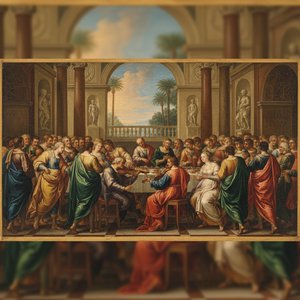
Paolo Veronese: A Renaissance Master of Color, Composition, and Venetian Splendor
Explore the vibrant world of Paolo Veronese, a Renaissance master renowned for his opulent compositions, masterful use of color, and dramatic Venetian scenes. Discover key artworks & legacy.

Barokowe arcydzieła: 10 obrazów, które zdefiniowały epokę | OriginalUniqueArt.com
Odkryj 10 arcydzieł baroku! Caravaggio, Rembrandt, Rubens i inni artyści, którzy zdefiniowali epokę. Poznaj historie, techniki i inspiracje tych niezwykłych obrazów. Reprodukcje najwyższej jakości na OriginalUniqueArt.com – idealne do Twojego wnętrza!
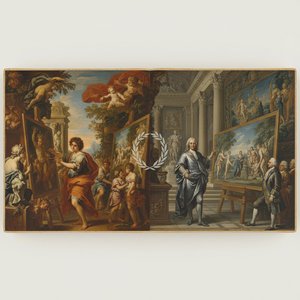
Simon Vouet: A Baroque Master's Journey from Italian Influence to French Classicism
Explore the life & art of Simon Vouet, a pivotal French Baroque painter who introduced Italian styles to France. Discover his masterpieces and lasting influence on 17th-century art.

Italian Baroque Unlocked: High-Drama Art That Hits Hard
Dive into the high-drama world of Italian Baroque art. Discover how chiaroscuro, intense emotion, and theatrical lighting redefined aesthetics. Explore the visceral power of the Counter-Reformation through a modern lens with expert insights from OriginalUniqueArt.com.


