 Podgląd w skali
 Wyślij jako kartkę
 Udostępnij
 Szczegóły dzieła

 Pobierz
 Podobne obiekty
 RTG
RTG Pokaz slajdów
Moderation
 Oil On Canvas
- WallArt
- Baroque
 1578
1578- Renaissance
 160.0 x 160.0 cm
 Pałac Doża w Wenecji
 Rozwiń treść
Giclée / Wydruk artystyczny
Druk giclée lub płótno o jakości muzealnej, szybka realizacja i szeroki wybór opcji wykończenia. ( Przełącz na obraz ręcznie malowany Przełącz na obraz)




P118B $10

P118H $10

P118W $10

P438Z $10

P508JH $12

P508YH $12

P805H $10

P805Z $10

P919BZ $10

P919G $10

P919XJ $10

P959ZH $10

P968JZ $12

W106C $8

W218G $10

W218JH $8

W218Y $10

W307PJ $10

W316G $10

W316PJ $8

W316Y $10

W398PJ $8

W4111J $10

W500HY $15

W500JH $15

W692G $12

W849H $8

W940BG $15

W953PJ $8




Wybierz spośród naszych standardowych rozmiarów, które zachowują oryginalne proporcje dzieła sztuki.

Możesz wprowadzić własne wymiary, aby dopasować dzieło do konkretnej ramy lub przestrzeni. Jeśli wybrany rozmiar nie będzie odpowiadał proporcjom oryginalnego obrazu, przytniecie dzieło lub rozszerzymy obraz za pomocą odbicia lustrzanego lub jednolitego wypełnienia krawędzi. Przed rozpoczęciem produkcji prześlemy cyfrową wizualizację do Twojej akceptacji.
Prosimy pamiętać, że podgląd na ekranie nie odzwierciedla faktycznego przycinania ani rozszerzania. Tylko wizualizacja dokładnie pokaże końcową kompozycję.
Mimo dostępności niestandardowych rozmiarów, zalecamy wybór wymiaru z listy zdefiniowanej, aby zachować oryginalne proporcje.
Dostawa na cały świat () w ciągu 2 tygodni zamiast standardowych 4/5 tygodni. (10 Sierpień)

Bezpłatna ekspresowa wysyłka na cały świat

Wysokiej jakości płótno lniane

Pełne ubezpieczenie przesyłki

Gwarancja zwrotu należności celnych i podatków importowych

Gwarancja wiernego odwzorowania kolorów

Polityka 60-dniowego zwrotu (tylko w przypadku wad)

Gwarancja 100% zwrotu kosztów

Zniżka przy zamówieniu wielu produktów
 Opcja ze szkłem jest dostępna wyłącznie w rozmiarach poniżej 110 cm

Moderation
Giclée / Wydruk artystyczny
Wymiary reprodukcji
-


Cena całkowita
$ 80
Opis kolekcjonerski
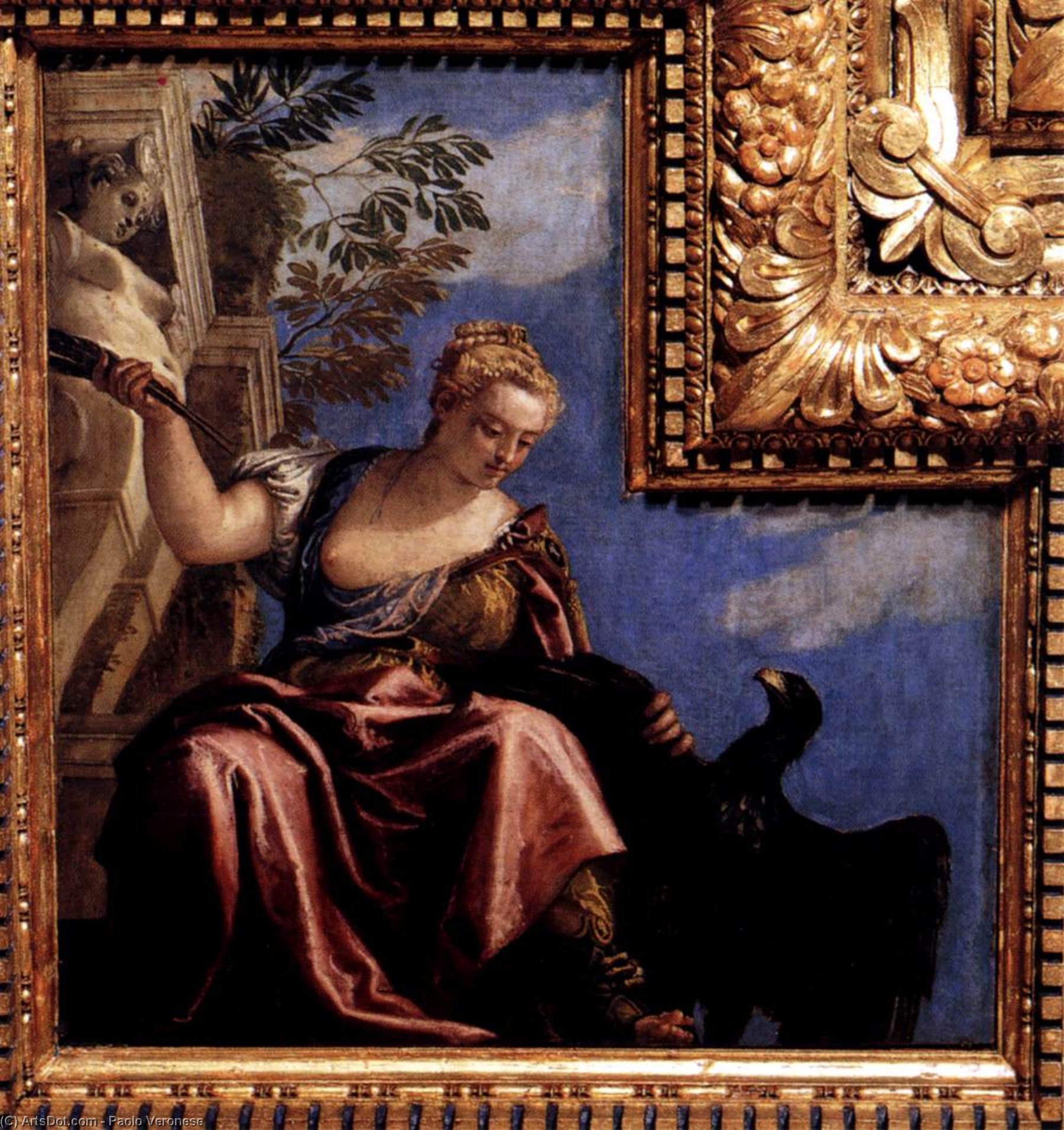
A Venetian Masterpiece: Paolo Veronese’s “Moderation”
Paolo Veronese's "Moderation," painted in 1578, is more than just a portrait; it’s a meticulously crafted tableau brimming with the opulent grandeur and complex symbolism that defined the height of Venetian Renaissance art. Measuring 160 x 160 cm, this work immediately captivates with its rich color palette – predominantly blues, reds, and golds – a hallmark of Veronese's masterful command of pigment. The scene depicts a woman seated before a deep blue backdrop, a single bird perched delicately on her shoulder, while another soars gracefully in the distance. Surrounding her are figures engaged in various activities, creating a dynamic and layered composition that speaks to the complexities of human interaction and the pursuit of balance – hence the title itself.
- The Artist’s Vision: Veronese, born in Verona in 1528, was a pivotal figure in Venetian art. His training under Badile and Caroto provided him with foundational skills, but it was his immersion in Venice's vibrant artistic culture that truly shaped his genius. He absorbed the influence of Titian’s bold use of color while developing a distinctly Venetian style characterized by scale, drama, and an unparalleled attention to detail.
- Compositional Complexity: The arrangement of figures within the painting is deliberately complex. The woman at the center represents moderation – a virtue highly valued during the 16th century. The birds, often symbols of hope and divine grace, reinforce this theme. The presence of multiple individuals adds to the narrative richness, suggesting a scene from mythology or perhaps a historical allegory.
Technique and Materials: A Window into Veronese’s Studio
Veronese's technique is characterized by its meticulous layering of glazes – a process known as *sfumato* – which creates an almost ethereal quality to the figures and their surroundings. The use of gold leaf, particularly in the architectural details and the woman’s garments, adds to the painting’s luxurious appearance and reflects the wealth and status associated with Venetian nobility. The artist's mastery of perspective is evident in the slightly flattened space, a common feature of Venetian painting at the time, which emphasizes the figures and creates a sense of depth within the composition. The canvas itself would have been primed with several layers of gesso to ensure optimal adhesion for the pigments.
Symbolism and Context: Echoes of Renaissance Thought
"Moderation" resonates deeply with the philosophical currents of the Renaissance, particularly the emphasis on balance and harmony – a core tenet of humanist thought. The woman’s pose, the presence of birds, and the overall composition all contribute to this theme. The painting likely reflects the patronage of wealthy Venetian families who commissioned works that not only showcased their wealth but also conveyed moral and philosophical messages. It's possible the scene is referencing classical mythology, perhaps a depiction of Diana, goddess of chastity and moderation, frequently represented with doves or other birds.
Emotional Impact and Collectible Value
Veronese’s “Moderation” transcends mere representation; it evokes a sense of serenity, contemplation, and the pursuit of virtue. Its scale – 160 x 160 cm – allows for an immersive viewing experience, while its rich colors and intricate details make it a truly captivating work of art. As a piece created in 1578 by one of Venice’s most celebrated artists, this reproduction offers a tangible connection to the artistic heritage of Europe. A hand-painted reproduction captures not only the visual beauty but also the historical significance and emotional depth of Veronese's masterpiece, making it an exceptional addition to any discerning collection or interior space.
O artyście
A Venetian Visionary: The Life and Art of Paolo Veronese
Paolo Caliari, universally known as Paolo Veronese, emerged from the vibrant artistic landscape of 16th-century Venice as a master of color, composition, and opulent spectacle. Born in Verona in 1528, the son of a stonecutter, his early life was deeply rooted in the visual richness of his surroundings – the classical architecture, sculpted forms, and burgeoning humanist ideals that characterized the region. His initial training under Antonio Badile and Giovanni Francesco Caroto provided him with a solid foundation in traditional techniques, but it was his move to Venice in the 1550s that truly ignited his artistic genius. The city itself became his muse, its bustling marketplaces, grand palazzi, and shimmering waterways profoundly shaping the scale and drama of his work. He quickly absorbed the influences of established Venetian masters like Titian, whose mastery of color exerted a significant impact on Veronese’s palette, yet he forged a distinctive style characterized by an unparalleled sense of theatricality and grandeur.The Painter of Feasts and Grand Narratives
Veronese's enduring reputation rests primarily upon his monumental paintings, particularly those depicting lavish feasts and biblical scenes transformed into dazzling displays of Venetian life. *The Wedding at Cana*, completed in 1563 for the Benedictine monastery of San Giorgio Maggiore, stands as a testament to his extraordinary skill. This colossal canvas transcends mere illustration; it’s a vibrant panorama of 16th-century society, teeming with elegantly dressed figures, musicians, and architectural details rendered with breathtaking precision. The painting isn't simply about what happened at Cana but *how* it would have appeared if enacted in Venice during Veronese’s time – a remarkable feat of historical imagination. Similarly, *The Feast in the House of Levi*, originally titled *The Last Supper*, caused considerable controversy with the Inquisition due to its inclusion of contemporary figures and a seemingly irreverent atmosphere. Veronese defended his artistic license, arguing that painters were entitled to interpret sacred narratives with the same freedom afforded to poets and jesters – a bold assertion reflecting his belief in art’s power to reimagine and celebrate religious themes. These works weren't merely devotional images; they were exuberant celebrations of life, wealth, and the splendor of Venice itself. He eschewed the austerity often associated with religious painting, instead focusing on capturing the joy and abundance of existence.Influences and Artistic Development
While Titian’s influence on Veronese’s colorism is undeniable – his palette mirroring Titian's luminous vibrancy – his artistic development was a complex synthesis of various influences. The architectural precision evident in his compositions draws heavily from the classical tradition prevalent in Verona during his formative years, particularly the work of architects like Michele Sanmicheli. He also absorbed elements from Central Italian masters such as Raphael and Parmigianino, reflected in the graceful lines and harmonious arrangements within his paintings. However, Veronese didn’t simply imitate these influences; he skillfully integrated them into a uniquely Venetian style characterized by its dramatic use of light, vibrant color palettes, and meticulous attention to detail. He excelled at creating illusions of space and depth, employing perspective techniques to draw viewers into the heart of his elaborate scenes. His mastery of oil painting allowed him to achieve an unparalleled luminosity and richness of texture – a hallmark of his distinctive style. He also managed a large workshop, with contributions from his brother Benedetto and sons Gabriele and Carlo, ensuring that his artistic vision continued to flourish even after his death in 1588.Major Achievements and Notable Works
Veronese’s career produced an astonishing array of masterpieces, each showcasing his exceptional talent and distinctive style. *The Wedding at Cana* remains perhaps his most celebrated work, a monumental testament to Venetian society and artistic skill. *The Feast in the House of Levi*, despite its initial controversy, is another significant example of his ability to blend historical narrative with contemporary life. His depictions of mythological subjects, such as *Venus and Mars*, are renowned for their sensuality and dramatic composition. He also created numerous altarpieces and devotional paintings, demonstrating his versatility across various genres. Beyond individual works, Veronese’s influence extended to the decoration of significant Venetian buildings, including the Doges' Palace, where he contributed to the lavish interiors of the Council Hall. His work served as a visual embodiment of Venice’s wealth, power, and artistic prestige during the 16th century.Legacy and Historical Significance
Paolo Veronese’s impact extends far beyond the realm of Renaissance art. His paintings continue to captivate audiences with their grandeur and spectacle, offering a glimpse into the opulent world of 16th-century Venice. He redefined historical painting by imbuing it with contemporary life, creating scenes that felt remarkably real and immediate. His use of color remains profoundly influential for artists today, and his work embodies the spirit of Renaissance humanism – a celebration of earthly beauty and the pleasures of existence. Veronese’s legacy is a testament to his artistic genius, his ability to capture the essence of an era, and his enduring contribution to the history of art. He stands as one of Venice's most celebrated artists, whose work continues to inspire awe and admiration centuries later.
Paolo Veronese
1528 - 1588 , Włochy
Krótka nota
- Artistic Movement Or Style: Renesans, Mannerismus
- Artists Or Movements Influenced By This Artist: ['Rafał']
- Artists Who Influenced This Artist: ['Tycjan']
- Date Of Birth: 1528
- Date Of Death: 1588
- Full Name: Paolo Veronese
- Nationality: Włoski
- Notable Artworks:
- Ślub w Kanie Galilejskiej
- Wieczór w domu Lewiego
- Place Of Birth: Wenecja, Włochy
Powiązane artykuły
Paolo Veronese: A Renaissance Master of Color, Composition, and Venetian Splendor
Explore the vibrant world of Paolo Veronese, a Renaissance master renowned for his opulent compositions, masterful use of color, and dramatic Venetian scenes. Discover key artworks & legacy.
Jacopo Tintoretto: 25 Arcydzieł Pełnych Dramatyzmu i Światła | OriginalUniqueArt.com
Odkryj 25 arcydzieł Jacopo Tintoretto – weneckiego mistrza dramatyzmu i światła! Poznaj historie, techniki i inspiracje za jego najsłynniejszymi obrazami. Reprodukcje najwyższej jakości na OriginalUniqueArt.com. Eksploruj kolekcję online!

Venetian Renaissance: The Mastery of Color, Light, and the Art of Colorito
Explore the luminous mastery of the Venetian Renaissance. Discover how masters like Titian and Giorgione revolutionized art through colorito, light, and atmosphere. An expert guide to the golden age of Italian painting for collectors and enthusiasts.
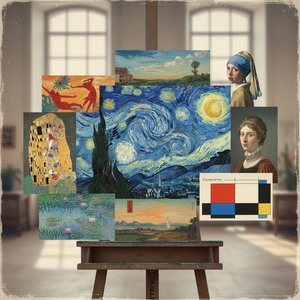
Harmonia Kolorów: 10 Arcydzieł Sztuki o Perfekcyjnej Równowadze Barw | OriginalUniqueArt.com
Odkryj 10 arcydzieł sztuki, które zachwycają perfekcyjną harmonią kolorów! Poznaj historie Van Gogha, Moneta i innych mistrzów. Inspiracje wnętrzarskie i reprodukcje obrazów najwyższej jakości na OriginalUniqueArt.com. Eksploruj pełną kolekcję online!
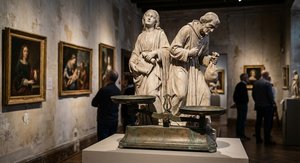
Ciężar Cnoty i Wady: Studium Moralnych Motywów w Historii Sztuki
Odkryj fascynującą historię alegorii cnoty i wady w sztuce! Analiza dzieł Veronesego, Lotto i innych mistrzów. Poznaj symbolikę moralności i ukryte znaczenia obrazów. Ekspercka wiedza dla miłośników historii sztuki.