
 Podgląd w skali 1:1
 Wyślij jako kartkę
 Udostępnij
 Szczegóły dzieła
 Przewodnik

 Pobierz obraz
 Podobne obiekty
 RTG
RTG Pokaz slajdów
 Pytania i odpowiedzi
 Statystyki
The Hunt in the Forest

- 73.0 x 177.0 cm


 Rozwiń treść
Giclée / Wydruk artystyczny
Wydruki giclée lub płótna o jakości muzealnej, szybka realizacja i szeroki wybór opcji wykończenia. ( Zamów ręcznie malowaną reprodukcję Przejdź do wersji cyfrowej)




P118B zł10

P118H zł10

P118W zł10

P438Z zł10

P508JH zł12

P508YH zł12

P805H zł10

P805Z zł10

P919BZ zł10

P919G zł10

P919XJ zł10

P959ZH zł10

P968JZ zł12

W106C zł8

W218G zł10

W218JH zł8

W218Y zł10

W307PJ zł10

W316G zł10

W316PJ zł8

W316Y zł10

W398PJ zł8

W4111J zł10

W500HY zł15

W500JH zł15

W692G zł12

W849H zł8

W940BG zł15

W953PJ zł8




Wybierz spośród naszych standardowych rozmiarów, które zachowują oryginalne proporcje dzieła sztuki.

Wpisz wymaganą szerokość i wysokość, aby dopasować grafikę do ramy lub ściany. Wydruk można jedynie przyciąć, nigdy nie powiększając go poza oryginalny obraz, dlatego format o innych proporcjach spowoduje utratę części kompozycji. Przed rozpoczęciem druku prześlemy Ci cyfrowy podgląd do zatwierdzenia. Obraz wyświetlany na tej stronie nie pokazuje rzeczywistego przycięcia — jedynie podgląd oddaje ten efekt.
Dostawa na cały świat () w ciągu 2 tygodni zamiast standardowych 4/5 tygodni. (3 Listopad)

Bezpłatna ekspresowa wysyłka na cały świat

Wysokiej jakości płótno lniane

Pełne ubezpieczenie przesyłki

Gwarancja zwrotu należności celnych i podatków importowych

Gwarancja wiernego odwzorowania kolorów

100-dniowa polityka zwrotów (tylko w przypadku wad)

Gwarancja 100% zwrotu pieniędzy

Zniżka przy zakupie wielu sztuk
 Opcja ze szkłem jest dostępna wyłącznie w rozmiarach poniżej 110 cm

The Hunt in the Forest
Giclée / Wydruk artystyczny
Wymiary reprodukcji
-


Cena całkowita
zł 317
A Symphony of Shadow and Light: The Magic of Uccello’s Forest
Step into a world where the boundaries between reality and mathematical illusion dissolve. Paolo Uccello’s “The Hunt in the Forest,” painted around 1470, is not merely a depiction of a noble pastime; it is a breathtaking window into the soul of the Early Renaissance. As you gaze upon this masterpiece, you are immediately swept into a nocturnal landscape that feels both dreamlike and intensely structured. The scene captures the exhilarating energy of a hunting party moving through a dense, mysterious woodland, where the flickering light plays across the armor of riders and the muscular tension of horses. It is a visual symphony orchestrated with meticulous precision, designed to pull the viewer deep into the heart of the thicket, making one feel less like an observer and more like a silent participant in the chase.
The atmosphere of the painting is thick with the palpable excitement of the hunt. Uccello masterfully uses light and shadow to create a sense of drama that resonates through the centuries. There is a rhythmic movement to the composition, as figures on foot and riders on horseback weave through the trees, their weapons glinting faintly in the dim light. For the collector or interior designer, this piece offers a profound emotional depth; it possesses a quiet intensity that can anchor a room, providing a focal point that invites long periods of contemplation and discovery.
The Architect of Perspective: Mastering the Illusion of Depth
What truly sets this work apart is Uccello’s obsessive devotion to the science of linear perspective. Often described as a mathematician of the canvas, Uccello was captivated by the challenge of translating a three-dimensional world onto a flat surface. In “The Hunt in the Forest,” he employs converging lines and carefully calculated spatial arrangements to create an unprecedented sense of depth. This was a revolutionary departure from the flatter, more decorative styles of the preceding Gothic era. By utilizing these mathematical advancements, Uccello does not just paint a forest; he constructs a believable reality.
Every element, from the placement of the furthest trees to the foreshortening of the figures in the foreground, serves the greater goal of spatial illusion. This technical brilliance creates a sense of immersion that is rare even in the greatest works of the Renaissance. For those seeking a high-quality reproduction, this structural complexity translates into a stunning visual texture. The way the eye is drawn inward by the geometric arrangement of the landscape provides a dynamic energy that breathes life into any sophisticated interior space, offering a sense of architectural grandeur and intellectual rigor.
A Legacy of Florentine Innovation
To understand the weight of this painting, one must look to the golden age of Florence. Created during an era of immense humanist growth, the work reflects the intellectual curiosity that defined the period. Uccello’s ability to blend the decorative elegance of his predecessors with the new, scientific realism of his contemporaries makes this piece a bridge between two worlds. The painting likely served as a spalliera—a decorative panel intended to be viewed at shoulder height, perhaps as part of a grand chest or the elegant wood paneling of a noble Florentine residence.
Owning a reproduction of such a significant historical artifact is an opportunity to bring a piece of the Renaissance spirit into the modern home. It represents a time when art and science were inextricably linked, and when every brushstroke was an attempt to decode the mysteries of the natural world. Whether placed in a library, a study, or a grand living area, “The Hunt in the Forest” serves as a testament to human ingenuity, offering timeless inspiration through its perfect balance of movement, mathematics, and mystery.
Pytania i odpowiedzi
Z jakich materiałów wykonano "The Hunt in the Forest" i w jakim stylu?
"The Hunt in the Forest" powstało przy użyciu Tempera On Panel, w stylu Renaissance Perspective Innovation.
Ile lat miał Paolo Uccello, gdy powstało dzieło „The Hunt in the Forest”?
Gdy w 1470 roku powstało dzieło „The Hunt in the Forest”, Paolo Uccello – urodzony/a w 1397 – miał/a 73 lat.
Czy dostępna jest prezentacja w formie pokazu slajdów dla „The Hunt in the Forest” – Paolo Uccello?
Dostępna jest prezentacja zdjęć: strona Prezentacja slajdów dzieła „The Hunt in the Forest” – Paolo Uccello.
Biografia artysty
A Florentine Visionary: The Life and Art of Paolo Uccello
Paolo Uccello, urodzony jako Paolo di Dono w 1397 roku wśród rozległych wzgórz blisko Florencji, pozostaje jedną z najbardziej fascynujących i enigmatycznych postaci Wczesnego Renesansu. Jego sam pseudonim – “Uccello” – czyli „Ptak” – zdradza skłonność do malowania ptaków, ale jednocześnie ukrywa głęboko osiadłą myśl, zaangażowaną w rozwijające się intelektualne prądy jego czasów. Nie był jedynie malarzem; był pionierem, matematykiem namalowanym na płótnie, dążącym do odblokowania sekretów wizualnej przestrzeni i przekształcania ich w oszałamiające dzieła sztuki. Jego ojciec, Dono di Paolo, prowadził podwójne zajęcie – barber-chirurg, a jego matka, Antonia, pochodziła z florentyńskiej rodziny szlacheckiej – linia ta mogła zarówno nadać młodemu Paolo praktyczny zmysł, jak i docenianie wyrafinowanej estetyki. Od 1412 do 1416 roku, wczesne lata Uccello spędził pod opieką Lorenzo Ghiberti, którego warsztat był krzewionym miejscem innowacji artystycznych, skupiającym się na tworzeniu oszałamiających drzwi miedzianych dla Baptysterium w Florencji. Wczesny kontakt z tymi doświadczeniami zanurzył go w panującym stylu gotyckim, z jego naciskiem na dekoracyjną elegancję i narracyjny klarowność, ale jednocześnie zapalił w nim pragnienie przekroczenia ustalonych granic.The Pursuit of Perspective: A Mathematical Mind at Play
Rozwój artystyczny Uccello nie ograniczał się do opanowania techniki; był napędzany niezaspokojoną ciekawością dotyczącą zasad rządzących percepcją. Zafascynował się matematyką, w szczególności geometrią i perspektywą, nie jako abstrakcyjne dyscypliny, ale jako narzędzia do odblokowania bardziej wiernego przedstawienia rzeczywistości. Podczas gdy Filippo Brunelleschi jest często uznawany za odkrywcę perspektywy liniowej, Uccello był jednym z pierwszych, którzy systematycznie zastosowali ją do malarstwa, starannie obliczając punkty widzenia i linie ortogonalne, aby stworzyć iluzję głębi, która wcześniej była w dużej mierze nieobecna w sztuce. Nie chodziło tu tylko o dokładność techniczną; dla Uccello perspektywa stała się środkiem do strukturyzowania narracji, wzmacniania dramatyzmu i nadawania jego kompozycjom poczucia porządku i intelektualnego rygoru. Jego fascynacja była wręcz obsesją, jak opisywał Giorgio Vasari, który stwierdził, że Uccello spędzał całą noc w swoim gabinecie, zagłębiając się w obliczenia punktów widzenia i relacji przestrzennych. Ta poświęcenie, choć czasem postrzegane jako ekscentryczność, ostatecznie zrewolucjonizowało malarstwo i wytyczył drogę dla przyszłych pokoleń artystów.Masterpieces of Illusion: Key Works and Stylistic Traits
Dorobek Uccello, choć stosunkowo niewielki, charakteryzuje się charakterystycznym stylem, który łączy elegancję gotycką z innowacjami renesansu. **Bitwa pod San Romano**, seria trzech paneli zamówiona w celu uczczenia florentyńskiego zwycięstwa, stanowi prawdopodobnie jego najbardziej znane osiągnięcie. Te obrazy nie są jedynie przedstawieniami wojny; to dynamiczne kompozycje wypełnione wirującymi postaciami, fragmentami zbroi i dramatycznie skróconymi lanskiercami – wszystko to namalowane w żywych kolorach i ułożone zgodnie z dokładnie obliczoną perspektywą. **Narodziny Najświętszej Panny**, prezentuje mistrzostwo Uccello w perspektywie liniowej, tworząc przekonującą iluzję głębi w płytkiej przestrzeni, podczas gdy jego **Świętego Jerzego walczącego ze smokiem** prezentuje charakterystyczną reprezentację legendarnego świętego, charakteryzującą się odważnymi kolorami i stylizowanymi formami. Nawet w dziełach takich jak *Powódź i Ark*, części fresków w San Miniato al Monte, fascynacja Uccello architektoniczną detalią i skomplikowanymi kompozycjami jest wyraźnie widoczna. Jego styl konsekwentnie ujawnia:Legacy and Influence: A Lasting Impact on Art History
Dziedzictwo Uccello wykracza poza jego indywidualne obrazy. Jego pionierska eksploracja perspektywy fundamentalnie zmieniła bieg historii sztuki, wpływając na wielu artystów, którzy podążyli za nim. Albrecht Dürer, znany niemiecki grafik i malarz, był głęboko zainspirowany pracami Uccello, poświęcając się studiowaniu perspektywy i włączając jej zasady do własnej praktyki artystycznej. Chociaż styl Uccello pozostał nieco ekscentrycznym przez cały jego karierę – unikalną mieszanką elegancji gotyckiej i innowacji renesansowych – jego przełomowe podejście do przestrzeni i formy zapewniło mu miejsce jako kluczowej postaci w rozwoju sztuki zachodniej. Zmarł w Florencji w 1475 roku, pozostawiając po sobie dziedzictwo nie tylko pięknych obrazów, ale także intelektualnej ciekawości i artystycznego odwagę. Jego dzieła nadal inspirują podziw i uznanie, przypominając nam, że prawdziwa sztuka polega nie tylko na tym, co jest widoczne, ale również na zrozumieniu, jak to widzimy.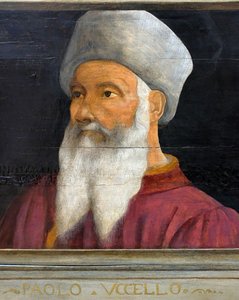
Paolo Uccello
1397 - 1475 , Włochy
Krótka nota
- Artistic Movement Or Style: Renesansowy
- Artists Or Movements Influenced By This Artist: ['Albrecht Dürer']
- Artists Who Influenced This Artist:
- Lorenzo Ghiberti
- Donatello
- Date Of Birth: 1397
- Date Of Death: 1475
- Full Name: Paolo di Dono
- Nationality: Włoski
- Notable Artworks:
- Bitwa pod San Romano
- Narodziny Madonny
- Święty Jerzy
- Place Of Birth: Pratovecchio, Italia
Powiązane artykuły

Paul Cézanne: 25 Arcydzieł, które Zrewolucjonizowały Świat Sztuki | OriginalUniqueArt
Odkryj 25 arcydzieł Paula Cézanne'a – od impresjonizmu po postimpresjonizm. Poznaj historie, techniki i inspiracje malarza, który zrewolucjonizował sztukę. Reprodukcje obrazów najwyższej jakości na OriginalUniqueArt.com!

John Constable: 25 Najlepszych Obrazów Mistrza Angielskiego Krajobrazu | OriginalUniqueArt
Odkryj 25 arcydzieł Johna Constable'a – mistrza angielskiego krajobrazu! Poznaj romantyczne pejzaże, technikę malarską i inspiracje z Dedham Vale. Reprodukcje obrazów najwyższej jakości na OriginalUniqueArt.com. Eksploruj pełną kolekcję online!

Evocations of Place: A Historical Journey Through Landscape Art
Explore the rich history of landscape art with OriginalUniqueArt. Discover renowned artists, movements like Impressionism & Romanticism, and expert guidance for collecting timeless pieces. Find your perfect serene escape today!
Capturing Stillness: A Curated Exploration of the Most Iconic Lake Landscapes in Art History
Journey through art history's most serene lake landscapes. From Romantic vistas to light-drenched Impressionist waters, discover the stories behind these iconic masterpieces and find museum-quality, hand-painted oil reproductions for your private collection.

Romantyczny Krajobraz w Malarstwie: 10 Arcydzieł, Które Zdefiniowały Epokę | OriginalUniqueArt.com
Odkryj 10 arcydzieł romantyzmu w malarstwie! Poznaj historie Caspara Davida Friedricha, Turnera i innych mistrzów. Inspiracje wnętrzarskie & reprodukcje obrazów najwyższej jakości na OriginalUniqueArt.com. Eksploruj kolekcję online!


