Wersja olejowa
 Wszystko o Ślub







































 W przypadku dzieł sztuki lub reprodukcji, których którykolwiek z boków przekracza 105 cm (około 41 cali), rama zostanie wysłana w formie zestawu do samodzielnego montażu. Metoda ta zapewnia bezpieczną dostawę i zapobiega uszkodzeniom podczas transportu.


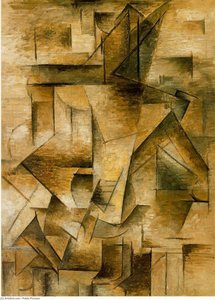
Pablo Picasso’s “The Kiss”: A Fragmented Echo of Passion
Pablo Picasso's "The Kiss" transcends mere visual representation; it embodies a revolutionary artistic spirit, born from a profound engagement with the human condition. Created in 1969 during his mature period—a time marked by an evolving relationship with Jacqueline Roque and a continued exploration of formal experimentation—the painting stands as a cornerstone of Cubist aesthetics and a poignant reflection on intimacy and love. Unlike earlier depictions that prioritized idealized beauty, Picasso confronts us with raw emotion and fragmented perspectives, mirroring the complexities inherent in human connection itself.Cubist Innovation: Deconstructing Form for Emotional Resonance
Picasso’s artistic breakthrough arrived through his pioneering approach to Cubism—a movement he spearheaded alongside Georges Braque—which fundamentally challenged traditional notions of representation. Rejecting single viewpoints and striving for a more holistic depiction of reality, Picasso dismantles forms into geometric planes, presenting multiple perspectives simultaneously. This technique isn't merely stylistic; it’s conceptual – aiming to capture the essence of experience rather than its literal appearance. In “The Kiss,” this fragmentation is subtly achieved through simplified facial features and muted color palettes, directing our gaze inward toward the core emotion of the scene. The deliberate reduction of visual detail amplifies the painting’s impact, forcing us to confront the profound intimacy captured within its frame.A Palette of Emotion: Color Symbolism and Dramatic Lighting
The striking juxtaposition of red and blue dominates the composition—a color scheme deliberately chosen by Picasso to convey contrasting yet complementary emotions. The woman's scarlet dress symbolizes passion and desire, while the man’s azure attire represents tranquility and contemplation. This visual tension mirrors the dynamic interplay between attraction and serenity that characterizes a loving relationship. Furthermore, Picasso employs dramatic lighting – highlighting the figures’ faces—to intensify the emotional intensity of the moment. Light isn’t merely illumination; it sculpts form and draws attention to key elements, emphasizing the vulnerability and tenderness displayed by the couple.Historical Context: Reflecting Intimacy in Troubled Times
“The Kiss” emerged during a period of personal upheaval for Picasso—a time marked by his deepening bond with Roque amidst ongoing artistic endeavors. The painting reflects not only the artist’s own emotional landscape but also broader societal anxieties about love and relationships during the late 1960s. It stands apart from many other artworks of its era, eschewing explicit eroticism in favor of a quieter contemplation of human connection—a deliberate choice that underscores Picasso's belief in art as a vehicle for conveying profound psychological truths.Legacy: An Icon of Modern Art and Enduring Emotional Appeal
“The Kiss” remains an enduring symbol of artistic innovation and emotional depth, securing its place among the most celebrated masterpieces of modern art. Its fragmented form, evocative color palette, and masterful use of lighting continue to inspire artists and captivate audiences worldwide. For collectors seeking a piece that embodies both aesthetic beauty and intellectual contemplation, or for interior designers aiming to infuse their spaces with warmth and passion, a reproduction of Picasso’s “The Kiss” offers an unparalleled opportunity to experience the transformative power of art—a testament to Picasso's genius and his unwavering commitment to exploring the complexities of human emotion.Pytania i odpowiedzi
Czy Ślub jest dziełem namalowanym ręcznie, czy wydrukiem?
Malowane ręcznie: wykwalifikowany artysta wykonuje olejną kopię Ślub na płótnie lnianym.
Jaki rozmiar wybrać dla Ślub?
Dostępne rozmiary obejmują zakres od 30.9 x 32.3 cm (zł782) do 234.5 x 244.8 cm (zł8097); tabela na tej stronie przedstawia główne warianty oraz ich ceny.
Ile trwa dostawa?
Czas dostawy wynosi od 4 do 5 tygodni, przy czym oferujemy bezpłatną ekspresową wysyłkę na cały świat; na tej stronie dostępna jest również opcja pilnej produkcji. Możesz dokonać zwrotu w ciągu 100 dni z pełnym zwrotem kosztów, bez żadnych dodatkowych warunków.
Jakiej techniki użył/a Pablo Picasso w pracy Ślub?
Akryl na płótnie
 Podgląd w skali 1:1

 Wyślij jako kartkę
 Udostępnij
 Szczegóły dzieła
 Karta informacyjna


 Pobierz obraz
 Podobne obiekty
 RTG
 Pokaz slajdów
 Pytania i odpowiedzi

 Statystyki