Surrealizm · 1924
Grecja (Pablo Picasso, 1924)
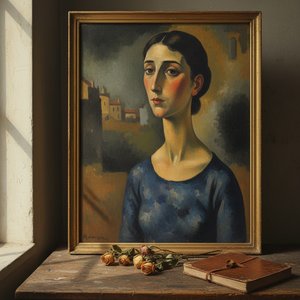
Pablo Picasso (1881–1973) stworzył Grecja. Dzieło pochodzi z 1924. Należy do nurtu Surrealizm. Wykonano w technice Obraz olejny na płótnie. Wymiary to 185 × 75 cm.
- 1924
- Obraz olejny na płótnie
- 185 × 75 cm

 Podgląd w skali 1:1

 Ręcznie malowany obraz olejny
 Wyślij jako kartkę
 Udostępnij
 Karta informacyjna


 Pobierz obraz
 Podobne obiekty
 RTG
 Pokaz slajdów
 Pytania i odpowiedzi

 Statystyki
Grecja w skrócie
- Tytuł
- Grecja
- Artysta
- Pablo Picasso (1881–1973)
- Miejsce urodzenia artysty
- Malaga, Hiszpania
- Data powstania
- 1924
- Technika wykonania
- Obraz olejny na płótnie
- Wymiary
- 185 × 75 cm
- Ruch
- Surrealizm
- Temat
- woman, veil, mystery, picasso, surrealism, greece
Co przedstawia Grecja?
Pablo Picasso’s Enigmatic Vision: The Greek Woman
Pablo Picasso's "Greek Woman," painted in 1924, isn’t merely a portrait; it’s an immersion into the subconscious, a shimmering exploration of emotion and form that epitomizes the artist’s masterful synthesis of Surrealism and Cubism. Measuring a substantial 185 x 75 cm on canvas, this work immediately commands attention with its bold composition and the palpable sense of mystery radiating from the central figure. It's a piece that invites prolonged contemplation, revealing new layers of meaning with each viewing – a testament to Picasso’s genius for capturing the intangible.
The painting depicts a woman shrouded in a veil or head covering, her hands delicately placed upon her face. This gesture, simultaneously vulnerable and protective, immediately establishes an atmosphere of profound introspection. Picasso skillfully employs geometric shapes—sharp angles and fragmented planes—to define the subject’s form, characteristic of his Cubist explorations. However, these rigid structures are softened by subtle color nuances – muted blues, greys, and ochres – creating a remarkable depth and textural richness that belies the painting's apparent simplicity. The use of line is equally deliberate; strong, assertive lines delineate key features while others dissolve into hazy ambiguity, mirroring the complexities of human emotion.
A Surrealist Exploration of Inner Space
“Greek Woman” firmly resides within the realm of Surrealism, a movement that sought to unlock the power of dreams and the unconscious. Picasso, deeply influenced by artists like Giorgio de Chirico, embraced this exploration of the irrational, rejecting traditional notions of representation in favor of conveying inner states and psychological landscapes. The veil itself becomes a potent symbol – a barrier between the viewer and the woman’s true self, suggesting hidden desires, unspoken anxieties, or perhaps even a deliberate attempt to conceal her identity. The painting isn't about a literal depiction; it’s about evoking a feeling, a mood—a sense of quiet contemplation and veiled secrets.
Interestingly, Picasso’s exploration of the subconscious aligns with his personal experiences during this period. Following the loss of his beloved wife Dora Maar, he retreated into a world of introspection and experimentation, pushing the boundaries of artistic expression. The melancholic undertones present in “Greek Woman” resonate with this emotional landscape, adding another layer of depth to its enigmatic allure.
Historical Context & Artistic Legacy
To understand "Greek Woman" fully, it’s crucial to consider Picasso's broader artistic trajectory and the historical context surrounding his work. Born in Málaga in 1881, Picasso rapidly evolved through various stylistic phases – from early naturalistic depictions to the revolutionary innovations of Cubism and Surrealism. His influence on 20th-century art is undeniable, and works like this one demonstrate his ability to synthesize diverse influences into a uniquely personal vision.
The painting’s creation coincided with a period of significant artistic ferment in Europe, marked by the rise of avant-garde movements and a growing disillusionment with traditional values. It's worth noting that Picasso was deeply connected to Barcelona during this time, and his work often reflects the city’s vibrant cultural scene. The Museu Picasso in Barcelona houses an extensive collection of his early works, offering invaluable insights into the development of his artistic style. Furthermore, the painting shares a lineage with earlier depictions of women – consider Delacroix's "Head of an Old Greek Woman," which served as a powerful influence on Picasso’s exploration of female figures and their symbolic weight.
A Timeless Masterpiece for Collectors & Designers
“Greek Woman” remains a captivating masterpiece, continuing to inspire artists and art enthusiasts alike. Its evocative imagery, masterful technique, and profound emotional resonance make it a truly exceptional work of art. OriginalUniqueArt offers meticulously crafted hand-painted reproductions that faithfully capture the essence of this iconic painting, allowing you to bring its beauty into your home or office. Whether you’re an avid collector, an interior designer seeking a statement piece, or simply someone who appreciates the power of great art, a reproduction of “Greek Woman” is sure to be a treasured addition to your collection.
For more information on Picasso's works and our exquisite reproductions, please visit OriginalUniqueArt.com.
Zdjęcia w wysokiej rozdzielczości dzieła Grecja
Chronione prawem autorskim: pliki te służą wyłącznie do osobistego wglądu i nie stanowią licencji na ich powielanie.
Pablo Picasso, Grecja (1924).
Odpowiedzi na pytania dotyczące Grecja
W którym roku powstało dzieło "Grecja"?
"Grecja" powstało w 1924 roku. Data ta pozwala umiejscowić dzieło w kontekście twórczości Pablo Picasso oraz epoki, w której powstało.
W jakiej technice wykonano „Grecja” – Pablo Picasso?
Technika wykonania dzieła „Grecja” – Pablo Picasso to Obraz olejny na płótnie. Reprodukcje mają na celu wierne oddanie wyglądu tej techniki.
Jakie są wymiary oryginału "Grecja"?
Oryginalne wymiary dzieła „Grecja” to 185 x 75 cm. Znajomość pierwotnej skali może być pomocna przy wyborze odpowiedniego rozmiaru reprodukcji.
Co przedstawia „Grecja” – Pablo Picasso?
„Grecja” – Pablo Picasso przedstawia: woman, veil, mystery, picasso, surrealism, greece, expression.
Czy dzieło "Grecja" znajduje się w domenie publicznej?
Jeśli chodzi o prawa autorskie, "Grecja" znajduje się w nadal objęte ochroną prawa autorskiego.
Któremu artyście przypisuje się "Grecja"?
Autorstwo dzieła "Grecja" przypisuje się Pablo Picasso.
Do jakiego nurtu w sztuce należy „Grecja” – Pablo Picasso?
„Grecja” to dzieło należące do nurtu Surrealizm. Nurt ten określa tradycję artystyczną, w której osadzone jest dzieło.
Do którego okresu twórczości Pablo Picasso należy dzieło „Grecja”?
"Grecja" reprezentuje Surrealist Era twórczości Pablo Picasso.
Ile lat miał(a) Pablo Picasso, tworząc "Grecja" w 1924 roku?
Pablo Picasso miał 43 lat w momencie powstania „Grecja” w 1924. Wiek ten obliczono na podstawie roku urodzenia artysty, 1881.
O artyście: Pablo Picasso

1881–1973, Hiszpania
Pablo Picasso
Wczesne lata, rodzina i kształcenie W hiszpańskim mieście Málaga, 25 października 1881 roku, na świat przyszedł chłopiec, którego imię miał na zawsze odmienić oblicze sztuki – Pablo Picasso. Urodził się w rodzinie Marii Picasso y López oraz Joségo Ruiza Blasco, człowieka, który doskonale rozumiał ciężar pędzla i dyscyplinę płótna. Już od najmłodszych lat dziecko przejawiało niepokojącą, niemal instynktowną skłonność ku rysunkowi, talent, który zdawał się manifestować już w jego pierwszych, niezdarnych jeszcze próbach mowy. Jego ojciec, sam będący malarzem, dostrzegł ten wewnętrzny żar w swoim synu i wziął na siebie odpowiedzialność za pielęgnowanie tej rodzącej się umiejętności.
Inne prace Pablo Picasso
 Guernica1937
 Młode Damy z Avignonu1907
 Płacząca kobieta1937
 Stary gitarzysta
Eseje o Grecja
 25 Masterpieces of Giorgio de Chirico: Exploring Metaphysical ArtStep into the haunting dreamscapes of Giorgio de Chirico. Explore 25 iconic Metaphysical paintings that defined Surrealism. From enigmatic …
 The Evolution of the Female Form: From Classical Archetypes to Modern AgencyTrace the evolution of the female form from prehistoric symbols to Baroque realism. Explore art history with our expert analysis.
 Capturing the Soul: An Exploration of Modigliani's Iconic Portraits and the Melancholy of ModernismDelve into the haunting beauty of Amedeo Modigliani's portraits. Explore the intersection of Expressionism and Modernism through an expert …