
 Zobacz w skali 1:1
 Wyślij
 Udostępnij
 Szczegóły
 Przewodnik

 Pobierz plik obrazu
 Podobne obiekty
 RTG
RTG Pokaz slajdów
 Statystyki
Emblem


 Czytaj więcej
Kup wysokiej rozdzielczości, ulepszony obraz cyfrowy o jakości znacznie przewyższającej podgląd online.
Każdy plik jest starannie przygotowywany przez naszych specjalistów przy użyciu zaawansowanych narzędzi oraz profesjonalnej, ręcznej retuszy. Dbamy o to, aby każdy obraz cechował się wyjątkową ostrością, precyzyjnym odwzorowaniem kolorów i subtelnymi detalami.
Ostateczny plik dostarczany jest drogą mailową w ciągu 72 godzin, zoptymalizowany do natychmiastowego wykorzystania w profesjonalnych zastosowaniach redakcyjnych i poligraficznych. To ta sama jakość, której ufają czołowe studia projektowe, wydawnictwa oraz galerie sztuki.
Obraz cyfrowy
Pobierz plik o wysokiej rozdzielczości do osobistego użytku, druku oraz projektów kreatywnych. ( Przełącz na wersję drukowaną Kup ręcznie malowany obraz)
W każdym zamówieniu na obraz cyfrowy znajduje się
Profesjonalna dostawa cyfrowa z gwarancją
Wybierając OriginalUniqueArt.com, nie otrzymujesz jedynie obrazu – otrzymujesz profesjonalnie udoskonalone cyfrowe dzieło sztuki, stworzone z najwyższą precyzją i objęte gwarancją satysfakcji. Oto wszystko, co automatycznie dołączane jest do Twojego zamówienia:

Błyskawiczna dostawa e-mailowa
Plik z obrazem cyfrowym w wysokiej rozdzielczości zostanie przesłany na Twój adres e-mail w ciągu 72 godzin od złożenia zamówienia – gotowy do natychmiastowego użycia.

Plik cyfrowy ulepszony przez AI
Twoja grafika została profesjonalnie zoptymalizowana przy użyciu zaawansowanych narzędzi AI oraz ręcznej edycji, co zapewnia maksymalną szczegółowość, klarowność i wierność kolorów.

Bezpłatna dożywotnia ponowna dostawa
Przypadkowo usunąłeś lub zgubiłeś swój plik? Bez obaw – prześlemy go Tobie ponownie w dowolnym momencie, bez żadnych opłat.

Bez opłat importowych – zawsze
Ciesz się swoją sztuką natychmiast, bez żadnych opłat celnych, należności ani kosztów dostawy – pliki cyfrowe są zawsze wolne od podatku.

Gwarancja odwzorowania kolorów
Dzięki zastosowaniu profesjonalnych narzędzi i procesów zarządzania barwą zapewniamy, że Twoje cyfrowe zdjęcie odzwierciedla oryginalne kolory tak wiernie, jak to tylko możliwe.

100 dni na satysfakcję
Jeśli nie będziesz zadowolony ze swojego cyfrowego obrazu, poprawimy go lub zwrócimy 100% kosztów w ciągu 100 dni – bez zbędnych pytań.

100% Gwarancja zwrotu pieniędzy
Nie jesteś zadowolony? Otrzymaj pełny zwrot kosztów w ciągu 100 dni od otrzymania pliku cyfrowego – bez zbędnych pytań.

Rabaty przy zamówieniach hurtowych
Kup 3 obrazy, oszczędź 10% - Kup 5, oszczędź 15% - Kup 10+, oszczędź 20%. Idealne do projektów kreatywnych, galerii i agencji.
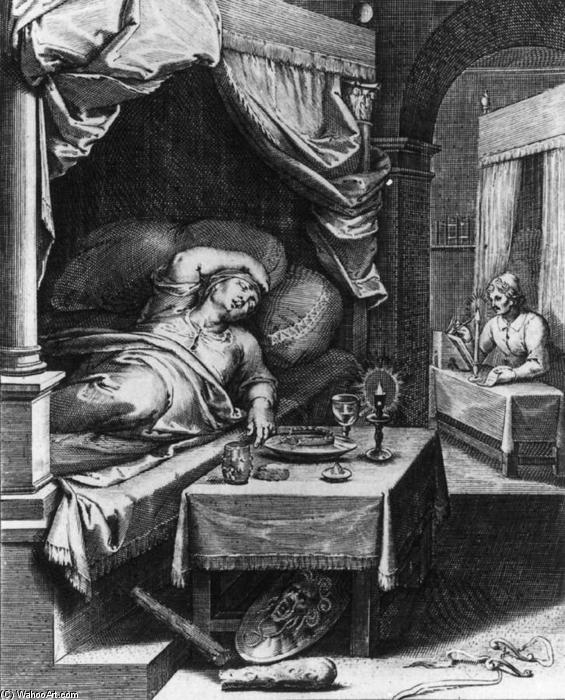
Otto van Veen’s Emblem: A Baroque Meditation on Grief
The engraving “Emblem,” created by Otto van Veen in 1607, stands as a testament to the artistic fervor of the Baroque period—a time marked by dramatic emotion and opulent visual grandeur. More than just a depiction of imagery, it's an immersive experience into the spiritual anxieties of its era, skillfully rendered with meticulous detail and imbued with profound symbolic resonance. This artwork resides within the North Carolina Museum of Art’s collection (Object Number: NCMA 1987.36), offering visitors a glimpse into the artistic sensibilities of Flemish Baroque art. ### Artistic Style and Technique – The Language of Emotion Van Veen's approach to engraving exemplifies the stylistic conventions prevalent during his time. Characterized by thick, expressive linework—primarily hatching and cross-hatching—the artist prioritizes conveying emotion over strict realism. Unlike Renaissance artists who sought idealized representations, Baroque painters like Van Veen embraced dramatic chiaroscuro (light and shadow), amplifying visual impact and fostering a palpable sense of sorrow. The engraving utilizes a burin tool to carve lines into a metal plate, transferring ink onto paper with remarkable precision—a technique that allowed for nuanced tonal gradations and heightened textural qualities. This careful execution contributes significantly to the artwork’s overall mood and reinforces its thematic concerns. ### Historical Context – Faith Amidst Turbulent Times “Emblem” emerged during a period of intense religious upheaval in Europe, specifically within the Low Countries. The Protestant Reformation had irrevocably fractured Christendom, sparking conflicts between Catholic and Protestant factions. Van Veen's artistic milieu was profoundly influenced by this turbulent landscape; he worked alongside humanist thinkers like Dominicus Lampsonius and Jean Ramée who championed classical learning and challenged traditional dogma. This intellectual climate fostered a preoccupation with mortality—a central theme explored in “Emblem”—reflecting anxieties about divine judgment and the fragility of human existence. The engraving’s solemn composition speaks to the spiritual fervor of its time, mirroring broader societal concerns regarding faith and morality. ### Symbolism – Death, Mourning, and Divine Lamentation The artwork's visual elements are laden with symbolic significance. At its core lies a reclining figure—likely representing Christ—surrounded by attendants who convey grief and sorrow. The opulent drapery and furnishings serve as emblems of wealth and status, yet simultaneously underscore the pervasive atmosphere of loss. The pyramidal structure of the image draws the viewer’s gaze upwards towards the central figure, emphasizing spiritual contemplation. Furthermore, the scene evokes themes of biblical lamentation—a common motif in Baroque art—reflecting a belief in divine compassion amidst human suffering. Each carefully positioned element contributes to the artwork's overarching narrative and invites viewers to contemplate profound existential questions. ### Emotional Impact – A Window into Baroque Soul Ultimately, “Emblem” succeeds in capturing the emotional intensity characteristic of Baroque art. The dramatic lighting casts deep shadows that heighten the mood of despair, while the meticulous linework conveys a palpable sense of sorrow and solemnity. Viewing this engraving is akin to stepping into a darkened chapel—a space designed for contemplation and reverence. It’s an artwork that transcends mere visual representation; it communicates profound spiritual truths through masterful technique and evocative imagery. Like Gerard Seghers' “Christ and the Penitent Sinners,” (NCMA 1987.36), “Emblem” exemplifies the Baroque preoccupation with conveying emotion and exploring themes of faith and mortality—a legacy that continues to inspire artists and collectors today.Pytania i odpowiedzi
W jakim rozmiarze zaleca się wydruk dzieła "Emblem"?
Zalecanym rozmiarem wydruku dla dzieła "Emblem" jest Large. Dostępne są również inne rozmiary o tych samych proporcjach.
Jaki kolor dominuje w kompozycji „Emblem” autorstwa Otto van Veen?
Dominującym kolorem dzieła „Emblem” autorstwa Otto van Veen jest Phthalo Green (#252525).
Z czego wykonano "Emblem"?
Technika wykonania dzieła „Emblem” autorstwa Otto van Veen to Engraving. Reprodukcje mają na celu wierne oddanie wyglądu tej techniki.
Biografia artysty
A Life Bridging Renaissance and Baroque: The World of Otto van Veen
Otto van Veen, a name resonating with the echoes of late 16th and early 17th-century artistry, occupies a fascinating position in art history. Born around 1556 in Leiden, Netherlands, into a family of prominence—his father served as burgomaster—Van Veen’s life was one of shifting allegiances and artistic evolution. The religious tensions gripping the Low Countries during his youth profoundly shaped his trajectory. The relocation of his family to Antwerp in 1572, driven by their Catholic faith amidst a rising tide of Protestantism, marked not just a geographical shift but also a turning point in his intellectual and artistic formation. This move brought him into contact with influential figures like Dominicus Lampsonius and Jean Ramée, laying the groundwork for a career steeped in humanist ideals and classical learning. His subsequent journey to Rome around 1574 or 1575 proved pivotal; immersing himself in the heart of the Italian Renaissance, he absorbed the stylistic nuances that would define his mature work—the elegance, the refined compositions, and the emphasis on idealized forms characteristic of Mannerism. The precise extent of his Roman tutelage remains debated, with some scholars suggesting a period under Federico Zuccari, but its impact is undeniable.Early Life and Artistic Training
Otto van Veen was born around 1556 in Leiden, as the son of Cornelis Jansz. van Veen (1519–1591), Burgomaster of Leiden, and Geertruyd Simons van Neck (born 1530). His father was a knight, Lord of Hogeveen, Desplasse, Vuerse, etc., and said to be descended from a natural son of John III, Duke of Brabant. Otto van Veen studied law at the Latin school in Leiden and initially received artistic training from Isaac Claesz van Swanenburgh. However, his family’s Catholic faith led them to relocate to Antwerp in 1572, amidst the rising tide of Protestantism. This move provided him with access to a different artistic environment, fostering his interest in classical learning and humanist ideals. He continued his studies under Dominicus Lampsonius and Jean Ramée, both prominent figures in the intellectual circles of the time. These early influences shaped his approach to art, emphasizing humanistic themes and a deep understanding of classical antiquity.Patronage and Artistic Development in Brussels and Rome
Upon returning from Italy, Van Veen swiftly established himself as a sought-after artist. His talent secured him a position as court painter to Alexander Farnese, Duke of Parma, governor of the Southern Netherlands, in Brussels. This patronage provided not only financial stability but also access to a sophisticated artistic milieu and opportunities for large-scale commissions. He became a master within Antwerp’s Guild of St. Luke in 1593, solidifying his professional standing. However, Van Veen's legacy extends far beyond his own paintings; it is inextricably linked to the career of one of art history’s most celebrated masters: Peter Paul Rubens. From approximately 1594 or 1595 until 1598, Van Veen served as Rubens’ teacher, instilling in the young artist a rigorous classical education and a deep appreciation for humanist principles. This mentorship was crucial in shaping Rubens' intellectual framework and artistic sensibilities, laying the foundation for his future triumphs. Van Veen didn’t merely impart technical skills; he cultivated a worldview that emphasized the integration of art, literature, and philosophy—a hallmark of Rubens’ own prolific output. During this period, Van Veen also undertook numerous religious commissions, adorning churches with altarpieces and chapels, demonstrating his versatility and growing reputation as a skilled and reliable artist.Mannerist Sensibility and the Language of Emblems
Van Veen’s artistic style is firmly rooted in Mannerism, an aesthetic characterized by elongated figures, graceful poses, sophisticated compositions, and a refined palette. His paintings often exude an air of elegance and intellectual contemplation. He was known as a *pictor doctus* – a learned painter – and this designation reflects his commitment to incorporating humanist themes into his work. Beyond painting, Van Veen made significant contributions to the burgeoning field of emblem books—a popular genre that combined images with text to convey moral and philosophical messages. His *Quinti Horatii Flacci Emblemata* (1607), *Amorum Emblemata* (1608), and *Amoris Divini Emblemata* (1615) are prime examples of this form, showcasing his skill as both an artist and a scholar. The *Amorum Emblemata*, in particular, achieved widespread influence, serving as a model for subsequent emblem books and inspiring artists across various disciplines. Its depictions of putti enacting scenes from classical literature and mythology, accompanied by witty mottos, captured the spirit of Renaissance humanism and its fascination with love—both earthly and divine.Later Years and Enduring Influence
Even as artistic tastes began to shift towards the dynamism of the Baroque, Van Veen continued to thrive. He maintained connections with the Archdukes Albert and Isabella, though without holding a formal court appointment. A significant undertaking during this period was a series of twelve paintings depicting battles between Romans and Batavians, commissioned by the Dutch States General based on earlier engravings he had produced. This project demonstrates his ability to adapt to changing political landscapes and cater to diverse artistic demands. Throughout his career, Van Veen remained actively involved in Antwerp’s artistic community, serving as dean of both the Guild of St. Luke (1602) and the Romanists (1606). He came from a family with considerable artistic talent; his brother Gijsbert was an accomplished engraver, his daughter Gertruid also pursued painting, and several nephews worked as pastel artists. Otto van Veen died in Brussels in 1629, leaving behind a legacy that extended far beyond his own oeuvre. Arnold Houbraken, the renowned Dutch art historian, recognized him as the most impressive artist and scholar of his time, even featuring his portrait on the title page of his influential *De Groote Schouburgh der Nederlantsche Konstschilders en Schildersessen*. His enduring significance lies not only in his own artistic achievements but also in his pivotal role as a teacher and mentor—most notably to Peter Paul Rubens—and his contribution to the intellectual and artistic currents of his era. He stands as a compelling figure, bridging the gap between the Renaissance and Baroque periods, embodying the ideals of the humanist artist, and leaving an indelible mark on the history of Flemish painting.
Otto van Veen
1556 - 1629 , Holandia
Najważniejsze informacje
- Artistic Movement Or Style: Mannerizm
- Artists Or Movements Influenced By This Artist: ['Rubens']
- Artists Who Influenced This Artist: ['Isaak Swanenburg']
- Date Of Birth: ok. 1556
- Date Of Death: 6 maja 1629
- Full Name: Otto van Veen
- Nationality: Flamandzki
- Notable Artworks:
- Batavians Def.
- Pokój
- Brinno
- Place Of Birth: Lejda, Holandia