
 Podgląd w skali
 Wyślij jako kartkę
 Udostępnij
 Szczegóły dzieła

 Pobierz
 Podobne obiekty
 RTG
RTG Pokaz slajdów
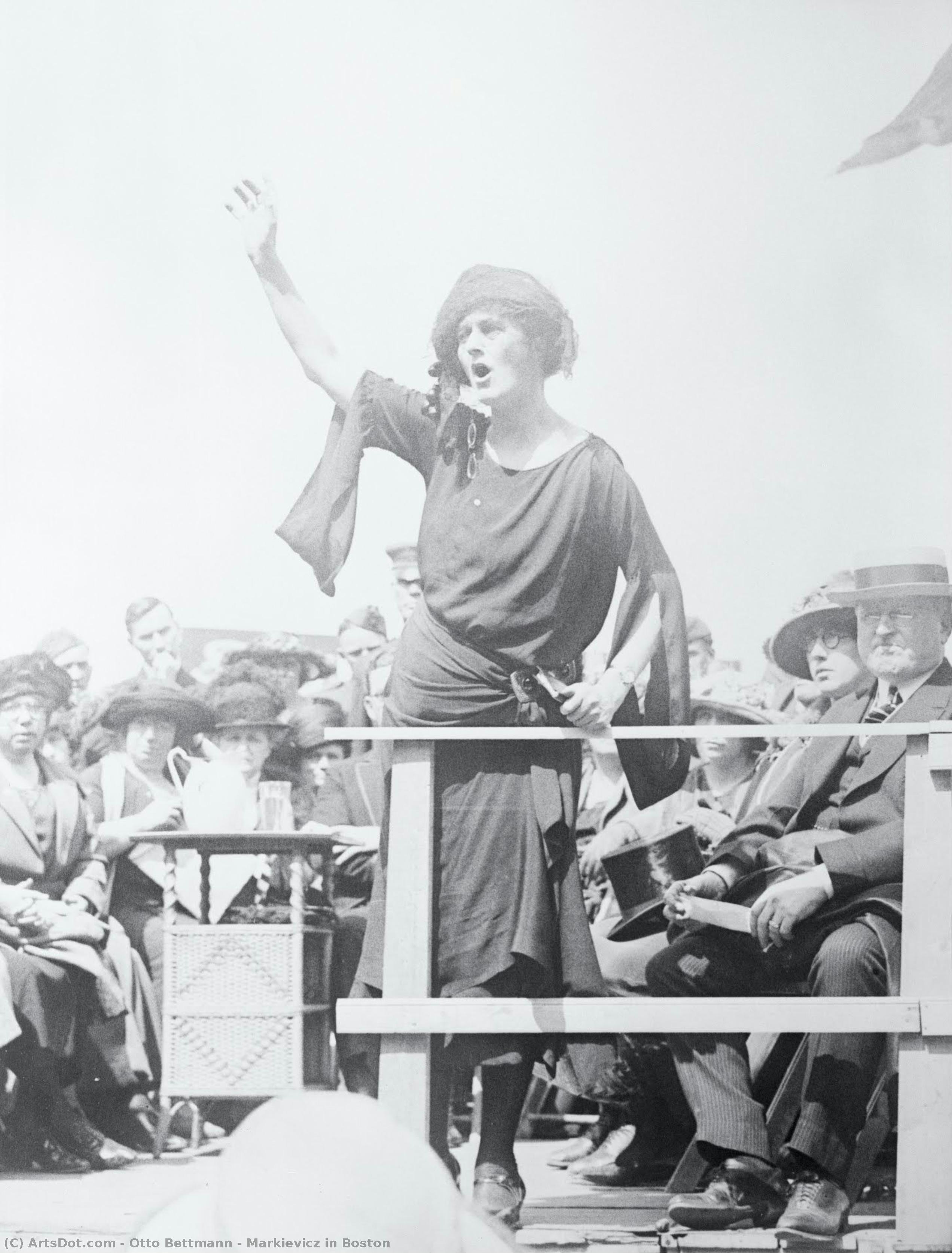
Markievicz in Boston


 Rozwiń treść
Ręcznie malowana reprodukcja olejowa
Ręcznie malowany obraz olejny na płótnie, wykonany na zamówienie przez naszych artystów w wybranym przez Ciebie wymiarze i oprawie. ( Zamów wydruk Kup obraz wysokiej rozdzielczości)




































Wybierz spośród naszych standardowych rozmiarów, które zachowują oryginalne proporcje dzieła sztuki.

Możesz wprowadzić własne wymiary, aby dopasować obraz do konkretnej ramy lub przestrzeni. Jeśli wybrany rozmiar nie będzie odpowiadał proporcjom oryginału, przytniecie dzieło sztuki lub rozszerzymy je o dodatkowe elementy, ręcznie domalowane przez artystę. Przed rozpoczęciem produkcji wyślemy projekt cyfrowy do Twojej akceptacji.
Należy pamiętać, że podgląd na ekranie nie odzwierciedla rzeczywistego przycinania ani rozszerzania obrazu. Tylko projekt dokładnie pokaże ostateczną kompozycję.
Choć oferujemy możliwość zamówienia niestandardowych rozmiarów, zalecamy wybór wymiaru z gotowej listy, aby zachować oryginalne proporcje dzieła.
Po złożeniu zamówienia zespół OriginalUniqueArt.com skontaktuje się z klientem drogą mailową w celu uzyskania instrukcji i prześle wizualizację projektu
Dostawa na całym świecie () w ciągu 3–4 tygodni zamiast standardowych 5 tygodni. (14 Sierpień). Bez kompromisów w kwestii jakości.

Bezpłatna ekspresowa wysyłka na cały świat

Wysokiej jakości płótno lniane

Pełne ubezpieczenie przesyłki

Gwarancja zwrotu należności celnych i podatków importowych

Gwarancja wiernego odwzorowania kolorów

Polityka 60-dniowego zwrotu (tylko w przypadku wad)

Gwarancja 100% zwrotu kosztów

Zniżka przy zamówieniu wielu produktów
 Opcja ze szkłem jest dostępna wyłącznie w rozmiarach poniżej 110 cm

Markievicz in Boston
Technika reprodukcji
Wymiary reprodukcji
-


Cena całkowita
$ 300
O artyście
Otto Bettmann: The Architect of Retro
Otto Ludwig Bettmann (1903–1998) wasn’t merely a photographer; he was an obsessive collector, a meticulous organizer, and arguably the progenitor of “retro,” a stylistic movement that profoundly shaped visual culture for decades. Born in Leipzig, Germany, his early life instilled within him a lifelong fascination with ephemera—fragments of history captured in print and image – a passion that would define his extraordinary career. His story is one of escape from Nazi oppression, entrepreneurial ingenuity, and an unwavering dedication to preserving the artistic heritage of the past.- Early Life & Education: Bettmann’s formative years were marked by intellectual curiosity and a love for literature fostered by his bibliophile father. He pursued postgraduate studies at Leipzig University, earning a doctorate in German Philology before embarking on a journey that would lead him to America.
- Immigration & The Founding of the Archive: Driven by fears of persecution under Hitler’s regime, Bettmann fled Germany in 1935 with two trunks brimming with photographs and clippings—a treasure trove he envisioned transforming into a monumental repository for visual history. This ambition materialized in 1936 with the establishment of the Bettmann Archive, initially housed in his Manhattan apartment.
The Genesis of Retro: A Visionary Approach
Bettmann’s revolutionary concept wasn't simply acquiring old images; it was reimagining how they could be utilized. Recognizing that magazine editors and designers craved visual inspiration without the arduous process of exhaustive research, he pioneered a method of licensing photographs based on size and usage—a shrewd business strategy that quickly garnered him a loyal clientele. CBS famously sought Bettmann’s expertise to inject vintage imagery into advertising campaigns, demonstrating his understanding of contemporary aesthetics and marketing trends. He famously stated: “Working out of my tiny office in Manhattan I rented printed images for one time use for a sliding fees.”- Cataloguing & Organization: Bettmann's meticulous cataloguing system—cross-referencing themes and subjects with unparalleled precision—became the benchmark for visual resource libraries. This innovative approach ensured rapid retrieval of materials, reflecting his belief that accessibility was paramount to preserving cultural memory.
- Influence on Graphic Design: Bettmann’s archive exerted an undeniable influence on graphic design trends throughout the 1960s and beyond. Designers routinely incorporated antique prints into their layouts, capitalizing on Bettmann's foresight in recognizing the power of historical imagery to evoke emotion and convey timeless narratives.
A Legacy of Preservation & Artistic Insight
Beyond his entrepreneurial success, Bettmann possessed a deep appreciation for art and literature—a passion that extended into his personal life. He authored or co-authored fourteen books exploring diverse subjects ranging from Bach’s music to the complexities of nostalgia, showcasing his erudition and intellectual breadth. His 1974 book “The Good Old Days: They Were Terrible” offered a critical perspective on sentimental longing—a testament to his willingness to engage with challenging ideas. He continued to cultivate interests in photography, publishing *Johann Sebastian Bach as His World Knew Him* in 1995 and documenting thousands of published images of women for a pictorial chronicle.- The Move to Iron Mountain: Recognizing the vulnerability of his collection to environmental degradation, Bettmann orchestrated its relocation to Iron Mountain National Underground Storage Facility in Pennsylvania—a daring undertaking that ensured the preservation of his archive for future generations.
- Final Years & Recognition: In his later years, Bettmann remained active in promoting his archive and fostering collaborations with artists and designers. His unwavering dedication to his craft and his profound understanding of visual culture cemented his place as a pivotal figure in 20th-century art history.
The Bettmann Archive Today
Today, Getty Images owns the Bettmann Archive—a testament to its enduring value and significance. The archive continues to inspire creativity and scholarship, serving as an invaluable resource for researchers and artists alike. Otto Ludwig Bettmann’s legacy extends far beyond his pioneering cataloguing system; it resides in his unwavering belief that images could illuminate the past and enrich our understanding of the present—a conviction that resonates powerfully with contemporary artistic sensibilities.
otto bettmann
1903 - 1998 , Germany
Krótka nota
- Artistic Movement Or Style: Neue Sachlichkeit
- Artists Or Movements Influenced By This Artist: ['Pictorialism']
- Artists Who Influenced This Artist: ['Alfred Stieglitz']
- Date Of Death: 1998
- Full Name: Otto Ludwig Bettmann
- Nationality: German
- Notable Artworks: ['Various photographic prints']
- Place Of Birth: Leipzig, Germany

