

 Zobacz w skali 1:1
 Wyślij
 Udostępnij
 Szczegóły
 Przewodnik

 Pobierz plik obrazu
 Podobne obiekty
 RTG
RTG Pokaz slajdów
 Statystyki
Dolomity Landscape
 Olej na płótnie
- Sztuka ścienna
- Early Expressionism
 1913
1913- Modernizm
 82.0 x 119.0 cm
 Muzeum Leopoldów
 Czytaj więcej
Dzieło sztuki prezentowane na tej stronie podlega ochronie prawem autorskim, co oznacza, że nie mamy prawa do tworzenia ani sprzedaży jego identycznej reprodukcji. Ochrona ta jest egzekwowana na mocy umów międzynarodowych, takich jak Konwencja berneńska oraz przez przepisy prawa krajowego, w tym te określone w Prawo autorskie USA – Tytuł 17.
Metoda ta jest w pełni zgodna z przepisami prawa autorskiego, ponieważ nie polega na kopiowaniu ani powielaniu chronionego dzieła. Stanowi ona kreatywną reinterpretację – nowy obraz, który czerpie inspirację z oryginału, ale nie jest z nim tożsamy.
Giclée / Wydruk artystyczny
Wydruki giclée lub płótna o jakości muzealnej, szybka realizacja i szeroki wybór opcji wykończenia. ( Kup ręcznie malowany obraz Przełącz na wersję cyfrową)




P118B zł10

P118H zł10

P118W zł10

P438Z zł10

P508JH zł12

P508YH zł12

P805H zł10

P805Z zł10

P919BZ zł10

P919G zł10

P919XJ zł10

P959ZH zł10

P968JZ zł12

W106C zł8

W218G zł10

W218JH zł8

W218Y zł10

W307PJ zł10

W316G zł10

W316PJ zł8

W316Y zł10

W398PJ zł8

W4111J zł10

W500HY zł15

W500JH zł15

W692G zł12

W849H zł8

W940BG zł15

W953PJ zł8




Wybierz spośród naszych standardowych rozmiarów, które zachowują oryginalne proporcje dzieła sztuki.

Możesz wprowadzić własne wymiary, aby dopasować dzieło do konkretnej ramy lub przestrzeni. Jeśli wybrany rozmiar nie będzie odpowiadał proporcjom oryginalnego obrazu, przytniecie dzieło lub rozszerzymy obraz za pomocą odbicia lustrzanego lub jednolitego wypełnienia krawędzi. Przed rozpoczęciem produkcji prześlemy cyfrową wizualizację do Twojej akceptacji.
Prosimy pamiętać, że podgląd na ekranie nie odzwierciedla faktycznego przycinania ani rozszerzania. Tylko wizualizacja dokładnie pokaże końcową kompozycję.
Mimo dostępności niestandardowych rozmiarów, zalecamy wybór wymiaru z listy zdefiniowanej, aby zachować oryginalne proporcje.
Dostawa na cały świat () w ciągu 2 tygodni zamiast standardowych 4/5 tygodni. (10 Październik)

Bezpłatna ekspresowa wysyłka na cały świat

Wysokiej jakości płótno lniane

Pełne ubezpieczenie transportowe

Gwarancja zwrotu należności celnych i podatków importowych

Gwarancja idealnego odwzorowania barw

100-dniowy okres na zwrot dzieła w przypadku wykrycia wad produkcyjnych

Gwarancja 100% zwrotu pieniędzy

Oferta przy zakupie wielu sztuk
 Opcja ze szkłem jest dostępna wyłącznie w rozmiarach poniżej 110 cm

Dolomity Landscape
Giclée / Wydruk artystyczny
Rozmiar reprodukcji
-


Suma do zapłaty
zł 298
Wizjonarski krajobraz emocji
Namalowany w 1913 roku, ten urzekający pejzaż autorstwa Oskara Kokoschki stanowi doskonały przykład wczesnego ekspresjonizmu, ukazując jego unikalną zdolność do przenoszenia wewnętrznego niepokoju i zachwytu na płótno. Daleko od zwykłego przedstawienia konkretnego miejsca, jest to emocjonalnie naładowana eksploracja relacji między ludzkością a wzniosłą potęgą natury.
Temat i kompozycja: Dramatyczne spotkanie
Dzieło prezentuje dramatyczną scenę doliny, położoną wśród imponujących gór pod blaskiem uderzającego księżyca. Kręta rzeka prowadzi wzrok widza w głąb kompozycji, podczas gdy na pierwszym planie samotny koń staje się potężnym punktem centralnym – być może pijąc z brzegu wody lub po prostu zatrzymując się pośród dzikości. Rozproszone postacie sugerują obecność człowieka, co potęguje poczucie izolacji i tajemnicy wpisanej w ten rozległy krajobraz.
Technika ekspresjonistyczna i odważne pociągnięcia pędzla
Mistrzowska technika Kokoschki jest natychmiast widoczna w energicznych pociągnięciach pędzla i zdeformowanych formach. Artysta rezygnuje z realistycznego przedstawienia na rzecz przekazywania uczuć poprzez kolor i linię. Gęste impasto tworzy niemal namacalną powierzchnię, sugerując bezpośredniość i energię procesu twórczego. Tak ekspresyjne operowanie farbą nie jest jedynie zabiegiem stylistycznym; aktywnie przyczynia się ono do emocjonalnej intensywności obrazu.
Kontekst historyczny: Wiedeń i awangarda
Dzieło to wyłoniło się z tętniącego życiem klimatu artystycznego Wiednia początku XX wieku, będącego kolebką innowacji i eksperymentów. Kokoschka znajdował się w awangardzie ruchu wiedeńskiego ekspresjonizmu, odrzucając tradycje akademickie, aby zgłębiać subiektywne doświadczenie i psychologiczną głębię w swojej sztuce. Jego pejzaże, takie jak ten, odzwierciedlają narastające poczucie niepokoju i alienacji, które były powszechne w tamtym okresie.
Symbolika i rezonans emocjonalny
Symbolika zawarta w malarstwie jest bogata i otwarta na interpretację. Koń często reprezentuje nieokiełznaną wolność lub pierwotną energię, podczas gdy księżyc przywołuje tajemnicę, intuicję i upływ czasu. Ciemna kolorystyka i odizolowane otoczenie sugerują tematy samotności, walki oraz przytłaczającej potęgi natury. Ostatecznie dzieło to wywołuje głęboką reakcję emocjonalną – mieszankę melancholii, podziwu, a być może nawet nuty lęku.
Dzieło dla wymagających kolekcjonerów
Ten „Krajobraz Dolomitów” to coś więcej niż tylko piękny obraz; to potężne dzieło, które zachwyci każdego widza. Jego dynamiczna kompozycja i ekspresyjny styl sprawiają, że jest on idealnym uzupełnieniem zarówno nowoczesnych, jak i tradycyjnych wnętrz, dodając im głębi, intrygi oraz szczypty artystycznego wyrafinowania. Wysokiej jakości reprodukcja pozwala doświadczyć emocjonalnego rezonansu i wizjonerskiej mocy arcydzieła Kokoschki we własnej przestrzeni.
Pytania i odpowiedzi
Czy „Dolomity Landscape” autorstwa Oskar Kokoschka znajduje się w domenie publicznej?
„Dolomity Landscape” autorstwa Oskar Kokoschka znajduje się w nadal chronione prawem autorskim. Status ten określa zasady reprodukcji obrazu tego dzieła.
Któremu artyście przypisuje się "Dolomity Landscape"?
Autorem dzieła „Dolomity Landscape” jest Oskar Kokoschka. Praca ta figuruje w katalogu pod nazwiskiem Oskar Kokoschka.
Z jakiej epoki historycznej pochodzi „Dolomity Landscape” autorstwa Oskar Kokoschka?
"Dolomity Landscape" pochodzi z epoki Modernizm.
Ile lat miał(a) Oskar Kokoschka, tworząc "Dolomity Landscape" w 1913 roku?
Oskar Kokoschka stworzył/a "Dolomity Landscape" w wieku 27 lat. Artysta urodził/a się w 1886, a datowanie dzieła to 1913.
W którym roku powstało „Dolomity Landscape” autorstwa Oskar Kokoschka?
Dzieło „Dolomity Landscape” autorstwa Oskar Kokoschka powstało w 1913.
Jaka jest technika i data powstania „Dolomity Landscape” autorstwa Oskar Kokoschka?
"Dolomity Landscape" powstało w 1913 roku przy użyciu Olej na płótnie.
Z czego wykonano "Dolomity Landscape"?
Technika wykonania dzieła „Dolomity Landscape” autorstwa Oskar Kokoschka to Olej na płótnie. Reprodukcje mają na celu wierne oddanie wyglądu tej techniki.
Biografia artysty
A Life Etched in Expression: The World of Oskar Kokoschka
Oskar Kokoschka, born on March 1, 1886, in Pöchlarn, Austria, was a figurehead of early Expressionism, an artist whose work pulsed with the anxieties and passions of a rapidly changing world. His life, marked by both intense personal drama and historical upheaval, became inextricably woven into the fabric of his art. From humble beginnings as the son of a goldsmith and a mother who fostered his artistic inclinations, Kokoschka’s path diverged from conventional expectations. He rejected a scientific career to pursue his calling at the Kunstgewerbeschule in Vienna, a decision that set him on a course toward becoming one of the most psychologically penetrating portraitists of his time. Even as a young student, he displayed an unusual sensitivity and a willingness to challenge artistic norms, traits that would define his entire oeuvre. His early education was steeped in the atmosphere of fin-de-siècle Vienna, a city brimming with intellectual ferment and artistic innovation, yet also shadowed by a growing sense of unease. This duality – beauty and anxiety, tradition and modernity – became a central theme in Kokoschka’s work.The Viennese Years: Portraits and Passion
Kokoschka quickly established himself as a daring portraitist within the vibrant artistic community of Vienna. He didn't aim for mere likeness; instead, he sought to capture the inner turmoil and psychological complexity of his sitters. His portraits were often unsettling, even confrontational, revealing vulnerabilities and hidden depths. This approach resonated with an audience increasingly fascinated by the burgeoning field of psychoanalysis pioneered by Sigmund Freud. The influence of Freud is palpable in Kokoschka’s work, as he delved into the subconscious and explored themes of desire, alienation, and identity. A pivotal moment in his life – and art – was his passionate affair with Alma Mahler, the widow of composer Gustav Mahler. This tumultuous relationship inspired some of his most iconic works, including *The Bride of the Wind (The Tempest)*, a monumental canvas that is both a tribute to Alma and a haunting depiction of their fraught connection. The painting’s swirling forms and intense colors convey a sense of emotional turbulence and impending doom, reflecting the instability of their love affair. It stands as a testament to Kokoschka's ability to translate personal experience into universal themes. He also worked with other prominent figures of Viennese society, capturing their personalities with remarkable insight and often unsettling honesty.War, Exile, and Artistic Evolution
The outbreak of World War I dramatically altered Kokoschka’s life. He volunteered for service in the Austrian army, experiencing firsthand the horrors of trench warfare. Severely wounded in 1915, his experiences on the front lines left an indelible mark on his psyche and informed his later work. The war years saw a shift in his style, with landscapes becoming increasingly prominent alongside portraits. These landscapes were not idyllic depictions of nature but rather expressions of alienation and despair, reflecting the trauma he had endured. He often depicted desolate, storm-swept vistas, conveying a sense of isolation and psychological distress. As political tensions escalated in Europe during the 1930s, Kokoschka found himself targeted by the Nazi regime due to his outspoken opposition to fascism and his association with avant-garde movements deemed “degenerate.” Forced into exile, he fled Austria in 1934, eventually settling in England in 1938. This period of displacement and uncertainty further deepened his sense of isolation but also fueled his artistic creativity. He became a British citizen in 1946, continuing to paint and exhibit internationally while remaining deeply committed to social justice and human rights.Kokoschka’s Enduring Influence
The impact of Kokoschka extends beyond his own artistic output, influencing subsequent generations of artists. Suzanne Sternberg, for example, directly studied under him, absorbing his expressive techniques and philosophical approach to art. His emphasis on emotional honesty and psychological insight resonated with Abstract Expressionists in the mid-20th century and later Neo-Expressionists. Kokoschka’s willingness to confront uncomfortable truths and challenge artistic conventions continues to inspire artists today. He demonstrated that art could be a powerful tool for social commentary, personal expression, and ultimately, a deeper understanding of ourselves and the world around us. His work remains a powerful testament to the enduring power of art to confront difficult truths and illuminate the depths of the human soul.Kokoschka’s Key Works
* *The Bride of the Wind (The Tempest)* – 1923 * *Self-Portrait as Warrior* – 1918 * *Thésée et Antiope* – 1908 * Numerous portraits of prominent figures, including Alma Mahler, Gustav Klimt, and Egon Schiele.
Oskar Kokoschka
1886 - 1980 , Austria
Najważniejsze informacje
- Artistic Movement Or Style: Ekspresjonizm
- Artists Or Movements Influenced By This Artist: ['Neo-ekspresjoniści']
- Date Of Birth: 1 marca 1886
- Date Of Death: 22 lutego 1980
- Full Name: Oskar Kokoschka
- Nationality: Austriak, Brytyjczyk
- Notable Artworks:
- The Bride of the Wind
- Self-portrait
- Place Of Birth: Pöchlarn, Austria
Zobacz także powiązane artykuły

25 Arcydzieł Kandinskiego: Kolor, Duchowość i Abstrakcja w Twoim Domu | OriginalUniqueArt.com
Odkryj 25 arcydzieł Wassily Kandinskiego – pioniera abstrakcji i ekspresjonizmu! Poznaj historie, techniki i emocje kryjące się za jego kolorowymi kompozycjami. Reprodukcje obrazów najwyższej jakości na OriginalUniqueArt.com. Eksploruj pełną kolekcję online!

Top 10 arcydzieł ekspresjonizmu abstrakcyjnego – inspiracje dla Twojego wnętrza | OriginalUniqueArt.com
Odkryj 10 arcydzieł ekspresjonizmu abstrakcyjnego – Pollock, Rothko, de Kooning i inni. Poznaj historie artystów, techniki i inspiracje dla Twojego wnętrza. Reprodukcje najwyższej jakości na OriginalUniqueArt.com!
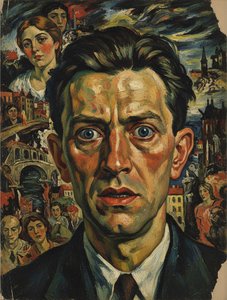
Oskar Kokoschka: A Turbulent Life Painted with Expressionist Intensity
Explore the intense expressionism of Oskar Kokoschka (1886-1980). Discover his psychologically charged portraits, landscapes & 'The Bride of the Wind'. A deep dive into a turbulent life and lasting artistic legacy.

Geometria Sztuki: 10 Arcydzieł Abstrakcji Geometrycznej | OriginalUniqueArt.com
Odkryj 10 arcydzieł abstrakcji geometrycznej! Poznaj historię Mondriana, Kandinskiego i Maleвича. Inspiracje wnętrzarskie z malarstwem abstrakcyjnym – reprodukcje najwyższej jakości na OriginalUniqueArt.com. Eksploruj kolekcję online!
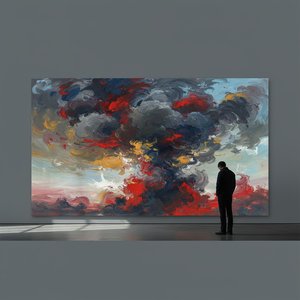
Ekspresjonizm Abstrakcyjny: Emocjonalny Krajobraz Nowojorskiej Awangardy
Poznaj fascynujący świat ekspresjonizmu abstrakcyjnego! Analiza kluczowych artystów, nurtów i wpływu na współczesną sztukę. Ekskluzywne informacje dla kolekcjonerów i miłośników.


