
 Podgląd w skali 1:1
 Wyślij jako kartkę
 Udostępnij
 Szczegóły dzieła
 Przewodnik

 Pobierz obraz
 Podobne obiekty
 RTG
RTG Pokaz slajdów
 Q&A
Q&A Statystyki
Collapse and Rebirth


 Rozwiń treść
Dzieło sztuki prezentowane na tej stronie podlega ochronie prawem autorskim, co oznacza, że nie mamy prawa do tworzenia ani sprzedaży jego identycznej reprodukcji. Ochrona ta jest egzekwowana na mocy umów międzynarodowych, takich jak Konwencja berneńska oraz przez przepisy prawa krajowego, w tym te określone w Prawo autorskie USA – Tytuł 17.
Metoda ta jest w pełni zgodna z przepisami prawa autorskiego, ponieważ nie polega na kopiowaniu ani powielaniu chronionego dzieła. Stanowi ona kreatywną reinterpretację – nowy obraz, który czerpie inspirację z oryginału, ale nie jest z nim tożsamy.
Giclée / Wydruk artystyczny
Wydruki giclée lub płótna o jakości muzealnej, szybka realizacja i szeroki wybór opcji wykończenia. ( Zamów ręcznie malowaną reprodukcję Przejdź do wersji cyfrowej)




P118B zł10

P118H zł10

P118W zł10

P438Z zł10

P508JH zł12

P508YH zł12

P805H zł10

P805Z zł10

P919BZ zł10

P919G zł10

P919XJ zł10

P959ZH zł10

P968JZ zł12

W106C zł8

W218G zł10

W218JH zł8

W218Y zł10

W307PJ zł10

W316G zł10

W316PJ zł8

W316Y zł10

W398PJ zł8

W4111J zł10

W500HY zł15

W500JH zł15

W692G zł12

W849H zł8

W940BG zł15

W953PJ zł8




Wybierz spośród naszych standardowych rozmiarów, które zachowują oryginalne proporcje dzieła sztuki.

Wpisz wymaganą szerokość i wysokość, aby dopasować grafikę do ramy lub ściany. Wydruk można jedynie przyciąć, nigdy nie powiększając go poza oryginalny obraz, dlatego format o innych proporcjach spowoduje utratę części kompozycji. Przed rozpoczęciem druku prześlemy Ci cyfrowy podgląd do zatwierdzenia. Obraz wyświetlany na tej stronie nie pokazuje rzeczywistego przycięcia — jedynie podgląd oddaje ten efekt.
Dostawa na cały świat () w ciągu 2 tygodni zamiast standardowych 4/5 tygodni. (1 Listopad)

Bezpłatna ekspresowa wysyłka na cały świat

Wysokiej jakości płótno lniane

Pełne ubezpieczenie przesyłki

Gwarancja zwrotu należności celnych i podatków importowych

Gwarancja wiernego odwzorowania kolorów

100-dniowa polityka zwrotów (tylko w przypadku wad)

Gwarancja 100% zwrotu pieniędzy

Zniżka przy zakupie wielu sztuk
 Opcja ze szkłem jest dostępna wyłącznie w rozmiarach poniżej 110 cm

Collapse and Rebirth
Giclée / Wydruk artystyczny
Wymiary reprodukcji
-


Cena całkowita
zł 311
Biografia artysty
The Rise of a Street Poet: Betye Saar (1998 – Present)
Betye Saar, born in 1998, represents a fascinating and increasingly vital voice within contemporary American art. Emerging from relative obscurity, her work quickly gained recognition for its potent blend of assemblage, folk art traditions, and sharp social commentary. Saar’s practice isn't simply about creating beautiful objects; it’s an active engagement with history, identity, and the complex realities of race and gender in America. Her journey began not within formal art institutions, but rooted in the vibrant street culture of Los Angeles, a landscape that profoundly shaped her artistic vision. Initially drawn to the raw energy of graffiti and found object art, Saar quickly evolved beyond mere imitation, developing a deeply personal and uniquely powerful style.Early Influences and the Language of Assemblage
Saar’s early work is inextricably linked to the rich traditions of folk art and assemblage. Growing up in Los Angeles, she was immersed in a diverse cultural landscape—a melting pot of Mexican, African American, and Native American influences. This exposure ignited her interest in repurposing discarded materials – bottle caps, tin cans, buttons, and other seemingly insignificant objects – transforming them into evocative symbols and narratives. She draws heavily on the traditions of outsider art, particularly the work of artists like Joseph Cornell and Martín Ramírez, who similarly utilized found objects to construct layered meanings. Saar’s assemblages aren't simply collages; they are carefully constructed dialogues, each element contributing to a larger, often unsettling, story. The use of these humble materials speaks volumes about resourcefulness, resilience, and the ability to find beauty in the overlooked.Exploring Identity and Social Commentary
A defining characteristic of Saar’s work is its unflinching exploration of identity—particularly Black female identity—and its intersection with issues of race, gender, and power. Her pieces frequently confront stereotypes and challenge conventional representations of women within art history. The recurring motif of the skull, often adorned with vibrant colors and found objects, serves as a potent symbol of mortality, resilience, and the enduring spirit of African American culture. Works like “Irony of Negro Policeman” (1981), a striking assemblage incorporating a police badge and a black mask, directly address issues of racial injustice and systemic oppression. Similarly, her series "The Black Madonna" explores themes of spirituality, motherhood, and female empowerment within the context of African American religious traditions. Saar’s art isn't didactic; it invites viewers to confront uncomfortable truths and engage in critical reflection.A Unique Artistic Process: From Street Art to Gallery Walls
Saar’s artistic process is deeply rooted in improvisation and chance. She often begins with a single object or image, allowing its inherent qualities to guide her creative direction. Her studio is a chaotic but organized space filled with an astonishing array of found objects—a testament to her lifelong practice of scavenging and collecting. This intuitive approach contrasts sharply with more traditional artistic methods, resulting in works that feel both spontaneous and meticulously crafted. The influence of street art is undeniable; Saar’s pieces retain a raw energy and immediacy reminiscent of the graffiti artists who first captivated her imagination. However, unlike many street artists, Saar's work quickly transitioned from the streets to gallery walls, gaining critical acclaim and establishing her as a significant contemporary artist.Recognition and Legacy
Betye Saar’s career has experienced a remarkable trajectory in recent years. Her work was featured in a solo exhibition at the Museum of Contemporary Art Los Angeles in 2018, solidifying her position within the art world. Her pieces have been exhibited nationally and internationally, and she has received numerous awards and grants. Notably, a signed typed biography from 1998 (available on eBay) provides valuable insight into her early career aspirations and artistic philosophy. Saar’s work is not merely historical; it continues to resonate with contemporary audiences grappling with issues of social justice, identity politics, and the enduring legacy of American history. Her unique voice—a blend of folk art sensibility, street art energy, and profound social commentary—ensures that Betye Saar will remain a vital and influential figure in the 21st century art landscape.
Oscar Rodriguez
1998 - , Spain
Krótka nota
- Full Name: Jean-Michel Basquiat
- Nationality: American
- Date Of Birth: 1998
- Date Of Death: August 12, 1988
- Place Of Birth: Talavera de la Reina, Spain
- Notable Artworks:
- Irony of Negro Policeman
- Skull of Doom
- Untitled (1982)
- Boy and Dog in a Johnnypump
- Defacement
- Hollywood Africans
- Artistic Movement Or Style: Neo-expressionism
- Artists Who Influenced This Artist:
- Graffiti artists
- Al Diaz
- Artists Or Movements Influenced By This Artist:
- SAMO
- Hip-hop culture
Powiązane artykuły

Sir John Tenniel: A Visual Chronicler of Victorian Society – Caricature, Illustration & Cultural Impact
Explore the life & work of Sir John Tenniel, Victorian England's master illustrator & political cartoonist. Discover his iconic 'Alice in Wonderland' art and lasting impact on satire & visual culture.

Subverting Convention: Banksy's Identity, Art & Socio-Political Impact – A Critical Examination
Explore the complex world of Banksy's art & activism. This critical analysis delves into his identity, impact on the art market, and enduring socio-political relevance for discerning collectors.

Blossoms of Time: A Historical Journey Through Flower Painting
Explore the captivating history of flower painting! Discover Dutch masters, symbolic meanings, & botanical art. Expert insights & high-quality reproductions at OriginalUniqueArt.

Blossoms of Time: A Historical & Aesthetic Exploration of Floral Painting Across Cultures
Explore the rich history of floral painting! Discover symbolism, techniques & masterpieces from Van Huysum to O'Keeffe. Expert insights for art lovers & collectors at OriginalUniqueArt.
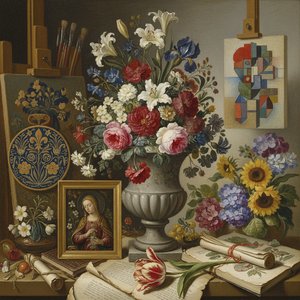
Kwiatowy Symbolizm w Malarstwie Zachodnim: Historyczna Podróż przez Znaczenia i Interpretacje
Odkryj fascynującą historię kwiatowego symbolizmu w malarstwie zachodnim! Poznaj znaczenie roślinnych motywów od starożytności po współczesność. Ekspercka analiza alegorii i interpretacji obrazów.