
 Podgląd w skali
 Wyślij jako kartkę
 Udostępnij
 Szczegóły dzieła

 Pobierz
 Podobne obiekty
 RTG
RTG Pokaz slajdów
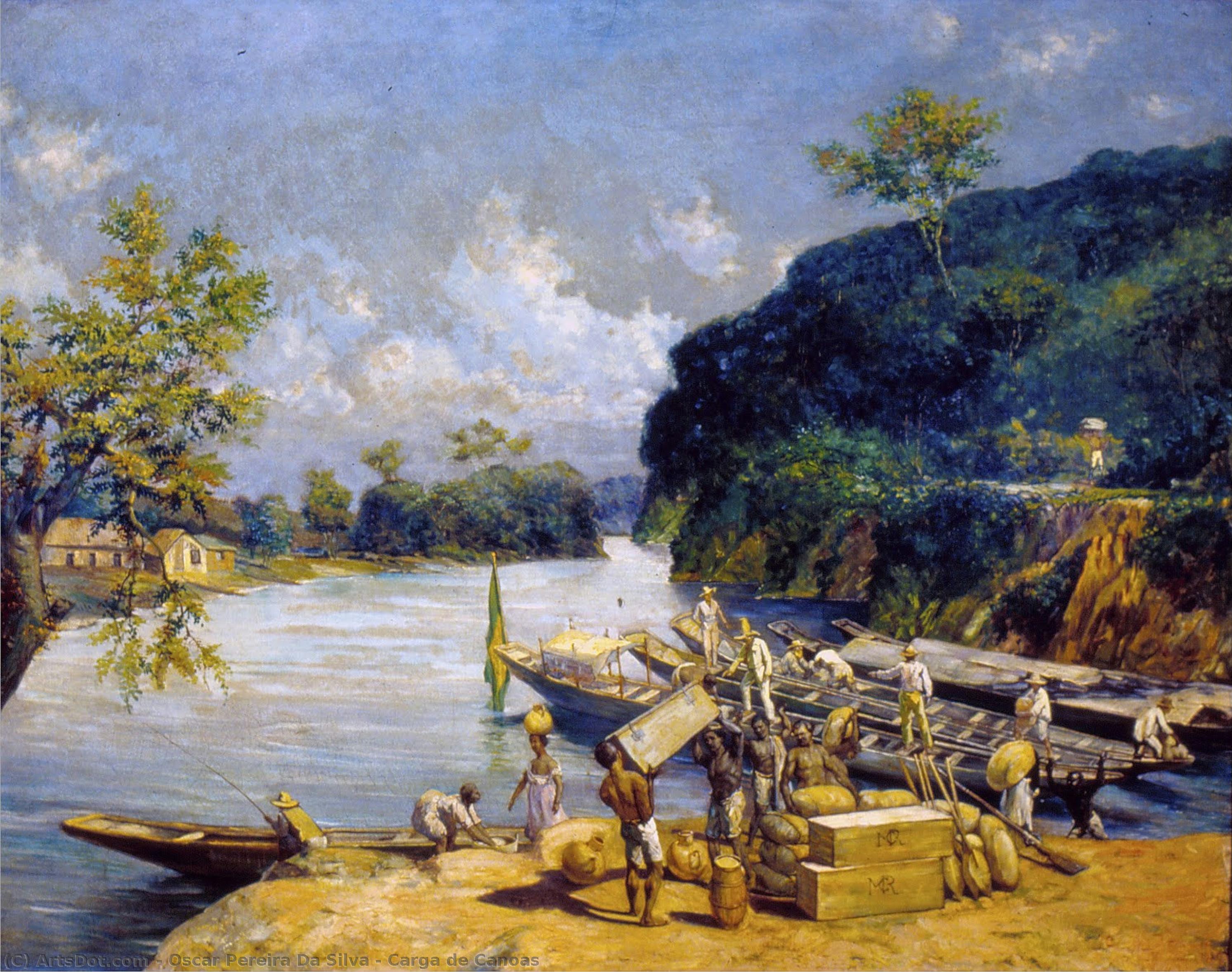
Carga de Canoas
 Oil On Canvas
- WallArt
- Impressionism
 1920
1920- Modern
 100.0 x 140.0 cm
 Instituto Hercule Florence
 Rozwiń treść
Ręcznie malowana reprodukcja olejowa
Ręcznie malowany obraz olejny na płótnie, wykonany na zamówienie przez naszych artystów w wybranym przez Ciebie wymiarze i oprawie. ( Zamów wydruk Kup obraz wysokiej rozdzielczości)




P118B $10

P118H $10

P118W $10

P438Z $10

P508JH $12

P508YH $12

P805H $10

P805Z $10

P919BZ $10

P919G $10

P919XJ $10

P959ZH $10

P968JZ $12

W106C $8

W218G $10

W218JH $8

W218Y $10

W307PJ $10

W316G $10

W316PJ $8

W316Y $10

W398PJ $8

W4111J $10

W500HY $15

W500JH $15

W692G $12

W849H $8

W940BG $15

W953PJ $8




Wybierz spośród naszych standardowych rozmiarów, które zachowują oryginalne proporcje dzieła sztuki.

Możesz wprowadzić własne wymiary, aby dopasować obraz do konkretnej ramy lub przestrzeni. Jeśli wybrany rozmiar nie będzie odpowiadał proporcjom oryginału, przytniecie dzieło sztuki lub rozszerzymy je o dodatkowe elementy, ręcznie domalowane przez artystę. Przed rozpoczęciem produkcji wyślemy projekt cyfrowy do Twojej akceptacji.
Należy pamiętać, że podgląd na ekranie nie odzwierciedla rzeczywistego przycinania ani rozszerzania obrazu. Tylko projekt dokładnie pokaże ostateczną kompozycję.
Choć oferujemy możliwość zamówienia niestandardowych rozmiarów, zalecamy wybór wymiaru z gotowej listy, aby zachować oryginalne proporcje dzieła.
Po złożeniu zamówienia zespół OriginalUniqueArt.com skontaktuje się z klientem drogą mailową w celu uzyskania instrukcji i prześle wizualizację projektu
Dostawa na całym świecie () w ciągu 3–4 tygodni zamiast standardowych 5 tygodni. (18 Sierpień). Bez kompromisów w kwestii jakości.

Bezpłatna ekspresowa wysyłka na cały świat

Wysokiej jakości płótno lniane

Pełne ubezpieczenie przesyłki

Gwarancja zwrotu należności celnych i podatków importowych

Gwarancja wiernego odwzorowania kolorów

Polityka 60-dniowego zwrotu (tylko w przypadku wad)

Gwarancja 100% zwrotu kosztów

Zniżka przy zamówieniu wielu produktów
 Opcja ze szkłem jest dostępna wyłącznie w rozmiarach poniżej 110 cm

Carga de Canoas
Technika reprodukcji
Wymiary reprodukcji
-


Cena całkowita
$ 300
Opis dzieła
A Symphony of Riverine Life
In the luminous masterpiece Carga de Canoas, the viewer is transported to a sun-drenched era of Brazilian commerce and tranquility. Painted in 1920 by the esteemed Oscar Pereira da Silva, this work captures a bustling moment along a riverbank where the rhythm of human industry meets the serene pulse of nature. The scene unfolds with an inviting warmth, as several boats, or canoes, are moored along the water's edge, their hulls heavy with the diverse goods of a thriving trade. Through loose, impressionistic brushstrokes, the artist breathes life into the movement of the figures engaged in their daily labors, suggesting a world where every task is performed in harmony with the flowing currents of the river.
The composition is a masterclass in atmospheric depth and color theory. The foreground vibrates with the earthy tones of the riverbank and the textured details of the moored vessels, drawing the eye into the heart of the activity. As the gaze wanders toward the middle ground, the water transforms into a mirror of the heavens, reflecting a clear, tranquil blue sky that promises a day of endless light. This transition from the tactile, busy foreground to the expansive, calm river creates a sense of profound peace. On the distant shore, lush greenery and the silhouettes of small settlements emerge through a soft haze, reminding us of the delicate balance between human expansion and the enduring majesty of the Brazilian landscape.
Technique and the Impressionist Spirit
Oscar Pereira da Silva utilizes an impressionistic approach that prioritizes the sensation of light and movement over rigid anatomical or architectural precision. This technique is particularly effective in Carga de Canoas, as it allows the sunlight to appear as if it is dancing across the surface of the water and illuminating the textures of the cargo. The palette is dominated by warm, golden hues that evoke a sense of nostalgia and vitality, making the painting feel less like a static historical record and and more like a living, breathing memory. For the discerning collector or interior designer, this piece offers a remarkable ability to inject warmth and a sense of "place" into any room, acting as a window into a peaceful, bygone era.
Beyond its aesthetic beauty, the painting serves as a poignant historical document of early 20th-century Brazil. It reflects a period of transition, capturing the essence of a nation finding its identity through its landscapes and its people. The rolling hills in the background, dotted with vegetation under a vast, cloud-streaked sky, symbolize the infinite potential of the land. To possess a reproduction of this work is to hold a fragment of Brazilian heritage—a piece that does not merely decorate a wall but tells a story of resilience, trade, and the eternal beauty of the natural world.
O artyście
A Brushstroke Across Brazilian History: The Life and Art of Oscar Pereira da Silva
Oscar Pereira da Silva, born in the small Brazilian town of São Fidélis in 1867, emerged as a pivotal figure in the nation’s artistic landscape. His life unfolded across a period of significant transformation for Brazil, from the waning days of the Empire to the burgeoning Republic, and his art served as both a reflection of these changes and a deliberate engagement with historical narrative. From an early age, a passion for drawing ignited within him, leading him to enroll at the Imperial Academy of Fine Arts in 1882. There, under the tutelage of esteemed artists like Eliseu Visconti, Eduardo Sá, and João Batista da Costa, he honed his skills, laying the foundation for a career that would span decades and leave an indelible mark on Brazilian art. His academic training instilled within him a reverence for classical techniques – composition, anatomy, light and shadow – that allowed him to articulate his own artistic vision, moving beyond mere replication towards a sophisticated understanding of visual language.From Parisian Salons to São Paulo’s Artistic Heart
Pereira da Silva's ambition extended far beyond the confines of Brazil. In 1889, he embarked on a journey to Paris, securing a coveted scholarship funded by Emperor Pedro II. This period at the École des Beaux-Arts proved transformative, placing him within the orbit of influential masters like Jean-Léon Gérôme and Léon Bonnat. While many of his contemporaries embraced the avant-garde movements sweeping through Europe – Impressionism, Post-Impressionism, even nascent Cubism – Pereira da Silva remained steadfast in his commitment to a more traditional aesthetic. He didn’t reject innovation outright; rather, he carefully selected and adapted established techniques, integrating them into his own artistic vocabulary. This deliberate choice reveals a nuanced approach: a respect for the past tempered by an awareness of contemporary trends. Upon returning to Brazil in 1896, he settled in São Paulo, quickly becoming a central figure in the city’s burgeoning art scene – a hub of cultural activity and intellectual ferment. He not only practiced his art but also dedicated himself to education, establishing studios and offering instruction at institutions like the São Paulo School of Arts and Crafts, nurturing future generations of Brazilian artists. This commitment to pedagogy underscores his belief in the importance of artistic training and the preservation of classical foundations.Themes of Nationhood and Artistic Style
Pereira da Silva’s oeuvre is remarkably diverse, encompassing historical paintings, portraits, religious scenes, genre works, still lifes, and landscapes. However, a recurring theme throughout his career is the exploration of Brazilian history and identity – a subject deeply intertwined with the evolving political landscape of his nation. As nationalist sentiments gained momentum in Brazil during the early 20th century, he responded with grand-scale historical compositions such as *O Desembarque de Cabral em Porto Seguro* (The Landing of Cabral at Porto Seguro) and *Fundação de São Paulo* (The Foundation of São Paulo). These works weren’t simply illustrations of past events; they were carefully constructed narratives designed to evoke a sense of national pride, collective memory, and the heroic qualities associated with Brazil's founding. He meticulously researched historical accounts, consulted with scholars, and employed a deliberate visual strategy – often utilizing dramatic lighting, dynamic compositions, and idealized figures – to convey his intended message. Beyond his monumental historical paintings, Pereira da Silva excelled in portraiture, capturing the likenesses of prominent figures within São Paulo society – politicians, industrialists, intellectuals, and members of the elite. His portraits are characterized by their meticulous detail, psychological insight, and elegant compositions; he sought not merely to reproduce a physical resemblance but to reveal the character and personality of his subjects. He also produced numerous religious works, often commissioned for churches and chapels throughout São Paulo and its surrounding areas, showcasing his mastery of composition, color theory, and the depiction of human emotion within sacred contexts. Notably, Pereira da Silva deliberately eschewed the incorporation of overtly “Brazilian” folk traditions – vibrant colors, stylized figures, or symbolic motifs associated with indigenous culture – into his art. Instead, he opted for an “antique style,” drawing inspiration from European masters such as Ingres and David, creating a visual language that was both formally sophisticated and distinctly Brazilian in its subject matter. This stylistic choice has been the subject of ongoing debate among art historians; some criticize it as being overly academic and detached from Brazil’s cultural realities, arguing that it prioritized technical proficiency over genuine expression of national identity. Others praise it for its impeccable craftsmanship, its adherence to classical principles, and its ability to elevate Brazilian history through a refined artistic lens.Major Achievements and Recognition
Throughout his long career, Oscar Pereira da Silva achieved considerable recognition both within Brazil and internationally. His works were exhibited at major salons in Paris, Buenos Aires, and Rio de Janeiro, attracting critical acclaim and establishing him as one of the leading artists of his generation. He received numerous awards and honors, including the prestigious Medalha Chico Mendes from the State of São Paulo for his contributions to Brazilian art. Perhaps most significantly, Pereira da Silva’s paintings are now permanently housed in two of Brazil's most important museums: the Pinacoteca do Estado de São Paulo and the Museu do Ipiranga, ensuring that his legacy will continue to inspire and educate generations of art lovers. His work stands as a testament to the power of art to shape national narratives, preserve historical memory, and celebrate the beauty and complexity of Brazilian culture.Legacy and Enduring Influence
Oscar Pereira da Silva passed away in São Paulo in 1939, leaving behind a rich legacy that continues to resonate within Brazilian art history. His works are prominently displayed at the Pinacoteca do Estado de São Paulo and the Museu do Ipiranga, offering visitors a comprehensive overview of his artistic achievements. While his deliberate rejection of overtly “Brazilian” themes may have drawn criticism from some quarters, his technical skill, compositional mastery, and dedication to historical narrative cannot be denied. He represents a fascinating intersection of European academic tradition and Brazilian national identity, embodying the complexities and contradictions of a nation grappling with its own cultural formation. His influence can be seen in the work of subsequent generations of Brazilian artists who sought to balance artistic innovation with respect for established techniques – a dialogue that continues to shape the trajectory of Brazilian art today. Pereira da Silva’s art serves as a powerful reminder that history is not merely a collection of facts, but a living narrative constantly being reinterpreted and reimagined through the eyes of artists. His paintings invite us to contemplate Brazil's past, present, and future, prompting us to reflect on our own place within the grand sweep of time.
Oscar Pereira da Silva
1867 - 1939 , Brazylia
Krótka nota
- Artistic Movement Or Style: Antique Styl
- Artists Or Movements Influenced By This Artist: ['Belle Époque']
- Artists Who Influenced This Artist:
- Jean-Léon Gérôme
- Eduardo Sà,
- Jo㺠Batista da Costa
- Date Of Birth: 1867
- Full Name: Oscar Pereira da Silva
- Nationality: Brazylijski
- Notable Artworks:
- Escrava Romana
- Fundação de São Paulo
- Place Of Birth: São Fidélis, Brazylia
Powiązane artykuły
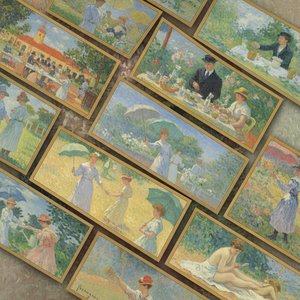
Pierre-Auguste Renoir: 25 Arcydzieł Pełnych Światła i Uroków | OriginalUniqueArt.com
Odkryj 25 najpiękniejszych obrazów Pierre’a-Auguste Renoir! Poznaj historię impresjonizmu, światło w jego malarstwie i arcydzieła takie jak 'Taniec w Le Moulin de la Galette'. Reprodukcje najwyższej jakości na OriginalUniqueArt.com – inspiracje dla Twojego wnętrza.
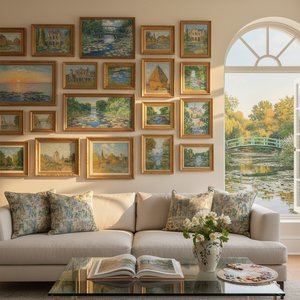
Claude Monet: 25 Najlepszych Arcydzieł Impresjonizmu | Reprodukcje Obrazów Online
Odkryj 25 najpiękniejszych arcydzieł Claude Moneta – impresjonistycznych pejzaży, nymfeii i słonecznych krajobrazów. Poznaj historię sztuki i zainspiruj się do dekoracji wnętrz z OriginalUniqueArt.com! Eksploruj pełną kolekcję online.

10 Arcydzieł Impresjonizmu Krajobrazowego: Sztuka, Artyści i Dekoracje Wnetrz
Odkryj 10 arcydzieł impresjonizmu krajobrazowego! Poznaj historie Monet, Renoir i innych mistrzów. Inspiracje wnętrzarskie, techniki malarskie i reprodukcje obrazów najwyższej jakości na OriginalUniqueArt.com. Eksploruj pełną kolekcję online!

Impressionistic Realism's Finest: 10 Masterpieces for Your Home | OriginalUniqueArt
Journey through Impressionistic Realism with 10 iconic masterpieces by Monet, Renoir & Van Gogh. Explore art history, techniques & find museum-quality reproductions for your home at OriginalUniqueArt.com. Discover all masterpieces online!

10 Arcydzieł Impresjonizmu Krajobrazowego, Które Zdefiniowały Sztukę
Odkryj 10 arcydzieł impresjonizmu krajobrazowego! Poznaj historie Moneta, Renoir'a i Van Gogha. Inspiracje wnętrzarskie, techniki malarskie i piękne reprodukcje obrazów na OriginalUniqueArt.com. Eksploruj kolekcję online!



