
 Podgląd w skali 1:1
 Wyślij jako kartkę
 Udostępnij
 Szczegóły dzieła
 Przewodnik

 Pobierz obraz
 Podobne obiekty
 RTG
RTG Pokaz slajdów
 Pytania i odpowiedzi
 Statystyki
Osage Treaties


 Rozwiń treść
Dzieło sztuki prezentowane na tej stronie podlega ochronie prawem autorskim, co oznacza, że nie mamy prawa do tworzenia ani sprzedaży jego identycznej reprodukcji. Ochrona ta jest egzekwowana na mocy umów międzynarodowych, takich jak Konwencja berneńska oraz przez przepisy prawa krajowego, w tym te określone w Prawo autorskie USA – Tytuł 17.
Metoda ta jest w pełni zgodna z przepisami prawa autorskiego, ponieważ nie polega na kopiowaniu ani powielaniu chronionego dzieła. Stanowi ona kreatywną reinterpretację – nowy obraz, który czerpie inspirację z oryginału, ale nie jest z nim tożsamy.
Giclée / Wydruk artystyczny
Wydruki giclée lub płótna o jakości muzealnej, szybka realizacja i szeroki wybór opcji wykończenia. ( Zamów ręcznie malowaną reprodukcję Przejdź do wersji cyfrowej)




P118B zł10

P118H zł10

P118W zł10

P438Z zł10

P508JH zł12

P508YH zł12

P805H zł10

P805Z zł10

P919BZ zł10

P919G zł10

P919XJ zł10

P959ZH zł10

P968JZ zł12

W106C zł8

W218G zł10

W218JH zł8

W218Y zł10

W307PJ zł10

W316G zł10

W316PJ zł8

W316Y zł10

W398PJ zł8

W4111J zł10

W500HY zł15

W500JH zł15

W692G zł12

W849H zł8

W940BG zł15

W953PJ zł8




Wybierz spośród naszych standardowych rozmiarów, które zachowują oryginalne proporcje dzieła sztuki.

Wpisz wymaganą szerokość i wysokość, aby dopasować grafikę do ramy lub ściany. Wydruk można jedynie przyciąć, nigdy nie powiększając go poza oryginalny obraz, dlatego format o innych proporcjach spowoduje utratę części kompozycji. Przed rozpoczęciem druku prześlemy Ci cyfrowy podgląd do zatwierdzenia. Obraz wyświetlany na tej stronie nie pokazuje rzeczywistego przycięcia — jedynie podgląd oddaje ten efekt.
Dostawa na cały świat () w ciągu 2 tygodni zamiast standardowych 4/5 tygodni. (6 Listopad)

Bezpłatna ekspresowa wysyłka na cały świat

Wysokiej jakości płótno lniane

Pełne ubezpieczenie przesyłki

Gwarancja zwrotu należności celnych i podatków importowych

Gwarancja wiernego odwzorowania kolorów

100-dniowa polityka zwrotów (tylko w przypadku wad)

Gwarancja 100% zwrotu pieniędzy

Zniżka przy zakupie wielu sztuk
 Opcja ze szkłem jest dostępna wyłącznie w rozmiarach poniżej 110 cm

Osage Treaties
Giclée / Wydruk artystyczny
Wymiary reprodukcji
-


Cena całkowita
zł 317
A Tapestry of Heritage: The Soul of Osage Treaties
In the quiet, evocative strokes of Olive Rush’s 1938 masterpiece, Osage Treaties, we are transported to a pivotal moment of cultural intersection and communal gathering. This mural-style painting serves as more than just a visual record; it is a window into a profound historical dialogue. The scene unfolds with a sense of solemnity and shared purpose, depicting a group of individuals gathered within a Native American setting that feels both grounded in the earth and elevated by spirit. As the eye wanders across the canvas, one encounters the rhythmic presence of men standing in quiet solidarity, some adorned in the formal attire of the era, others seated in contemplative repose. The inclusion of horses—stately figures positioned with careful balance—anchors the composition to the landscape, symbolizing the vital bond between the people and the natural world that sustained them.
The technique employed by Rush reflects her sophisticated training at the Art Students League and her deep immersion in the muralist traditions of the New Deal era. There is a deliberate, almost sculptural quality to the figures, a characteristic of her work that bridges the gap between fine art illustration and large-scale public storytelling. The brushwork, while maintaining a sense of softness, possesses a structural integrity that gives weight to every character and creature depicted. A subtle, watchful presence—a bird perched near the upper periphery—adds a layer of quiet observation, suggesting that even in moments of human negotiation and treaty-making, the natural world remains an eternal witness to the unfolding of history.
Historical Resonance and Artistic Legacy
To understand Osage Treaties is to understand the transformative journey of Olive Rush herself. Moving from the bustling studios of New York and the academic halls of Europe to the sun-drenched landscapes of Santa Fe, Rush became a vital conduit for the preservation and promotion of Native American artistry. This piece, created during the height of her muralist career, embodies the spirit of the Treasury Department’s Section of Painting and Sculpture, an initiative that sought to bring high art to the American public through post offices and civic spaces. The painting captures the tension and the hope inherent in the concept of a treaty—a moment where diplomacy meets tradition.
For the discerning collector or interior designer, this artwork offers a profound emotional depth that transcends mere decoration. It is a piece that invites conversation, acting as a centerpiece of cultural storytelling within a sophisticated living space or a curated gallery. The muted, earthy palette and the dignified composition provide a sense of timelessness, making it an ideal selection for those looking to infuse their environment with themes of heritage, peace, and the enduring strength of community. Owning a reproduction of such a significant work is an opportunity to preserve a fragment of American history, celebrating a legacy of artistic collaboration and the unbreakable threads that bind different worlds together.
Pytania i odpowiedzi
Co łączy "Osage Treaties" z resztą twórczości Olive Rush Olive?
"Osage Treaties" wpisuje się w nurt American Regionalism w twórczości Olive Rush Olive, której charakterystyczne motywy obejmują native american culture, wpa mural tradition, southwest landscape influence, community and treaty themes, new deal era art.
W jaki sposób "Osage Treaties" balansuje światło i cień?
Zarejestrowane wartości dla „Osage Treaties” – Olive Rush Olive to: jasność bright, luminancja Gentle Luminance.
Jakie wnętrze najlepiej współgra z kolorystyką „Osage Treaties” – Olive Rush Olive?
Kolorystyka Neutrals w dziele „Osage Treaties” – Olive Rush Olive idealnie współgra z rekomendowanym wnętrzem: Living Room.
Biografia artysty
Early Life and Education
- Born: June 10, 1873, near Fairmount, Indiana
- Died: August 20, 1966, Santa Fe, New Mexico
- Family Background: Olive Rush was the fourth of six children born to Nixon and Louisa Rush, Quaker farmers in Grant County, Indiana.
- Early Interests: She began keeping diaries at age 13, documenting her life, studies, and experiences.
- Education: Attended Earlham College; studied at the Corcoran Gallery of Art and the Art Students League before becoming an illustrator in New York.
Career Development and Artistic Style
- Early Career (Illustration): Worked as a staff artist for the New York Tribune, illustrating books and magazines like St. Nicholas and Woman's Home Companion.
- European Studies: Studied with Richard Miller in Paris and later at the Boston Museum School.
- Move to New Mexico (1920): A pivotal moment, leading her to prioritize her own art over commercial work. Established a studio on Canyon Road in Santa Fe.
- Artistic Style: Her style evolved from illustrative realism to incorporate elements of the Southwest landscape and Native American culture. She worked in various media including oil painting, fresco, and tempera.
- Notable Works: Osage Treaties (mural for Pawhuska Post Office), The Library Reaches the People (fresco at Santa Fe Public Library).
WPA Murals and Recognition
- Works Progress Administration (WPA): Commissioned to paint murals as part of the New Deal's Section of Painting and Sculpture.
- Mural Projects: Created murals for post offices, libraries, and other public buildings in Oklahoma, Colorado, and New Mexico. These works often depicted uplifting subjects and celebrated American life.
- Recognition: Retrospective exhibition at the Museum of New Mexico Art Gallery in 1957.
- Honorary Doctorate: Received an honorary Doctorate in Fine Arts from Earlham College in 1947.
Influence and Legacy
- Pioneer in Native American Art Education: Played a significant role in promoting Native American art and artists, overseeing mural projects at the Santa Fe Indian School.
- First Professional Female Artist in Santa Fe: Established herself as a prominent figure in the early Santa Fe art colony.
- Quaker Values: Her Quaker upbringing influenced her life and work, emphasizing social responsibility and community engagement.
- Olive Rush Studio: The historic house and studio on Canyon Road, now owned by the Historic Santa Fe Foundation, stands as a testament to her legacy and contributions to the art world and the Santa Fe community.
Collections and Further Information
- Museums Holding Her Work: Brooklyn Museum of New York City, Haan Mansion Museum of Indiana Art, Indianapolis Museum of Art, Smithsonian American Art Museum.
- Archives: A Finding Aid to the Olive Rush papers (1879-1967) is available at the Archives of American Art, Smithsonian Institution.
- Online Resources: Medicine Man Gallery and Historic Santa Fe Foundation websites provide biographical information and insights into her life and work.

Olive Rush Olive
1873 - 1966 , United States of America
Krótka nota
- Full Name: olive rush olive
- Nationality: American
- Date Of Birth: 1873
- Date Of Death: 1966
- Place Of Birth: Fairmount, United States of America
- Notable Artworks:
- Osage Treaties
- Library Reaches the People
- Artistic Movement Or Style: Muralism, Illustration
Powiązane artykuły

Rewolucja we Wnętrzach: Murale w Kuchni i Łazience – Nowy Trend dla Hotelarzy
Odkryj rewolucję we wnętrzach hoteli! Eksperckie porady o muralach w kuchni i łazience – inspiracje, trwałe materiały i unikalny design. Stwórz niezapomniany klimat dla gości.
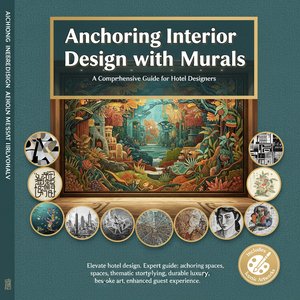
Projektowanie Hoteli z Muralami: Kompleksowy Przewodnik dla Profesjonalistów
Kompleksowy przewodnik po wykorzystaniu murali w projektowaniu hoteli. Inspiracje, porady ekspertów i studia przypadków. Stwórz unikalny wystrój i wzmocnij branding hotelu!
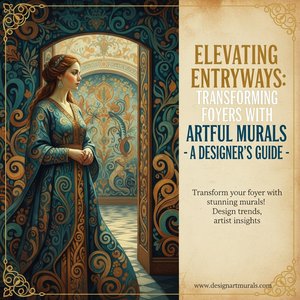
Przebudzenie Przedsionka: Transformacja Holów z Użyciem Artystycznych Murali – Przewodnik Projektanta
Przewodnik dla projektantów hoteli o transformacji holu za pomocą murali. Inspiracje, techniki, case studies i porady ekspertów. Stwórz niezapomniane pierwsze wrażenie!

Od scenerii dżungli po geometryczne złoto: przewodnik po najpopularniejszych stylach murali we współczesnym designie
Odkryj najnowsze trendy w projektowaniu murali hotelowych! Ekspercki przewodnik po stylach, kolorach i technikach. Stwórz unikalny design wnętrz z naszym wsparciem.
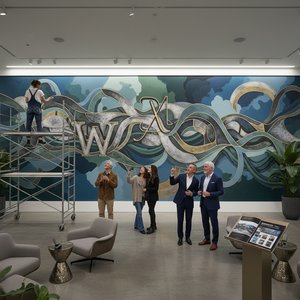
Przemiana Przestrzeni: Jak Murale Kształtują Tożsamość Marki i Doświadczenia Klientów
Odkryj, jak unikalne murale wzmacniają tożsamość marki hotelu i tworzą niezapomniane wrażenia dla gości. Eksperckie porady i inspiracje od .