
 Podgląd w skali 1:1
 Wyślij jako kartkę
 Udostępnij
 Szczegóły dzieła
 Przewodnik

 Pobierz obraz
 Podobne obiekty
 RTG
RTG Pokaz slajdów
 Pytania i odpowiedzi
 Statystyki
Bear hunting

- 107.0 x 57.0 cm


 Rozwiń treść
Otrzymaj plik gotowy do druku, którego jakość znacznie przewyższa podgląd internetowy. Każdy sprzedawany przez nas obraz cyfrowy pochodzi z wysokorozdzielczego pliku wzorcowego w naszej bazie — zazwyczaj o szerokości od 5 000 do 15 000 pikseli — dzięki czemu możesz drukować w dużym formacie, mocno kadrować lub z pełnym przekonaniem odwzorowywać najdrobniejsze detale.
Żaden plik nie opuszcza naszego studia bez odpowiedniej obróbki. Ekspert ds. cyfrowej edycji sprawdza zgodność kolorów z oryginałem i w razie potrzeby je koryguje, a następnie za pomocą profesjonalnych narzędzi do retuszu poprawia ostrość oraz szczegółowość — zawsze zachowując wierność pociągnięciom pędzla i stylowi artysty. Rezultatem jest obraz, który wygląda jak prawdziwe dzieło, a nie jak przefiltrowany skan.
Zatwierdzasz przed finalizacją zamówienia: nasz ekspert prześle obraz drogą mailową w ciągu 72 godzin do Twojego wglądu. Nie jesteś zadowolony? Poproś o poprawki lub korektę, bądź o zwrot kosztów, jeśli jakość nie spełnia oczekiwań.
To jakość, na której polegają wydawcy, studia projektowe, galerie oraz drukarnie.
Obraz cyfrowy
Pobierz plik o wysokiej rozdzielczości do osobistego użytku, druku oraz projektów kreatywnych. ( Przełącz na wydania drukowane Zamów ręcznie malowaną reprodukcję)
W każdym zamówieniu na obraz cyfrowy znajduje się
Profesjonalna dostawa cyfrowa z gwarancją
Wybierając OriginalUniqueArt.com, nie otrzymujesz jedynie obrazu – otrzymujesz profesjonalnie udoskonalone cyfrowe dzieło sztuki, stworzone z najwyższą precyzją i objęte gwarancją satysfakcji. Oto wszystko, co automatycznie dołączane jest do Twojego zamówienia:

Błyskawiczna wysyłka e-mailowa
Plik z obrazem cyfrowym w wysokiej rozdzielczości zostanie przesłany na Twój adres e-mail w ciągu 72 godzin od złożenia zamówienia – gotowy do natychmiastowego użycia.

Plik cyfrowy wzbogacony przez AI
Twoja grafika została profesjonalnie zoptymalizowana przy użyciu zaawansowanych narzędzi AI oraz ręcznej edycji, co zapewnia maksymalną szczegółowość, klarowność i wierność kolorów.

Darmowe ponowne przesyłki dożywotnio
Przypadkowo usunąłeś lub zgubiłeś swój plik? Bez obaw – prześlemy go Tobie ponownie w dowolnym momencie, bez żadnych opłat.

Bez opłat importowych – zawsze
Ciesz się swoją sztuką natychmiast, bez żadnych opłat celnych, należności ani kosztów dostawy – pliki cyfrowe są zawsze wolne od podatku.

Gwarancja wierności kolorów
Dzięki zastosowaniu profesjonalnych narzędzi i procesów zarządzania barwą zapewniamy, że Twoje cyfrowe zdjęcie odzwierciedla oryginalne kolory tak wiernie, jak to tylko możliwe.

Gwarancja satysfakcji przez 100 dni
Jeśli nie będziesz zadowolony ze swojego cyfrowego obrazu, dokonamy jego poprawki lub zwrócimy 100% kosztów w ciągu 100 dni – bez zbędnych pytań.

100% Gwarancja zwrotu pieniędzy
Nie jesteś zadowolony? Otrzymaj pełny zwrot kosztów w ciągu 100 dni od otrzymania pliku cyfrowego – bez zbędnych pytań.

Rabaty przy zamówieniach hurtowych
Kup 3 obrazy, oszczędź 10% - Kup 5, oszczędź 15% - Kup 10+, oszczędź 20%. Idealne do projektów kreatywnych, galerii i agencji.
A Savage Symphony in Oilcloth: Niko Pirosmani’s “Bear Hunting”
Niko Pirosmani, a largely forgotten titan of Georgian art, possessed an extraordinary ability to distill the essence of rural life and primal emotion onto humble oilcloth canvases. His work, often dismissed as naive or primitive during his lifetime, now stands as a testament to raw honesty and a uniquely captivating vision. “Bear Hunting,” painted in the 1890s, is arguably Pirosmani’s most dramatic and compelling piece – a visceral depiction of a hunting expedition that transcends mere representation, plunging the viewer directly into the heart of Georgian wilderness and the brutal beauty of its traditions.
The scene unfolds within a dense, almost claustrophobic forest. A group of French chasseurs, clad in meticulously rendered uniforms of dark blue and brown, pursue a colossal bison – an animal rendered with astonishing power and scale. The composition is deliberately chaotic; figures are crammed together, limbs tangle, and the bison dominates the frame, its immense form dwarfing the hunters below. Pirosmani eschews traditional perspective, favoring instead a flattened, frontal approach that intensifies the drama and immediacy of the action. Lines are bold and directional, guiding the eye relentlessly across the canvas, mirroring the hunters’ desperate pursuit.
The Primitivist Palette: Color and Texture
Pirosmani's distinctive style is immediately recognizable through his masterful use of color and texture. He employs a restricted palette dominated by deep greens, earthy browns, and muted blues – colors that evoke the dampness and shadow of the forest floor. These somber tones are punctuated by flashes of brighter hues—the crimson of blood (implied), the ochre of the bison’s hide, and the occasional splash of yellow or white to highlight key figures. Crucially, Pirosmani worked on oilcloth, a readily available and inexpensive material in Georgia, which lends his paintings a unique tactile quality. The thick, impasto brushstrokes are visible throughout the composition, creating a palpable sense of physicality – you can almost feel the roughness of the bark beneath your fingers and the weight of the hunters’ clothing.
The technique itself is deliberately rough-hewn, reflecting Pirosmani's lack of formal training. He eschewed meticulous detail in favor of capturing the *feeling* of the scene – the tension, the urgency, the raw energy of the hunt. This approach aligns perfectly with the principles of Primitivism, a movement that sought to strip away academic conventions and return to a more direct, emotionally charged form of expression.
Symbolism of the Hunt: Power, Tradition, and Mortality
“Bear Hunting” is far more than just a depiction of a hunting scene; it’s laden with symbolic meaning. The hunt itself represents power, control, and the enduring traditions of Georgian rural life. For centuries, hunting had been a vital part of the region's economy and culture, providing sustenance and reinforcing social hierarchies. However, Pirosmani doesn’t glorify this activity. Instead, he presents it with a stark realism that acknowledges its inherent violence and potential for destruction.
The massive bison, a symbol of strength and wildness, embodies the forces of nature that the hunters seek to subdue. The implied bloodshed – hinted at through subtle color choices—underscores the cost of this conquest. Furthermore, Pirosmani’s unflinching portrayal of human figures engaged in such a brutal act raises questions about humanity's relationship with the natural world and the consequences of unchecked ambition. The painting subtly evokes themes of mortality and the fleeting nature of life, mirroring the precariousness of both hunter and hunted.
A Window into Georgian Soul: Pirosmani’s Legacy
Niko Pirosmani's work offers a rare glimpse into the soul of Georgia in the late 19th century. His paintings are not merely aesthetically pleasing; they are windows into a world of hardship, resilience, and profound connection to the land. Rediscovered in the mid-20th century, Pirosmani’s art has since gained international recognition as a cornerstone of Georgian primitivism and a powerful example of outsider art. Reproductions of “Bear Hunting” – available through OriginalUniqueArt – allow us to experience this extraordinary vision firsthand, inviting us to contemplate the enduring power of raw emotion and the timeless beauty of the Georgian landscape.
Pytania i odpowiedzi
Jaka jest technika i wymiary dzieła „Bear hunting” – Ніко Піросмані?
"Bear hunting" powstało przy użyciu Oil On Canvas i w swojej oryginalnej formie ma wymiary 107 x 57 cm.
Jaki rozmiar wydruku "Bear hunting" będzie odpowiedni do mojego pokoju?
Dla Living Room zalecany rozmiar wydruku dzieła „Bear hunting” – Ніко Піросмані to Large.
Co łączy "Bear hunting" z resztą twórczości Ніко Піросмані?
"Bear hunting" dzieli z innymi dziełami Ніко Піросмані styl właściwy dla Primitivism oraz powracające motywy: european realism influence, georgian rural life depiction, power & nature conflict, hunter's instincts shown, pirosmani's primitive style, iconic georgian portraiture, early 20th century vision, unique artistic voice.
Biografia artysty
Early Life and Artistic Beginnings
Niko Pirosmani, a name now synonymous with Georgian primitivism, was born in 1862 in the small village of Mirzaani, nestled within the Kakheti province of Georgia. His origins were humble; his parents, Aslan Pirosmanashvili and Tekle Toklikishvili, were farmers who cultivated a modest vineyard – their livelihood centered around the land. Tragedy struck early in Niko’s life: orphaned at a young age, he was entrusted to the care of his two elder sisters, Mariam and Pepe. This formative experience, marked by loss and dependence, undoubtedly shaped his artistic vision, imbuing it with a poignant sense of solitude and resilience. He moved to Tbilisi, the capital city, in 1870, seeking opportunities beyond the confines of his rural upbringing. There, he found work as a servant within wealthy households, an experience that exposed him to Georgian and Russian languages, laying the groundwork for his later artistic endeavors. It was during this period, amidst the bustling streets and grand estates of Tbilisi, that Pirosmani began his journey into the world of art – a path forged entirely through self-taught dedication.Artistic Style and Recurring Themes
Pirosmani’s distinctive style is immediately recognizable as a cornerstone of Georgian primitivism. His paintings are characterized by an intensely naive approach, a directness of expression that bypasses conventional artistic techniques. He primarily worked on oilcloth – a relatively inexpensive material – creating textured surfaces that contribute significantly to the raw emotional impact of his work. His compositions often feature figures placed prominently in the foreground, drawing the viewer directly into the scene with an almost confrontational intensity. Unlike many artists who sought inspiration in urban landscapes or historical narratives, Pirosmani’s gaze remained firmly fixed on the everyday realities of Georgian rural life – a world of farmers, peasants, and simple rituals. His paintings are imbued with a deep reverence for nature and the rhythms of agricultural existence, rarely venturing into the realm of cityscapes or grand allegories. Recurring motifs include depictions of women engaged in domestic tasks, animals—particularly deer and stags—and scenes of rural festivals and celebrations. These images, rendered with bold colors and simplified forms, offer a powerful glimpse into the soul of Georgian culture during Pirosmani’s lifetime.Notable Works and Recognition
Among Pirosmani's most celebrated works are several paintings that have secured his place in art history. “Musha with a Wineskin” (1890) is perhaps his most iconic image, capturing the essence of Georgian hospitality and rural simplicity. “Georgian Wedding” (circa 1894-1896), a vibrant depiction of a traditional wedding ceremony, showcases Pirosmani’s ability to convey both joy and solemnity. A particularly intriguing portrait, “Portrait of Zhdanevich” (1897), depicts the Russian poet Mikhail Lermontov, commissioned by Kirill and Ilia Zdanevich – prominent figures in Georgian intellectual circles. This work gained considerable attention within Russia, solidifying Pirosmani’s reputation as a talented artist. These paintings, along with numerous others, were exhibited at prestigious venues such as the Museum of Regional Art in Ryazan (Russia) and the Lugansk Regional Art Museum (Ukraine), further cementing his place on the map of primitivist art.Posthumous Legacy and Enduring Influence
Despite facing considerable hardship throughout his life – marked by poverty and a lack of formal recognition – Niko Pirosmani’s legacy has blossomed dramatically in the decades following his death in 1918, during the devastating Spanish flu pandemic. His work was initially appreciated primarily within Georgia, but it gained international acclaim after the first major exhibition of Georgian painters took place in 1918. Today, his paintings are proudly displayed at the Art Museum of Georgia and the Historical-Ethnographic Museum of Sighnaghi, attracting over 350,000 visitors annually. Pirosmani’s art has been interpreted as a poignant reflection of Georgian identity—a celebration of rural life, tradition, and resilience in the face of adversity. His work continues to resonate deeply with audiences worldwide, solidifying his status as one of Georgia's most beloved artistic figures.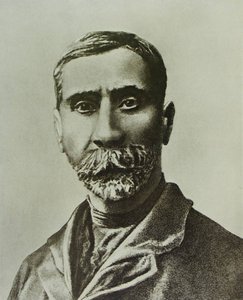
Ніко Піросмані
1862 - 1918 , Γεωργία
Krótka nota
- Artistic Movement Or Style: Prymitywizm Art
- Artists Who Influenced This Artist: ['Vladimir Lado Gudiashvili']
- Date Of Birth: 5 maja 1862
- Date Of Death: 9 kwietnia 1918
- Full Name: Nikoloz Aslanis Dze Pirosmanashvili
- Nationality: Gruzinski
- Notable Artworks:
- Musha z winogronem
- Ślub gruziński
- Portret Zdaniewicza
- Place Of Birth: Mirzaani, Kakheti