
 Podgląd w skali 1:1
 Wyślij jako kartkę
 Udostępnij
 Szczegóły dzieła
 Przewodnik

 Pobierz obraz
 Podobne obiekty
 RTG
RTG Pokaz slajdów
 Pytania i odpowiedzi
 Statystyki
The Idle Servant

- 70.0 x 53.0 cm


 Rozwiń treść
Otrzymaj plik gotowy do druku, którego jakość znacznie przewyższa podgląd internetowy. Każdy sprzedawany przez nas obraz cyfrowy pochodzi z wysokorozdzielczego pliku wzorcowego w naszej bazie — zazwyczaj o szerokości od 5 000 do 15 000 pikseli — dzięki czemu możesz drukować w dużym formacie, mocno kadrować lub z pełnym przekonaniem odwzorowywać najdrobniejsze detale.
Żaden plik nie opuszcza naszego studia bez odpowiedniej obróbki. Ekspert ds. cyfrowej edycji sprawdza zgodność kolorów z oryginałem i w razie potrzeby je koryguje, a następnie za pomocą profesjonalnych narzędzi do retuszu poprawia ostrość oraz szczegółowość — zawsze zachowując wierność pociągnięciom pędzla i stylowi artysty. Rezultatem jest obraz, który wygląda jak prawdziwe dzieło, a nie jak przefiltrowany skan.
Zatwierdzasz przed finalizacją zamówienia: nasz ekspert prześle obraz drogą mailową w ciągu 72 godzin do Twojego wglądu. Nie jesteś zadowolony? Poproś o poprawki lub korektę, bądź o zwrot kosztów, jeśli jakość nie spełnia oczekiwań.
To jakość, na której polegają wydawcy, studia projektowe, galerie oraz drukarnie.
Obraz cyfrowy
Pobierz plik o wysokiej rozdzielczości do osobistego użytku, druku oraz projektów kreatywnych. ( Przełącz na wydania drukowane Zamów ręcznie malowaną reprodukcję)
W każdym zamówieniu na obraz cyfrowy znajduje się
Profesjonalna dostawa cyfrowa z gwarancją
Wybierając OriginalUniqueArt.com, nie otrzymujesz jedynie obrazu – otrzymujesz profesjonalnie udoskonalone cyfrowe dzieło sztuki, stworzone z najwyższą precyzją i objęte gwarancją satysfakcji. Oto wszystko, co automatycznie dołączane jest do Twojego zamówienia:

Błyskawiczna wysyłka e-mailowa
Plik z obrazem cyfrowym w wysokiej rozdzielczości zostanie przesłany na Twój adres e-mail w ciągu 72 godzin od złożenia zamówienia – gotowy do natychmiastowego użycia.

Plik cyfrowy wzbogacony przez AI
Twoja grafika została profesjonalnie zoptymalizowana przy użyciu zaawansowanych narzędzi AI oraz ręcznej edycji, co zapewnia maksymalną szczegółowość, klarowność i wierność kolorów.

Darmowe ponowne przesyłki dożywotnio
Przypadkowo usunąłeś lub zgubiłeś swój plik? Bez obaw – prześlemy go Tobie ponownie w dowolnym momencie, bez żadnych opłat.

Bez opłat importowych – zawsze
Ciesz się swoją sztuką natychmiast, bez żadnych opłat celnych, należności ani kosztów dostawy – pliki cyfrowe są zawsze wolne od podatku.

Gwarancja wierności kolorów
Dzięki zastosowaniu profesjonalnych narzędzi i procesów zarządzania barwą zapewniamy, że Twoje cyfrowe zdjęcie odzwierciedla oryginalne kolory tak wiernie, jak to tylko możliwe.

Gwarancja satysfakcji przez 100 dni
Jeśli nie będziesz zadowolony ze swojego cyfrowego obrazu, dokonamy jego poprawki lub zwrócimy 100% kosztów w ciągu 100 dni – bez zbędnych pytań.

100% Gwarancja zwrotu pieniędzy
Nie jesteś zadowolony? Otrzymaj pełny zwrot kosztów w ciągu 100 dni od otrzymania pliku cyfrowego – bez zbędnych pytań.

Rabaty przy zamówieniach hurtowych
Kup 3 obrazy, oszczędź 10% - Kup 5, oszczędź 15% - Kup 10+, oszczędź 20%. Idealne do projektów kreatywnych, galerii i agencji.
A Moment Frozen in Dutch Light: Nicolaes Maes’s “The Idle Servant”
Nicolaes Maes's "The Idle Servant," painted in 1655, isn’t merely a depiction of two women enjoying a domestic moment; it’s a carefully constructed tableau brimming with subtle social commentary and the masterful use of light characteristic of the Dutch Golden Age. This intimate genre scene, now housed at the National Gallery in London (NG207), offers a captivating glimpse into the lives of a wealthy household, revealing both the comforts and the unspoken expectations of 17th-century Dutch society. The painting immediately draws the eye with its rich palette – deep reds, browns, and ochres dominate, punctuated by the warm glow emanating from an unseen fireplace, creating a sense of cozy domesticity that belies the underlying narrative.
Maes’s artistic lineage is inextricably linked to Rembrandt van Rijn. His apprenticeship under the master instilled within him a profound understanding of *chiaroscuro*, the dramatic interplay of light and shadow – a technique brilliantly employed here to sculpt form, define space, and draw attention to key elements. Notice how Maes uses pools of light to illuminate the seated woman’s face, highlighting her languid repose, while simultaneously shrouding the standing figure in a softer, more diffused glow. This masterful manipulation of light isn't simply aesthetic; it serves to subtly convey mood and character, hinting at the quiet resignation and perhaps even a touch of amusement present within the scene.
The Dance of Leisure and Duty
At first glance, “The Idle Servant” appears to be a simple portrayal of two women engaged in conversation. However, closer observation reveals a complex interplay of social dynamics. The woman standing, presumably the mistress of the house, is instructing or perhaps gently scolding the seated maid, who is lost in a drowsy reverie. This interaction isn’t overtly confrontational; rather, it's imbued with a quiet understanding – a recognition that even within the confines of domestic life, there are unspoken rules and expectations.
The scattered bowls, cups, and spoons surrounding the women aren’t merely props; they represent the labor involved in preparing a substantial meal. The maid’s slumber is a direct consequence of this effort, highlighting the contrast between leisure and duty – a central theme explored throughout the painting. Maes cleverly uses the arrangement of these objects to create depth and visual interest, drawing the viewer's eye into the heart of the scene. The placement of some bowls closer to the women suggests immediate needs, while others further away hint at the larger task at hand.
Symbolism and Social Commentary
Beyond its domestic setting, “The Idle Servant” offers a subtle critique of social hierarchies and gender roles. The maid’s apparent idleness is juxtaposed with the mistress's active role in overseeing the household – a reflection of the prevailing societal expectations for women during this period. The painting subtly suggests that while leisure was valued, it was always contingent upon fulfilling one’s duties within the home. The cat stealing a fowl further emphasizes this theme, representing a carefree disregard for responsibility.
Furthermore, the inclusion of the “doorkijkje” – a small window or opening in the background – is a deliberate artistic device employed by Maes and his contemporaries. This technique invites the viewer to step into another room, creating a sense of voyeurism and expanding the narrative beyond the immediate scene. It’s as if we are invited to observe a larger, unseen drama unfolding within the confines of the house.
A Masterpiece of Dutch Genre Painting
“The Idle Servant” stands as a testament to Nicolaes Maes's skill and artistry – a captivating example of Dutch Golden Age genre painting. Its masterful use of *chiaroscuro*, its nuanced portrayal of human interaction, and its subtle social commentary combine to create a work that is both visually stunning and intellectually stimulating. Reproductions by OriginalUniqueArt.com offer an exceptional opportunity to experience the beauty and depth of this remarkable painting, bringing its intimate world into your home with unparalleled fidelity.
Pytania i odpowiedzi
Jaki nastrój i emocje wyraża „The Idle Servant” – Nicolaes Maes?
W "The Idle Servant" nastrojowi Calm towarzyszy emocja Reflective.
Jak technika i ruch łączą się w "The Idle Servant"?
"The Idle Servant" powstało przy użyciu Oil On Panel, w stylu Dutch Golden Age.
Do którego etapu kariery Nicolaes Maes należy dzieło „The Idle Servant” (1655)?
"The Idle Servant", powstałe w 1655, należy do Early/Mid Career w twórczości Nicolaes Maes.
Biografia artysty
Nicolaes Maes (1634 - 1693): A Life Immersed in Dutch Light and Shadow
Nicolaes Maes, a name resonating softly within the pantheon of Dutch Golden Age masters, was born in Dordrecht in January 1634 into a world brimming with mercantile prosperity and artistic ferment. His father, Gerrit Maes, a successful cloth merchant and soap boiler, provided a comfortable upbringing, allowing young Nicolaes to pursue his burgeoning talent for painting. While early instruction came from a local artist of modest renown, the pivotal moment in Maes’s development arrived when he journeyed to Amsterdam around 1648 and entered the workshop of Rembrandt van Rijn. This apprenticeship proved transformative, imbuing him with an enduring appreciation for the dramatic interplay of light and shadow – *chiaroscuro* – and a masterful command of color that would define his early works. The influence was so profound that initial paintings, such as depictions of biblical scenes rendered with life-size figures and rich, glowing hues, were often mistakenly attributed to Rembrandt himself. These formative years laid the groundwork for a career marked by both technical brilliance and an intimate understanding of human emotion.Early Years and Rembrandt’s Influence
Nicolaes Maes' artistic journey began under the tutelage of a local Dordrecht artist—likely Samuel van Hoogstraten—who instilled in him foundational drawing skills. However, it was his encounter with Rembrandt van Rijn around 1650 that truly ignited his creative spirit. This pivotal apprenticeship profoundly shaped Maes’s artistic sensibilities, fostering an unwavering dedication to Rembrandt's signature technique of *chiaroscuro*, where dramatic contrasts between light and dark illuminate the subject matter with breathtaking intensity. As Arnold Houbraken recounts in his biography, “Rembrandt taught him the art of painting but lost that way of painting early,” particularly when Maes transitioned into portraiture—a stylistic shift driven by the discerning gaze of Van Dyck and the burgeoning demand for refined artistic representations within Amsterdam’s elite circles. The meticulous observation of Rembrandt's workshop instilled in Maes a profound respect for capturing nuanced emotions and conveying psychological depth, qualities that would permeate his subsequent oeuvre.From Biblical Scenes to Domestic Genre
Maes initially honed his skills by executing biblical scenes with life-size figures and luminous colors—a stylistic hallmark undeniably indebted to Rembrandt’s artistic vision. These early works showcased Maes' ability to render dramatic narratives with palpable emotion, mirroring the grandeur and theatricality characteristic of Rembrandt’s oeuvre. However, recognizing the evolving tastes of the art market, Maes gradually shifted his focus towards smaller-scale domestic genre scenes—a decision that cemented his reputation as a master of portraying everyday life with remarkable sensitivity and detail. He meticulously documented the rituals and routines of Dutch households, capturing moments of quiet contemplation alongside lively activity—scenes populated by women engaged in tasks such as spinning wool or preparing meals. These paintings weren’t merely visual records; they were windows into the social fabric of seventeenth-century Holland, reflecting the values and customs of a society undergoing significant transformation.The Art of Lacemaking and Rembrandt's Legacy
A particular fascination captivated Maes—the intricate art of lacemaking. He produced numerous variations on this theme, each demonstrating his unwavering commitment to capturing subtle textures and nuances—a testament to his meticulous observation and artistic skill. These depictions transcended mere representation; they conveyed a sense of beauty and refinement, mirroring the elegance and sophistication favored by Amsterdam’s upper echelon. Maes' work stands as enduring proof of Rembrandt’s influence—not merely in technique but also in aesthetic sensibility. His ability to infuse ordinary subjects with profound emotion and psychological insight ensured that his legacy would endure for centuries to come.A Portraitist Among Peers
Around 1656, Maes embarked on a new artistic path—one dedicated to portraiture—a stylistic shift decisively marked by the influence of Anthony van Dyck. Abandoning the warm hues and dramatic chiaroscuro favored in his earlier genre paintings, Maes embraced a cooler palette and refined compositional strategies—reflecting the prevailing aesthetic trends within Amsterdam’s aristocratic circles. His portraits are distinguished by their psychological acuity, capturing not only physical likeness but also glimpses into character and social standing. Like Van Dyck, Maes skillfully employed theatrical staging and subtle gestures to convey emotion and elevate his subjects to positions of honor. Notable works include “Portrait of Gerard Röver,” demonstrating Maes’s mastery of conveying status through meticulous detail—a hallmark of his artistic style. His enduring fame rests upon this singular achievement: transforming the commonplace into artful contemplation. ## Conclusion Nicolaes Maes' contribution to Dutch Baroque painting remains unparalleled. He skillfully blended Rembrandt’s dramatic technique with a humanist sensibility, producing images that continue to resonate with audiences today. Through his meticulous observation and artistic virtuosity, Maes elevated domestic scenes and portraits alike—establishing himself as one of the most influential artists of his era and securing his place within the annals of Dutch art history. His paintings serve as invaluable documents of seventeenth-century life, offering insights into social customs, psychological complexities, and aesthetic ideals that continue to fascinate scholars and connoisseurs alike.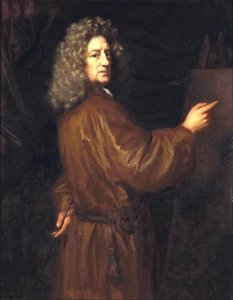
Nicolaes Maes
1634 - 1693 , Holandia
Krótka nota
- Artistic Movement Or Style: Barok
- Artists Or Movements Influenced By This Artist: ['Houbraken']
- Artists Who Influenced This Artist: ['Rembrandt van Rijn']
- Date Of Birth: Dordrecht, 1634
- Date Of Death: Amsterdam, 1693
- Full Name: Nicolaes Maes
- Nationality: Holenderski
- Notable Artworks:
- Christ Blessing the Children
- An Old Woman Dozing over a Book
- Death and the Miser
- Place Of Birth: Holandia