
 Podgląd w skali 1:1
 Wyślij jako kartkę
 Udostępnij
 Szczegóły dzieła
 Przewodnik

 Pobierz obraz
 Podobne obiekty
 RTG
RTG Pokaz slajdów
 Pytania i odpowiedzi
 Statystyki
Christ before Pilate

- 216.0 x 174.0 cm


 Rozwiń treść
Giclée / Wydruk artystyczny
Wydruki giclée lub płótna o jakości muzealnej, szybka realizacja i szeroki wybór opcji wykończenia. ( Zamów ręcznie malowaną reprodukcję Przejdź do wersji cyfrowej)




P118B zł10

P118H zł10

P118W zł10

P438Z zł10

P508JH zł12

P508YH zł12

P805H zł10

P805Z zł10

P919BZ zł10

P919G zł10

P919XJ zł10

P959ZH zł10

P968JZ zł12

W106C zł8

W218G zł10

W218JH zł8

W218Y zł10

W307PJ zł10

W316G zł10

W316PJ zł8

W316Y zł10

W398PJ zł8

W4111J zł10

W500HY zł15

W500JH zł15

W692G zł12

W849H zł8

W940BG zł15

W953PJ zł8




Wybierz spośród naszych standardowych rozmiarów, które zachowują oryginalne proporcje dzieła sztuki.

Wpisz wymaganą szerokość i wysokość, aby dopasować grafikę do ramy lub ściany. Wydruk można jedynie przyciąć, nigdy nie powiększając go poza oryginalny obraz, dlatego format o innych proporcjach spowoduje utratę części kompozycji. Przed rozpoczęciem druku prześlemy Ci cyfrowy podgląd do zatwierdzenia. Obraz wyświetlany na tej stronie nie pokazuje rzeczywistego przycięcia — jedynie podgląd oddaje ten efekt.
Dostawa na cały świat () w ciągu 2 tygodni zamiast standardowych 4/5 tygodni. (5 Listopad)

Bezpłatna ekspresowa wysyłka na cały świat

Wysokiej jakości płótno lniane

Pełne ubezpieczenie przesyłki

Gwarancja zwrotu należności celnych i podatków importowych

Gwarancja wiernego odwzorowania kolorów

100-dniowa polityka zwrotów (tylko w przypadku wad)

Gwarancja 100% zwrotu pieniędzy

Zniżka przy zakupie wielu sztuk
 Opcja ze szkłem jest dostępna wyłącznie w rozmiarach poniżej 110 cm

Christ before Pilate
Giclée / Wydruk artystyczny
Wymiary reprodukcji
-


Cena całkowita
zł 317
The Weight of Judgment: Nicolaes Maes’s ‘Christ Before Pilate’
Nicolaes Maes's “Christ Before Pilate,” painted in 1649-50, isn’t merely a depiction of a biblical scene; it’s a masterclass in conveying psychological drama and the unsettling ambiguity of power. The painting immediately commands attention with its monumental scale – measuring an impressive 216 x 174 cm – drawing the viewer into a meticulously rendered tableau of apprehension and moral conflict. Maes, deeply influenced by Rembrandt's pioneering use of *chiaroscuro*, employs a dramatic interplay of light and shadow to sculpt the figures, creating a palpable sense of unease that permeates the entire composition. The muted palette, dominated by deep blues, browns, and ochres, contributes to this atmosphere of somber contemplation, while strategically placed highlights draw focus to key elements – Christ’s outstretched hands, Pilate's hesitant gaze, and the faces of the onlookers, each reflecting a complex blend of fear, curiosity, and indifference.
- Rembrandt’s Shadow: Maes’s apprenticeship under Rembrandt is undeniably evident. The masterful use of light to define form and create depth echoes Rembrandt's signature style, yet “Christ Before Pilate” possesses a distinctly more intimate and emotionally charged quality than many of the artist’s larger historical scenes.
- The Human Scale: Unlike the grand, theatrical compositions favored by some of his contemporaries, Maes presents this pivotal moment in Christian history with an almost unsettling sense of immediacy. The figures are rendered with remarkable realism, their faces etched with emotion and vulnerability – a deliberate choice that forces the viewer to confront the human cost of judgment.
- Compositional Tension: The arrangement of figures is carefully orchestrated to heighten the drama. Christ, positioned centrally, becomes the focal point of attention, while Pilate’s posture—a mixture of reluctance and resignation—suggests a profound internal struggle. The surrounding crowd, rendered in varying degrees of detail, represents the collective conscience of Jerusalem, caught between loyalty to Roman authority and compassion for the accused.
A Window into 17th-Century Dutch Society
“Christ Before Pilate” offers a fascinating glimpse into the social and religious landscape of 17th-century Holland. The painting reflects the burgeoning interest in biblical narratives within a society grappling with questions of morality, justice, and faith. The inclusion of details like the bowl and cup – symbols of earthly sustenance and ritual – subtly underscores the contrast between the spiritual significance of Christ’s sacrifice and the mundane realities of daily life. Furthermore, the presence of several onlookers—a soldier, a scribe, and a group of citizens—reflects the diverse social strata of Jerusalem at the time, highlighting the universal nature of human judgment and its potential for both righteousness and injustice.
Historical Context:Painted during a period of intense religious debate and political upheaval in Europe, “Christ Before Pilate” speaks to broader anxieties about authority, faith, and the role of the individual. The painting’s enduring appeal lies in its ability to resonate with viewers across centuries, prompting reflection on timeless questions of morality and responsibility.
Symbolism and Emotional Resonance
Beyond its historical context, “Christ Before Pilate” is rich in symbolic meaning. Christ's outstretched hands represent humility, sacrifice, and the acceptance of his fate. Pilate’s hesitant gaze embodies doubt, uncertainty, and the burden of leadership—a recognition that even those entrusted with power are not immune to moral dilemmas. The faces of the onlookers convey a spectrum of emotions – fear, indifference, curiosity, and perhaps even a flicker of hope – reflecting the complex human response to injustice. The painting’s overall effect is profoundly moving, evoking a sense of empathy for both Christ and Pilate, and prompting viewers to contemplate their own roles in the ongoing drama of human judgment.
Bringing ‘Christ Before Pilate’ into Your Space
Reproductions of Nicolaes Maes's “Christ Before Pilate” offer a remarkable opportunity to bring this powerful work of art into your home or office. Available in a range of sizes and framing options, our high-quality reproductions faithfully capture the painting’s dramatic intensity and nuanced details. Whether you are an art collector, an interior designer seeking to create a contemplative atmosphere, or simply someone who appreciates the beauty and emotional depth of classic art, a reproduction of “Christ Before Pilate” is sure to be a treasured addition to your collection. Consider pairing it with complementary colors and textures to enhance its impact – deep blues and browns will evoke the painting’s somber mood, while warm earth tones can create a sense of grounding and stability.
Pytania i odpowiedzi
Skąd pochodzą odwiedzający „Christ before Pilate” – Nicolaes Maes?
Statystyki dotyczące „Christ before Pilate” – Nicolaes Maes znajdują się na stronie Statystyki wyświetleń dzieła: obejmują one miesięczną liczbę odwiedzin danego dzieła, wizyty przy pracach artysty oraz podział ostatnich odwiedzających według krajów i języków.
Czy dzieło "Christ before Pilate" znajduje się w domenie publicznej?
Jeśli chodzi o prawa autorskie, "Christ before Pilate" znajduje się w należy do domeny publicznej – autorskie prawa majątkowe wygasły.
Jaki to rodzaj dzieła sztuki: „Christ before Pilate” – Nicolaes Maes?
„Christ before Pilate” – Nicolaes Maes jest klasyfikowane jako WallArt. Kategoria ta określa rodzaj dzieła, jakim jest oryginał.
Biografia artysty
Nicolaes Maes (1634 - 1693): A Life Immersed in Dutch Light and Shadow
Nicolaes Maes, a name resonating softly within the pantheon of Dutch Golden Age masters, was born in Dordrecht in January 1634 into a world brimming with mercantile prosperity and artistic ferment. His father, Gerrit Maes, a successful cloth merchant and soap boiler, provided a comfortable upbringing, allowing young Nicolaes to pursue his burgeoning talent for painting. While early instruction came from a local artist of modest renown, the pivotal moment in Maes’s development arrived when he journeyed to Amsterdam around 1648 and entered the workshop of Rembrandt van Rijn. This apprenticeship proved transformative, imbuing him with an enduring appreciation for the dramatic interplay of light and shadow – *chiaroscuro* – and a masterful command of color that would define his early works. The influence was so profound that initial paintings, such as depictions of biblical scenes rendered with life-size figures and rich, glowing hues, were often mistakenly attributed to Rembrandt himself. These formative years laid the groundwork for a career marked by both technical brilliance and an intimate understanding of human emotion.Early Years and Rembrandt’s Influence
Nicolaes Maes' artistic journey began under the tutelage of a local Dordrecht artist—likely Samuel van Hoogstraten—who instilled in him foundational drawing skills. However, it was his encounter with Rembrandt van Rijn around 1650 that truly ignited his creative spirit. This pivotal apprenticeship profoundly shaped Maes’s artistic sensibilities, fostering an unwavering dedication to Rembrandt's signature technique of *chiaroscuro*, where dramatic contrasts between light and dark illuminate the subject matter with breathtaking intensity. As Arnold Houbraken recounts in his biography, “Rembrandt taught him the art of painting but lost that way of painting early,” particularly when Maes transitioned into portraiture—a stylistic shift driven by the discerning gaze of Van Dyck and the burgeoning demand for refined artistic representations within Amsterdam’s elite circles. The meticulous observation of Rembrandt's workshop instilled in Maes a profound respect for capturing nuanced emotions and conveying psychological depth, qualities that would permeate his subsequent oeuvre.From Biblical Scenes to Domestic Genre
Maes initially honed his skills by executing biblical scenes with life-size figures and luminous colors—a stylistic hallmark undeniably indebted to Rembrandt’s artistic vision. These early works showcased Maes' ability to render dramatic narratives with palpable emotion, mirroring the grandeur and theatricality characteristic of Rembrandt’s oeuvre. However, recognizing the evolving tastes of the art market, Maes gradually shifted his focus towards smaller-scale domestic genre scenes—a decision that cemented his reputation as a master of portraying everyday life with remarkable sensitivity and detail. He meticulously documented the rituals and routines of Dutch households, capturing moments of quiet contemplation alongside lively activity—scenes populated by women engaged in tasks such as spinning wool or preparing meals. These paintings weren’t merely visual records; they were windows into the social fabric of seventeenth-century Holland, reflecting the values and customs of a society undergoing significant transformation.The Art of Lacemaking and Rembrandt's Legacy
A particular fascination captivated Maes—the intricate art of lacemaking. He produced numerous variations on this theme, each demonstrating his unwavering commitment to capturing subtle textures and nuances—a testament to his meticulous observation and artistic skill. These depictions transcended mere representation; they conveyed a sense of beauty and refinement, mirroring the elegance and sophistication favored by Amsterdam’s upper echelon. Maes' work stands as enduring proof of Rembrandt’s influence—not merely in technique but also in aesthetic sensibility. His ability to infuse ordinary subjects with profound emotion and psychological insight ensured that his legacy would endure for centuries to come.A Portraitist Among Peers
Around 1656, Maes embarked on a new artistic path—one dedicated to portraiture—a stylistic shift decisively marked by the influence of Anthony van Dyck. Abandoning the warm hues and dramatic chiaroscuro favored in his earlier genre paintings, Maes embraced a cooler palette and refined compositional strategies—reflecting the prevailing aesthetic trends within Amsterdam’s aristocratic circles. His portraits are distinguished by their psychological acuity, capturing not only physical likeness but also glimpses into character and social standing. Like Van Dyck, Maes skillfully employed theatrical staging and subtle gestures to convey emotion and elevate his subjects to positions of honor. Notable works include “Portrait of Gerard Röver,” demonstrating Maes’s mastery of conveying status through meticulous detail—a hallmark of his artistic style. His enduring fame rests upon this singular achievement: transforming the commonplace into artful contemplation. ## Conclusion Nicolaes Maes' contribution to Dutch Baroque painting remains unparalleled. He skillfully blended Rembrandt’s dramatic technique with a humanist sensibility, producing images that continue to resonate with audiences today. Through his meticulous observation and artistic virtuosity, Maes elevated domestic scenes and portraits alike—establishing himself as one of the most influential artists of his era and securing his place within the annals of Dutch art history. His paintings serve as invaluable documents of seventeenth-century life, offering insights into social customs, psychological complexities, and aesthetic ideals that continue to fascinate scholars and connoisseurs alike.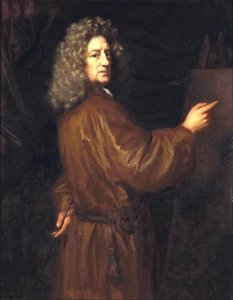
Nicolaes Maes
1634 - 1693 , Holandia
Krótka nota
- Artistic Movement Or Style: Barok
- Artists Or Movements Influenced By This Artist: ['Houbraken']
- Artists Who Influenced This Artist: ['Rembrandt van Rijn']
- Date Of Birth: Dordrecht, 1634
- Date Of Death: Amsterdam, 1693
- Full Name: Nicolaes Maes
- Nationality: Holenderski
- Notable Artworks:
- Christ Blessing the Children
- An Old Woman Dozing over a Book
- Death and the Miser
- Place Of Birth: Holandia
Powiązane artykuły
Nicolaes Berchem: Dutch Golden Age Pastoralism & the Evolution of Landscape Painting
Explore the captivating world of Nicolaes Berchem, a leading Dutch Golden Age painter. Discover his idyllic landscapes, masterful technique & lasting influence on art history. Learn more at OriginalUniqueArt.

Złoty Wiek Holandii: 10 arcydzieł, które zmieniły historię sztuki | OriginalUniqueArt.com
Odkryj 10 arcydzieł Złotego Wieku Holandii! Poznaj historię Rembrandta, Vermeera i innych mistrzów. Reprodukcje obrazów najwyższej jakości do Twojego wnętrza – OriginalUniqueArt.com.

Holenderski Barok: 10 Arcydzieł, Które Zdefiniowały Epokę | OriginalUniqueArt
Poznaj 10 arcydzieł holenderskiego baroku! Odkryj historie Rembrandta, Vermeera i innych mistrzów XVII wieku. Reprodukcje obrazów najwyższej jakości – idealne do Twojego wnętrza. OriginalUniqueArt.com

Golden Light & Dutch Skies: The Timeless Magic of Dutch Golden Age Landscapes
Discover the breathtaking beauty of Dutch Golden Age landscapes. Explore the mastery of light, chiaroscuro, and 17th-century realism through an expert art history lens, celebrating the enduring legacy of the Dutch Masters for discerning collectors and art lovers.

Mastering Light & Shadow: A Journey Through the Dutch Golden Age's Luminous Legacy
Embark on a cultural journey through the Dutch Golden Age. Explore the masterful interplay of light and shadow in 17th-century masterpieces, from Rembrandt to Vermeer, and discover how this era of profound realism continues to inspire fine art collectors today.
