

 Podgląd w skali
 Wyślij jako kartkę
 Udostępnij
 Szczegóły dzieła

 Pobierz
 Podobne obiekty
 RTG
RTG Pokaz slajdów
Path to Kailas 4


 Rozwiń treść
Giclée / Wydruk artystyczny
Druk giclée lub płótno o jakości muzealnej, szybka realizacja i szeroki wybór opcji wykończenia. ( Zamów ręcznie malowaną reprodukcję Kup obraz wysokiej rozdzielczości)




P118B $10

P118H $10

P118W $10

P438Z $10

P508JH $12

P508YH $12

P805H $10

P805Z $10

P919BZ $10

P919G $10

P919XJ $10

P959ZH $10

P968JZ $12

W106C $8

W218G $10

W218JH $8

W218Y $10

W307PJ $10

W316G $10

W316PJ $8

W316Y $10

W398PJ $8

W4111J $10

W500HY $15

W500JH $15

W692G $12

W849H $8

W940BG $15

W953PJ $8




Wybierz spośród naszych standardowych rozmiarów, które zachowują oryginalne proporcje dzieła sztuki.

Możesz wprowadzić własne wymiary, aby dopasować dzieło do konkretnej ramy lub przestrzeni. Jeśli wybrany rozmiar nie będzie odpowiadał proporcjom oryginalnego obrazu, przytniecie dzieło lub rozszerzymy obraz za pomocą odbicia lustrzanego lub jednolitego wypełnienia krawędzi. Przed rozpoczęciem produkcji prześlemy cyfrową wizualizację do Twojej akceptacji.
Prosimy pamiętać, że podgląd na ekranie nie odzwierciedla faktycznego przycinania ani rozszerzania. Tylko wizualizacja dokładnie pokaże końcową kompozycję.
Mimo dostępności niestandardowych rozmiarów, zalecamy wybór wymiaru z listy zdefiniowanej, aby zachować oryginalne proporcje.
Dostawa na cały świat () w ciągu 2 tygodni zamiast standardowych 4/5 tygodni. (21 Sierpień)

Bezpłatna ekspresowa wysyłka na cały świat

Wysokiej jakości płótno lniane

Pełne ubezpieczenie przesyłki

Gwarancja zwrotu należności celnych i podatków importowych

Gwarancja wiernego odwzorowania kolorów

Polityka 60-dniowego zwrotu (tylko w przypadku wad)

Gwarancja 100% zwrotu kosztów

Zniżka przy zamówieniu wielu produktów
 Opcja ze szkłem jest dostępna wyłącznie w rozmiarach poniżej 110 cm

Path to Kailas 4
Giclée / Wydruk artystyczny
Wymiary reprodukcji
-


Cena całkowita
$ 80
Opis kolekcjonerski
Path to Kailas 4: A Journey Through Mysticism and Landscape
Nicholas Roerich's "Path to Kailas 4" is more than just a painting; it’s an invitation into a world where spirituality intertwines with the grandeur of nature. This oil painting, characteristic of Roerich's style, transports viewers to the majestic Himalayas, offering a glimpse into the artist's profound fascination with Eastern mysticism and the sacred significance of this mountain range.
The Painting: A Serene Himalayan Vista
“Path to Kailas 4” depicts a serene mountainous landscape rendered in oil paint. The background showcases snow-capped peaks, typical of the Himalayas, creating a sense of vastness and awe. The foreground is dominated by a striking red rock formation inscribed with ancient writings. This central element immediately draws the eye and hints at deeper meanings. Several figures are depicted admiring or studying these inscriptions, suggesting human curiosity and reverence for knowledge and history. Adding to the scene's tranquility, two birds – one near the top left corner and another towards the bottom right – symbolize freedom and spiritual ascension. The composition is carefully balanced, guiding the viewer’s gaze through the landscape.
Symbolism and Inspiration: Kailas and Ancient Wisdom
The painting is rich in symbolism deeply rooted in Eastern spirituality. Mount Kailash (also known as Kailāsa), a central figure in Hinduism, Buddhism, Jainism, and Bon traditions, represents the cosmic axis of the universe – a sacred site of immense spiritual power. The red rock formation inscribed with ancient writings likely symbolizes sacred texts or ancient wisdom guiding seekers on their spiritual journey. Roerich’s fascination with these themes stemmed from his deep interest in Eastern philosophies and the Himalayas' revered status as a place of enlightenment. The birds, soaring above the landscape, further reinforce the theme of transcendence and liberation.
Artistic Style and Technique: Capturing Depth and Serenity
Roerich’s masterful use of oil paint allows for vibrant colors and textures that enhance the sense of depth and realism within the painting. His brushstrokes are both bold and delicate, capturing the intricate details of the natural landscape and the figures with precision. The color palette is dominated by cool blues and whites representing the snow-capped mountains, contrasted with the warm reds and browns of the rock formation, creating a visually striking contrast. The overall effect is one of serenity and contemplation, inviting viewers to immerse themselves in the mystical world depicted. Roerich’s style blends realism with a touch of romanticism, evoking a sense of wonder and spiritual exploration.
Relevance and Legacy: A Window into Spiritual Exploration
"Path to Kailas 4," like many of Nicholas Roerich's works, serves as more than just a beautiful piece of art; it’s a window into his philosophical and spiritual explorations. His paintings have inspired countless individuals with their unique blend of natural beauty and mystical themes. Roerich’s legacy extends beyond the art world, encompassing his advocacy for cultural preservation and international understanding. Owning a reproduction of "Path to Kailas 4" is an opportunity to bring a piece of this inspiring vision into your home or office, fostering contemplation and appreciation for the power of art and spirituality.
O artyście
A Life Immersed in Art and Spirit
Nicholas Roerich, born October 9, 1874, in the vibrant cultural heart of Saint Petersburg, Russia, was a figure whose life transcended the boundaries of artistic expression. He wasn’t merely a painter; he was an archaeologist, a writer, a philosopher, and a tireless advocate for peace and cultural preservation. His upbringing, steeped in both intellectual rigor – his father was a notary public – and artistic appreciation thanks to his mother, laid the foundation for a remarkably multifaceted career. Roerich simultaneously pursued studies in law and art at St. Petersburg University and the Imperial Academy of Arts beginning in 1893, demonstrating an early commitment to a broad understanding of the world. This dual path wasn’t contradictory for him; rather, it reflected a belief that artistic vision needed grounding in historical context and intellectual discipline. He received his artist designation in 1897 and completed his law degree the following year, setting the stage for a life dedicated to both creative exploration and reasoned action.The Allure of Symbolism and Theatrical Innovation
Roerich’s artistic development was profoundly shaped by the currents of Russian Symbolism, a movement that sought to evoke emotional and spiritual depths through evocative imagery and suggestive forms. He quickly became involved with Sergei Diaghilev's influential “World of Art” society, eventually assuming its presidency from 1910 to 1916. This association proved pivotal, exposing him to a network of innovative artists, composers, and thinkers who were redefining the landscape of Russian art. His early work revealed a fascination with archaeology and stage design, leading to groundbreaking collaborations with Diaghilev’s Ballets Russes. Roerich's designs for productions like Alexander Borodin's *Prince Igor* (1909) and, most famously, Igor Stravinsky’s revolutionary *The Rite of Spring* (1913), were not simply backdrops; they were integral components of the theatrical experience. He blended meticulous historical research with a bold imaginative vision, creating visually stunning environments that amplified the emotional power of the music and choreography. These designs weren't merely decorative; they were attempts to evoke primordial forces and ancient rituals, reflecting the Symbolist interest in myth and spirituality. His work was also influenced by apocrypha and medieval sectarian writings like the Dove Book, adding layers of esoteric meaning to his artistic creations.A Journey Towards Mysticism and Himalayan Visions
As Roerich’s career progressed, his paintings underwent a significant transformation, increasingly embracing mystical and spiritual themes. This shift was fueled by his growing interest in Theosophy and Eastern religions, philosophies that emphasized the interconnectedness of all things and the pursuit of inner wisdom. His *Architectural Studies* series (1904–1905) showcased not only his architectural skill but also a deep commitment to preserving cultural heritage, foreshadowing his later advocacy for protecting art during times of conflict. Recurring motifs began to emerge in his work: majestic landscapes, ancient cities shrouded in mystery, and figures imbued with spiritual significance like St. Panteleimon and Kuan Yin. He embarked on extensive travels throughout Central Asia, conducting archaeological research and documenting ancient cultures, experiences that deeply informed his artistic vision and reinforced his belief in the importance of cultural understanding. These journeys to remote regions profoundly shaped his worldview, leading him to believe in a universal spiritual consciousness and the interconnectedness of humanity with nature.Key Works & Continuing Relevance
- Saint Nicholas: A detailed monochrome mural showcasing medieval art and heraldic symbolism.
- City: Evocative depictions of ancient urban landscapes, reflecting his archaeological interests.
- Lake of the Nagas: A tempera painting blending symbolism and nature, exemplifying his unique artistic vision.
Legacy of Preservation and Enduring Influence
Nicholas Roerich was a dedicated activist for protecting art and architecture during times of war. Recognizing the vulnerability of cultural treasures, he spearheaded the creation of the Roerich Pact in 1935 – an international treaty designed to safeguard cultural objects from destruction. This initiative earned him multiple nominations for the Nobel Peace Prize, underscoring his profound humanitarianism. His tireless efforts demonstrated a belief that preserving cultural heritage was essential not only for understanding the past but also for building a more peaceful future. Today, Roerich’s work is celebrated in prominent museum collections worldwide, including the Astrakhan State Picture Gallery and, notably, the Nicholas Roerich Museum in New York City. His impact on Russian art and culture remains immeasurable. He bridged the gap between artistic expression and spiritual exploration, influencing generations of artists and thinkers with his visionary approach. He is remembered not only as a painter but as a scholar, a humanitarian, and a beacon of hope for cultural preservation.
Nikola Roerich
1874 - 1947 , Rosja
Krótka nota
- Artistic Movement Or Style: Символизм, духовное искусство
- Artists Or Movements Influenced By This Artist: ['Русский символизм']
- Artists Who Influenced This Artist: ['Сергей Дягилев']
- Date Of Birth: 9 октября 1874
- Date Of Death: 13 декабря 1947
- Full Name: Nicholas Roerich
- Nationality: Русский
- Notable Artworks:
- Святой Николай
- Город
- Озеро Нага
- Place Of Birth: Санкт-Петербург, Россия
Powiązane artykuły

Nicholas Roerich: Mysticism, Mountains & the Search for Ageless Wisdom in Art
Explore the captivating art of Nicholas Roerich – a visionary painter whose Himalayan landscapes blend spiritual mysticism with cultural preservation. Discover his legacy & symbolism.

Romantyczny Krajobraz w Malarstwie: 10 Arcydzieł, Które Zdefiniowały Epokę | OriginalUniqueArt.com
Odkryj 10 arcydzieł romantyzmu w malarstwie! Poznaj historie Caspara Davida Friedricha, Turnera i innych mistrzów. Inspiracje wnętrzarskie & reprodukcje obrazów najwyższej jakości na OriginalUniqueArt.com. Eksploruj kolekcję online!

Evocations of Place: A Historical Journey Through Landscape Art
Explore the rich history of landscape art with OriginalUniqueArt. Discover renowned artists, movements like Impressionism & Romanticism, and expert guidance for collecting timeless pieces. Find your perfect serene escape today!
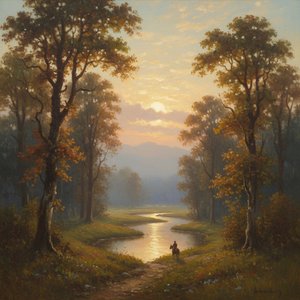
George Inness: Transcendental Landscapes & the American Search for Spiritual Harmony
Explore the profound landscapes of George Inness, a leading American artist-philosopher. Discover his spiritual approach to painting, influences, and lasting legacy with OriginalUniqueArt.

John Constable: 25 Najlepszych Obrazów Mistrza Angielskiego Krajobrazu | OriginalUniqueArt
Odkryj 25 arcydzieł Johna Constable'a – mistrza angielskiego krajobrazu! Poznaj romantyczne pejzaże, technikę malarską i inspiracje z Dedham Vale. Reprodukcje obrazów najwyższej jakości na OriginalUniqueArt.com. Eksploruj pełną kolekcję online!



