
 Podgląd w skali 1:1
 Wyślij jako kartkę
 Udostępnij
 Szczegóły dzieła
 Przewodnik

 Pobierz obraz
 Podobne obiekty
 RTG
RTG Pokaz slajdów
 Q&A
Q&A Statystyki
Untitled (Leaf Woman)

- 55.0 x 46.0 cm


 Rozwiń treść
Dzieło sztuki prezentowane na tej stronie podlega ochronie prawem autorskim, co oznacza, że nie mamy prawa do tworzenia ani sprzedaży jego identycznej reprodukcji. Ochrona ta jest egzekwowana na mocy umów międzynarodowych, takich jak Konwencja berneńska oraz przez przepisy prawa krajowego, w tym te określone w Prawo autorskie USA – Tytuł 17.
Metoda ta jest w pełni zgodna z przepisami prawa autorskiego, ponieważ nie polega na kopiowaniu ani powielaniu chronionego dzieła. Stanowi ona kreatywną reinterpretację – nowy obraz, który czerpie inspirację z oryginału, ale nie jest z nim tożsamy.
Giclée / Wydruk artystyczny
Wydruki giclée lub płótna o jakości muzealnej, szybka realizacja i szeroki wybór opcji wykończenia. ( Zamów ręcznie malowaną reprodukcję Przejdź do wersji cyfrowej)




































Wybierz spośród naszych standardowych rozmiarów, które zachowują oryginalne proporcje dzieła sztuki.

Wpisz wymaganą szerokość i wysokość, aby dopasować grafikę do ramy lub ściany. Wydruk można jedynie przyciąć, nigdy nie powiększając go poza oryginalny obraz, dlatego format o innych proporcjach spowoduje utratę części kompozycji. Przed rozpoczęciem druku prześlemy Ci cyfrowy podgląd do zatwierdzenia. Obraz wyświetlany na tej stronie nie pokazuje rzeczywistego przycięcia — jedynie podgląd oddaje ten efekt.
Dostawa na cały świat () w ciągu 2 tygodni zamiast standardowych 4/5 tygodni. (3 Listopad)

Bezpłatna ekspresowa wysyłka na cały świat

Wysokiej jakości płótno lniane

Pełne ubezpieczenie przesyłki

Gwarancja zwrotu należności celnych i podatków importowych

Gwarancja wiernego odwzorowania kolorów

100-dniowa polityka zwrotów (tylko w przypadku wad)

Gwarancja 100% zwrotu pieniędzy

Zniżka przy zakupie wielu sztuk
 Opcja ze szkłem jest dostępna wyłącznie w rozmiarach poniżej 110 cm

Untitled (Leaf Woman)
Giclée / Wydruk artystyczny
Wymiary reprodukcji
-


Cena całkowita
zł 312
Biografia artysty
Murat Brierre: Sculpting the Soul of Haiti
Murat Brierre (1938–1988), a name perhaps less familiar than some of his Haitian contemporaries, stands as a pivotal figure in the evolution of Haitian sculpture. Born in Mirebalais or Port-au-Prince – accounts vary slightly – Brierre’s life and work were inextricably linked to the vibrant cultural landscape of Haiti, particularly its rich traditions of Vodou and Christian faith. He wasn't merely a sculptor; he was an alchemist of discarded materials, transforming humble oil drum lids into powerful narratives that resonated with both local communities and international audiences. His legacy lies not just in the finished pieces but in his innovative approach to material and his profound engagement with Haitian identity.Early Life and Artistic Beginnings
Brierre’s artistic journey began humbly, far removed from the grand studios of established sculptors. He started as a brick mason, cabinetmaker, tile setter, and blacksmith – skills that instilled in him an understanding of form, texture, and the inherent beauty within raw materials. This practical foundation proved invaluable when he transitioned to sculpture, a medium he felt deeply connected to spiritually. His brother, Edgar Brierre, a celebrated painter and sculptor himself, undoubtedly influenced his early development, though Murat forged his own distinct path. The brothers’ shared last name sometimes created confusion regarding authorship of their works, adding another layer of intrigue to their artistic partnership. Brierre's choice of metal – specifically iron salvaged from oil drums – wasn’t arbitrary; he believed it possessed a potent spiritual energy, a quality he sought to harness in his creations. The process itself was arduous: the lids were hammered flat, drawn out, cut with razor blades, and then meticulously shaped by hand using chisels and files—a testament to the dedication required for each piece.A Unique Artistic Style: Fantastical Narratives
Brierre’s work is immediately recognizable for its distinctive style – a captivating blend of fantastical imagery, complex symbolism, and deeply rooted Haitian folklore. He frequently combined Christian iconography with Vodou spirits and mythical creatures, creating figures that seemed to emerge from ancient legends and contemporary realities. His sculptures are rarely straightforward representations; instead, they present fragmented narratives, often depicting unborn babies nestled within larger, more established forms – a potent symbol of life’s cyclical nature, vulnerability, and the continuity of generations. The use of multiple facets and conjoined figures is another hallmark of his style, suggesting interconnectedness and the complex interplay between different aspects of Haitian culture. Works like “L'Araignée” (The Spider) and "Bawon Samdi" are prime examples of this intricate storytelling, inviting viewers to decipher layers of meaning within each carefully crafted form.Influences and Recognition
While Brierre’s work possesses a uniquely Haitian character, it's undeniable that he was influenced by George Liautaud, another prominent Haitian sculptor known for his innovative use of materials and figurative style. However, Brierre quickly transcended mere imitation, developing an experimental approach characterized by its bold forms, intricate details, and profound emotional depth. His sculptures gained recognition both within Haiti and internationally throughout the 1960s and 70s. Solo exhibitions in New York, Milwaukee, Washington D.C., Boston, and Paris showcased his talent to a wider audience, while group shows in Iowa, Ft. Lauderdale, and Brooklyn further cemented his position as a significant contemporary artist. The Davenport Art Gallery consistently featured his work, demonstrating its growing appeal.Legacy and Enduring Significance
Murat Brierre’s untimely death in 1988 cut short a brilliant career, but his impact on Haitian art remains profound. He is now recognized as one of the most important sculptors of his generation, celebrated for his innovative use of recycled materials, his captivating narratives, and his deep engagement with Haitian culture and spirituality. His sculptures are not merely objects; they are windows into a complex and vibrant world—a testament to the enduring power of art to transform, to challenge, and to connect us to our shared human experience. His work continues to be exhibited and studied, ensuring that Murat Brierre’s unique voice will continue to resonate for generations to come.
Murat Brierre
1938 - 1988 , Haiti
Krótka nota
- Full Name: Murat Brierre
- Nationality: Haitian
- Date Of Birth: 1938
- Date Of Death: 1988
- Place Of Birth: Mirabalais, Haiti
- Notable Artworks:
- Untitled (Nanny)
- Untitled (Leaf Woman)
- Artistic Movement Or Style: Experimental metal sculpture
- Artists Who Influenced This Artist: ['George Liautaud']
Powiązane artykuły

10 Legendarnych Brązów Rzeźbiarskich, Które Zmieniły Sztukę | OriginalUniqueArt
Odkryj 10 legendarnych rzeźb brązowych od Rodina, Degasa i innych mistrzów! Poznaj historię powstania arcydzieł sztuki i inspiruj się do dekoracji wnętrz. Reprodukcje najwyższej jakości na OriginalUniqueArt.com – zobacz kolekcję!

Forged in Fire: The Timeless Strength and Ethereal Beauty of Metal Art
Discover the enduring allure of metal art. Explore how masterfully forged sculptures blend industrial strength with organic elegance to create timeless investment pieces for sophisticated collectors and luxury interiors.

Trwałe Formy: Ewolucja Technik i Tematów w Rzeźbie Przez Wieki – Od Antyku do Renesansu
Poznaj fascynującą historię rzeźby od antyku do renesansu! Odkryj techniki, wybitnych artystów i wpływ na współczesną sztukę. Ekspercka analiza dla kolekcjonerów i miłośników.
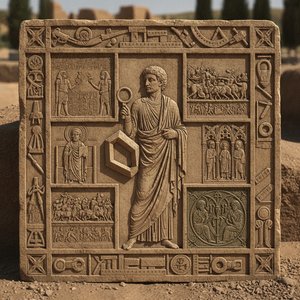
Mastering Dimension: An Art Historian's Guide to the Elegance of Sculptural Relief Art
Explore the profound beauty of sculptural relief art. From classical bas-relief to modern geometric textures, discover how depth and light transform spaces through an expert guide on art history and sophisticated curation for discerning collectors.

Top 10 arcydzieł ekspresjonizmu abstrakcyjnego – inspiracje dla Twojego wnętrza | OriginalUniqueArt.com
Odkryj 10 arcydzieł ekspresjonizmu abstrakcyjnego – Pollock, Rothko, de Kooning i inni. Poznaj historie artystów, techniki i inspiracje dla Twojego wnętrza. Reprodukcje najwyższej jakości na OriginalUniqueArt.com!