

 Podgląd w skali 1:1
 Wyślij jako kartkę
 Udostępnij
 Szczegóły dzieła
 Przewodnik

 Pobierz obraz
 Podobne obiekty
 RTG
RTG Pokaz slajdów
 Q&A
Q&A Statystyki
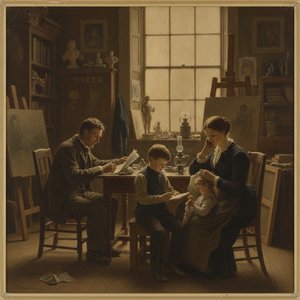
The Examination (Das Verhören)
 Oil On Canvas
- WallArt
- 19th Century Realism
 1868
1868 66.0 x 54.0 cm
 Muzeum Żydowskie
 Rozwiń treść
Giclée / Wydruk artystyczny
Wydruki giclée lub płótna o jakości muzealnej, szybka realizacja i szeroki wybór opcji wykończenia. ( Zamów ręcznie malowaną reprodukcję Przejdź do wersji cyfrowej)




P118B zł10

P118H zł10

P118W zł10

P438Z zł10

P508JH zł12

P508YH zł12

P805H zł10

P805Z zł10

P919BZ zł10

P919G zł10

P919XJ zł10

P959ZH zł10

P968JZ zł12

W106C zł8

W218G zł10

W218JH zł8

W218Y zł10

W307PJ zł10

W316G zł10

W316PJ zł8

W316Y zł10

W398PJ zł8

W4111J zł10

W500HY zł15

W500JH zł15

W692G zł12

W849H zł8

W940BG zł15

W953PJ zł8




Wybierz spośród naszych standardowych rozmiarów, które zachowują oryginalne proporcje dzieła sztuki.

Wpisz wymaganą szerokość i wysokość, aby dopasować grafikę do ramy lub ściany. Wydruk można jedynie przyciąć, nigdy nie powiększając go poza oryginalny obraz, dlatego format o innych proporcjach spowoduje utratę części kompozycji. Przed rozpoczęciem druku prześlemy Ci cyfrowy podgląd do zatwierdzenia. Obraz wyświetlany na tej stronie nie pokazuje rzeczywistego przycięcia — jedynie podgląd oddaje ten efekt.
Dostawa na cały świat () w ciągu 2 tygodni zamiast standardowych 4/5 tygodni. (29 Październik)

Bezpłatna ekspresowa wysyłka na cały świat

Wysokiej jakości płótno lniane

Pełne ubezpieczenie przesyłki

Gwarancja zwrotu należności celnych i podatków importowych

Gwarancja wiernego odwzorowania kolorów

100-dniowa polityka zwrotów (tylko w przypadku wad)

Gwarancja 100% zwrotu pieniędzy

Zniżka przy zakupie wielu sztuk
 Opcja ze szkłem jest dostępna wyłącznie w rozmiarach poniżej 110 cm

The Examination (Das Verhören)
Giclée / Wydruk artystyczny
Wymiary reprodukcji
-


Cena całkowita
zł 308
The Intimate Portrait of Family Life: Moritz Daniel Oppenheim’s “The Examination”
Moritz Daniel Oppenheim's "The Examination," painted in 1868, is more than just a domestic scene; it’s a poignant window into the heart of 19th-century Jewish family life. This intimate portrait, rendered with remarkable sensitivity and detail, captures a moment of quiet contemplation within a warmly lit living space – a space that speaks volumes about tradition, education, and familial bonds. The painting immediately draws the viewer in, not with grand gestures or dramatic action, but through the subtle interplay of glances, postures, and the palpable sense of connection between father and daughters.
Oppenheim’s style leans heavily towards Realism, yet it transcends mere representation. He masterfully employs a muted color palette – predominantly browns, creams, and ochres – to create an atmosphere of understated elegance and domestic tranquility. The lighting is particularly noteworthy; it's diffused and natural, casting gentle shadows that enhance the three-dimensionality of the figures and their surroundings. The artist’s brushwork is deliberate and controlled, meticulously building up layers of paint to achieve a rich texture and a sense of depth. Notice how he subtly captures the textures of the fabrics – the worn velvet chair, the simple wooden table, the folds in the women's dresses – adding an incredible level of realism and grounding the scene.
A Glimpse into Jewish Life and Education
The painting’s subject matter is deeply rooted in the social and cultural context of its time. “The Examination” depicts a father, presumably a scholar or religious leader, seated with his two daughters. He's absorbed in reading a book, while they attentively observe him, suggesting a scene of learning and guidance. This wasn’t simply a casual family gathering; it represented a crucial element of Jewish upbringing – the transmission of knowledge and tradition from one generation to the next. The presence of the books scattered around the room reinforces this theme, hinting at a home filled with intellectual pursuits and a commitment to education.
Oppenheim’s decision to portray a family scene within a Jewish context was groundbreaking for its time. While many artists were depicting Jewish subjects, Oppenheim's work focused on portraying everyday life, familial relationships, and religious practices – offering a more nuanced and intimate representation of the Jewish community than previously seen in Western art. This focus aligns with the burgeoning “Wissenschaft des Judentums” (Jewish knowledge) movement, which sought to study Judaism as an academic discipline, documenting its history, culture, and traditions.
Symbolism and Emotional Resonance
Beyond its straightforward depiction of a family moment, "The Examination" is rich in symbolic detail. The vase positioned centrally on the table – holding fresh fruit – can be interpreted as representing knowledge, wisdom, or even reward. The gesture of the father pointing to the book, combined with the daughters’ attentive expressions, suggests a process of learning and understanding. The overall mood is one of quiet dignity and affection, conveying a sense of warmth and familial harmony.
Furthermore, the painting subtly alludes to the importance of Jewish tradition and heritage. The setting itself – a comfortable home filled with books – speaks to a commitment to intellectual pursuits and the preservation of cultural values. The scene evokes a feeling of stability, continuity, and the enduring strength of family bonds. It’s a testament to Oppenheim's ability to capture not just a visual likeness but also the emotional essence of his subjects.
A Timeless Masterpiece – Reproduction Considerations
Reproductions of “The Examination” offer a remarkable opportunity to bring this evocative artwork into your home or office. When selecting a reproduction, consider the quality of the print and the canvas or paper used. A high-resolution digital print on archival-quality canvas will ensure that the colors and details are faithfully reproduced, capturing the painting’s subtle nuances and rich textures. The original's muted palette translates beautifully to a wide range of interior design styles – from traditional to contemporary – adding a touch of understated elegance and intellectual warmth.
As an investment piece, a high-quality reproduction of “The Examination” is more than just a decorative item; it’s a window into the past, a celebration of family life, and a testament to the artistic vision of Moritz Daniel Oppenheim. It's a reminder that even in quiet moments, profound beauty and enduring values can be found.
Pytania i odpowiedzi
Jakie emocje budzi "The Examination (Das Verhören)" jako prezent?
Dzięki swojemu Reflective wydźwiękowi emocjonalnemu, „The Examination (Das Verhören)” – Moritz Daniel Oppenheim jest polecane jako prezent dla Wedding.
Czy dzieło „The Examination (Das Verhören)” – Moritz Daniel Oppenheim jest jasne czy ciemne?
Pod względem postrzeganej jasności, „The Examination (Das Verhören)” – Moritz Daniel Oppenheim jest deep_shadow.
Gdzie można kupić ręcznie malowane reprodukcje dzieła „The Examination (Das Verhören)” – Moritz Daniel Oppenheim?
"The Examination (Das Verhören)" jest dostępny jako ręcznie malowana reprodukcja olejowa na płótnie lnianym. Zamówienie można złożyć na stronie Ręcznie malowana reprodukcja, wybierając preferowany rozmiar.
Biografia artysty
Wizjoner żydowskiej tożsamości
Moritz Daniel Oppenheim (1800-1882) jawi się jako postać niezwykła w annałach niemieckiej historii sztuki, będąc głębokim pionierem żydowskiej reprezentacji artystycznej. Urodzony w Hanau, w Niemczech, całe swoje życie i twórczość oparł na oddaniu dokumentowaniu oraz celebrowaniu niuansów żydowskiego życia i kultury podczas przełomowego dziewiętnastego stulecia. Często okrzykiwany pierwszym żydowskim malarzem, który osiągnął szerokie uznanie w głównym nurcie artystycznym, wyszedł daleko poza ramy zwykłego biografizmu, tworząc dzieło będące żywym wizualnym zapisem społeczności nawigującej przez zawiłości modernizacji, a jednocześnie usilnie starającej się zachować swoje święte tradycydje.
Artystyczna podróż Oppenheima rozpoczęła się od podstawowego szkolenia pod okiem Conrada Westermayra w jego rodzinnym mieście, gdzie po raz pierwszy chłonął zasady niemieckiego malarstwa romantycznego. Jednak to zapisanie się na Monachijskiej Akademii Sztuk w wieku siedemnastu lat stało się katalizatorem jego prawdziwego zawodowego wzrostu. To właśnie w tych prestiżowych murach szlifował swój warsztat u boku współczesnych mu mistrzów, takich jak Wilhelm Leibl czy Johann Baptist Eberhard Krauss. Pragnąc poszerzyć swoje horyzonty, Oppenheim wyruszył w transformującą podróż zagraniczną, udając się do Paryża, by studiować pod okiem Jean-Baptiste Regnault, a później do Rzymu. W Italii, pod wpływem takich luminarzy jak Bertel Thorwaldsen oraz malarz nurtu nazareńskiego Johann Friedrich Overbeck, jego styl ewoluował w stronę wyrafinowanego połączenia skrupulatnej obserwacji z klasycznym wpływem. Ten rzymski okres był szczególnie kluczowy, gdyż nasycił jego prace poczuciem historycznej powagi, która później nadała głębi jego przedstawieniom żydowskich rytuałów i codzienności.
Sztuka intymności i tradycji
Serce wkładu Oppenheima w sztukę tkwi w jego zdolności do przekształcania sfery domowej w scenę dla głębokiej narracji kulturowej. Jego obrazy często koncentrują się na intymnych scenach z życia żydowskiej rodziny, chwytając cichą godność rytuału i ciepło wspólnotowych więzi. Pod jego pędzlem to, co codzienne, staje się monumentalne. W dziełach takich jak Zakończenie Szabatu (Sabbath-Ausgang), stosuje on mistrzowski realizm i subtelny symbolizm, aby przedstawić przejmujące przejście ze świętego odpoczynku Szabatu z powrotem do świata doczesnego, zapraszając widza do bycia świadkiem sacrum rodzinnego obrzędu.
Jego umiejętność przeplatania kontekstu historycznego z osobistą emocją jest najbardziej widoczna w malarstwie rodzajowym, które dokumentuje konkretne kamienie milowe kultury. Na przykład:
- Wesele (Die Trauung): Zapierające dech w piersiach, niezwykle szczegółowe przedstawienie żydowskiego ślubu z 1866 roku wewnątrz frankfurckiego getta, gdzie Oppenheim uchwycił przepych tradycyjnych strojów i powagę baldachimu ślubnego, oferując rzadki, zachowany wgląd w odchodzący w niepamięć sposób życia.
- Powrót ochotnika: W tym oszałamiającym olejnym obrazie z 1834 roku artysta bada punkt styku żydowskiego dziedzictwa z szerszą historią Europy, portretując żołnierza powracającego z Wojen Wyzwoleńczych do rodziny wciąż żyjącej według starożytnych zwyczajów, co skutecznie ilustruje napięcie między politycznymi przemianami epoki napoleońskiej a trwającą niezmiennie tożsamością religijną.
Dziedzictwo i znaczenie historyczne
Poza biegłością techniczną, twórczość Oppenheima jest nierozerwalnie związana z ruchem Wissenschaft des Judentums – naukowym wysiłkiem mającym na celu ustanowienie historii i kultury żydowskiej jako szanowanej dziedziny akademickiej. Jego malarstwo funkcjonowało jako wizualna nauka, dostarczając godnej i autentycznej reprezentacji społeczności, która często była marginalizowana w szerokim europejskim kanonie sztuki. Przedstawiając żydowskie tematy z tym samym poziomem szczegółowości, godności i romantycznego przepychu, który zazwyczaj rezerwowano dla tematów arystokratycznych lub mitologicznych, rzucił wyzwanie istniejącym uprzedzeniom i zamanifestował wagę żydowskiej tożsamości w tkance kultury niemieckiej.
Ostatecznie dziedzictwo Moritza Daniela Oppenheima to dziedzictwo odporności i widoczności. On nie tylko malował sceny; on konstruował język wizualny dla ery przejściowej. Jego zdolność do uchwycenia delikatnej równowagi między starym a nowym światem sprawia, że jego twórczość pozostaje żywym punktem odniesienia dla zrozumienia żydowskiego doświadczenia XIX wieku, czyniąc go postacią nieodzowną zarówno w historii niemieckiego romantyzmu, jak i w globalnej narracji o sztuce żydowskiej.

Moritz Daniel Oppenheim
1800 - 1882 , Niemcy
Krótka nota
- Artistic Movement Or Style: Romantyzm
- Artists Who Influenced This Artist:
- Jean-Baptiste Regnault
- Bertel Thorwaldsen
- Barthold Georg Niebuhr
- Johann Friedrich Overbeck
- Date Of Birth: 7 stycznia 1800
- Date Of Death: 1882
- Full Name: Moritz Daniel Oppenheim
- Nationality: Niemiec
- Notable Artworks:
- Powrót ochotnika
- Mignon i harfista
- Włoska scena rodzajowa
- Komunia
- Błogosławieństwo Szabatowe
- Place Of Birth: Hanau, Niemcy
Powiązane artykuły

Ewolucja portretów rodzinnych: Personalizowane dzieła sztuki jako kronika życia przez pokolenia
Odkryj historię portretu rodzinnego i zamów spersonalizowane dzieło sztuki! Profesjonalne malarstwo portretowe, od renesansu po współczesność. Inwestycja w emocje i trwałą pamiątkę dla przyszłych pokoleń.
Victorian Realism: Capturing the Soul and Intricate Detail of a Golden Era
Explore the exquisite world of Victorian Realism. Discover how 19th-century masters captured unparalleled detail and emotion through oil painting, and learn to curate these timeless masterpieces for your luxury interior collection.

Romantic Realism's Finest: 10 Masterpieces for Your Home | OriginalUniqueArt
Explore 10 defining masterpieces of Romantic Realism! Discover Courbet, Millet & Daumier's powerful paintings—capturing emotion and social realities. Find museum-quality reproductions for your home at OriginalUniqueArt.com.

Victorian Naturalism: The Raw, Hyper-Real Aesthetic That Defined an Era
Explore the raw power of Victorian Naturalism. Discover how 19th-century artists rejected romantic idealism to capture the gritty, hyper-real truth of the industrial era through masterful observation and unmatched technical precision.

Oblicze Zmieniającego się Świata: Realizm Wiktoriański i Życie Nowoczesne w Sztuce
Poznaj fascynujący świat realizmu wiktoriańskiego! Analiza literatury i malarstwa XIX wieku, portrety społeczne Dickensa i Thackeraya. Ekspercka wiedza o wpływie epoki na sztukę.