

 Zobacz w skali 1:1
 Wyślij
 Udostępnij
 Szczegóły
 Guide
Guide

 Pobierz plik obrazu
 Podobne obiekty
 RTG
RTG Pokaz slajdów
 Statystyki
Shimabara Courtesans Exorcizing Demons
 701
701 87.0cm x 27.0cm
 Czytaj więcej
Ręcznie malowana reprodukcja olejowa
Ręcznie malowany obraz olejny na płótnie, wykonany na zamówienie przez naszych artystów w wybranym przez Ciebie wymiarze i oprawie. ( Przełącz na wersję drukowaną Przełącz na wersję cyfrową)




































Wybierz spośród naszych standardowych rozmiarów, które zachowują oryginalne proporcje dzieła sztuki.

Możesz wprowadzić własne wymiary, aby dopasować obraz do konkretnej ramy lub przestrzeni. Jeśli wybrany rozmiar nie będzie odpowiadał proporcjom oryginału, przytniecie dzieło sztuki lub rozszerzymy je o dodatkowe elementy, ręcznie domalowane przez artystę. Przed rozpoczęciem produkcji wyślemy projekt cyfrowy do Twojej akceptacji.
Należy pamiętać, że podgląd na ekranie nie odzwierciedla rzeczywistego przycinania ani rozszerzania obrazu. Tylko projekt dokładnie pokaże ostateczną kompozycję.
Choć oferujemy możliwość zamówienia niestandardowych rozmiarów, zalecamy wybór wymiaru z gotowej listy, aby zachować oryginalne proporcje dzieła.
Po złożeniu zamówienia zespół OriginalUniqueArt.com skontaktuje się z klientem drogą mailową w celu uzyskania instrukcji i prześle wizualizację projektu
Dostawa na całym świecie () w ciągu 3–4 tygodni zamiast standardowych 5 tygodni. (21 Wrzesień). Bez kompromisów w kwestii jakości.

Bezpłatna ekspresowa wysyłka na cały świat

Wysokiej jakości płótno lniane

Pełne ubezpieczenie transportowe

Gwarancja zwrotu należności celnych i podatków importowych

Gwarancja idealnego odwzorowania barw

100-dniowy okres na zwrot dzieła w przypadku wykrycia wad produkcyjnych

Gwarancja 100% zwrotu pieniędzy

Oferta przy zakupie wielu sztuk
 Opcja ze szkłem jest dostępna wyłącznie w rozmiarach poniżej 110 cm

Shimabara Courtesans Exorcizing Demons
Technika wykonania
Rozmiar reprodukcji
-


Suma do zapłaty
$ 300
Biografia artysty
Miyagawa Isshō: A Pioneer of Kabuki and Erotic Art
Miyagawa Isshō (喜平治, Fujiwara Andō), born around 1689 in Edo (modern Tokyo), was a pivotal figure in the Japanese ukiyo-e movement—a prolific painter specializing in kabuki theater prints and erotic shunga. His artistic output spanned from approximately 1725 to his death in 1779, marking him as one of the most influential artists of his era and establishing a lasting legacy within Japonisme, influencing European art movements during the late 18th and early 19th centuries.- Early Life & Training: Isshō’s formative years were spent under the tutelage of Miyaagawa Chōshun (1682–1752), a master whose own style was deeply rooted in the traditions of the Kano School, known for its meticulous realism and refined aesthetic sensibilities. This influence is evident in Isshō's early works—particularly his depictions of landscapes—demonstrating a careful observation of nature and an adherence to established artistic conventions.
- Influence of Harunobu: Like Chōshun, Isshō was profoundly impacted by Suzuki Harunobu (1725–1770), another innovator who championed the use of color printing techniques. Harunobu’s groundbreaking approach to nishiki-e—bold compositions and vibrant hues—inspired Isshō to push boundaries within his own artistic practice.
The Flowering of Kabuki Prints
Isshō achieved particular renown for his captivating portrayals of kabuki actors. He meticulously captured the dramatic gestures, expressions, and costumes of performers on stage, transforming theatrical performances into visual masterpieces. His prints weren’t merely reproductions; they conveyed the spirit of the theater—the energy, emotion, and spectacle—creating images that continue to resonate with audiences today. Notable works include “Samurai and Wakashu” (Male Youth), showcasing a dynamic scene of a samurai confronting a young man in a stylized pose, reflecting the prevalent themes of honor and youthful idealism within kabuki productions.- Technique & Style: Isshō’s technique involved layering multiple blocks of color—a hallmark of nishiki-e—to achieve stunning visual effects. He skillfully blended tonal gradations and employed subtle shading to imbue his prints with depth and realism, surpassing the limitations of earlier woodblock printing methods.
- Notable Prints: Among Isshō’s celebrated prints are “Courtesan on Parade,” depicting a geisha in opulent attire—a testament to Isshō's ability to capture beauty and elegance. Similarly, "Setsubun" portrays a festive celebration of the New Year, highlighting Isshō’s talent for capturing fleeting moments of everyday life.
Exploring Erotic Shunga: A Bold Experimentation
Beyond his kabuki prints, Isshō ventured into shunga—Japanese erotic art—a genre considered taboo during his time but embraced by many artists as a means of artistic expression. These paintings explored themes of desire and sensuality with remarkable frankness and detail, challenging societal norms and demonstrating Isshō’s willingness to explore unconventional subjects. His shunga prints are notable for their stylistic innovation and psychological insight.- Controversy & Exile: Isshō's artistic endeavors weren't without controversy. Following a dispute over payment for a commission in Nikko—where the patron refused to pay—he was banished from Edo alongside Chōshun, marking a significant setback in his career.
- Legacy & Influence: Despite this exile, Isshō continued to produce exceptional artwork until his death in 1780. His influence extended far beyond Japan, captivating European artists and collectors during Japonisme—a fascination with Japanese art and culture that profoundly impacted Western aesthetics. Isshō’s pioneering use of color printing techniques and his masterful depictions of kabuki theater solidified his place as one of the most important figures in ukiyo-e history.
Conclusion: An Enduring Vision
Miyagawa Isshō's artistic legacy persists today, inspiring artists and scholars alike. His unwavering commitment to innovation—particularly his embrace of color printing and his daring exploration of erotic themes—transformed the landscape of Japanese art and contributed significantly to the dissemination of Japonisme across Europe. He remains a symbol of artistic courage and creativity—a testament to the transformative power of vision and technique.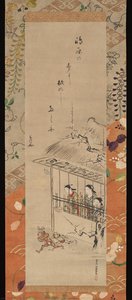
miyagawa isshō
1689 - 1779
Najważniejsze informacje
- Artistic Movement Or Style: Ukiyo-e
- Artists Or Movements Influenced By This Artist: ['Suzuki Harunobu']
- Artists Who Influenced This Artist:
- Hirshikawa Moronobu
- Fujiwara Ando
- Date Of Death: 1780
- Full Name: Miyagawa Isshō
- Nationality: Japanese
- Notable Artworks:
- Courtesan on Parade
- Setsubun (The Day Before the Beginning of Spring)
- Shimabara Courtesans Exorcizing Demons
- Place Of Birth: Tokyo