
 Podgląd w skali 1:1
 Wyślij jako kartkę
 Udostępnij
 Szczegóły dzieła
 Przewodnik

 Pobierz obraz
 Podobne obiekty
 RTG
RTG Pokaz slajdów
 Statystyki
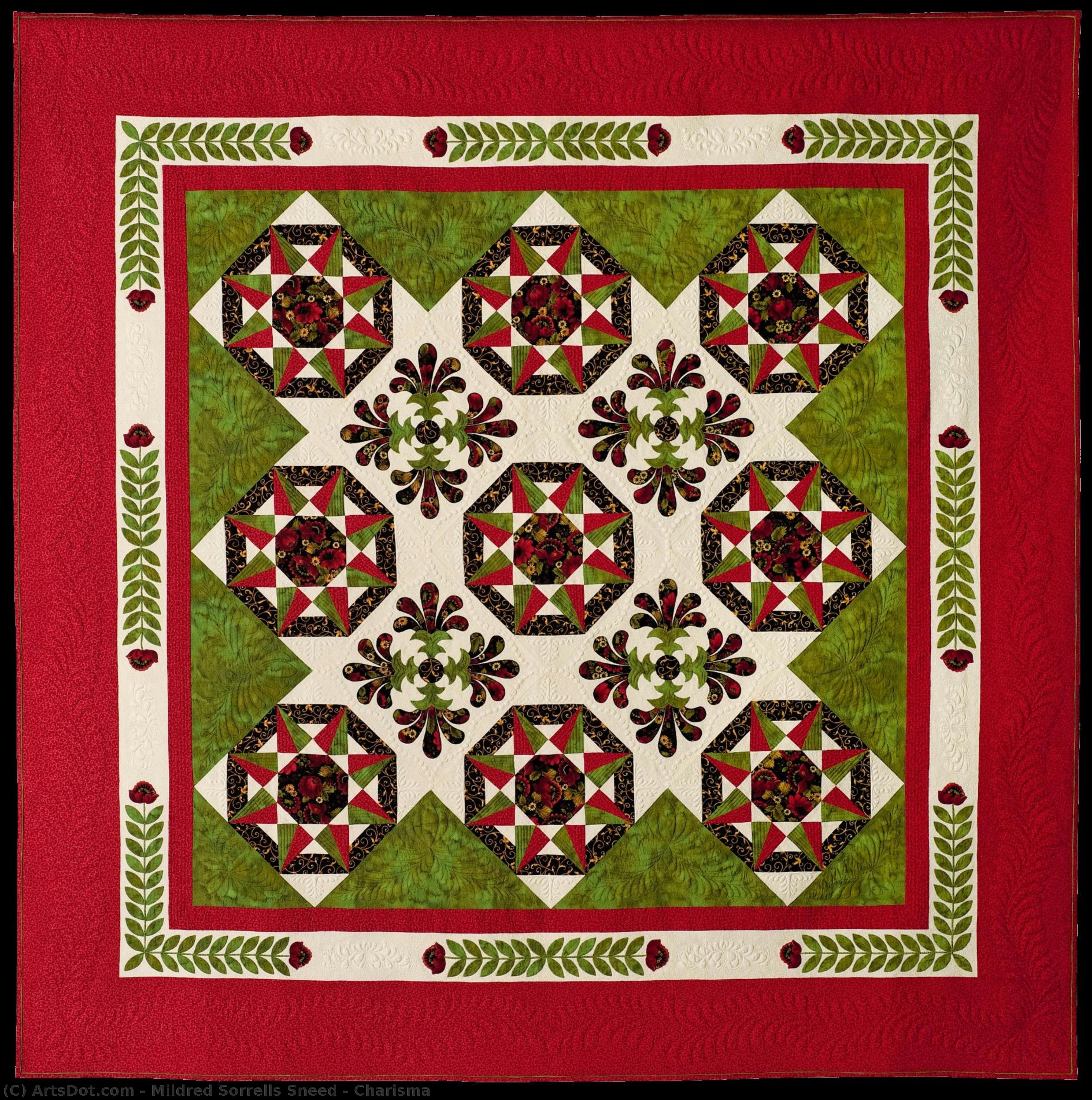
Charisma - Charisma


 Rozwiń treść
Giclée / Wydruk artystyczny
Wydruki giclée lub płótna o jakości muzealnej, szybka realizacja i szeroki wybór opcji wykończenia. ( Zamów ręcznie malowaną reprodukcję Przejdź do wersji cyfrowej)




P118B zł10

P118H zł10

P118W zł10

P438Z zł10

P508JH zł12

P508YH zł12

P805H zł10

P805Z zł10

P919BZ zł10

P919G zł10

P919XJ zł10

P959ZH zł10

P968JZ zł12

W106C zł8

W218G zł10

W218JH zł8

W218Y zł10

W307PJ zł10

W316G zł10

W316PJ zł8

W316Y zł10

W398PJ zł8

W4111J zł10

W500HY zł15

W500JH zł15

W692G zł12

W849H zł8

W940BG zł15

W953PJ zł8




Wybierz spośród naszych standardowych rozmiarów, które zachowują oryginalne proporcje dzieła sztuki.

Wpisz wymaganą szerokość i wysokość, aby dopasować grafikę do ramy lub ściany. Wydruk można jedynie przyciąć, nigdy nie powiększając go poza oryginalny obraz, dlatego format o innych proporcjach spowoduje utratę części kompozycji. Przed rozpoczęciem druku prześlemy Ci cyfrowy podgląd do zatwierdzenia. Obraz wyświetlany na tej stronie nie pokazuje rzeczywistego przycięcia — jedynie podgląd oddaje ten efekt.
Dostawa na cały świat () w ciągu 2 tygodni zamiast standardowych 4/5 tygodni. (26 Październik)

Bezpłatna ekspresowa wysyłka na cały świat

Wysokiej jakości płótno lniane

Pełne ubezpieczenie przesyłki

Gwarancja zwrotu należności celnych i podatków importowych

Gwarancja wiernego odwzorowania kolorów

100-dniowa polityka zwrotów (tylko w przypadku wad)

Gwarancja 100% zwrotu pieniędzy

Zniżka przy zakupie wielu sztuk
 Opcja ze szkłem jest dostępna wyłącznie w rozmiarach poniżej 110 cm

Charisma - Charisma
Giclée / Wydruk artystyczny
Wymiary reprodukcji
-


Cena całkowita
zł 307
Charisma – Mildred Sorrells Sneed
Mildred Sorrells Sneed’s “Charisma” transcends mere quilting; it embodies a profound connection to tradition and an unwavering belief in the transformative power of craft. Created in 2010, this artwork isn't simply decorative—it’s a visual meditation on resilience, warmth, and the enduring beauty found within simple patterns. The quilt itself is dominated by a striking crimson background, chosen deliberately to convey strength and passion – colors often associated with courage and vitality. Within this bold hue reside intricate geometric designs: circles and diamonds interwoven in a harmonious dance of color—green, white, black, and red—creating an effect that simultaneously feels both playful and purposeful.- Style: Geometric Quilting
- Technique: Hand Piecing & Stitching – Demonstrating meticulous craftsmanship and honoring the legacy of American quilting traditions.
- Size: Unknown (Dimensions contribute to the overall impact of the piece)
Pytania i odpowiedzi
Pod jakimi innymi nazwiskami znany jest Mildred Sorrells Sneed?
Mildred Sorrells Sneed występuje również pod innymi nazwiskami: Mildred Sorrells.
Czy dostępny jest plik do pobrania w wysokiej rozdzielczości dla "Charisma - Charisma"?
„Charisma - Charisma” jest dostępny jako wysokiej rozdzielczości cyfrowe zdjęcie do pobrania; można go nabyć bezpośrednio na stronie Cyfrowy obraz.
Jak duży jest kontrast w „Charisma - Charisma” – Mildred Sorrells Sneed?
„Charisma - Charisma” – Mildred Sorrells Sneed prezentuje Oświadczenie kontrast między jasnymi a ciemnymi partiami dzieła.
Biografia artysty
The Fabric of Heritage: The Artistry of Mildred Sorrells Sneed
In the quiet, rhythmic motion of a needle passing through fabric, there exists a profound form of storytelling that transcends mere decoration. Mildred Sorrells Sneed stands as a luminous figure in this tradition, a master of American quilting whose work serves as a vibrant bridge between ancestral heritage and contemporary textile art. Her creations, most notably the celebrated pieces ‘Charisma’ and ‘Golden Glow’, are not simply quilts; they are intricate tapestries of memory, texture, and light that capture the very essence of American quilting artistry. To encounter her work is to step into a world where every stitch holds a heartbeat and every pattern reflects a legacy of meticulous craftsmanship dating back centuries.
The soul of Sneed’s work lies in its ability to evoke the warmth of the domestic sphere while maintaining a sophisticated aesthetic complexity. Her approach to quilting mirrors the depth found in fine painting, utilizing color theory and structural design to create visual movement across the surface of her quilts. Through her hands, the medium of quilting is elevated from a functional craft to a high art form, characterized by an extraordinary attention to detail and an emotional resonance that speaks to the viewer's sense of home and history. Her mastery over light and texture allows her pieces to transform under different settings, much like a landscape painting reacting to the shifting sun.
A Legacy Woven in Time
The historical significance of Mildred Sorrells Sneed’s contribution to the textile arts cannot be overstated. She operates within a lineage of American quilters that stretches back to 1746, a period when quilting was both a necessity and a communal language. Her work honors this deep-rooted tradition while pushing the boundaries of what a quilt can represent in a modern context. By infusing her designs with a sense of "charisma" and "glow," she breathes new life into ancient techniques, ensuring that the artistry of the past remains relevant and breathtaking in the present day.
Her achievements are marked by a unique ability to balance the following elements:
- Technical Precision: A rigorous commitment to the structural integrity of each piece, ensuring that every seam and pattern alignment contributes to a cohesive whole.
- Emotional Depth: The capacity to imbue fabric with a sense of nostalgia and warmth, making her work deeply relatable to a global audience.
- Visual Narrative: Using color palettes that evoke specific moods, from the radiant energy of her more vibrant compositions to the quiet, contemplative tones of her more subtle works.
As we look upon the enduring impact of her work, it becomes clear that Mildred Sorrells Sneed has done more than just create beautiful objects; she has preserved a vital piece of American cultural identity. Her quilts serve as enduring monuments to the beauty found in the handmade, reminding us that true art is often found in the most intimate and tactile of forms.

Mildred Sorrells Sneed
1835 , United States of America
Krótka nota
- Date Of Death: 1835
- Place Of Birth: Macomb County, United States of America
- Notable Artworks:
- Evelyne Axell
- Joav BarEl
- Thomas Bayrle
- Artistic Movement Or Style: World Goes Pop
Powiązane artykuły

25 Arcydzieł Kandinskiego: Kolor, Duchowość i Abstrakcja w Twoim Domu | OriginalUniqueArt.com
Odkryj 25 arcydzieł Wassily Kandinskiego – pioniera abstrakcji i ekspresjonizmu! Poznaj historie, techniki i emocje kryjące się za jego kolorowymi kompozycjami. Reprodukcje obrazów najwyższej jakości na OriginalUniqueArt.com. Eksploruj pełną kolekcję online!
Geometryczna Abstrakcja w Sztuce: Historyczny Przegląd i Współczesny Apel dla Kolekcjonerów
Poznaj historię geometrycznej abstrakcji w sztuce – od kubizmu po współczesne trendy. Poradnik dla kolekcjonerów o inwestycjach, wartości dzieł i wybitnych polskich artystach. Ekspercka analiza i inspiracje.

Crimson Threads of Narrative: Exploring Symbolism & Representation in Artworks Featuring the Red Dress
Explore the rich symbolism of the red dress in art history! From ancient power displays to iconic portraits like Cézanne’s 'Madame Cezanne', discover the cultural and artistic significance behind this captivating color. Expert analysis & insights.

Geometria Sztuki: 10 Arcydzieł Abstrakcji Geometrycznej | OriginalUniqueArt.com
Odkryj 10 arcydzieł abstrakcji geometrycznej! Poznaj historię Mondriana, Kandinskiego i Maleвича. Inspiracje wnętrzarskie z malarstwem abstrakcyjnym – reprodukcje najwyższej jakości na OriginalUniqueArt.com. Eksploruj kolekcję online!

The Enduring Appeal of Geometric Patterns in Art: A Historical & Contemporary Exploration
Explore the captivating history of geometric abstraction in art, from ancient roots to contemporary masters. Expert insights for collectors & enthusiasts. Discover key artists, movements & investment potential.
