

 Podgląd w skali 1:1
 Wyślij jako kartkę
 Udostępnij
 Szczegóły dzieła
 Przewodnik

 Pobierz obraz
 Podobne obiekty
 RTG
RTG Pokaz slajdów
 Statystyki
Ždiar
 Drawing
- WallArt
- Slovak Modernism
 Modern
 15.0 x 10.0 cm
 Slovak National Gallery
 Rozwiń treść
Giclée / Wydruk artystyczny
Wydruki giclée lub płótna o jakości muzealnej, szybka realizacja i szeroki wybór opcji wykończenia. ( Zamów ręcznie malowaną reprodukcję Przejdź do wersji cyfrowej)




P118B zł10

P118H zł10

P118W zł10

P438Z zł10

P508JH zł12

P508YH zł12

P805H zł10

P805Z zł10

P919BZ zł10

P919G zł10

P919XJ zł10

P959ZH zł10

P968JZ zł12

W106C zł8

W218G zł10

W218JH zł8

W218Y zł10

W307PJ zł10

W316G zł10

W316PJ zł8

W316Y zł10

W398PJ zł8

W4111J zł10

W500HY zł15

W500JH zł15

W692G zł12

W849H zł8

W940BG zł15

W953PJ zł8




Wybierz spośród naszych standardowych rozmiarów, które zachowują oryginalne proporcje dzieła sztuki.

Wpisz wymaganą szerokość i wysokość, aby dopasować grafikę do ramy lub ściany. Wydruk można jedynie przyciąć, nigdy nie powiększając go poza oryginalny obraz, dlatego format o innych proporcjach spowoduje utratę części kompozycji. Przed rozpoczęciem druku prześlemy Ci cyfrowy podgląd do zatwierdzenia. Obraz wyświetlany na tej stronie nie pokazuje rzeczywistego przycięcia — jedynie podgląd oddaje ten efekt.
Dostawa na cały świat () w ciągu 2 tygodni zamiast standardowych 4/5 tygodni. (25 Październik)

Bezpłatna ekspresowa wysyłka na cały świat

Wysokiej jakości płótno lniane

Pełne ubezpieczenie przesyłki

Gwarancja zwrotu należności celnych i podatków importowych

Gwarancja wiernego odwzorowania kolorów

100-dniowa polityka zwrotów (tylko w przypadku wad)

Gwarancja 100% zwrotu pieniędzy

Zniżka przy zakupie wielu sztuk
 Opcja ze szkłem jest dostępna wyłącznie w rozmiarach poniżej 110 cm

Ždiar
Giclée / Wydruk artystyczny
Wymiary reprodukcji
-


Cena całkowita
zł 307
A Window into Slovak Modernism
In the quiet, rhythmic lines of Mikuláš Galanda’s Ždiar, we encounter more than just a landscape; we enter a pivotal moment in the evolution of Central European art. As a co-author of the first manifesto of Slovak Modernism, Galanda possessed the rare ability to bridge the gap between rustic, folk traditions and the avant-garde movements sweeping through Europe in the 1930s. This particular work, a delicate composition capturing a small view of the High Tatras village, serves as a profound testament to his mastery of form. Through a precise and disciplined use of line, Galanda strips away the unnecessary, leaving behind an image that feels both structurally grounded and ethereally light.
The scene unfolds with a captivating simplicity, presenting two houses nestled within a mountainous embrace. The architecture, characterized by its iconic red roofs, stands as a symbol of human resilience and domestic warmth amidst the rugged grandeur of the natural world. As one observes the interplay between the structures and the surrounding trees, there is a palpable sense of intimacy. The presence of birds—drifting through the upper reaches and lower corners of the frame—adds a layer of lyrical movement to the stillness, suggesting a living, breathing ecosystem where man and nature exist in a delicate, harmonious balance.
Technique and Emotional Resonance
Galanda’s technique in Ždiar is a masterclass in the power of minimalism. By utilizing a starker, more graphic approach, he emphasizes the precision of every stroke, allowing the viewer to appreciate the rhythmic geometry of the landscape. The composition is not merely a depiction of a place, but an exploration of space and solitude. A solitary figure stands between the dwellings, acting as a silent witness to the majesty of the mountains. This figure invites the viewer to step into the scene, to share in that quiet moment of observation, and to feel the profound peace that accompanies rural life.
For the discerning collector or interior designer, this piece offers an unparalleled opportunity to introduce a sense of historical depth and sophisticated tranquility into a space. The artwork’s ability to evoke nostalgia while maintaining a modern, clean aesthetic makes it a versatile centerpiece for contemporary galleries or refined residential settings. It is a work that does not demand attention through loud colors or chaotic movement, but rather commands respect through its quiet dignity and the timeless emotional impact of its subject matter. To possess a reproduction of Ždiar is to hold a fragment of Slovak cultural identity, rendered with the grace of a true modernist pioneer.
Pytania i odpowiedzi
Czy „Ždiar” – Mikuláš Galanda to dzieło o jasnej czy ciemnej kolorystyce?
Jasność dzieła „Ždiar” – Mikuláš Galanda wynosi brilliant, przy luminancji na poziomie Luminous.
W jakiej technice wykonano „Ždiar” – Mikuláš Galanda?
„Ždiar” wykonano w technice Drawing.
Jak nasycona jest paleta kolorystyczna dzieła "Ždiar"?
Paleta dzieła "Ždiar" charakteryzuje się Subtle Color nasyceniem kolorów.
Biografia artysty
Mikuláš Galanda był wybitnym słowackim malarzem i ilustratorem, który odegrał kluczową rolę w kształtowaniu sceny sztuki nowoczesnej swojego kraju. Urodzony w 1895 roku w Mala Ves nieopodal Turčianske Teplice na Słowacji, Galanda stał się jednym z najważniejszych pionierów i propagatorów słowackiego modernizmu.
Wczesne lata i edukacja
Artystyczna podróż Galandy rozpoczęła się od studiów na Akademii Sztuk Pięknych w Budapeszcie, gdzie kształcił się w latach 1914–1916. Później, w latach 1922–1923, kontynuował swoją edukację na Akademii Sztuk, Architektury i Projektowania w Pradze. Te prestiżowe instytucje zapewniły mu solidne fundamenty w dziedzinie sztuki i designu, które artysta z niezwykłą biegłością przekuł w swój unikalny, rozpoznawalny styl.
Kariera i osiągnięcia
Jako malarz i ilustrator, Galanda zapisał się w historii m.in. jako pierwszy redaktor graficzny magazynu Dav w latach 1924–1926. Swoją działalność pedagogiczną prowadził w Pierwszej Miejskiej Szkole dla Dziewcząt w Bratysławie, a także w latach 1929–1932 dzielił pracownię z Ľudovítem Fullą. W 1930 roku podróż do Paryża oraz wystawa w Krakowie jeszcze bardziej ugruntowały jego pozycję jako znaczącego artysty europejskiego formatu. Niektóre z najbardziej znamienitych dzieł Galandy można odnaleźć na OriginalUniqueArt.com, gdzie pasjonaci sztuki mogą zgłębić jego wyjątkowy styl i wkład w słowacki modernizm. Warto również wspomnieć o Metejskiej Galerii w Bratysławie, która prezentuje wybrane prace artysty, ukazując bogate dziedzictwo artystyczne Słowacji.
Nagrody i uznanie
W 1933 roku Galanda został profesorem w szkole rzemiosł w Bratysławie i został uhonorowany Krajową Nagrodą im. M. R. Štefánika. Kolejne wystawy w Sienie i Pradze w 1935 roku stały się dowodem na rosnące uznanie jego talentu na arenie międzynarodowej. Kluczowe aspekty kariery Galandy:
- był pionierem słowackiej sztuki nowoczesnej
- studiował na Akademii Sztuk Pięknych w Budapeszcie oraz na Akademii Sztuk, Architektury i Projektowania w Pradze
- pełnił funkcję pierwszego redaktora graficznego magazynu Dav
- organizował wystawy w Paryżu i Krakowie
- zdobył Krajową Nagrodę im. M. R. Štefánika
Wkład Mikuláša Galandy w rozwój słowackiej sztuki nowoczesnej jest niepodważalny, a jego dziedzictwo nieustannie inspiruje kolejne pokolenia twórców. Dzięki swojej unikalnej estetyce i pionierskiemu duchowi wytyczył szlak dla przyszłych artystów Słowacji. Zapraszamy do odwiedzenia OriginalUniqueArt.com, aby odkryć więcej jego dzieł i poznać innych wybitnych artystów, którzy ukształtowali świat sztuki.
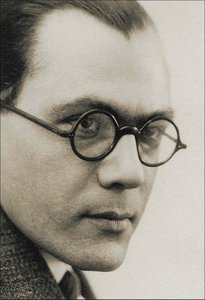
Mikuláš Galanda
1895 - 1938 , Słowacja
Powiązane artykuły

Romantyczny Krajobraz w Malarstwie: 10 Arcydzieł, Które Zdefiniowały Epokę | OriginalUniqueArt.com
Odkryj 10 arcydzieł romantyzmu w malarstwie! Poznaj historie Caspara Davida Friedricha, Turnera i innych mistrzów. Inspiracje wnętrzarskie & reprodukcje obrazów najwyższej jakości na OriginalUniqueArt.com. Eksploruj kolekcję online!

John Constable: 25 Najlepszych Obrazów Mistrza Angielskiego Krajobrazu | OriginalUniqueArt
Odkryj 25 arcydzieł Johna Constable'a – mistrza angielskiego krajobrazu! Poznaj romantyczne pejzaże, technikę malarską i inspiracje z Dedham Vale. Reprodukcje obrazów najwyższej jakości na OriginalUniqueArt.com. Eksploruj pełną kolekcję online!

Wiejskie Krajobrazy w Sztuce: Studium Ikonografii, Emocji i Społecznego Kontekstu
Odkryj fascynujący świat wiejskich krajobrazów w sztuce! Studium ikonografii, emocji i społecznego kontekstu malarstwa. Ekspercka analiza, inspiracje i możliwość zakupu reprodukcji na OriginalUniqueArt.

Czarne arcydzieła: Top 10 słynnych obrazów pełnych mroku i ekspresji | OriginalUniqueArt.com
Odkryj 10 słynnych obrazów, w których czerń króluje! Poznaj historie artystów, ekspresjonizm i mroczną paletę barw. Reprodukcje dzieł sztuki najwyższej jakości na OriginalUniqueArt.com – inspiracje do wnętrz i kolekcjonerstwo.

Białe arcydzieła: Top 10 słynnych obrazów pełnych światła i emocji | OriginalUniqueArt.pl
Odkryj 10 najsłynniejszych obrazów, w których biel dominuje i tworzy wyjątkową atmosferę. Poznaj historie Moneta, Van Gogha i innych mistrzów! Reprodukcje najwyższej jakości na OriginalUniqueArt.com – inspiracje wnętrzarskie i kolekcjonerstwo sztuki online.