Art Nouveau Symbolism · 1900
Spring (Michaił Wrubel, 1900)
Michaił Wrubel (1856–1910) stworzył Spring. Dzieło pochodzi z 1900. Należy do nurtu Art Nouveau Symbolism. Wykonano w technice Oil On Canvas. Przechowywane jest w Art Museum RIGA BOURSE w Ryga, Łotwa. Wymiary to 34 × 45 cm.
- 1900
- Oil On Canvas
- 34 × 45 cm
- Art Museum RIGA BOURSE, Ryga

 Podgląd w skali 1:1

 Ręcznie malowany obraz olejny
 Wyślij jako kartkę
 Udostępnij
 Przewodnik


 Pobierz obraz
 Podobne obiekty
 RTG
 Pokaz slajdów
 Pytania i odpowiedzi

 Statystyki
Spring: najważniejsze informacje
- Tytuł
- Spring
- Artysta
- Michaił Wrubel (1856–1910)
- Miejsce urodzenia artysty
- Omsk, Rosja
- Data powstania
- 1900
- Technika wykonania
- Oil On Canvas
- Wymiary
- 34 × 45 cm
- Gdzie można je zobaczyć
- Art Museum RIGA BOURSE, Ryga, Łotwa
- Epoka
- 19th Century
- Temat
- woman statue, clay sculpture, vrubel artwork, art nouveau, russian art, female figure
Co przedstawia Spring?
Mikhail Vrubel's "Spring": A Study in Melancholy Beauty
This exquisite hand-painted reproduction captures a poignant moment from Mikhail Vrubel’s iconic sculpture, “Spring,” created in 1900. The artwork immediately draws the viewer into a world of quiet contemplation, dominated by a female figure rendered with remarkable sensitivity and technical skill. The image presents a close-up view of a clay statue, meticulously painted in a rich tapestry of colors – blues, greens, and ochres – that evoke the very essence of springtime itself, yet tempered with an undeniable sense of sorrow.
A Symbolist Vision
Vrubel was a pivotal figure within the Russian Symbolist movement, deeply influenced by the burgeoning Art Nouveau style. His work frequently explored themes of spirituality, death, and beauty through highly stylized forms and evocative color palettes. “Spring,” like much of Vrubel’s oeuvre, is not simply a depiction of nature; it's an exploration of its transience – the fleeting joy of renewal juxtaposed with the inevitable decay that follows. The statue’s upward gaze suggests a yearning for something beyond the earthly realm, a common motif within Symbolist art.
Technique and Materiality
The sculpture itself, likely modeled in clay, demonstrates Vrubel's mastery of form and texture. The artist’s meticulous application of paint creates an illusion of depth and volume, highlighting the delicate curves of the figure’s body and the subtle nuances of her expression. The use of saturated colors – a hallmark of Vrubel’s style after his Venetian studies – adds to the work's dramatic intensity. The choice of clay as the primary material further emphasizes the artwork’s connection to the earth, reinforcing its symbolic link to rebirth and growth.
Historical Context and Legacy
Created in 1900, “Spring” reflects a period of significant artistic innovation in Russia. Vrubel's work gained considerable acclaim, particularly after his commission to recreate the mosaics in St. Cyril’s Church of Kyiv, an experience that profoundly shaped his artistic vision. The statue’s melancholic beauty resonates with broader anxieties about mortality and the passage of time – themes prevalent throughout Western European art at the turn of the 20th century. This reproduction offers a tangible connection to this pivotal moment in Russian art history, allowing you to appreciate Vrubel's genius firsthand.
Perfect for Interior Design & Art Collection
This hand-painted reproduction, measuring 34 x 45 cm, is an ideal addition to any interior space. Its evocative imagery and rich color palette will bring a touch of artistic sophistication to your home or office. A stunning piece for art collectors seeking unique Symbolist works, or for interior designers looking to create a contemplative and visually arresting atmosphere.
W którym muzeum znajduje się Spring?
Art Museum RIGA BOURSE
Ryga, Łotwa
Perła Bałtyckiego Renesansu: Muzeum Sztuki na Riggach Uwieńczone w samym sercu Rygi na Łotywie, Muzeum Sztuki na Riggach stanowi świadectwo zarówno artystycznej ambicji, jak i architektonicznej świetności. Założone w 1920 roku, to miejsce jest czymś więcej niż tylko skarbnicą sztuki; to żywa kronika wymiany kulturowej między Europą a Azją, usytuowana w jednym z najbardziej oszałamiających budynków Europy Wschodniej. Od swoich początków jako tętniąca życiem giełda po obecną rolę jako wibrujące centrum doceniania sztuki, muzeum oferuje zwiedzającym immersyjną podróż przez wieki kreatywności i designu.


Spring w wysokiej rozdzielczości

Domena publiczna: artysta zmarł w 1910.
Więcej rozmiarów, kadrowania i cytowań →Michaił Wrubel, Spring (1900), Art Museum RIGA BOURSE. Domena publiczna
Ekspert ds. cyfrowych weryfikuje kolory względem oryginału i retuszuje plik, zachowując wierność pociągnięciom pędzla artysty.
Kup obraz w wysokiej rozdzielczościPytania o Spring
Gdzie można zobaczyć oryginał „Spring” – Michaił Wrubel?
Oryginał dzieła „Spring” – Michaił Wrubel znajduje się w Art Museum RIGA BOURSE, Ryga, Łotwa. Reprodukcja pozwala na eksponowanie pracy w domu.
W którym roku powstało „Spring” – Michaił Wrubel?
„Spring” – Michaił Wrubel powstało w 1900.
Z jakiej techniki wykorzystano "Spring"?
Michaił Wrubel wykorzystał/a technikę Oil On Canvas w pracy „Spring”. Technika ta definiuje materię oryginalnego dzieła.
Jakie są rzeczywiste wymiary dzieła „Spring” – Michaił Wrubel?
Oryginalny utwór „Spring” – Michaił Wrubel ma wymiary 34 x 45 cm.
Co przedstawia „Spring” – Michaił Wrubel?
Tematyka dzieła "Spring" to woman statue, clay sculpture, vrubel artwork, art nouveau, russian art, female figure, tabletop scene.
Czy dzieło "Spring" znajduje się w domenie publicznej?
„Spring” – Michaił Wrubel znajduje się w domenie publicznej (należy do domeny publicznej – autorskie prawa majątkowe wygasły). Status ten określa zasady reprodukcji obrazu tego dzieła.
Któremu artyście przypisuje się "Spring"?
„Spring” zostało stworzone przez Michaił Wrubel. Informacje na tej stronie dotyczą oryginalnego dzieła autorstwa Michaił Wrubel.
Do jakiego nurtu należy "Spring"?
„Spring” – Michaił Wrubel należy do nurtu Art Nouveau Symbolism. Nurt ten stanowi stylistyczny kontekst dzieła.
Do którego okresu twórczości Michaił Wrubel należy dzieło "Spring"?
„Spring” pochodzi z okresu Late Period w twórczości Michaił Wrubel. Klasyfikacja ta wiąże dzieło z rozwojem artysty.
O artyście: Michaił Wrubel

1856–1910, Rosja
Michaił Wrubel
Wczesne lata i Akademia Michaił Wrubel urodził się w Omsku w Rosji. Jego wychowanie ukształtowała rodzina o szlacheckich korzeniach oraz ojciec służący w wojsku. Choć w 1880 roku ukończył Wydział Prawa Uniwersytetu Petersburskiego, jego myśli nieustannie krążyły wokół płótna. Podjął studia w Cesarskiej Akademii Sztuk Pięknych pod okiem Pawła Czistiakowa, gdzie zaczął wypracowywać styl odmienny od tradycyjnego realizmu jego rówieśników.
Inne prace Michaił Wrubel
 Царевна-Лебедь
 The Seated Demon
 Swan-Princess1904
 Persian Prince1886

Eseje o Spring
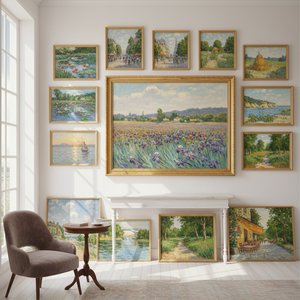 10 Arcydzieł Impresjonizmu Krajobrazowego: Sztuka, Artyści i Dekoracje WnetrzOdkryj 10 arcydzieł impresjonizmu krajobrazowego! Poznaj historie Monet, Renoir i innych mistrzów. Inspiracje wnętrzarskie, techniki malars…
 The Art of Ceramics: A Guide to Mastery, Texture, and Timeless Form for the Discerning CollectorExplore the profound elegance of ceramic art. From master glazes to sculptural forms, our expert guide offers discerning collectors deep in…
 Beyond Symbolism: Exploring the Spiritual Landscapes of Mikalojus Konstantinas Čiurlionis's ArtExplore the captivating world of Mikalojus Konstantinas Čiurlionis, a pioneer of abstract art. Discover his unique blend of music and paint…