

 Zobacz w skali 1:1
 Wyślij
 Udostępnij
 Szczegóły
 Przewodnik

 Pobierz plik obrazu
 Podobne obiekty
 RTG
RTG Pokaz slajdów
 Statystyki
Study for Haman


 Czytaj więcej
Dzieło sztuki prezentowane na tej stronie podlega ochronie prawem autorskim, co oznacza, że nie mamy prawa do tworzenia ani sprzedaży jego identycznej reprodukcji. Ochrona ta jest egzekwowana na mocy umów międzynarodowych, takich jak Konwencja berneńska oraz przez przepisy prawa krajowego, w tym te określone w Prawo autorskie USA – Tytuł 17.
Jako pełną szacunku i legalną alternatywę oferujemy personalizowane, malowane ręcznie dzieła sztuki inspirowane oryginałem. Nasi wykwalifikowani i profesjonalni artyści starannie analizują styl, nastrój oraz artystyczną esencję pierwowzoru, aby stworzyć nowe, unikalne dzieło, które przywołuje te same emocje – pozostając jednocześnie w pełni oryginalną kreacją.
Metoda ta jest w pełni zgodna z przepisami prawa autorskiego, ponieważ nie polega na kopiowaniu ani powielaniu chronionego dzieła. Stanowi ona kreatywną reinterpretację – nowy obraz, który czerpie inspirację z oryginału, ale nie jest z nim tożsamy.
Ręcznie malowana reprodukcja olejowa
Ręcznie malowany obraz olejny na płótnie, wykonany na zamówienie przez naszych artystów w wybranym przez Ciebie wymiarze i oprawie. ( Przełącz na wersję drukowaną Przełącz na wersję cyfrową)




P118B zł10

P118H zł10

P118W zł10

P438Z zł10

P508JH zł12

P508YH zł12

P805H zł10

P805Z zł10

P919BZ zł10

P919G zł10

P919XJ zł10

P959ZH zł10

P968JZ zł12

W106C zł8

W218G zł10

W218JH zł8

W218Y zł10

W307PJ zł10

W316G zł10

W316PJ zł8

W316Y zł10

W398PJ zł8

W4111J zł10

W500HY zł15

W500JH zł15

W692G zł12

W849H zł8

W940BG zł15

W953PJ zł8




Wybierz spośród naszych standardowych rozmiarów, które zachowują oryginalne proporcje dzieła sztuki.

Wpisz wymaganą szerokość i wysokość, aby obraz pasował do Twojej ramy lub ściany. Ponieważ jest to dzieło malowane ręcznie, w przypadku rozmiaru o innym proporcji artysta może domalować nieco więcej wokół obrazu lub przyciąć fragmenty — wybór należy do Ciebie. Przed rozpoczęciem pracy prześlemy Ci cyfrową wizualizację do zatwierdzenia. Obraz widoczny na tej stronie nie przedstawia rzeczywistego efektu — jedynie wizualizacja oddaje realny rezultat.
Po złożeniu zamówienia zespół OriginalUniqueArt.com skontaktuje się z klientem drogą mailową w celu uzyskania instrukcji i prześle wizualizację projektu
Dostawa na całym świecie () w ciągu 3–4 tygodni zamiast standardowych 5 tygodni. (19 Październik). Bez kompromisów w kwestii jakości.

Bezpłatna ekspresowa wysyłka na cały świat

Wysokiej jakości płótno lniane

Pełne ubezpieczenie transportowe

Gwarancja zwrotu należności celnych i podatków importowych

Gwarancja idealnego odwzorowania barw

100-dniowy okres na zwrot dzieła w przypadku wykrycia wad produkcyjnych

Gwarancja 100% zwrotu pieniędzy

Oferta przy zakupie wielu sztuk
 Opcja ze szkłem jest dostępna wyłącznie w rozmiarach poniżej 110 cm

Study for Haman
Technika wykonania
Rozmiar reprodukcji
-


Suma do zapłaty
zł 1141
The Anatomy of Devotion: Unveiling a Renaissance Study
To gaze upon this preparatory study is to step directly into the intense, focused crucible of artistic genius. It is not a finished narrative, but rather a profound meditation—a skeleton rendered in pigment—that speaks volumes about the mind wrestling with form and divine proportion. The subject matter itself, though titled Study for Haman, transcends any single story; it becomes an exhaustive exploration of the human vessel. Here, the artist has meticulously charted the musculature, the subtle curve of the torso, and the foundational geometry of the limbs. This drawing is a testament to the Renaissance obsession with understanding man—not just as a spiritual being, but as a perfectly engineered machine of flesh and bone.
A Dialogue in Red Chalk: Technique and Materiality
The visual poetry of this piece resides deeply within its technique. Executed primarily in red chalk upon aged paper, the drawing possesses an immediate warmth that seems to emanate from the very surface. The artist has employed a masterful control over dry point methods, allowing the pressure of the chalk to create varying weights of line—from whisper-light suggestions of contour to deep, velvety cross-hatching that builds palpable shadow. Observe how the texture is built up; it is not merely shaded, but constructed through countless intersecting lines. This careful handling of pigment against the ground reveals an intellectual rigor, suggesting hours spent in quiet contemplation, where every stroke served a precise, structural purpose.
Historical Echoes and Artistic Lineage
Dating to around 1508, this work places us squarely within the vibrant currents of the High Renaissance. While the title connects it to a specific biblical narrative, its execution speaks more broadly to the era's commitment to naturalism and idealized form. The artist’s dedication to anatomical accuracy mirrors the intellectual ferment of the time, where art was inseparable from burgeoning scientific inquiry. For the collector or designer, this piece offers an unparalleled connection to that golden age—a tangible link to the masters who viewed the human body as both a subject for beauty and a puzzle awaiting perfect solution.
Symbolism and Emotional Resonance
Beyond its technical brilliance, there is a deep emotional resonance here. The fragmented nature of the composition invites the viewer into an act of completion; we are invited to mentally assemble the poses, to imagine the final, grand vision that these studies were meant to support. Symbolically, it speaks to the process of creation itself—the necessary stages of drafting, correction, and refinement before perfection can be achieved. Owning a reproduction of this study is not merely acquiring art; it is curating an atmosphere of deep thought, scholarly pursuit, and enduring human potential for any space.
Pytania i odpowiedzi
Do którego pomieszczenia w domu najlepiej pasuje reprodukcja "Study for Haman"?
Zalecaną przestrzenią dla „Study for Haman” autorstwa Michelangelo Morlaiter jest Studio Apartment. Sugestia ta może zostać oczywiście dostosowana do Twojego wnętrza.
Kto jest autorem dzieła "Study for Haman" i do jakiego nurtu ono należy?
"Study for Haman" powstało autorstwa Michelangelo Morlaiter w stylu High Renaissance. Artysta oraz nurt definiują tradycję tego dzieła.
Jaką harmonię kolorów prezentuje „Study for Haman” autorstwa Michelangelo Morlaiter?
Kolory dzieła „Study for Haman” autorstwa Michelangelo Morlaiter wykazują Unified Palette harmonię. Harmonia opisuje wzajemne relacje między kolorami.
Biografia artysty
Michelangelo Morlaiter: Venetian Sculptor and Fresco Artist
Michelangelo Morlaiter (1766 – Present) stands as a testament to the enduring legacy of Venetian artistic tradition, particularly within the School of Athens. Born into a family steeped in sculpture—his father, Giovanni Maria Morlaiter, was himself a celebrated sculptor—Michelangelo inherited not only talent but also an unwavering dedication to mastering the craft of disegno, the foundational principles of Renaissance art. His formative years were spent absorbing the artistic atmosphere of Venice, a city renowned for its patronage of the arts and its commitment to preserving classical ideals.- Early Life & Training: Giovanni Maria Morlaiter’s influence was paramount in shaping Michelangelo's early artistic sensibilities. He honed his skills under Giovanni Battista Falconetti, a master sculptor known for his meticulous attention to detail and anatomical accuracy. This rigorous training instilled in Morlaiter a profound understanding of sculptural technique—a skill he would later translate into breathtaking frescoes that adorn prominent Venetian churches.
The Accademia di Scoltura, Pittura, ed Architettura Civile: A Crucible of Artistic Innovation
Michelangelo Morlaiter’s contribution to Venetian art extends far beyond individual masterpieces. He was a founding member and professor at the Accademia di Scoltura, Pittura, ed Architettura Civile in Venice (established 1766), an institution dedicated to reviving classical artistic ideals and fostering excellence in sculpture, painting, and architecture. This academy served as a vital hub for disseminating knowledge and nurturing talent—producing generations of artists who would shape the visual landscape of Venice and beyond. Morlaiter’s role as educator ensured that Venetian artistic traditions continued to flourish into the 19th century.- Notable Commissions & Artistic Style: Morlaiter gained renown for his monumental sculptures, notably ‘Ignudo,’ a stunning nude study reflecting the influence of Michelangelo Buonarroti and embodying the humanist spirit of the Renaissance. His frescoes within Chiesa dell'Angelo Raffaele—particularly “The Study of Adam”—demonstrate masterful fresco technique, characterized by layering pigments onto wet plaster to achieve luminous colors and unparalleled textural depth. These works exemplify Venetian Rococo art’s elegance and grace.
Influences & Artistic Legacy
Morlaiter's artistic vision was deeply rooted in the humanist ideals of the Renaissance, mirroring the broader cultural movement that championed reason, observation, and human dignity. He drew inspiration from Michelangelo Buonarroti’s sculptural achievements—particularly his David—and embraced the stylistic conventions of Venetian Rococo art, prioritizing decorative splendor and emotional expression alongside technical virtuosity. His enduring legacy resides in his contribution to Venetian artistic heritage and his role as a pivotal figure in shaping the aesthetic sensibilities of his time.- Major Achievements: Morlaiter’s sculptures are celebrated for their anatomical precision and expressive dynamism, capturing the human form with remarkable realism. His frescoes—particularly “The Study of Adam”—are considered masterpieces of Venetian fresco painting, showcasing unparalleled color palettes and textural nuances. He cemented his place in art history as a champion of classical ideals and a pivotal voice within Venice’s artistic community.
Historical Significance
Michelangelo Morlaiter's work represents more than just aesthetic beauty; it embodies the spirit of Venetian Renaissance culture—a commitment to reviving classical art forms and upholding humanist values. His influence extended beyond his immediate circle, shaping artistic trends throughout Venice and contributing to the preservation of Venetian artistic traditions for centuries to come. He stands as a symbol of Venetian artistic excellence and a testament to the enduring power of disegno.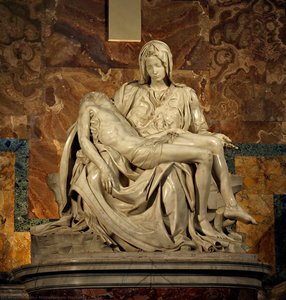
Najważniejsze informacje
- Full Name: Michelangelo Morlaiter
- Nationality: Italian
- Place Of Birth: Venice
- Notable Artworks:
- Ignudo
- Studies for a double tomb wall
- The Study of Adam
- Artistic Movement Or Style: Rococo Art
- Artists Who Influenced This Artist: ['Giovanni Morlaiter']
- Artists Or Movements Influenced By This Artist: ['Renaissance Venice']
Zobacz także powiązane artykuły
Michelangelo Buonarroti: 25 Arcydzieł Genialnego Mistrza | OriginalUniqueArt.com
Odkryj 25 arcydzieł Michelangelo Buonarroti – od Pietà po Kaplicę Sykstyńską. Poznaj historię, technikę i piękno renesansowych fresków i rzeźb. Reprodukcje obrazów najwyższej jakości na OriginalUniqueArt.com! Eksploruj kolekcję online.
Leonardo da Vinci: 25 Arcydzieł Genialnego Mistrza | OriginalUniqueArt
Odkryj 25 arcydzieł Leonardo da Vinci! Poznaj historię Mona Lisy, Ostatniej Wieczerzy i innych renesansowych perełek. Reprodukcje obrazów najwyższej jakości – inspiracje do wnętrz na OriginalUniqueArt.com.
25 Arcydzieł Brytyjskiego Muzeum: Historia Sztuki w Twoim Domu | OriginalUniqueArt
Odkryj 25 arcydzieł Brytyjskiego Muzeum! Poznaj historie słynnych obrazów, rzeźb i artefaktów od antyku po współczesność. Reprodukcje najwyższej jakości na OriginalUniqueArt.com – inspiracje dla Twojego wnętrza. Eksploruj pełną kolekcję online!
Frederick Bridgman: Anatomical Mastery & the Evolution of Figure Drawing Instruction
Explore the anatomical mastery of George B. Bridgman & his revolutionary figure drawing techniques. Discover how his methods transformed art instruction and continue to inspire artists today. Learn more at OriginalUniqueArt.
The Eloquent Line: Exploring the Artistic Significance of Sketches Across Movements and Media
Explore the profound artistic significance of sketches throughout history. From Renaissance masters to modern innovators like Van Gogh & Guston, discover how these foundational works reveal technique, emotion, and vision. Learn more at OriginalUniqueArt.


